
Chiclana de la Frontera
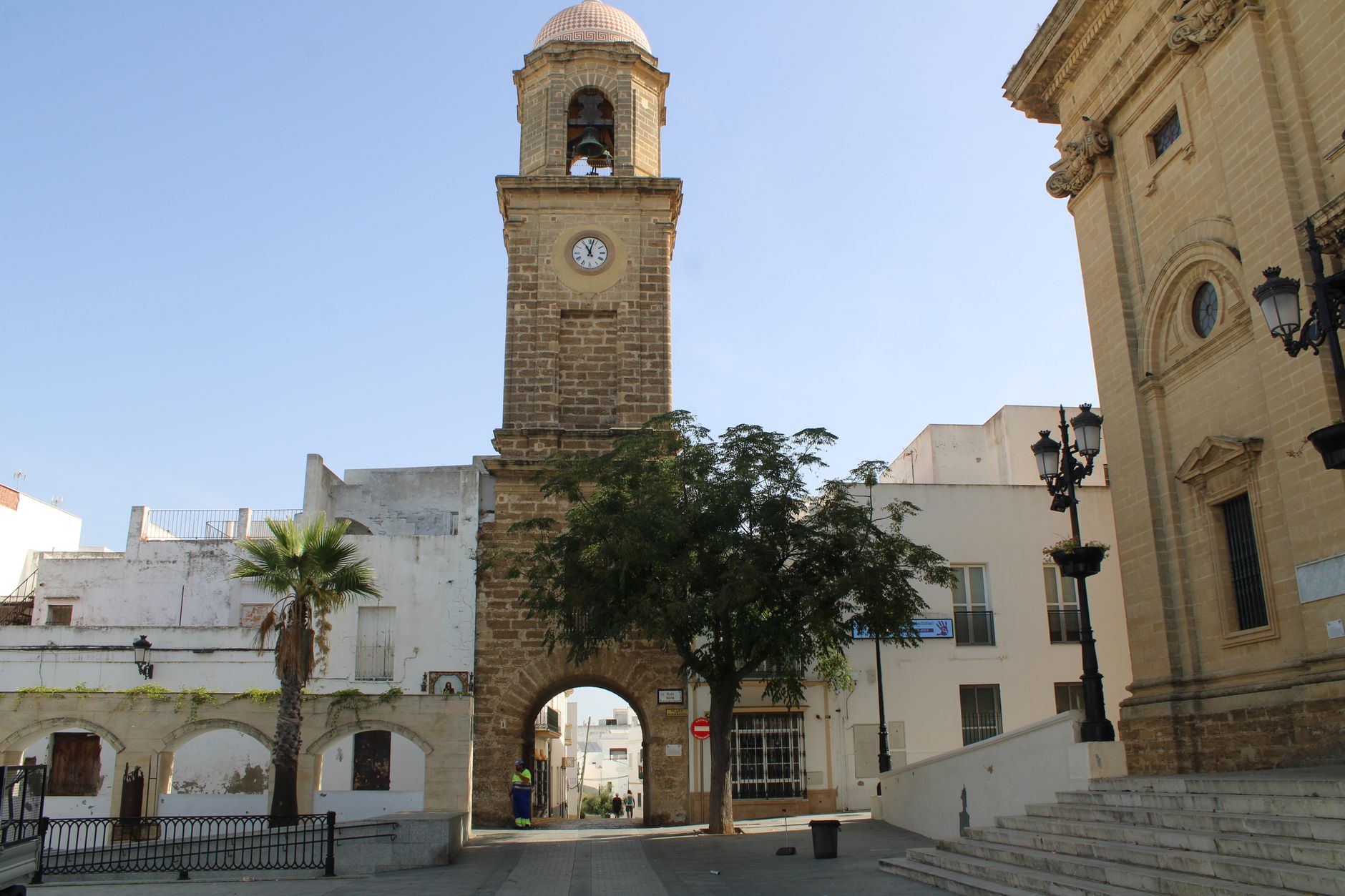

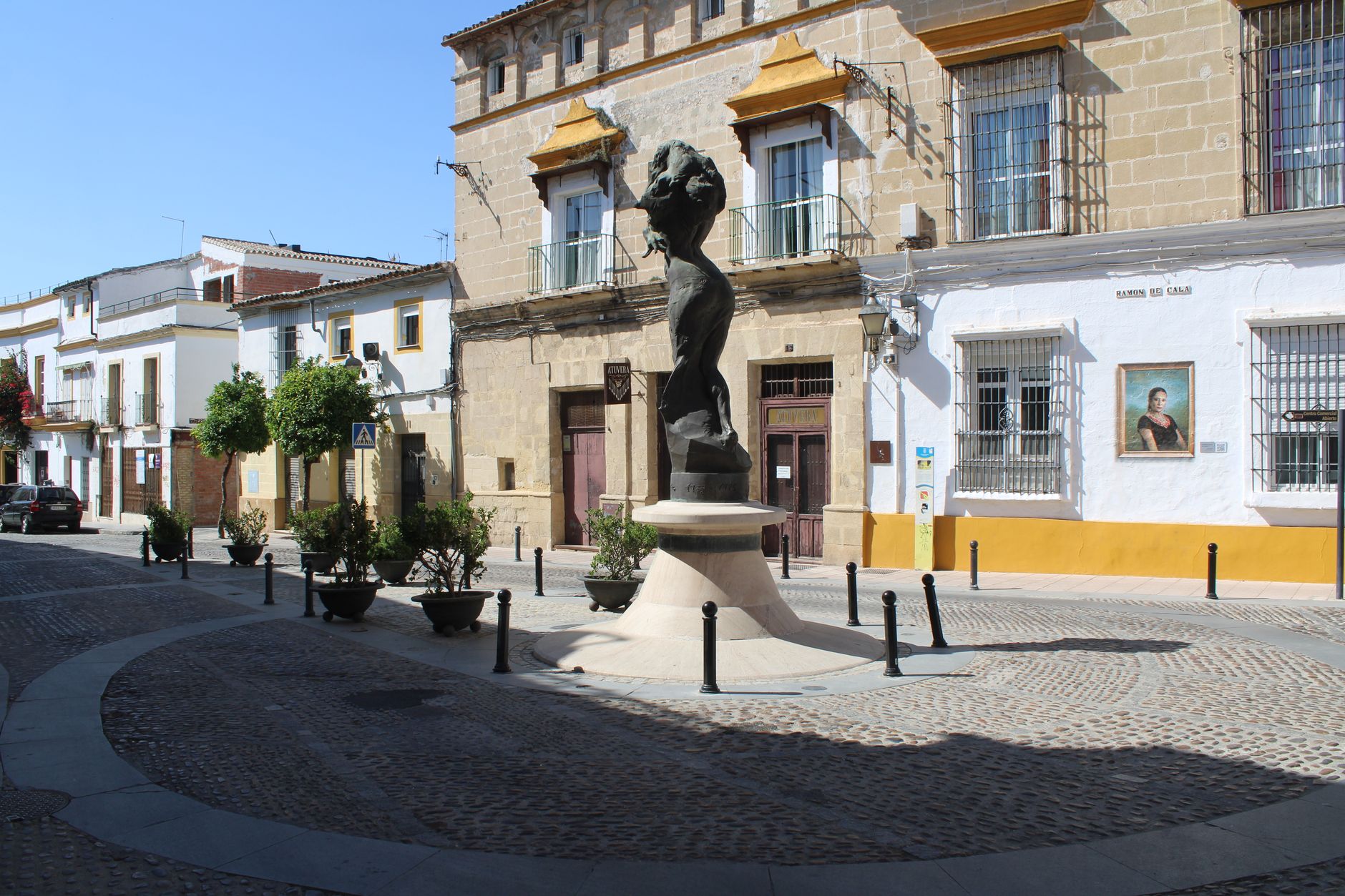
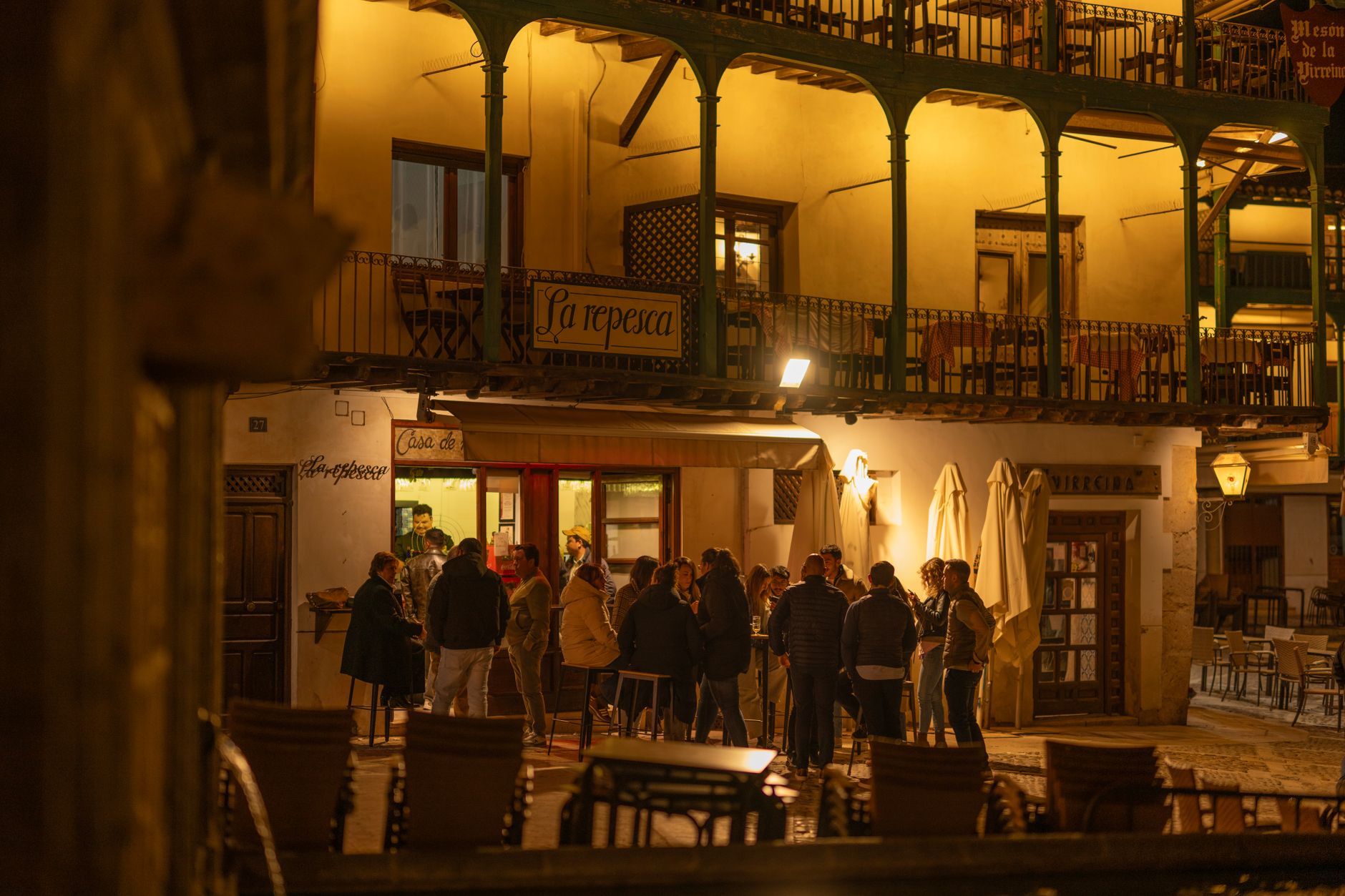

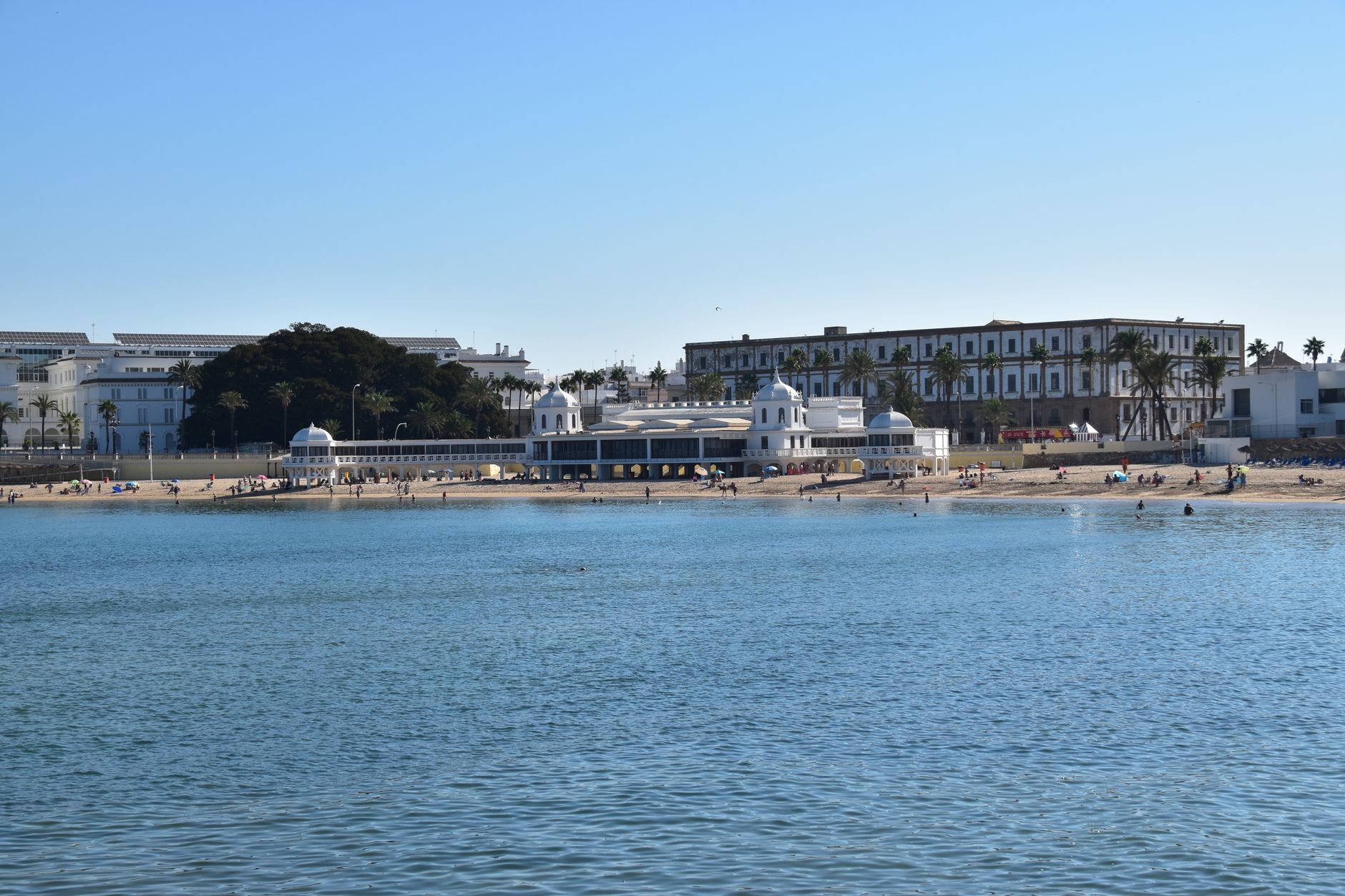
Stand on the Plaza Mayor and you'll notice the Torre del Reloj — an 18th-century clock tower the locals call Arquillo del Reloj — keeping time over a square that has seen Napoleonic sieges, feudal lords and, more recently, the opening of a sherry and salt museum in a converted bodega. Chiclana de la Frontera sits at the southern edge of the Bay of Cádiz, where six kilometres of Atlantic beach meet a town whose streets still carry the geometry of a medieval grant.
Out on the Isla de Sancti Petri, a castle built on the ruins of a Phoenician temple to Melqart rises from the water, and a lighthouse has been warning sailors off the rocks since the 16th century. The town holds its own identity with quiet confidence — part working Andalusian municipality, part coastal retreat.
💛 What travellers fall for
People who come back tend to time it around the old town rather than just the beach. The baroque doorway of the Convent of Jesús Nazareno — those Italian Solomonic marble columns from around 1690 — rewards a second look. And the Trambahía tram to Cádiz, half an hour along the bay, has become something of a ritual for an easy evening out.
Deals in Chiclana de la Frontera
Book directly at the provider

How Chiclana de la Frontera came to be
Human settlement here reaches back to the Palaeolithic, but it was the Phoenicians, arriving around 1100 BCE, who left the first substantial mark — a sanctuary to the god Melqart on what is now the Isla de Sancti Petri. That temple was destroyed in a rebellion in 1145, and the castle that eventually rose on its ruins became the landmark you can still see from the shore.
The town's modern shape began in 1303, when Alonso Pérez de Guzmán — warrior captain of Ferdinand IV of Castile — was granted the territory as a reward for service to the crown. His holdings in southern Spain seeded what would become the Dukedom of Medina Sidonia, and Chiclana remained a feudal possession of that house until full municipal independence arrived in 1876. In between, on 5 March 1811, an Anglo-Spanish force fought the French at the Battle of Barrosa, just five miles south of town, in a failed attempt to lift the siege of Cádiz.
Who and what shaped it
People who shaped it
Landmark buildings
See Chiclana de la Frontera in motion
Plan your visit
On the map
When to go
Summers are long, dry and genuinely hot — July and August regularly push above 30°C, which is fine if you're heading for La Barrosa but less comfortable for walking the old town. April through June and September through October offer warm, settled days with far fewer people on the beach.
Right now
Background & history adapted from Wikipedia (CC BY-SA) · specs from Wikidata (CC0) · weather from Open-Meteo · map data © OpenStreetMap contributors · photos from Wikimedia Commons / Unsplash with per-image credit. No third-party reviews or social posts reproduced.