
Centro Histórico
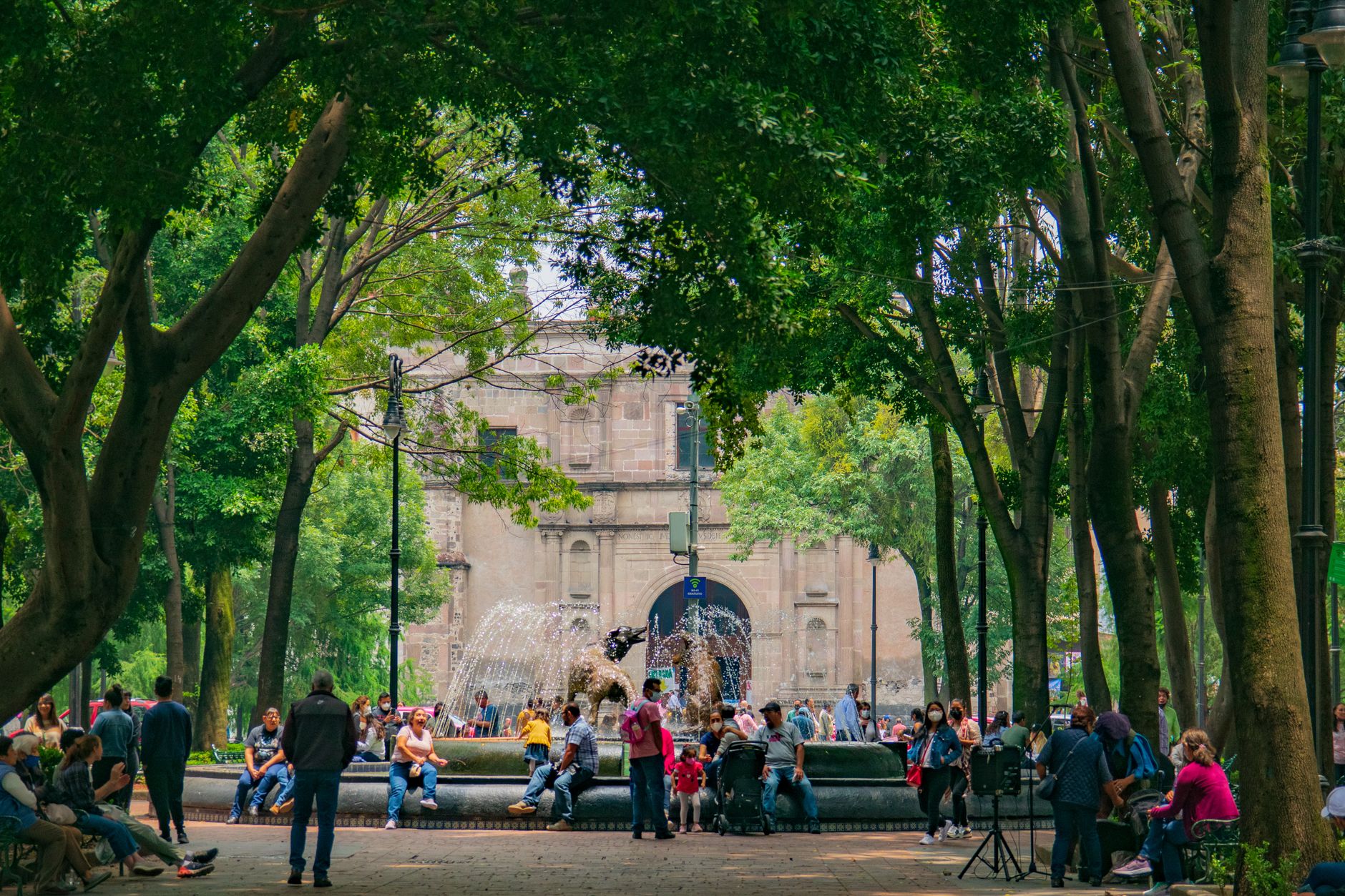
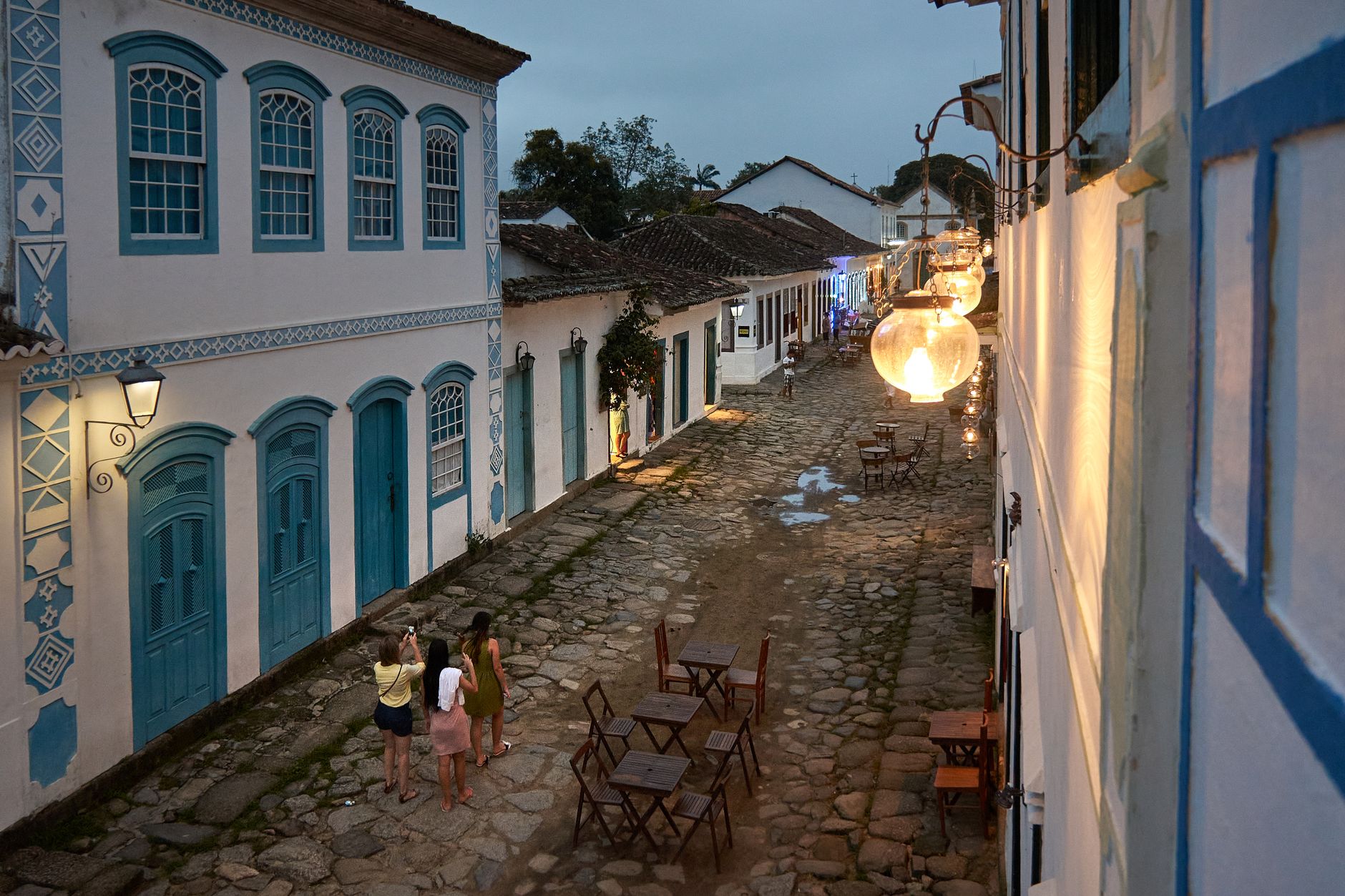
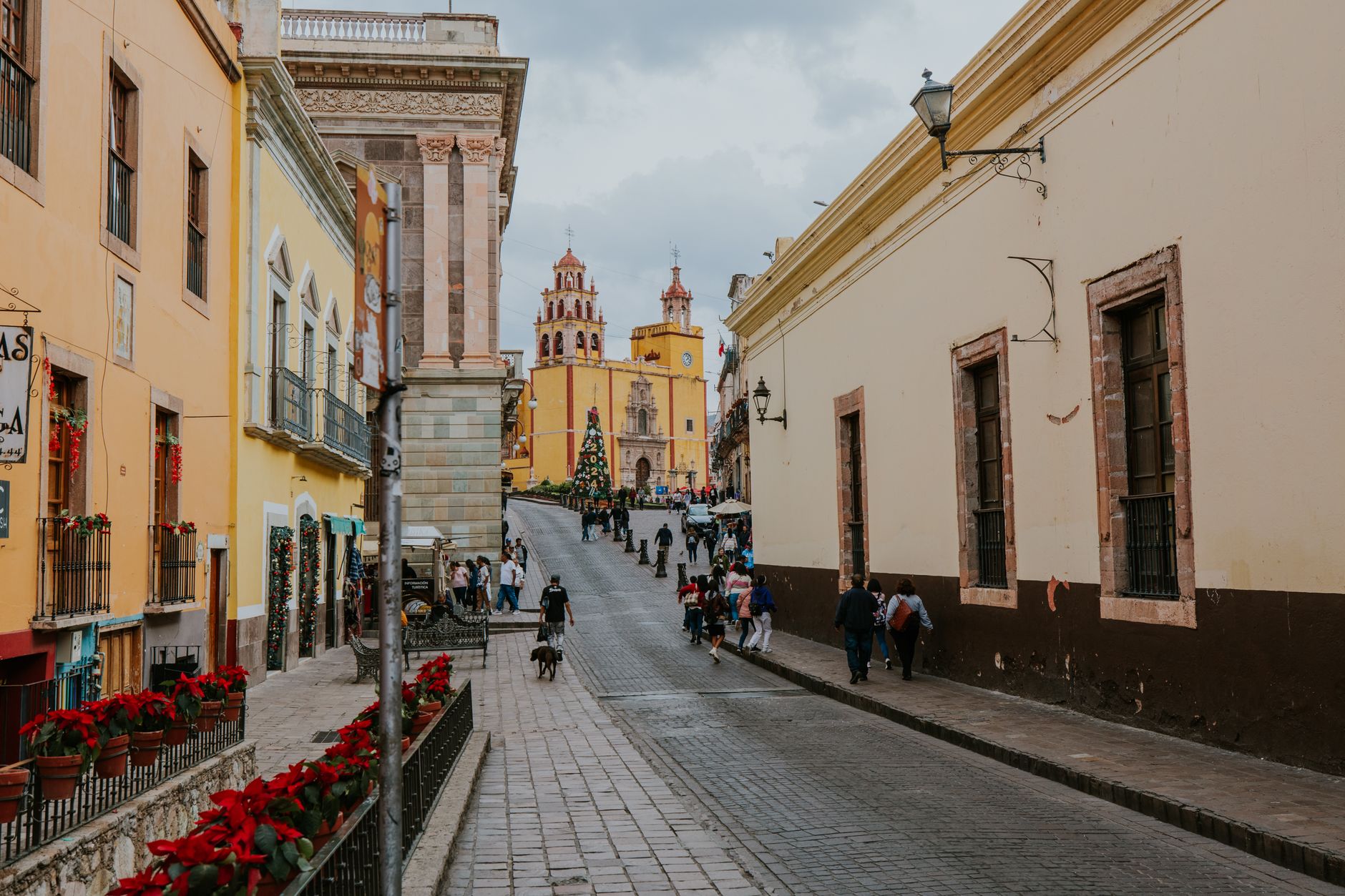
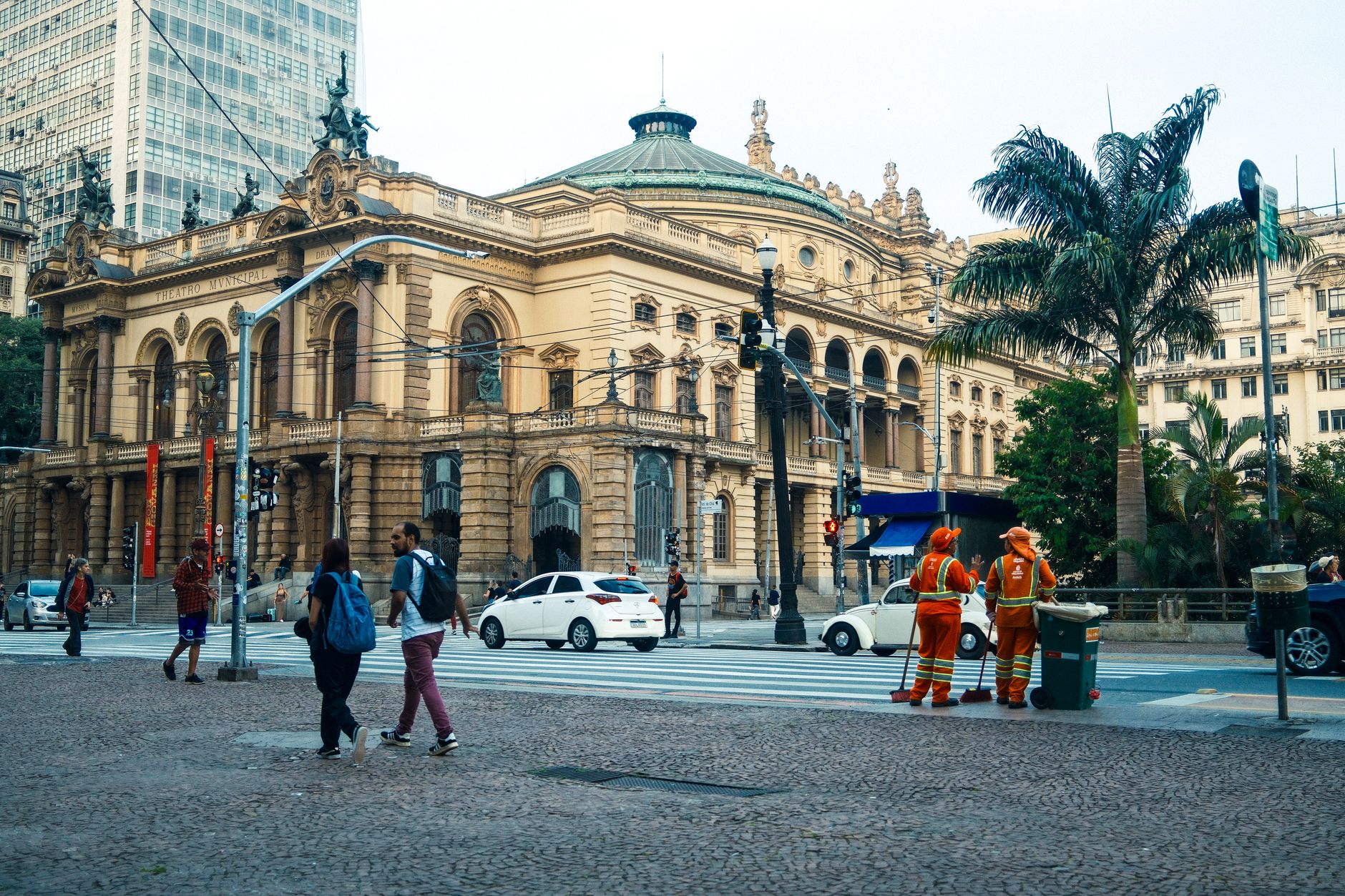
Stand in the Zócalo at any hour and you are standing on seven centuries of city — Aztec foundations beneath Spanish stone beneath a 57,600-square-metre square that can swallow nearly 100,000 people without feeling full. The Metropolitan Cathedral took over two hundred years to finish, and it was built from rocks pulled out of the very temples it replaced. That compression of time and violence and reinvention is what Centro Histórico is made of.
Almost everything here is within walking distance of that square: the Templo Mayor excavation site where the Mexica capital surfaces through the pavement, the Diego Rivera murals inside the Palacio Nacional, the Palacio de Bellas Artes with its Tiffany glass curtain made from nearly a million pieces of iridescent glass. One concentrated square kilometre holds more contested, layered history than most countries manage across their entire territory.
💛 What travellers fall for
People who return tend to go straight to the Palacio Nacional on a Friday — free guided tours run noon to five, and the Rivera murals reward a second and third look. The Casa de los Azulejos stops them every time too: the 18th-century blue-and-white Talavera tile façade is one of those things that photographs can't quite account for.
Deals in Centro Histórico
Book directly at the provider

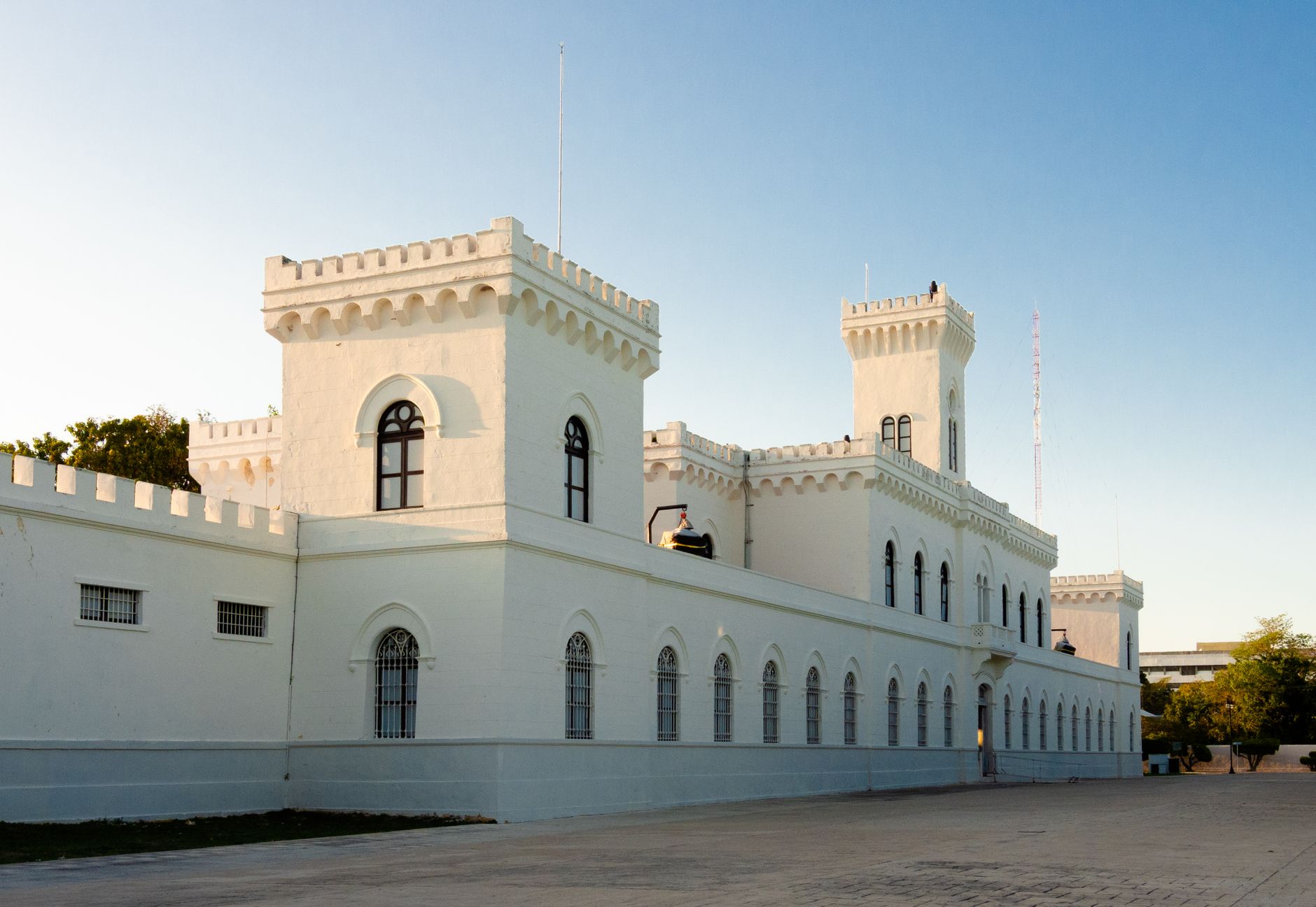
How Centro Histórico came to be
The Mexica founded Tenochtitlan on a lake island around 1325, and by the time Hernán Cortés's forces defeated them in 1521 it was one of the largest cities in the world. The Spanish didn't build beside it — they built on top of it, using the rubble of Aztec temples as raw material. Alonso Garcia Bravo supervised much of that rebuilding, and the colonial grid he laid down over the ruins became the bones of what you walk today.
Three hundred years of Spanish rule left most of the architecture you see standing. The 20th century added another layer: in the 1930s, Diego Rivera collaborated with the Mexican government to fill major public buildings with murals that reread the country's history from pre-Hispanic times through Revolution. In 1987 UNESCO designated the whole centre a World Heritage Site, and in 2000 Carlos Slim established the Fundación Centro Histórico to slow the decay that designation alone couldn't stop.
Who and what shaped it
People who shaped it
Landmark buildings
See Centro Histórico in motion
Plan your visit
On the map
When to go
The driest and most comfortable months run November through April — cool mornings around 7–14°C and afternoons that rarely exceed 25°C. June through September brings reliable afternoon rain; it usually passes quickly, but a light layer and some flexibility in your schedule help.
Right now
Background & history adapted from Wikipedia (CC BY-SA) · specs from Wikidata (CC0) · weather from Open-Meteo · map data © OpenStreetMap contributors · photos from Wikimedia Commons / Unsplash with per-image credit. No third-party reviews or social posts reproduced.