
Cebu

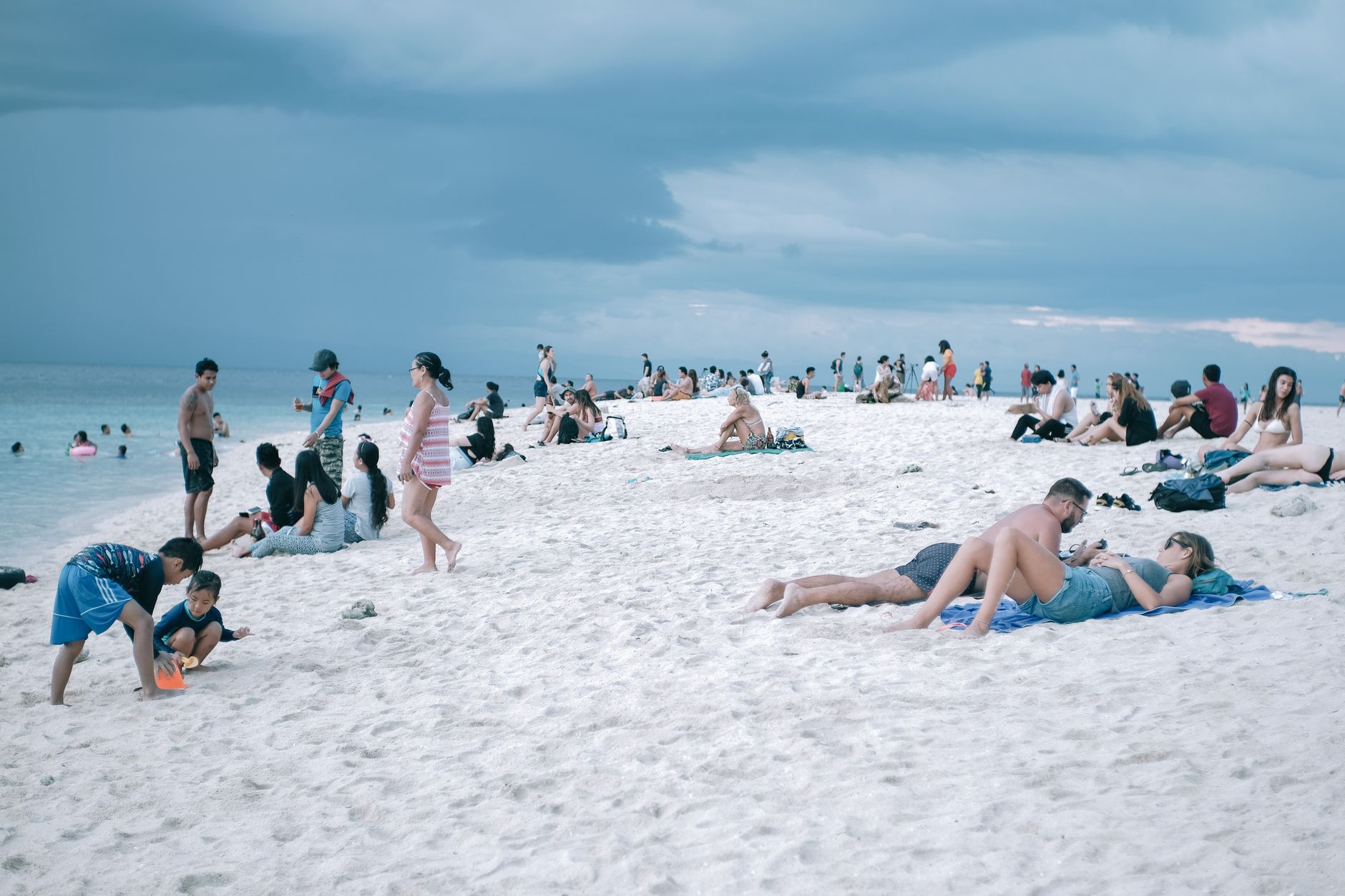
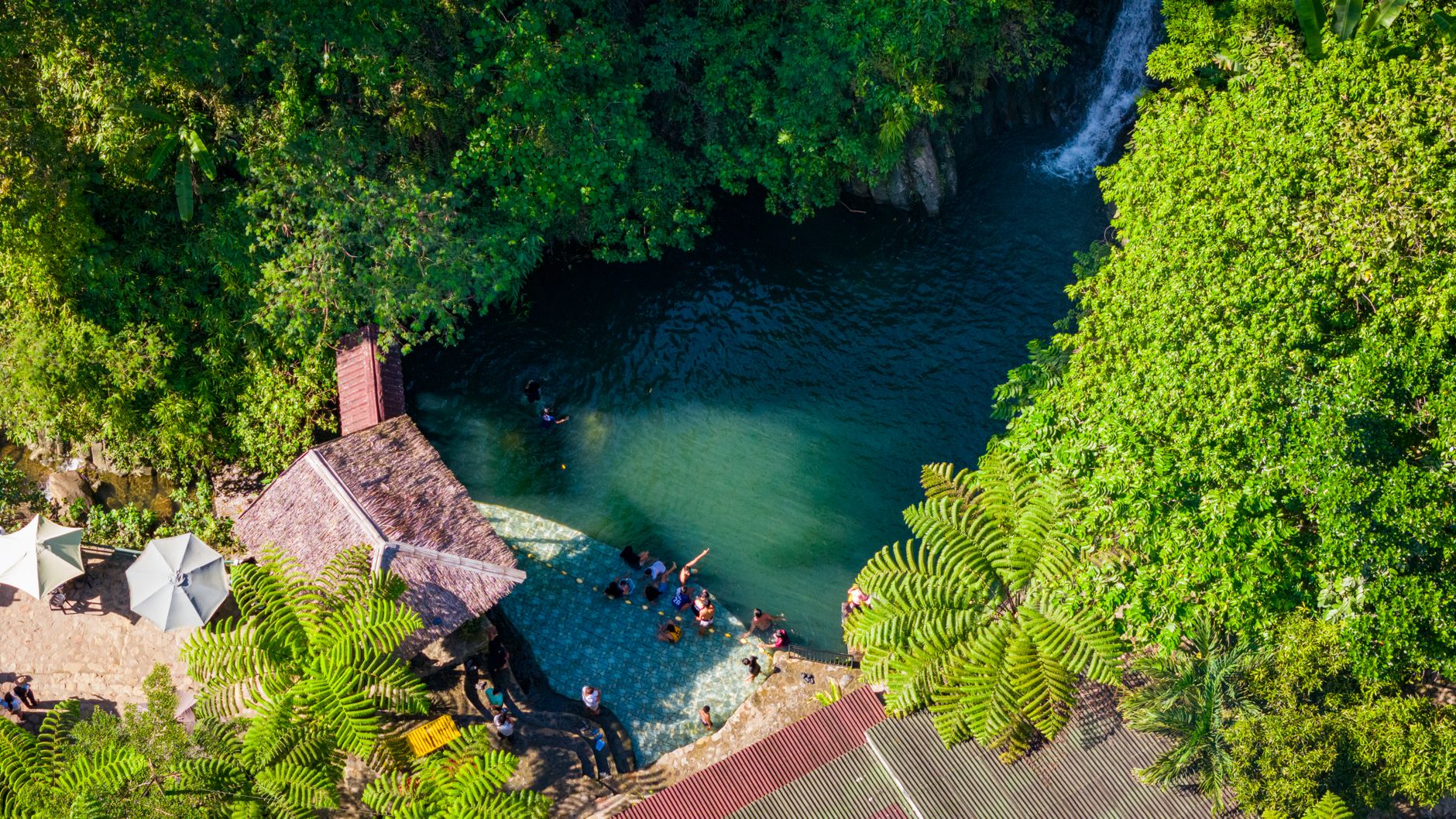
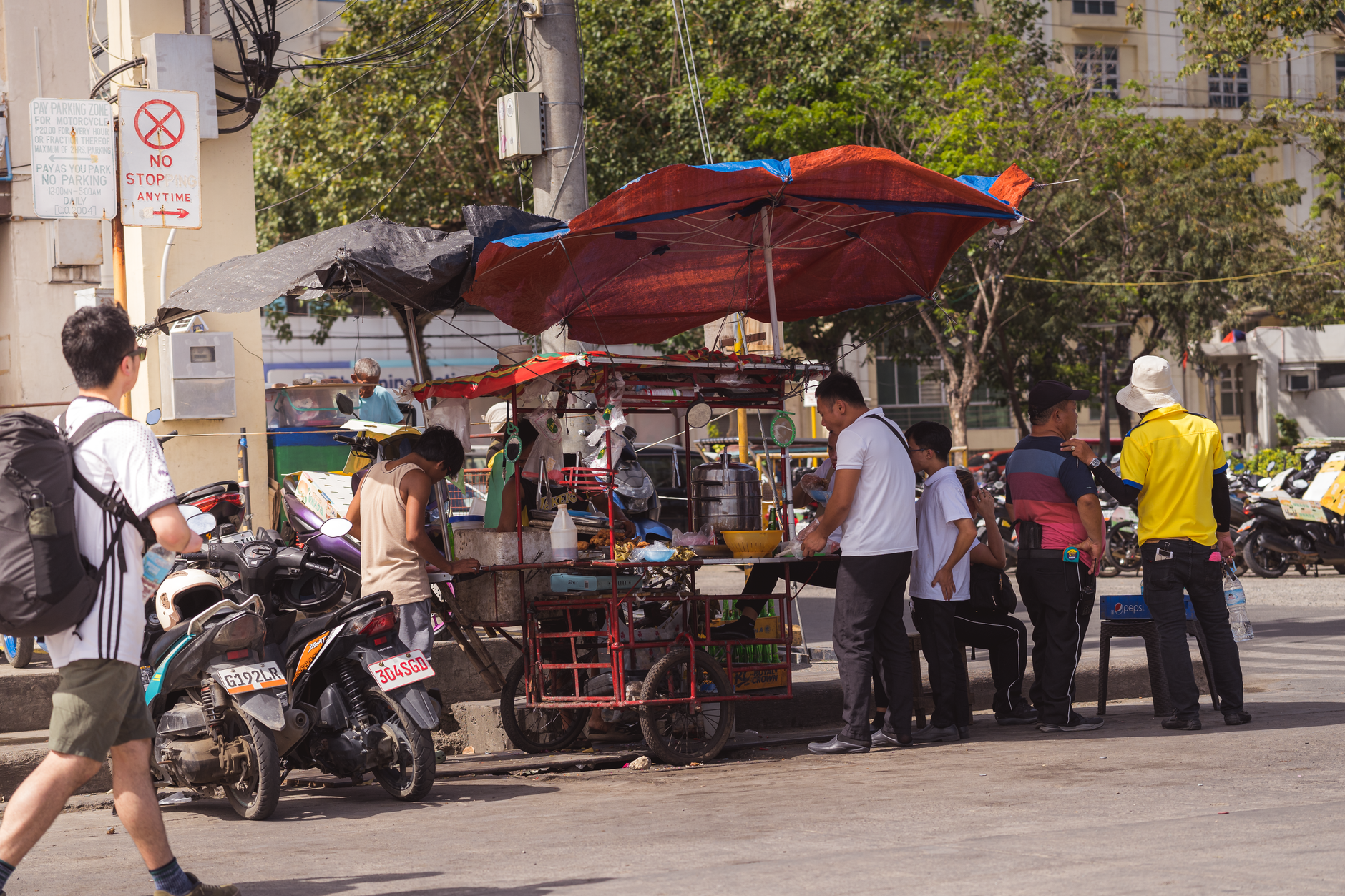
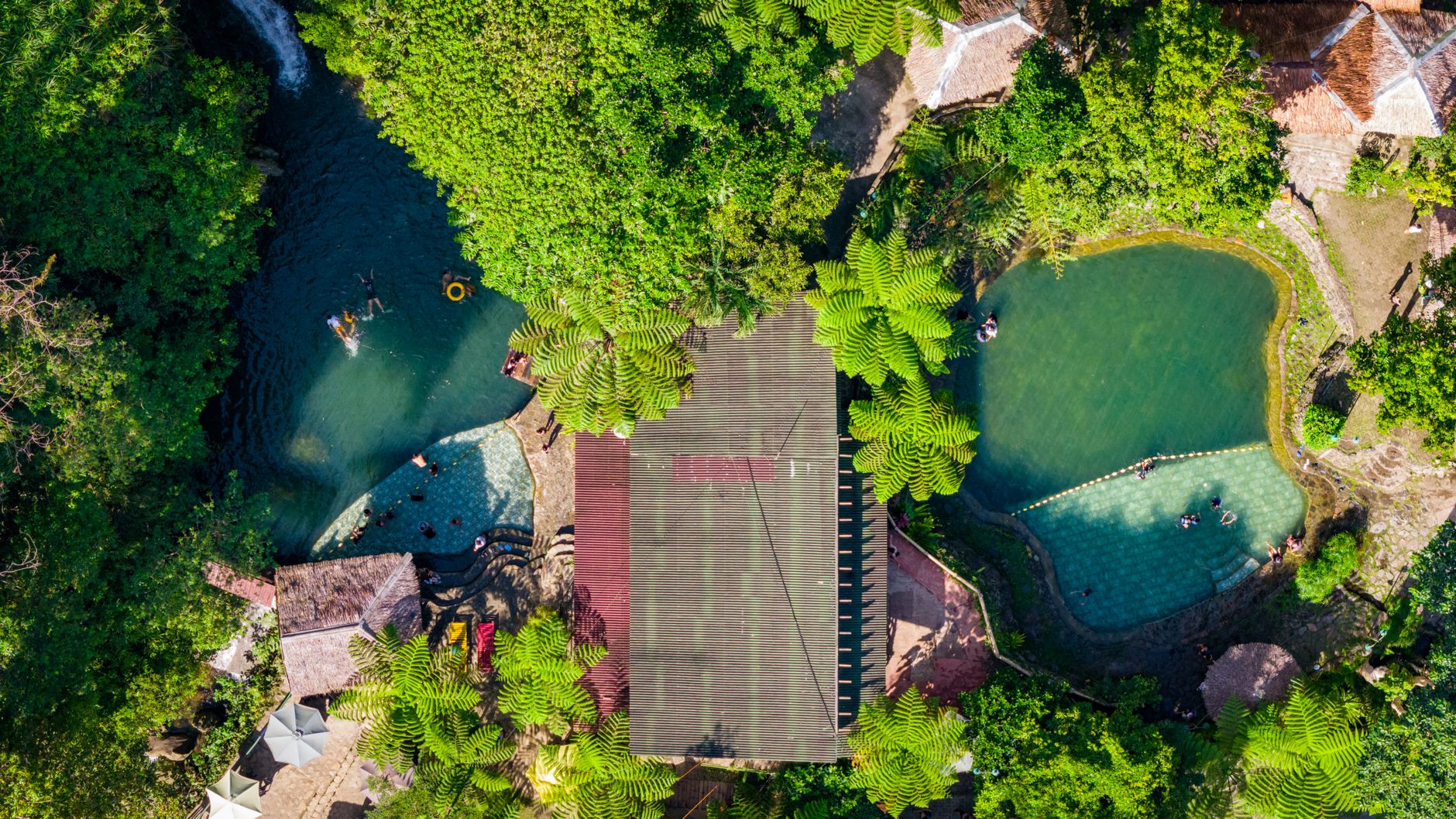

Cebu is the oldest city in the Philippines, and it carries that age in layers you can actually touch — a cross planted by Magellan in 1521, a fort the Spanish raised from coral stone the same year, a street that has been a street longer than any other in the country. The island province sits at the centre of the Visayas, with a long spine of mountains and a coastline that gives way to the Camotes Sea on one side and the Tañon Strait on the other.
The city itself is a working port that has been trading for over a thousand years, first as the Indianized kingdom of Sugbu, later as the first capital of Spanish colonial power in the archipelago. That history is concentrated in a few walkable blocks downtown, while the rest of the province stretches south toward dive sites and north toward quieter roads.
How Cebu came to be
Before any European ship appeared on the horizon, Cebu was already a port of consequence. The kingdom of Sugbu, founded by Sri Lumay — a half-Malay, half-Tamil ruler from Sumatra — had been trading across the region since at least the 10th century. Ferdinand Magellan arrived on April 7, 1521, made a blood compact with the ruling Rajah Humabon, and planted a Christian cross. Weeks later, the Datu Lapu-Lapu killed him at the Battle of Mactan — an act that made Lapu-Lapu the first figure recognised as a national hero of the Philippines.
The Spanish returned in force. Miguel López de Legazpi and the friar Andrés de Urdaneta landed on April 27, 1565, and founded both the first permanent Spanish settlement and the first Roman Catholic mission in the archipelago. For six years, until Legazpi moved the colonial capital north to Manila, Cebu was the seat of Spanish power in the islands.
Who and what shaped it
People who shaped it
Landmark buildings
See Cebu in motion
Plan your visit
On the map
When to go
Cebu has a tropical wet-dry pattern: January through April is dry, with December to February bringing slightly cooler air — the most comfortable time to be outdoors. The wet season runs May to December, with August through October typically the rainiest stretch.
Right now
Background & history adapted from Wikipedia (CC BY-SA) · specs from Wikidata (CC0) · weather from Open-Meteo · map data © OpenStreetMap contributors · photos from Wikimedia Commons / Unsplash with per-image credit. No third-party reviews or social posts reproduced.