
Castelsardo
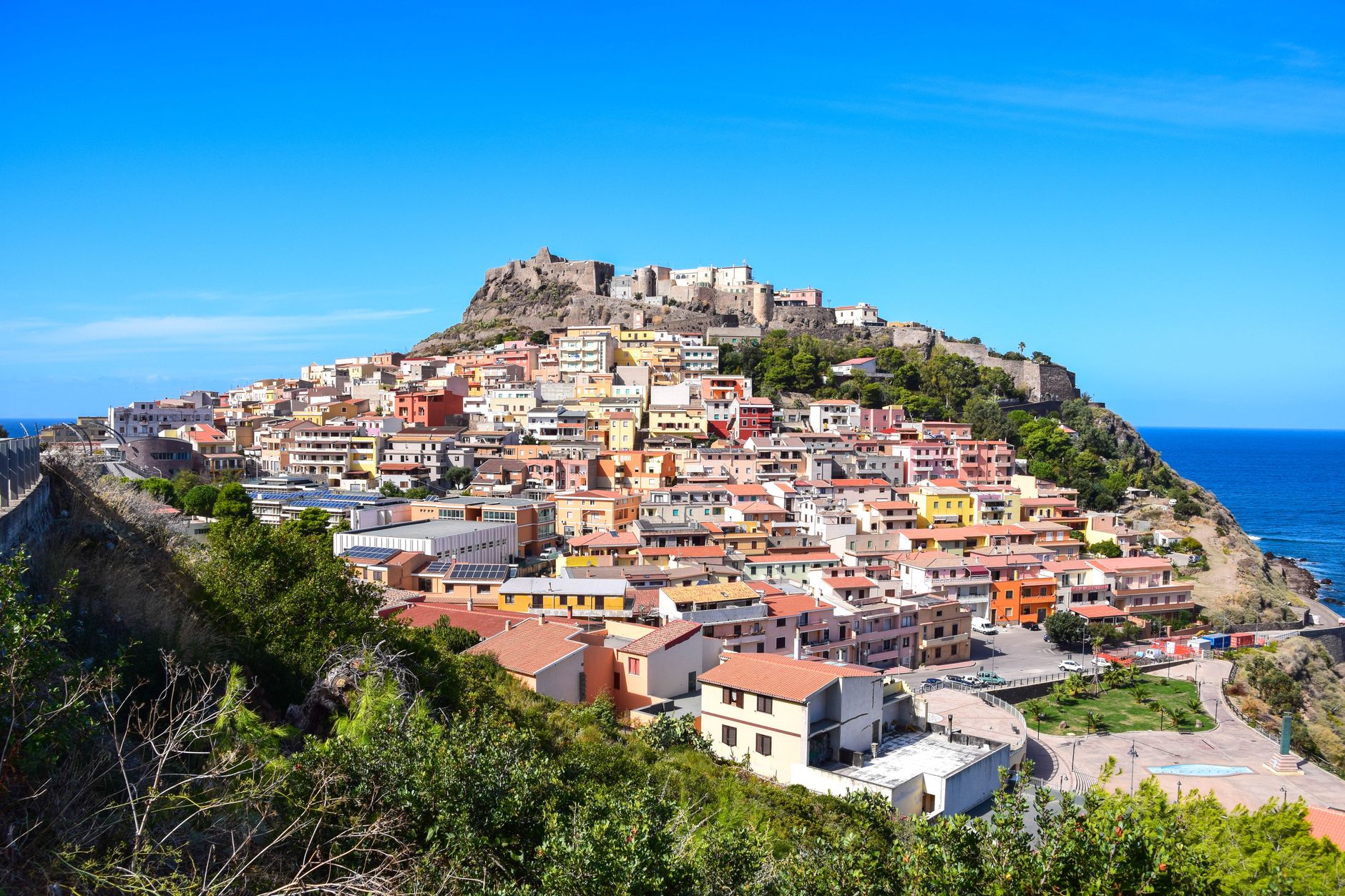
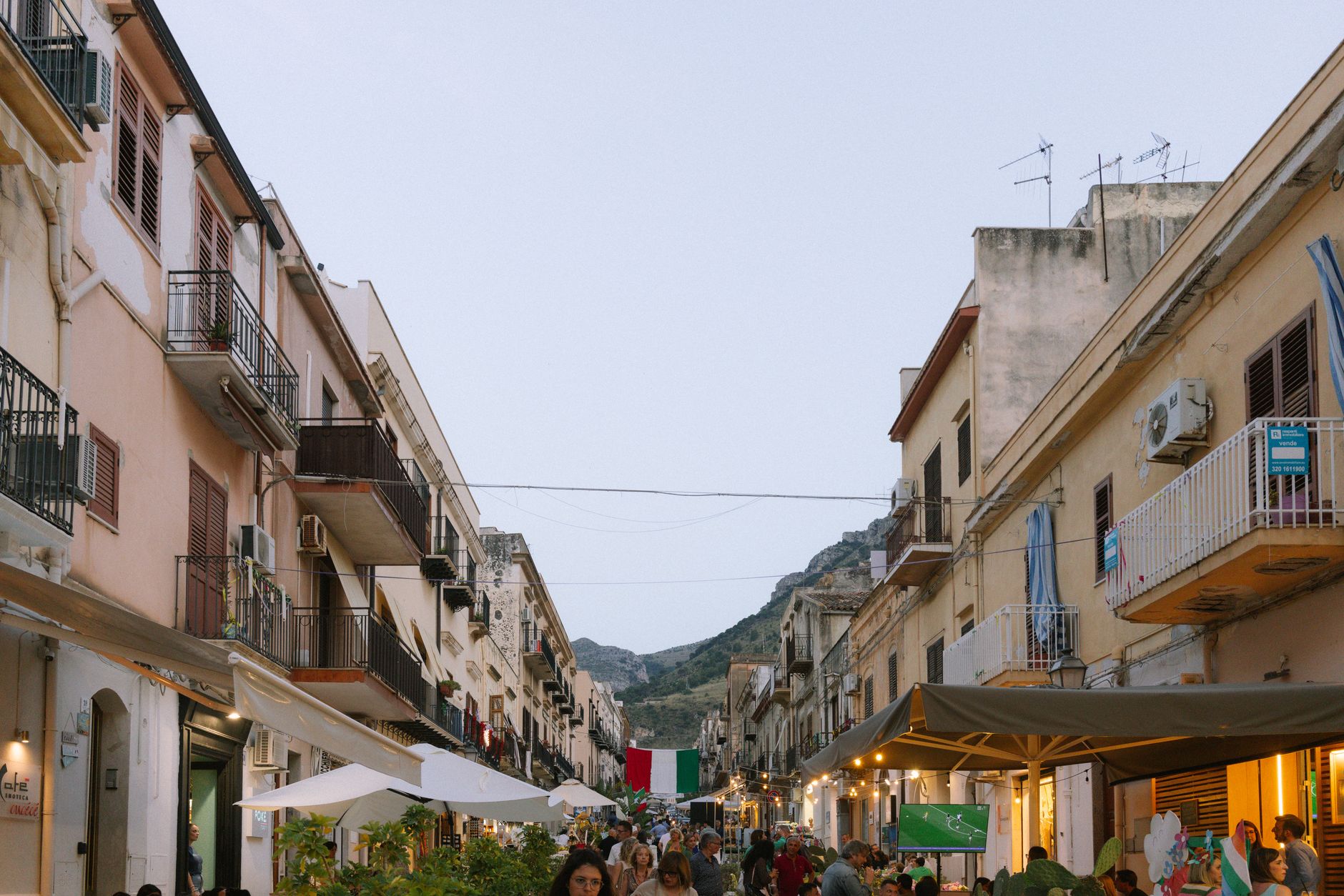
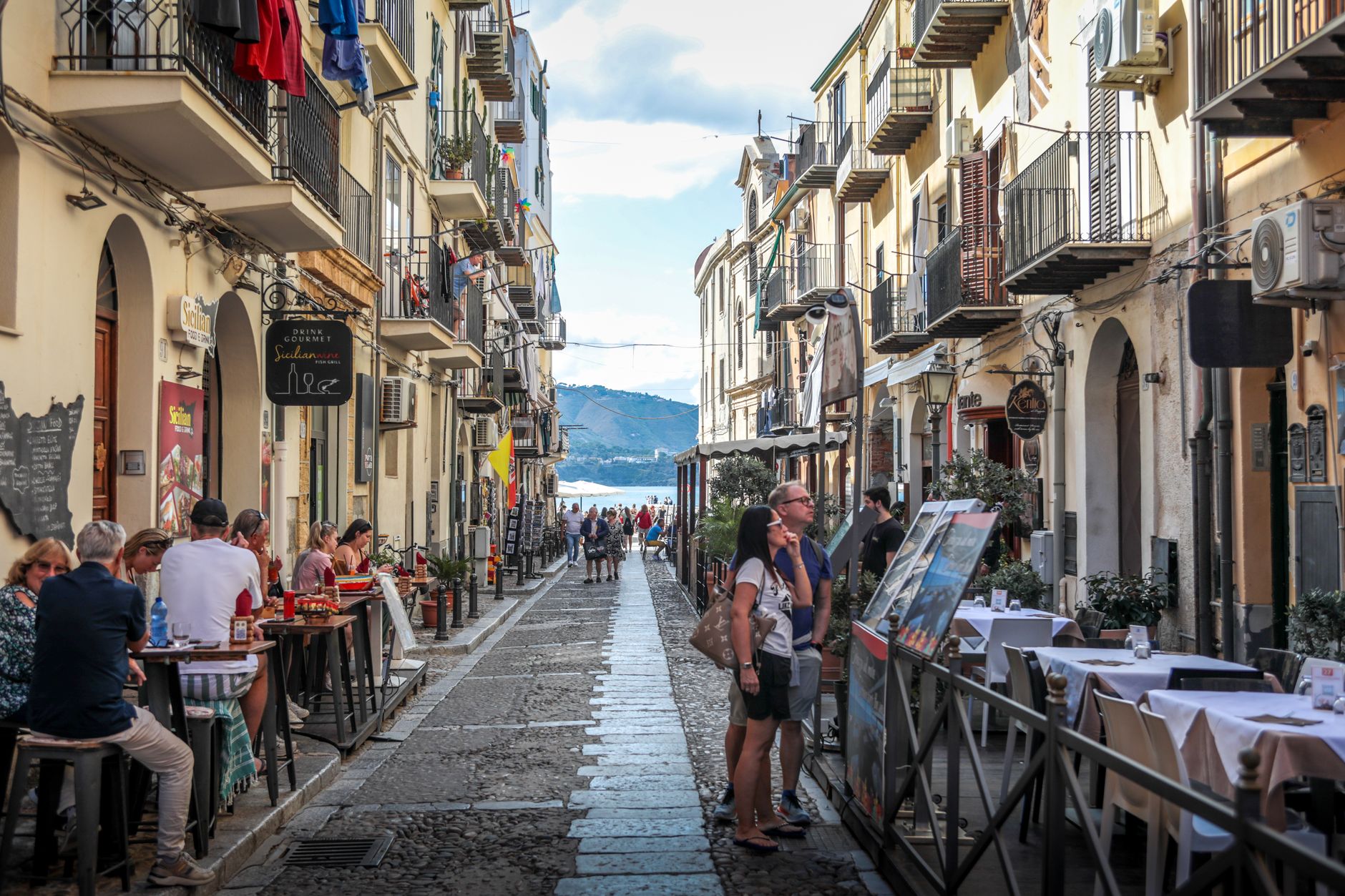
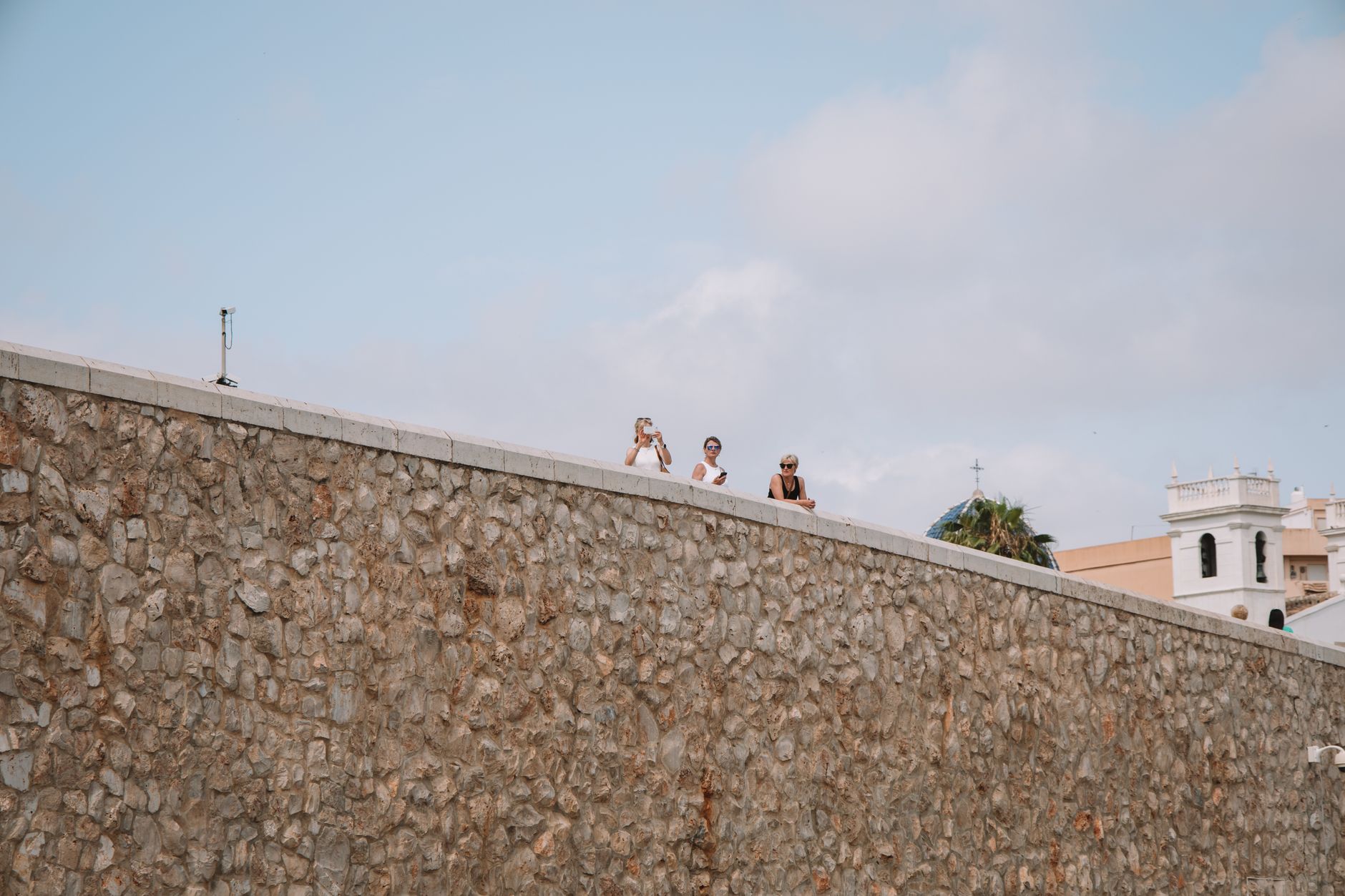
Castelsardo sits on a volcanic promontory above the Gulf of Asinara, its medieval streets stacking upward toward a Genoese castle that has watched over this stretch of Sardinian coastline for the better part of a millennium. The old town is compact and steep — stone lanes barely wide enough for two people, punctuated by the occasional cat and the smell of sea air coming in hard off the gulf.
Below the battlements, the Co-Cathedral of Sant'Antonio Abate holds frescoes and an anonymous fifteenth-century painter known only as the Maestro di Castelsardo, whose identity has never been confirmed. A few kilometres south, a four-metre boulder shaped by wind into the unmistakable silhouette of an elephant contains tombs that predate the pyramids.
💛 What travellers fall for
People who come back tend to mention two things: arriving early before the tour buses reach the castle, and stopping at Roccia dell'Elefante on the way out — it costs nothing and takes twenty minutes, but the Bronze Age tombs carved into the rock stay with you longer than most ticketed sites.
Experiences you don't want to miss


Deals in Castelsardo
Book directly at the providerHow Castelsardo came to be
The Doria family of Genoa raised a castle here in the late thirteenth century — though a founding date of 1102 persists in local tradition, it traces back to a misreading by the sixteenth-century historian Giovanni Francesco Fara. The earliest written record is a 1272 letter from Carlo d'Angiò to Genoa. The town was then called Castelgenovese, and it became closely tied to Brancaleone III Doria, who married Eleonora d'Arborea — the Sardinian jurist behind the Carta de Logu, one of medieval Europe's earliest legal codes — and lived here until his death in 1408.
The Aragonese took the town in 1448 and renamed it Castillo Aragonés, leaving behind seventeen watchtowers that still ring the promontory. The current name came later, in 1767, under the Savoyard king Charles Emmanuel III.
Who and what shaped it
People who shaped it
Landmark buildings
See Castelsardo in motion
Plan your visit
On the map
When to go
Summers are hot and dry, with August averaging around 28°C — pleasant on the water but tiring on the steep old-town streets at midday. February is the coolest month at around 14°C; the shoulder months of April, May, and October offer mild temperatures and far fewer visitors.
Right now
Background & history adapted from Wikipedia (CC BY-SA) · specs from Wikidata (CC0) · weather from Open-Meteo · map data © OpenStreetMap contributors · photos from Wikimedia Commons / Unsplash with per-image credit. No third-party reviews or social posts reproduced.