
Carinthia
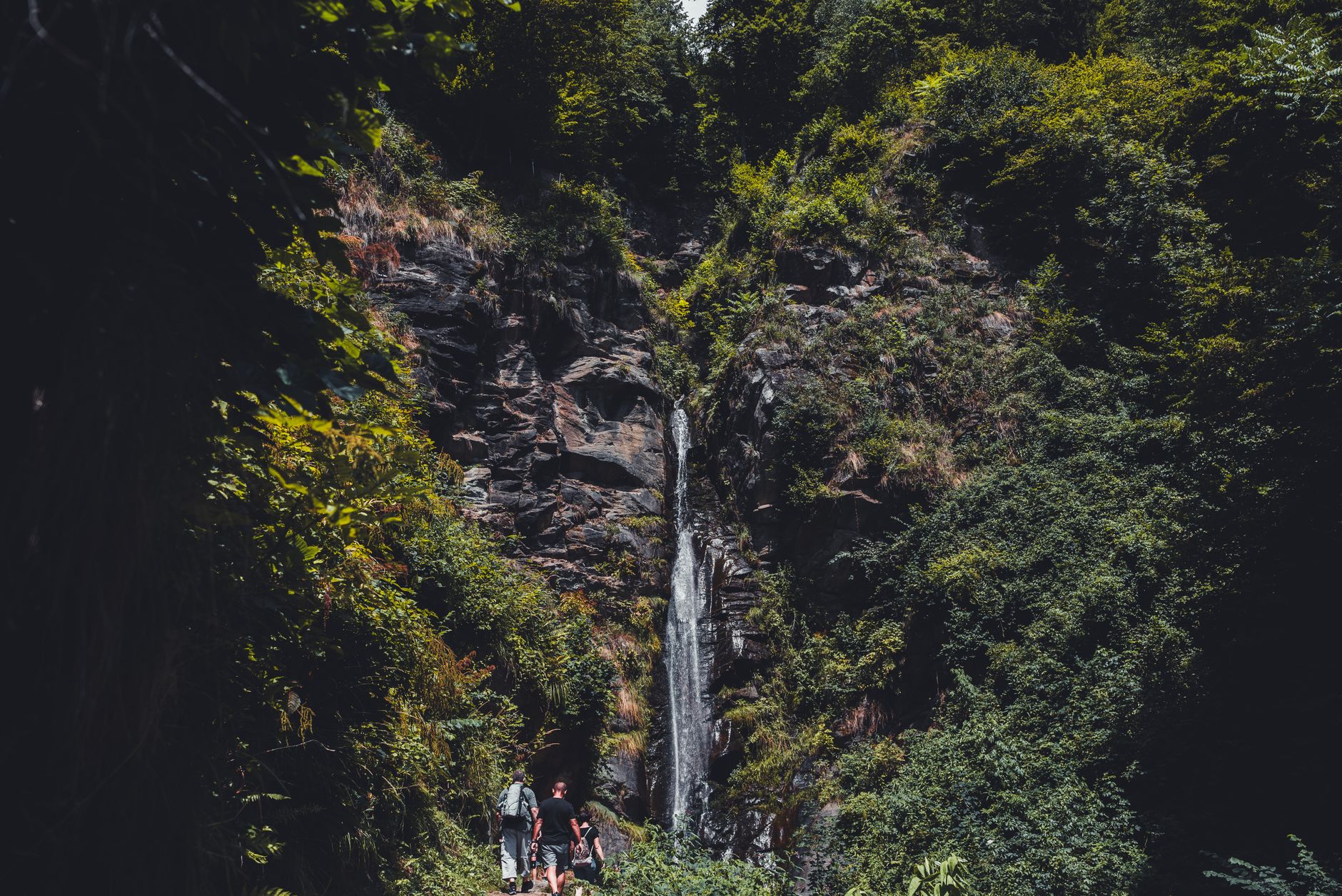
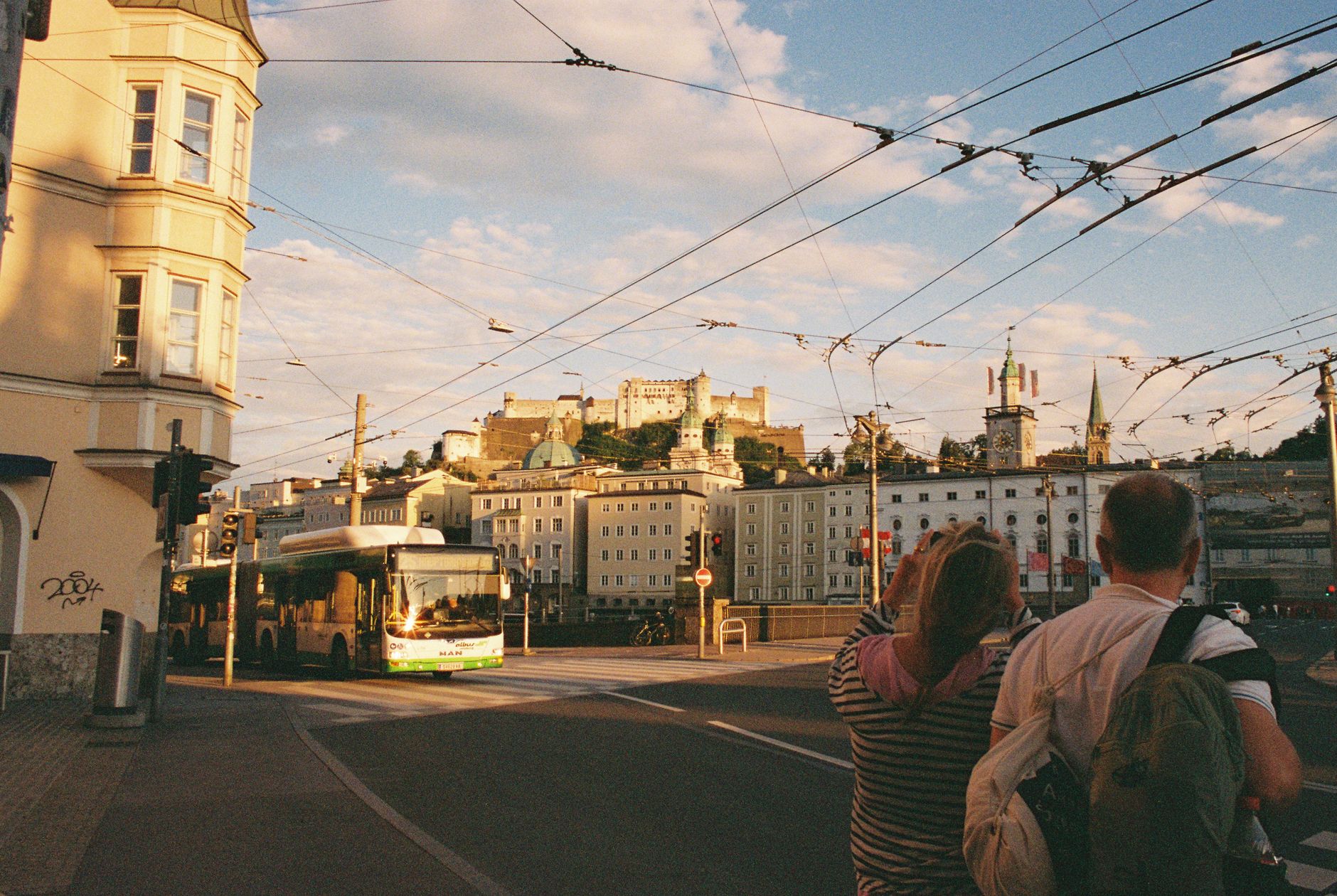
Carinthia sits at Austria's southern edge, where the Alps ease down toward Slovenia and Italy, and the valleys open into a chain of warm, clear lakes. In July the sun holds for nine hours a day — more than anywhere else in Austria — and the water in Wörthersee reaches temperatures that make swimming genuinely appealing rather than aspirational.
The region rewards slow movement. Hilltop castles with fourteen defensive gates, an eleventh-century Benedictine abbey whose library still holds medieval manuscripts, a wooden viewing tower that puts the entire lake district beneath your feet — the landmarks here are specific and unhurried, and the distances between them are short enough to make a day feel generous.
How Carinthia came to be
Carinthia's roots stretch back to the seventh-century Slavic principality of Carantania. In 976, Emperor Otto II separated it from Bavaria and made it the first newly created Imperial State outside the original German stem duchies — a constitutional distinction that gave the territory its own identity early. The Habsburgs arrived in 1335, when Emperor Louis the Bavarian granted Carinthia to the family in Linz, beginning a rule that would last until the empire itself collapsed.
Napoleon briefly interrupted that continuity: in 1809, the Villach area was absorbed into his Illyrian Provinces, though it returned to Habsburg hands by 1849. The region's modern borders were settled not by war but by ballot — the October 1920 plebiscite, held after the First World War's redrawing of Central Europe, confirmed that the main part of the former duchy would remain Austrian.
Who and what shaped it
People who shaped it
Landmark buildings
See Carinthia in motion
Plan your visit
On the map
When to go
Summers run warm and sunny — July averages 22°C with long bright days — though August brings the year's heaviest rainfall, so a dry morning can turn wet by afternoon. Winters are long and cold, with January highs hovering around freezing and reliable snow cover for the ski season.
Right now
Background & history adapted from Wikipedia (CC BY-SA) · specs from Wikidata (CC0) · weather from Open-Meteo · map data © OpenStreetMap contributors · photos from Wikimedia Commons / Unsplash with per-image credit. No third-party reviews or social posts reproduced.