
Carbonia
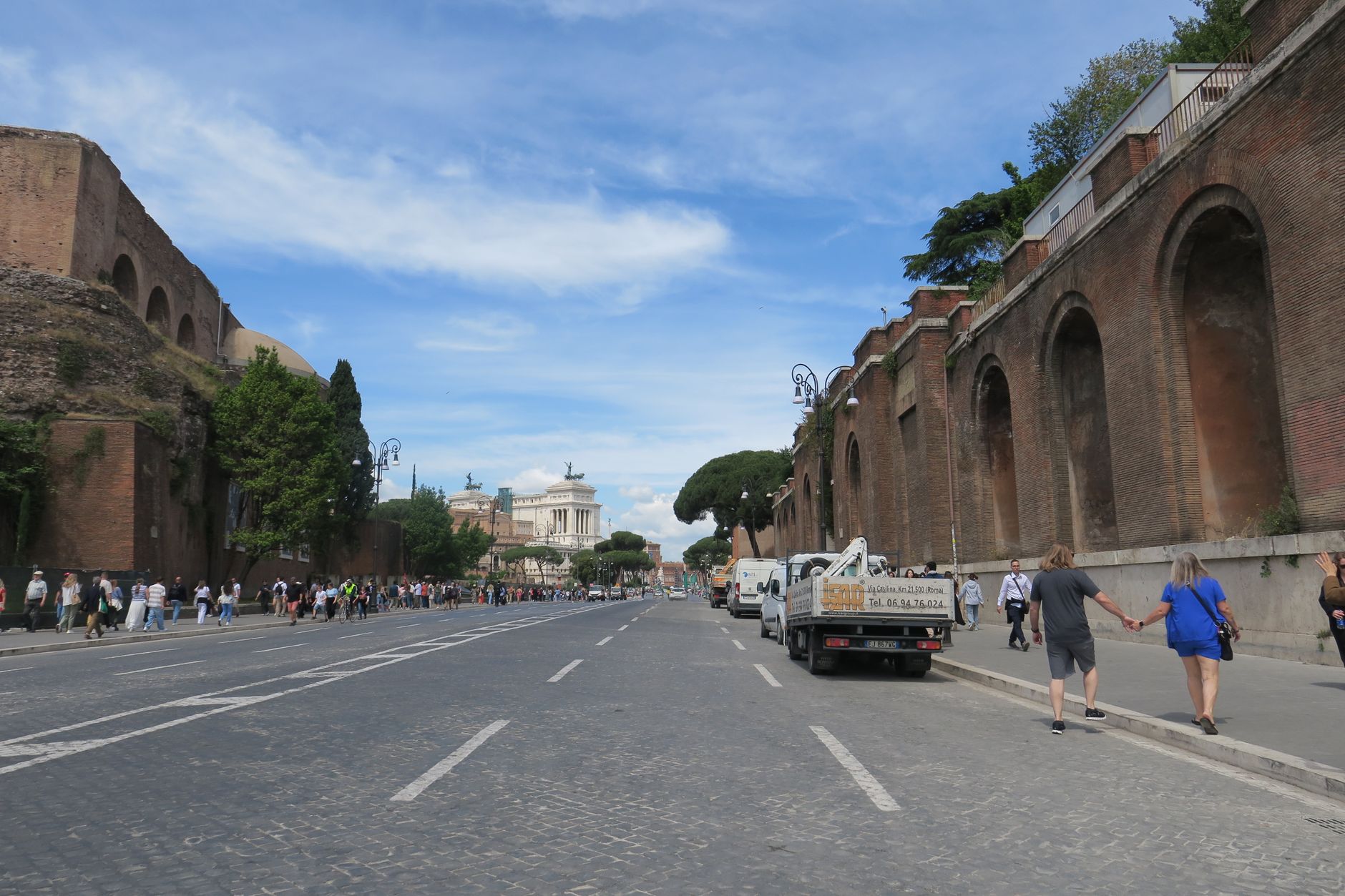
Carbonia was built in a hurry, and you can still feel it. The city rose from Sardinian scrubland in just over a year — inaugurated on 18 December 1938 by Mussolini himself — its streets laid out with the geometric confidence of a regime that believed coal would make Italy self-sufficient. The name says it plainly: carbone, coal.
The mines closed in the 1970s, and the population has been falling ever since, down to around 25,000 today. What's left is a remarkably intact piece of rationalist urban planning — wide axial streets converging on a central square, a tower, a church with a 45-metre bell-tower in granite and trachyte — and, at the edge of town, the vast mine itself, now a museum.
💛 What travellers fall for
People who come back tend to go straight to the Grande Miniera at Serbariu before the tour groups arrive. The museum opened in 2006 inside the restored mining complex, and the scale of it — nine wells, a hundred kilometres of tunnels — takes a moment to absorb. Then they walk the three main axes back toward Piazza Roma, which is less a stroll than a lesson in how a city was designed to keep its hierarchies legible.
Experiences you don't want to miss


Deals in Carbonia
Book directly at the provider

How Carbonia came to be
The city was planned between 1937 and 1938 by architects Ignazio Guidi and Cesare Valle, with Gustavo Pulitzer Finali contributing to the design. The layout was not arbitrary: the three main streets converged on the Grande Miniera of Serbariu, making the mine the literal and symbolic centre of town. Residential quarters were divided by rank — managers near the centre, mine workers on the periphery — a hierarchy written in stone and distance.
At its peak during the Second World War, Carbonia held 60,000 people. Even under fascism, the miners pushed back: between 1940 and 1943 they staged what became one of the first strikes in Italy during those two decades of rule. When the mines finally closed in the 1970s, the city's reason for existing effectively ended with them. Monte Sirai, a Phoenician settlement on a hill a few kilometres away and established in the 8th century BC, is a reminder that people were drawn to this corner of Sardinia long before coal had a name.
Who and what shaped it
People who shaped it
Landmark buildings
See Carbonia in motion
Plan your visit
On the map
When to go
Summers are dry and can hit 32°C in August; winters are mild but wetter, with November the rainiest month. April, May, June, September and October give you temperatures between 20°C and 29°C — enough warmth to walk comfortably without the summer heat pressing down on you.
Right now
Background & history adapted from Wikipedia (CC BY-SA) · specs from Wikidata (CC0) · weather from Open-Meteo · map data © OpenStreetMap contributors · photos from Wikimedia Commons / Unsplash with per-image credit. No third-party reviews or social posts reproduced.