
Cancún
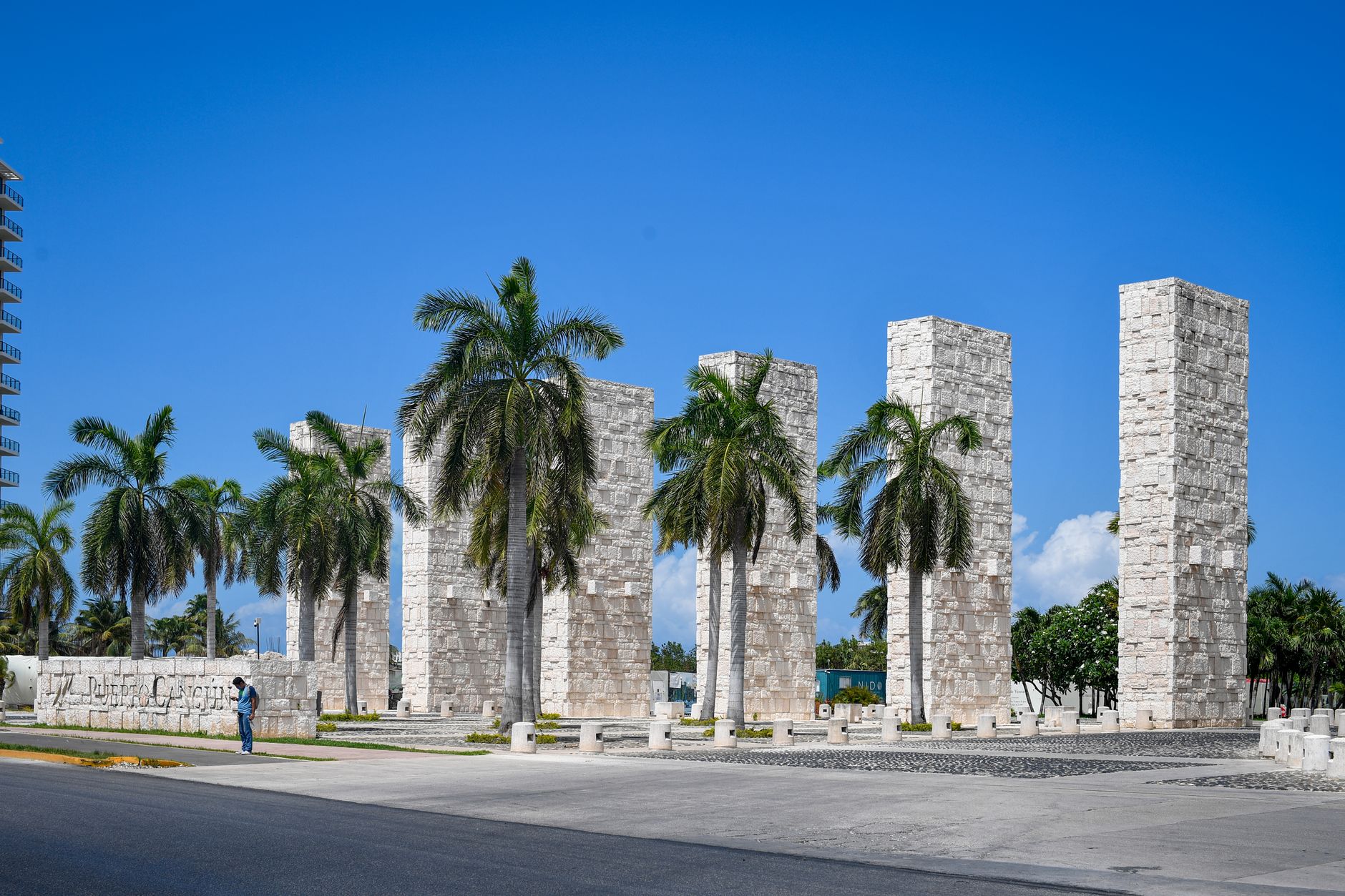
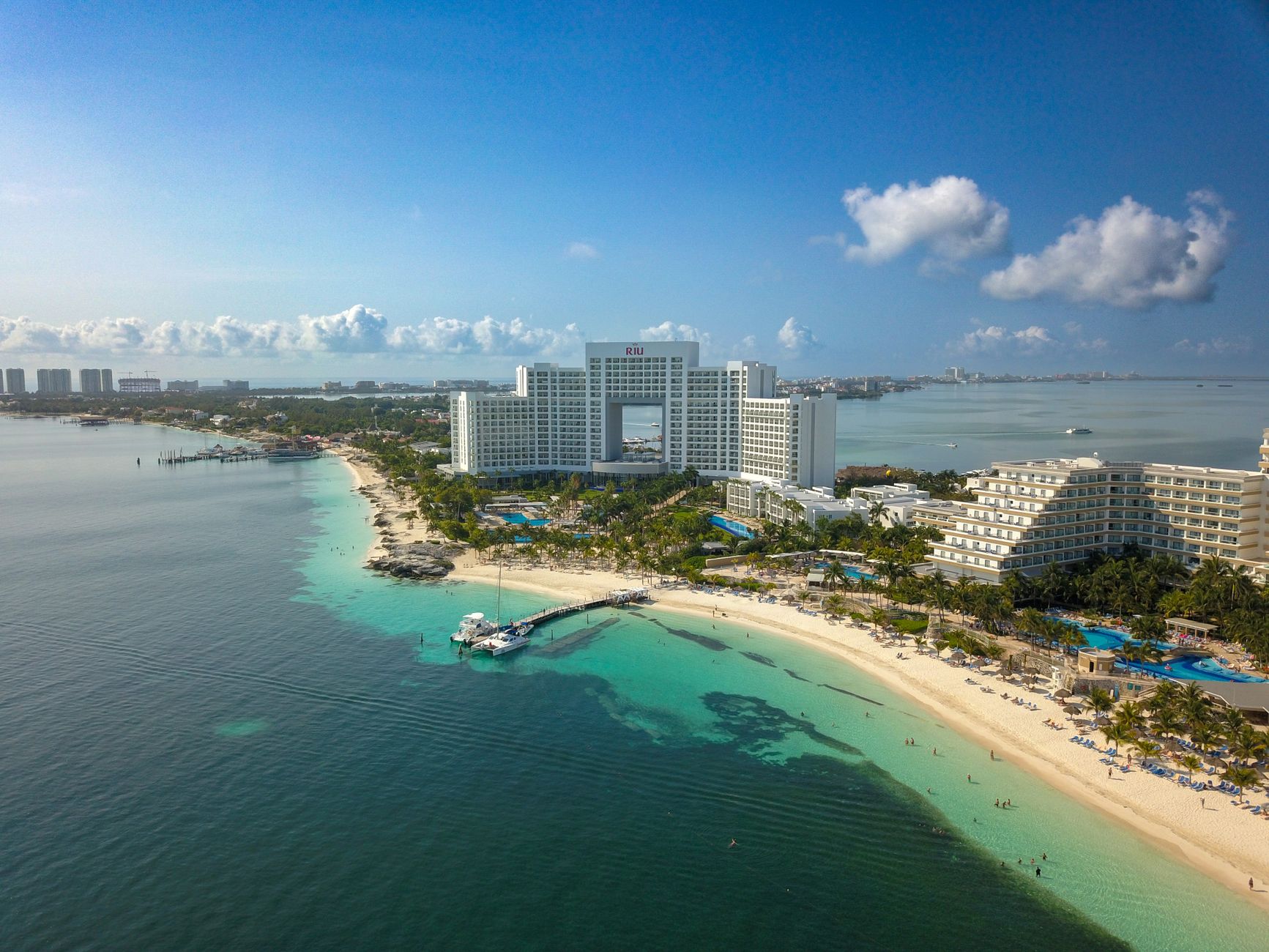
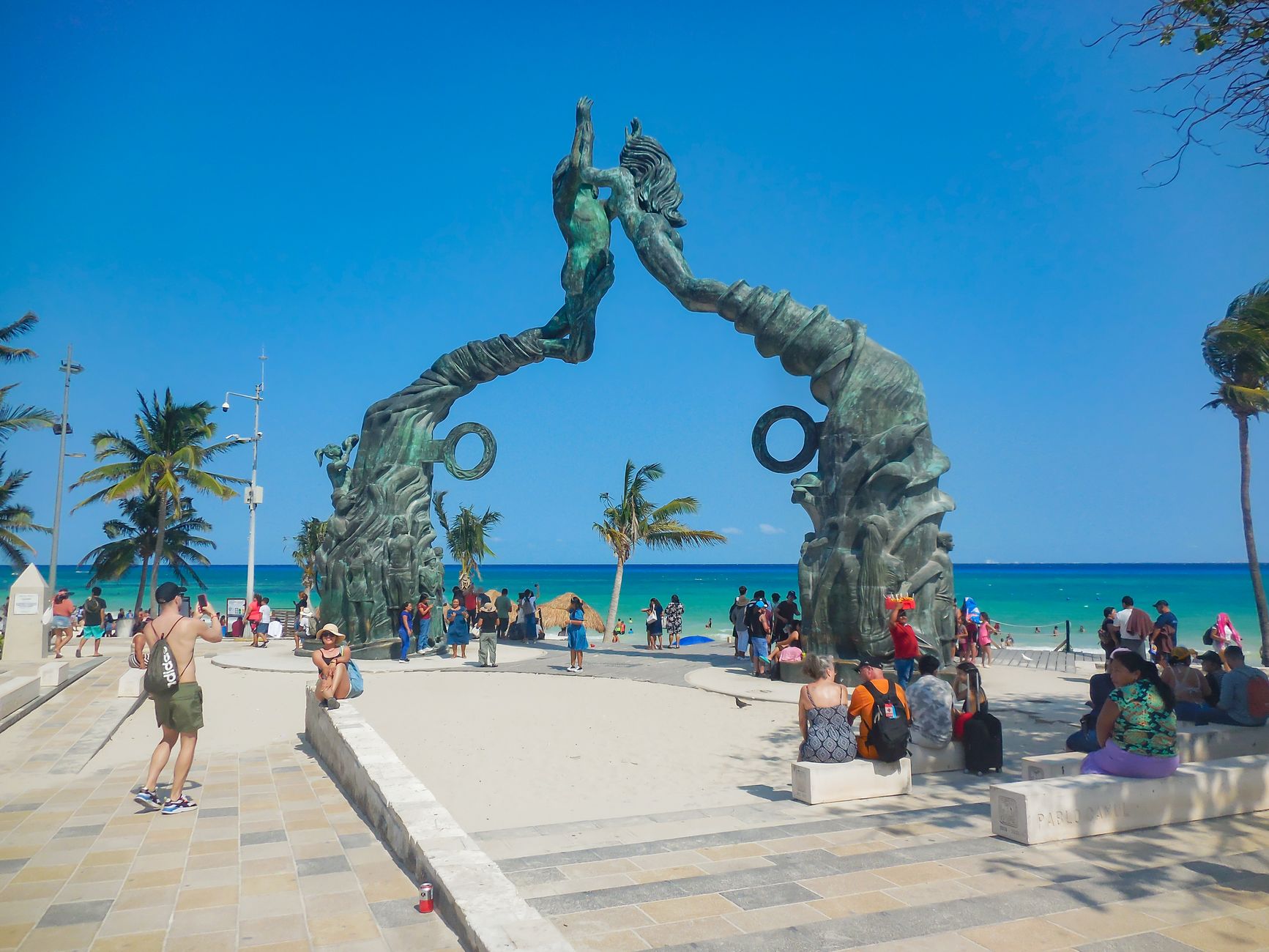
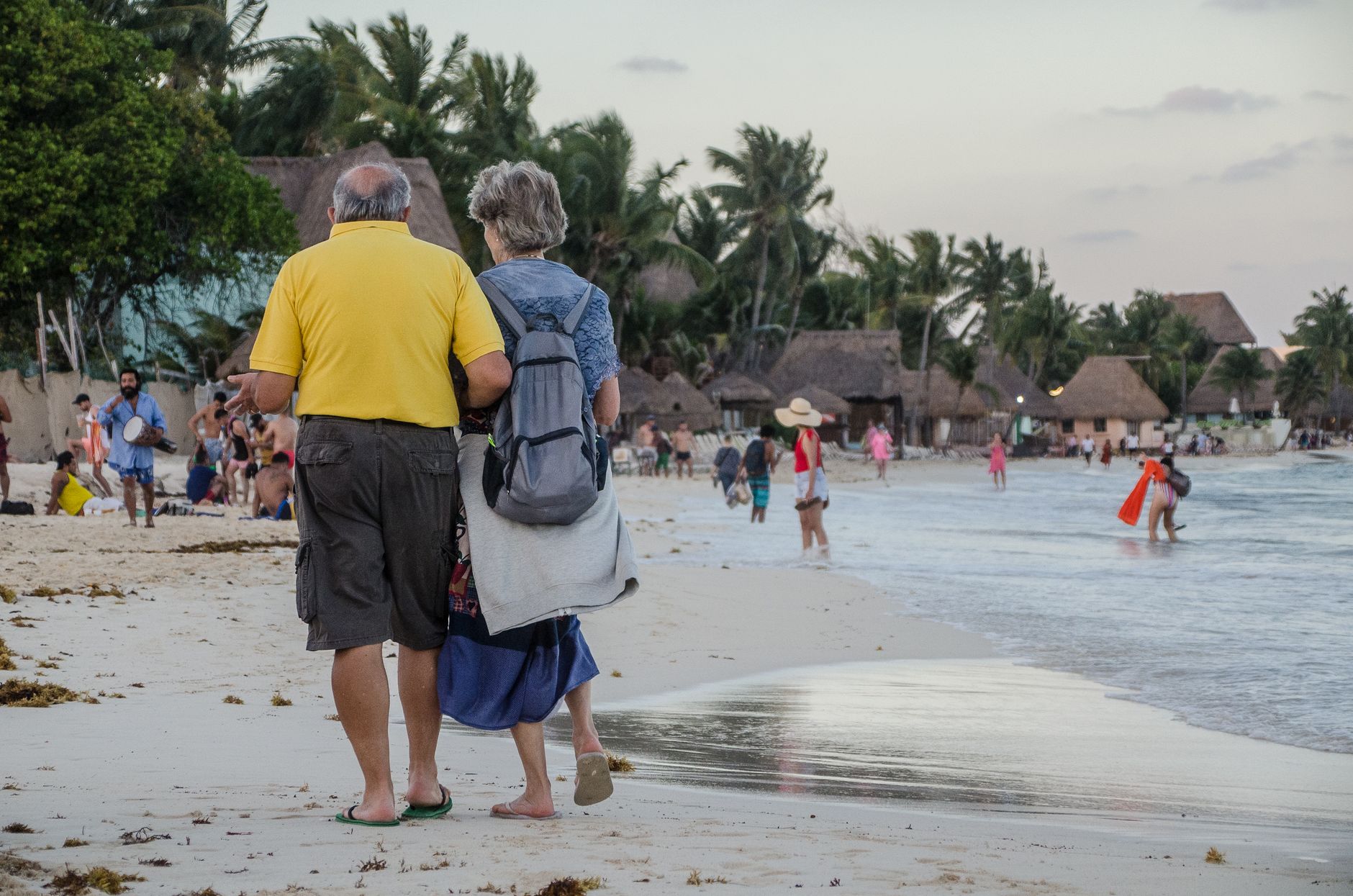
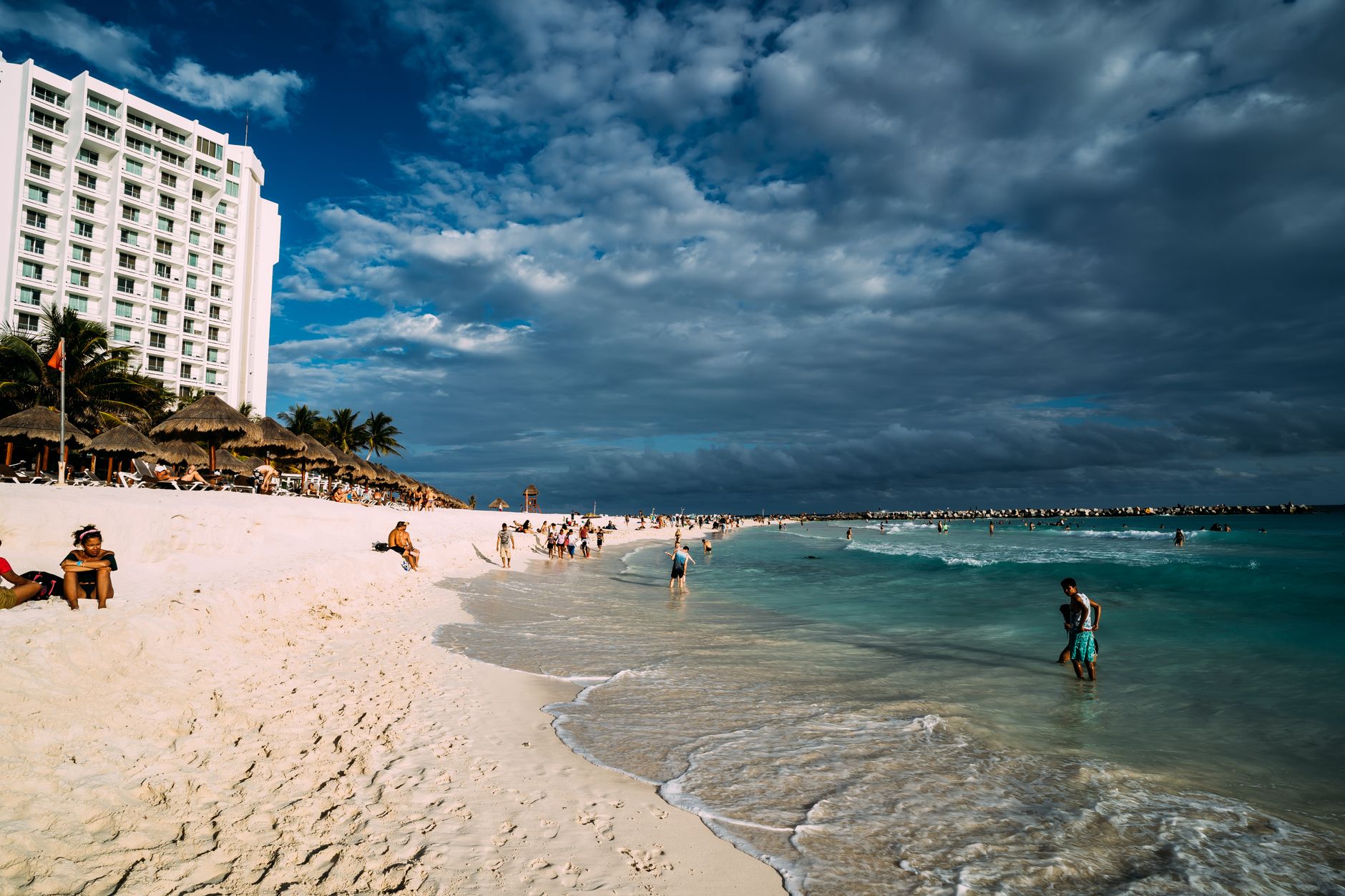
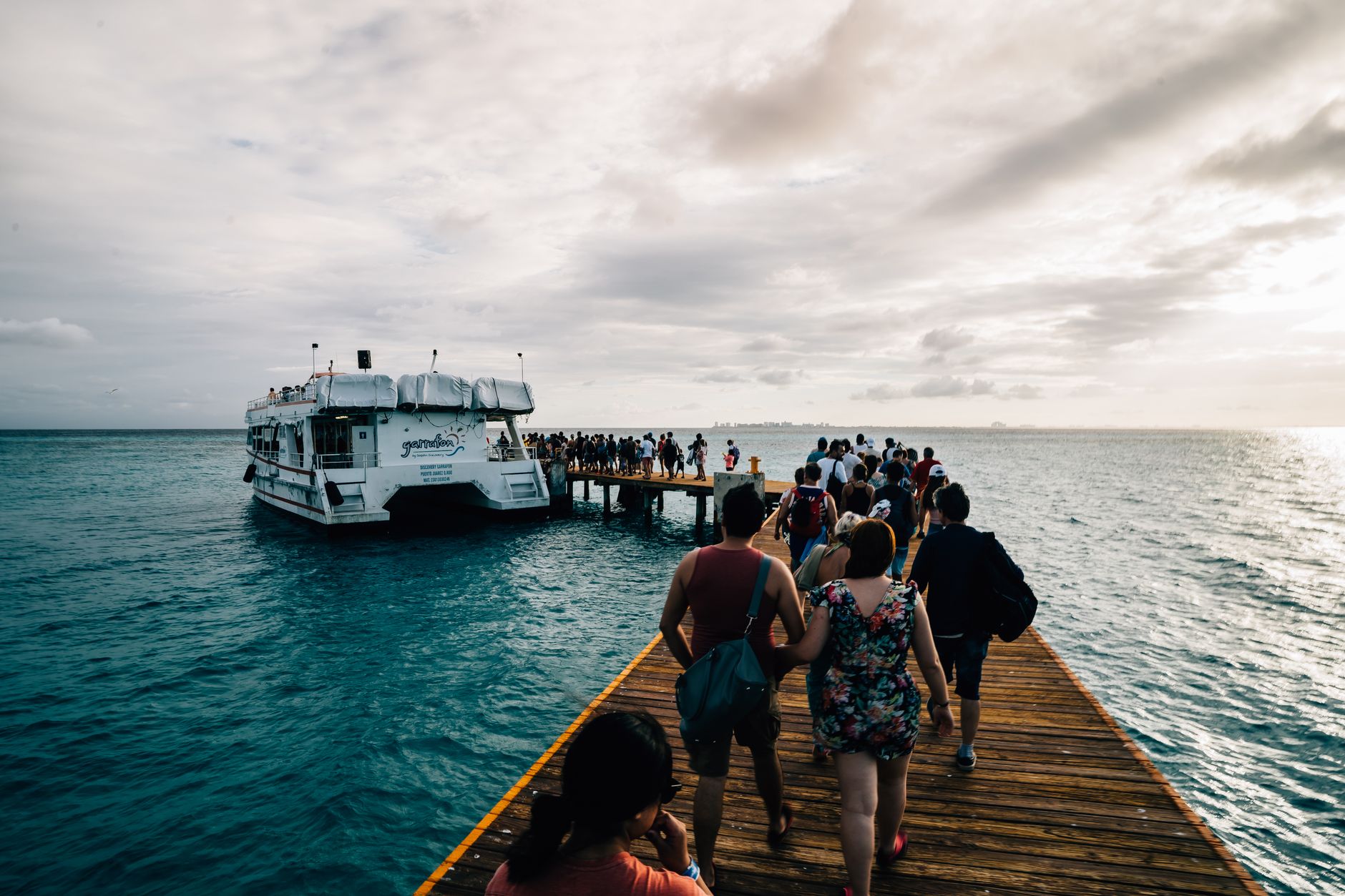
Cancún is two cities sharing one address. The Hotel Zone — a 23-kilometre barrier island curving between the Caribbean and Nichupté Lagoon — holds the towers, the beach clubs and the colourful sign at Playa Delfines that everyone photographs. Downtown, El Centro, is where the people who built and run this place actually live. Both repay attention.
The Caribbean here runs an almost implausible shade of blue-green, and the beaches along the hotel strip are powder-fine limestone rather than sand. Beneath the water between Cancún and Isla Mujeres, more than 500 submerged sculptures form MUSA, an artificial reef you can snorkel or dive through.
How Cancún came to be
On January 23, 1970, construction crews arrived on an island with three residents — caretakers of a coconut plantation. The Mexican government had approved the project the previous year, tasking FONATUR's predecessor, Infratur, with turning a largely undeveloped stretch of the Yucatán coast into an international resort. The man behind the plan was Antonio Enriquez Savignac, a Harvard-educated 40-year-old who would later lead the UN World Tourism Organization. Architects Agustín and Enrique Landa Verdugo, with Javier Solórzano, drew the master zoning that still shapes the city: the hotel strip on one side, a mainland urban grid for workers on the other.
The first hotel opened in 1974, the same year the international airport did. Hurricane Gilbert levelled much of what had been built by 1988, costing roughly $87 million in tourist revenue, but the city rebuilt quickly. Today Cancún accounts for around a quarter of Mexico's total tourism income, and 2023 brought a record 21 million visitors.
Who and what shaped it
People who shaped it
Landmark buildings
See Cancún in motion
Plan your visit
On the map
When to go
The Yucatán Peninsula is tropical — warm and humid year-round, with a rainy season running roughly through summer and early autumn. That stretch of the calendar also marks hurricane season, as Gilbert's 1988 landfall made clear; the drier months from late autumn through spring tend to draw the heaviest visitor numbers.
Right now
Background & history adapted from Wikipedia (CC BY-SA) · specs from Wikidata (CC0) · weather from Open-Meteo · map data © OpenStreetMap contributors · photos from Wikimedia Commons / Unsplash with per-image credit. No third-party reviews or social posts reproduced.