
Can Pastilla
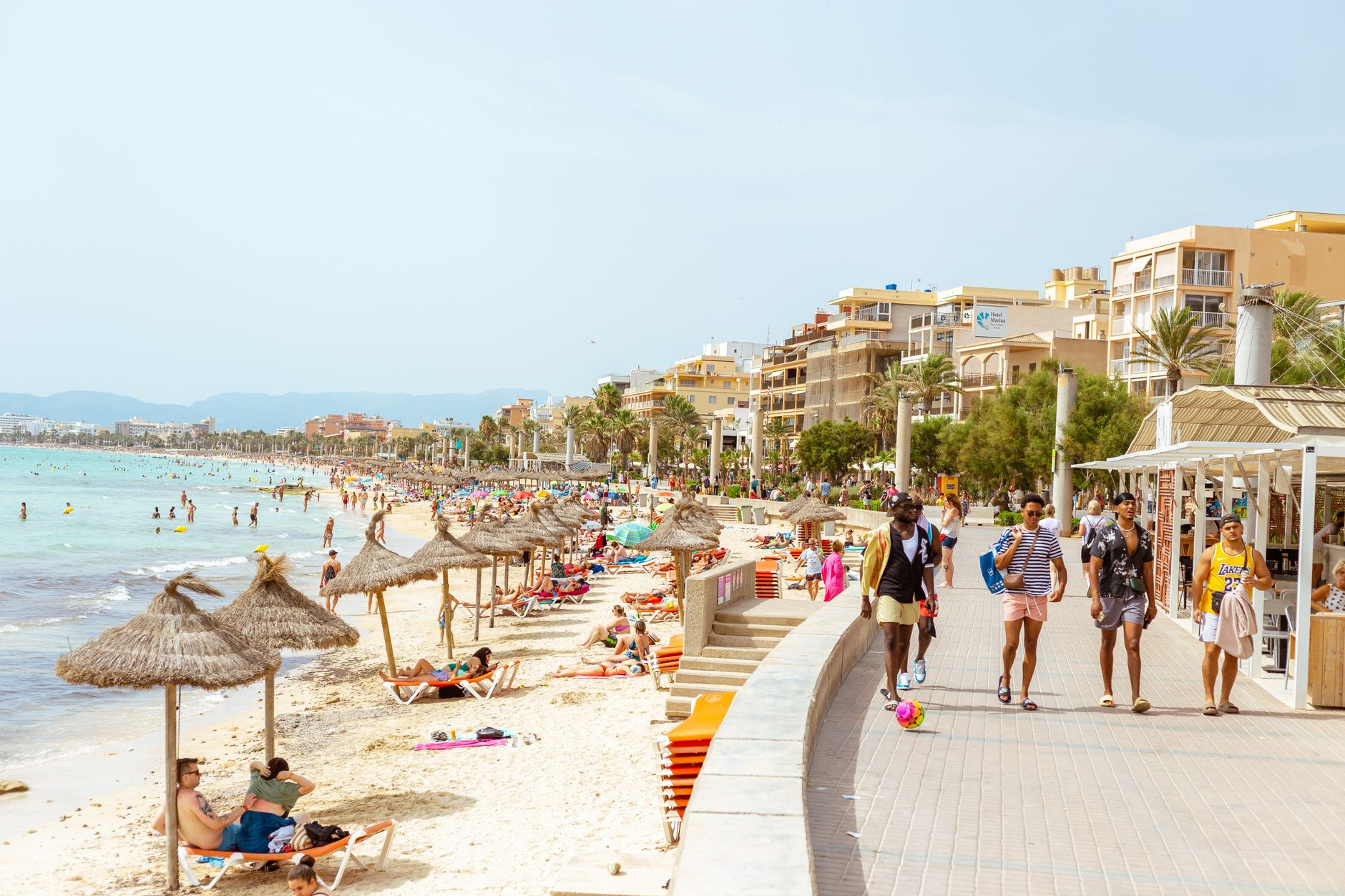
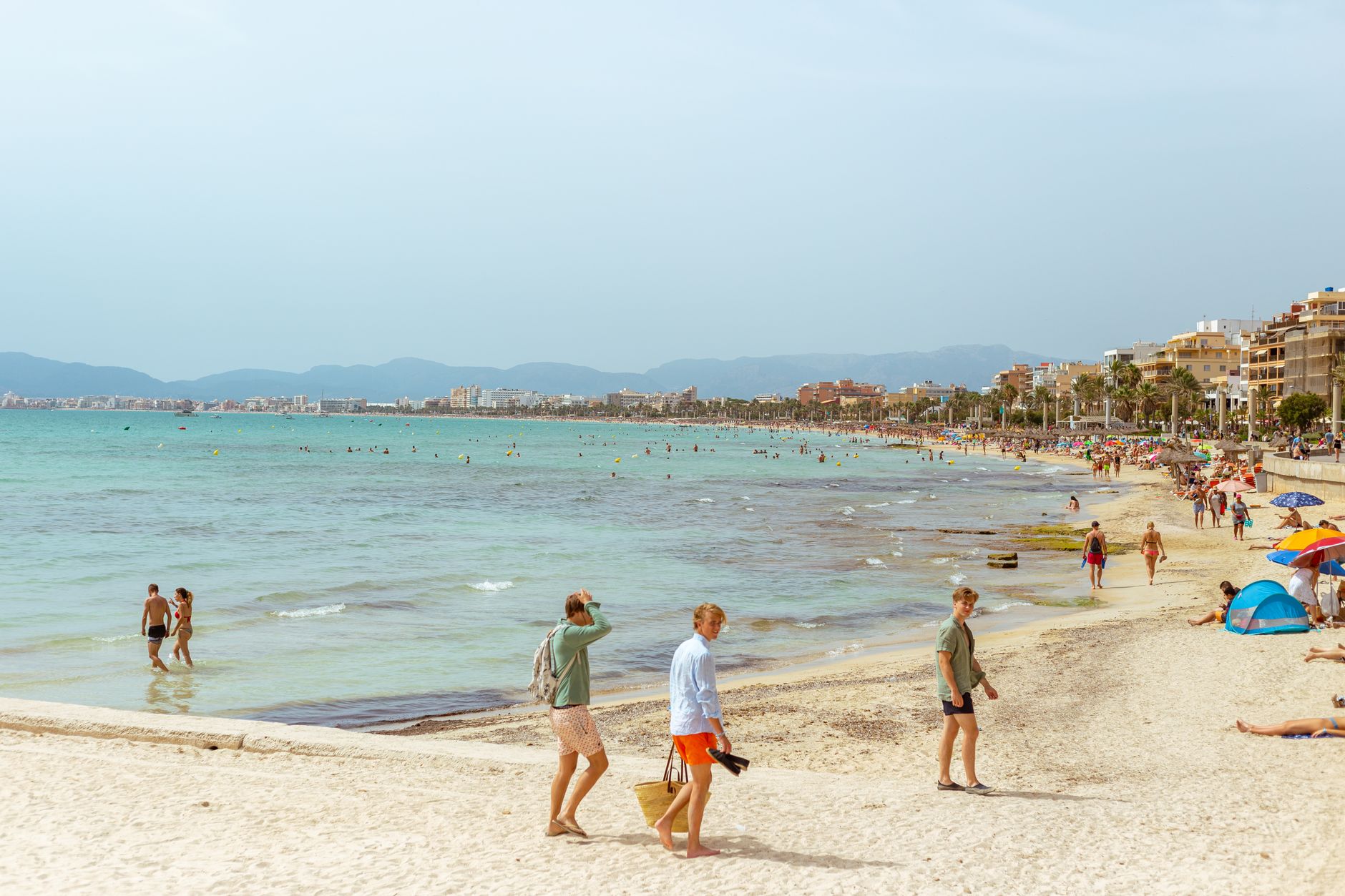
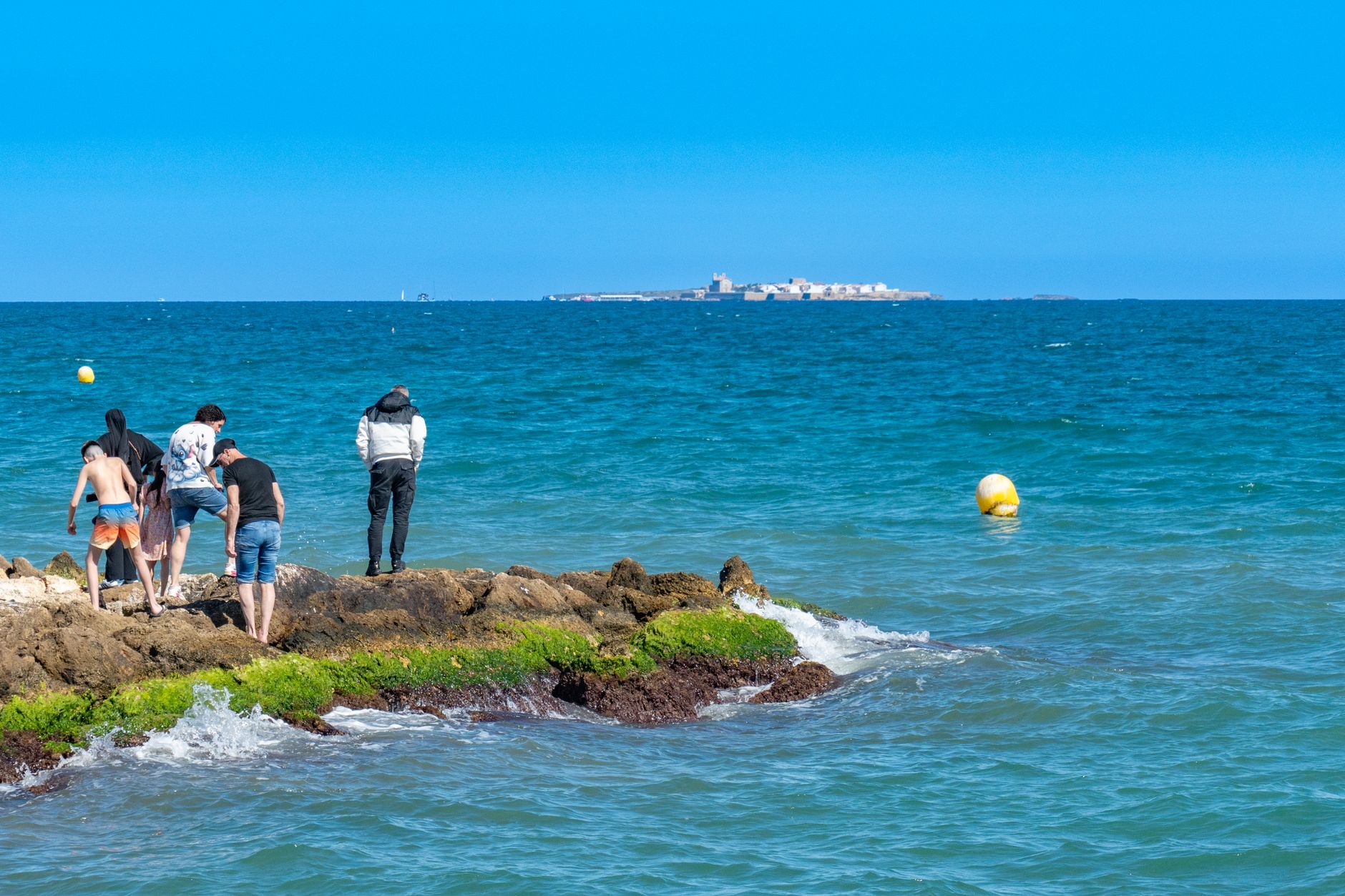
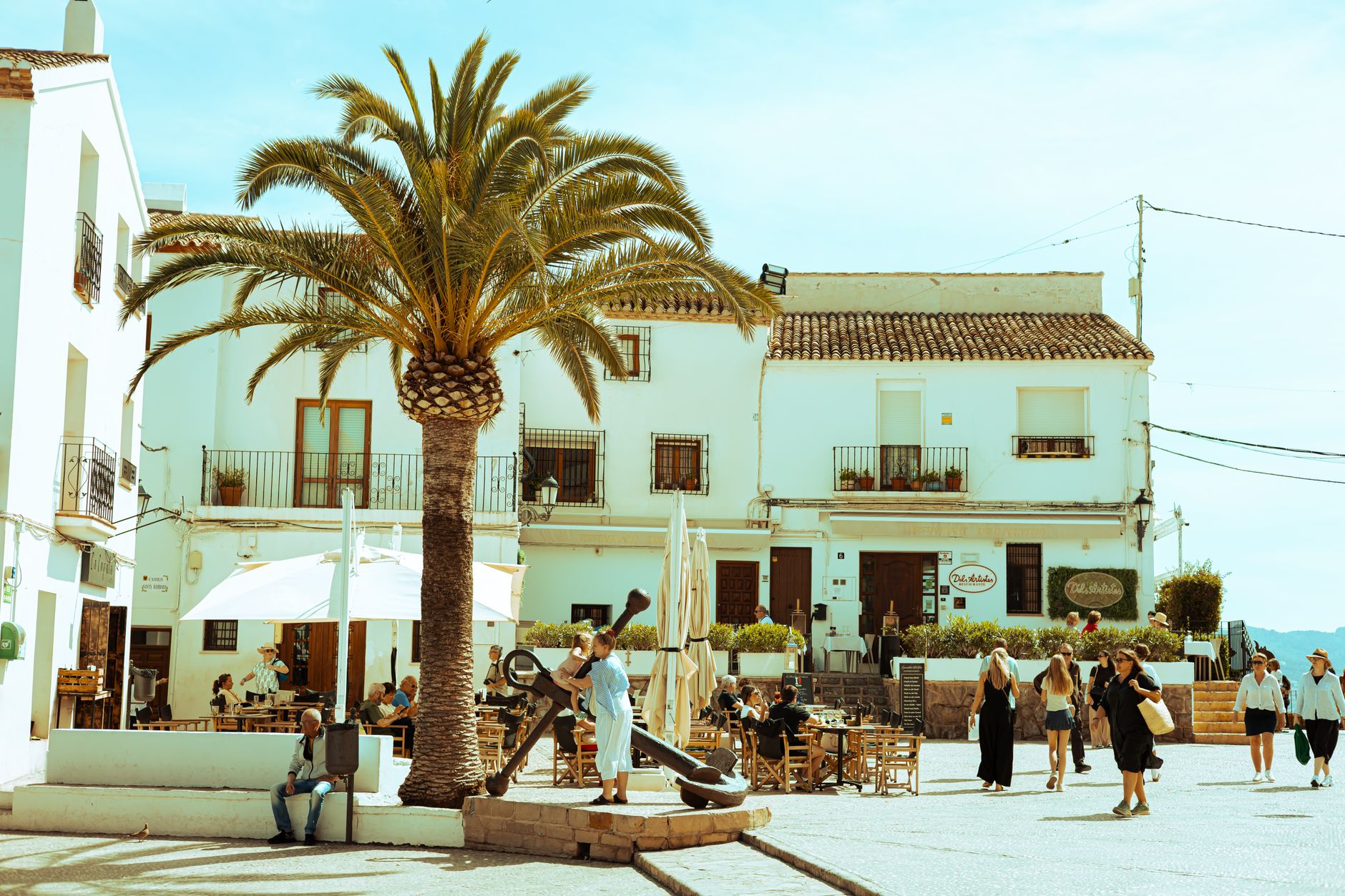
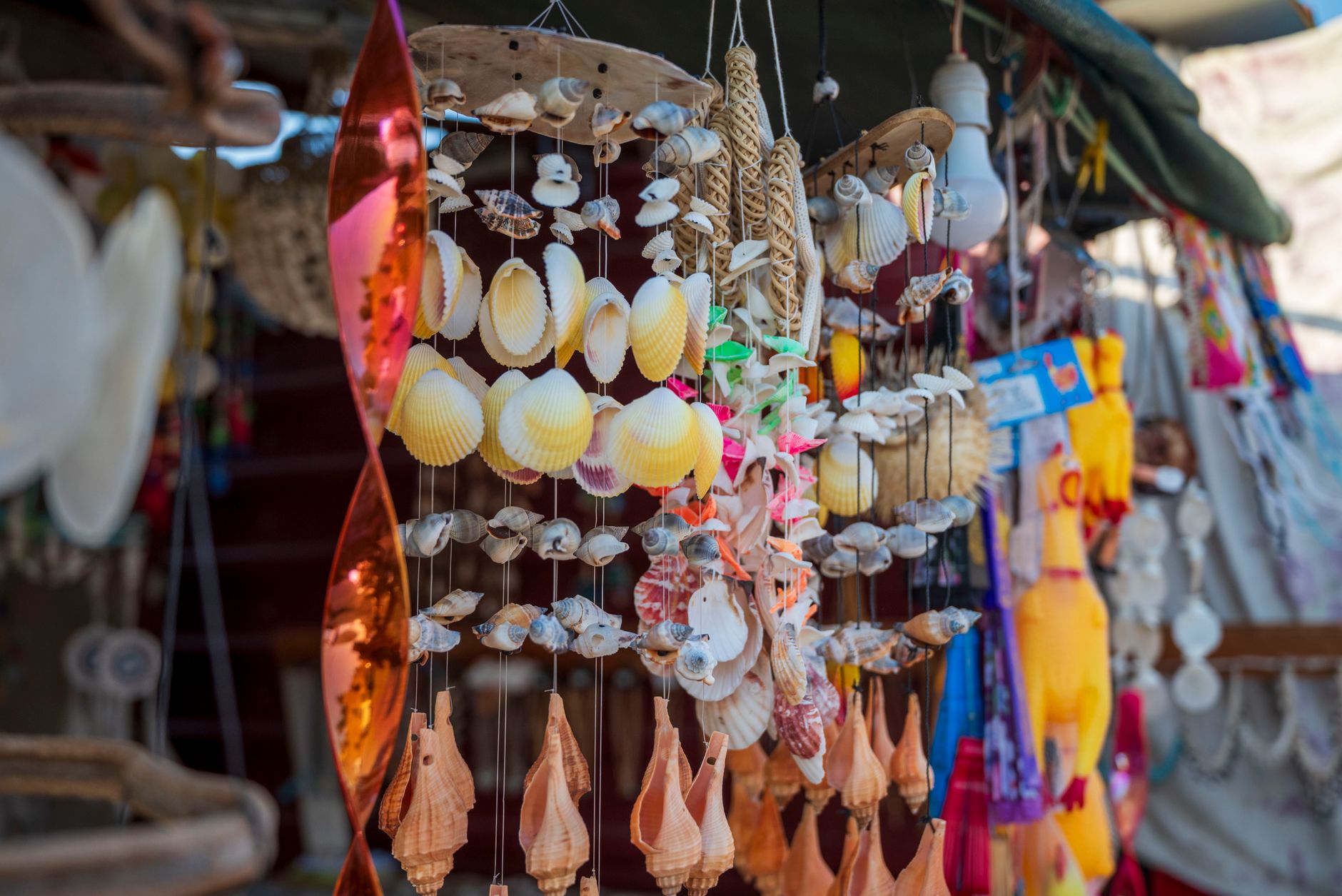
The beach at Can Pastilla is widest right where the resort begins — fine white sand that stretches far enough that even a busy August afternoon leaves room to spread a towel without negotiating. Five kilometres from Palma's old centre and practically on the airport's doorstep, this former fishing village wears its twentieth-century reinvention honestly: the harbour still has moored boats, the narrow lanes behind the main street still lead down to the maritime club, and the Tuesday and Thursday market in front of Hotel Balear draws locals as much as visitors.
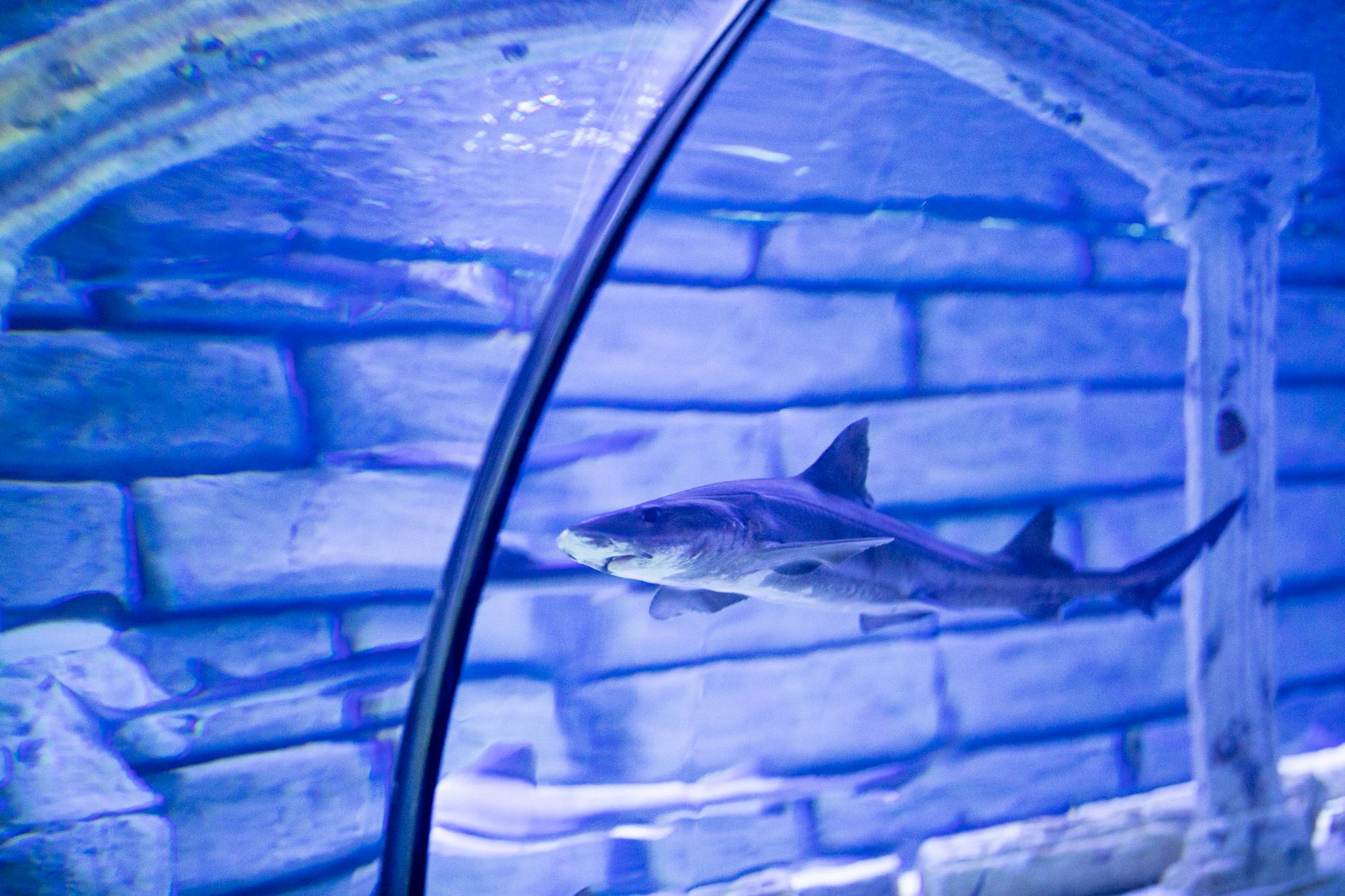
Can Pastilla sits at the northern end of the long Playa de Palma arc, with Cala Estancia — a sheltered inlet with glassy, calm water — tucked nearby for when you want something quieter than the open beach. The Paseo Marítimo lines up cafés and restaurants facing the sea, and the Palma Aquarium, opened in 2007, anchors the area with its shark tunnel and large marine tanks.
💛 What travellers fall for
People who come back tend to time the Tuesday or Thursday market early, before the heat builds, then walk the promenade to Cala Estancia for a swim in the afternoon when the main beach gets lively. The 10-trip bus card — pick one up at any estanco — covers the quick run into Palma and back without thinking about change.
Experiences you don't want to miss



Deals in Can Pastilla
Book directly at the provider

How Can Pastilla came to be
The name reaches back to the Arabic word for 'little tower' — a trace of the period when Arab rulers controlled Mallorca, long before the place became anything resembling a resort. For most of its existence Can Pastilla was a working fishing village, small and largely unremarked upon.
That changed in the 1960s, when Mallorca as a whole opened itself to mass tourism and the village's long sandy shore made it an obvious candidate for development. Hotels and apartment blocks followed the beachfront, the maritime club formalised around the harbour, and the fishing village became the resort it remains today — still compact enough that the older street pattern, with lanes branching off toward the water, survives underneath.
Who and what shaped it
Landmark buildings
See Can Pastilla in motion
Plan your visit
On the map
When to go
Summers run hot and sunny, with July and August delivering around eleven hours of daylight and temperatures that make the sea essential. Winters are mild by northern European standards but can turn cool and grey; spring and autumn are the most comfortable seasons for walking the promenade or exploring beyond the beach.
Right now
Background & history adapted from Wikipedia (CC BY-SA) · specs from Wikidata (CC0) · weather from Open-Meteo · map data © OpenStreetMap contributors · photos from Wikimedia Commons / Unsplash with per-image credit. No third-party reviews or social posts reproduced.