
Cagliari
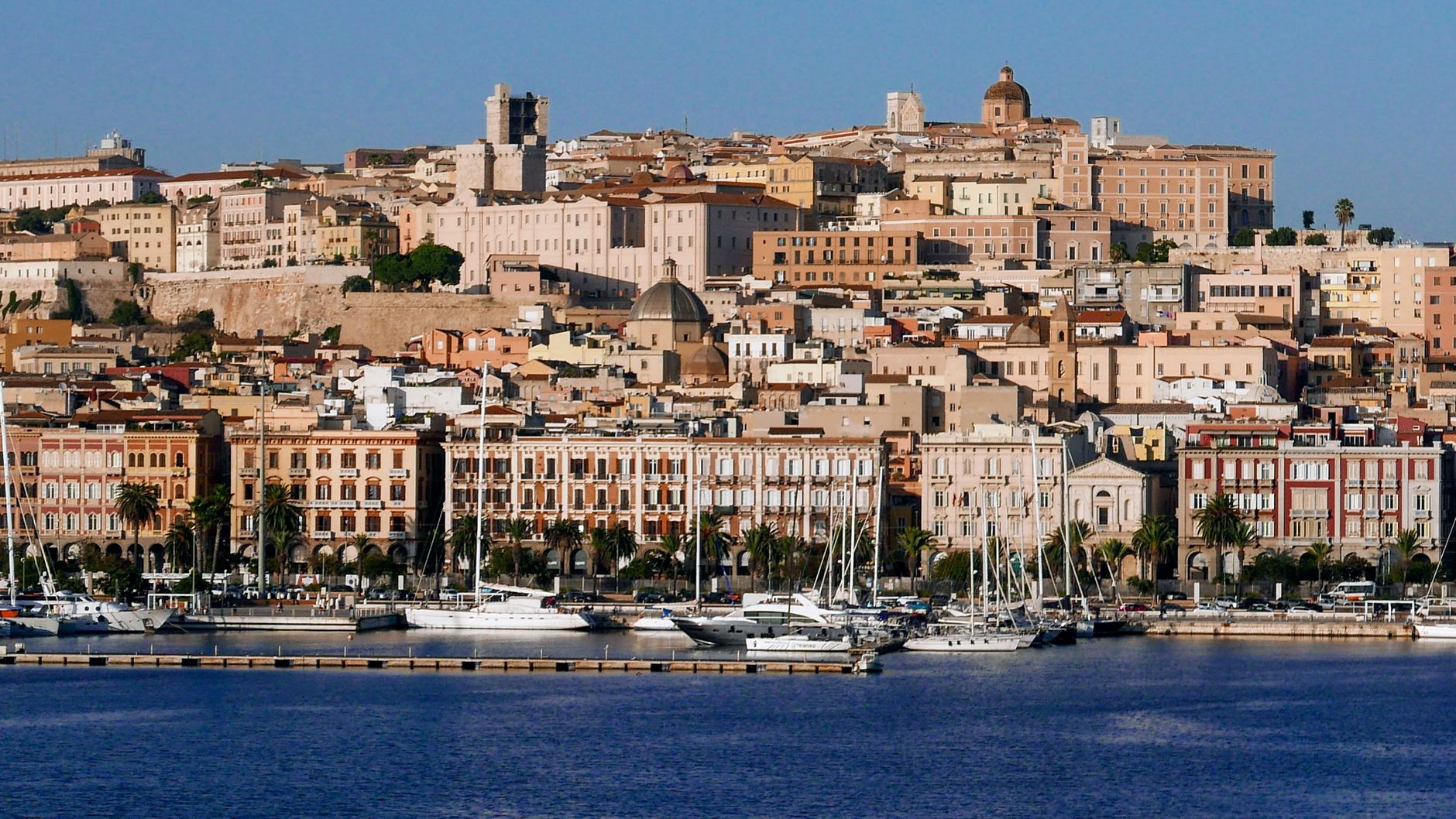
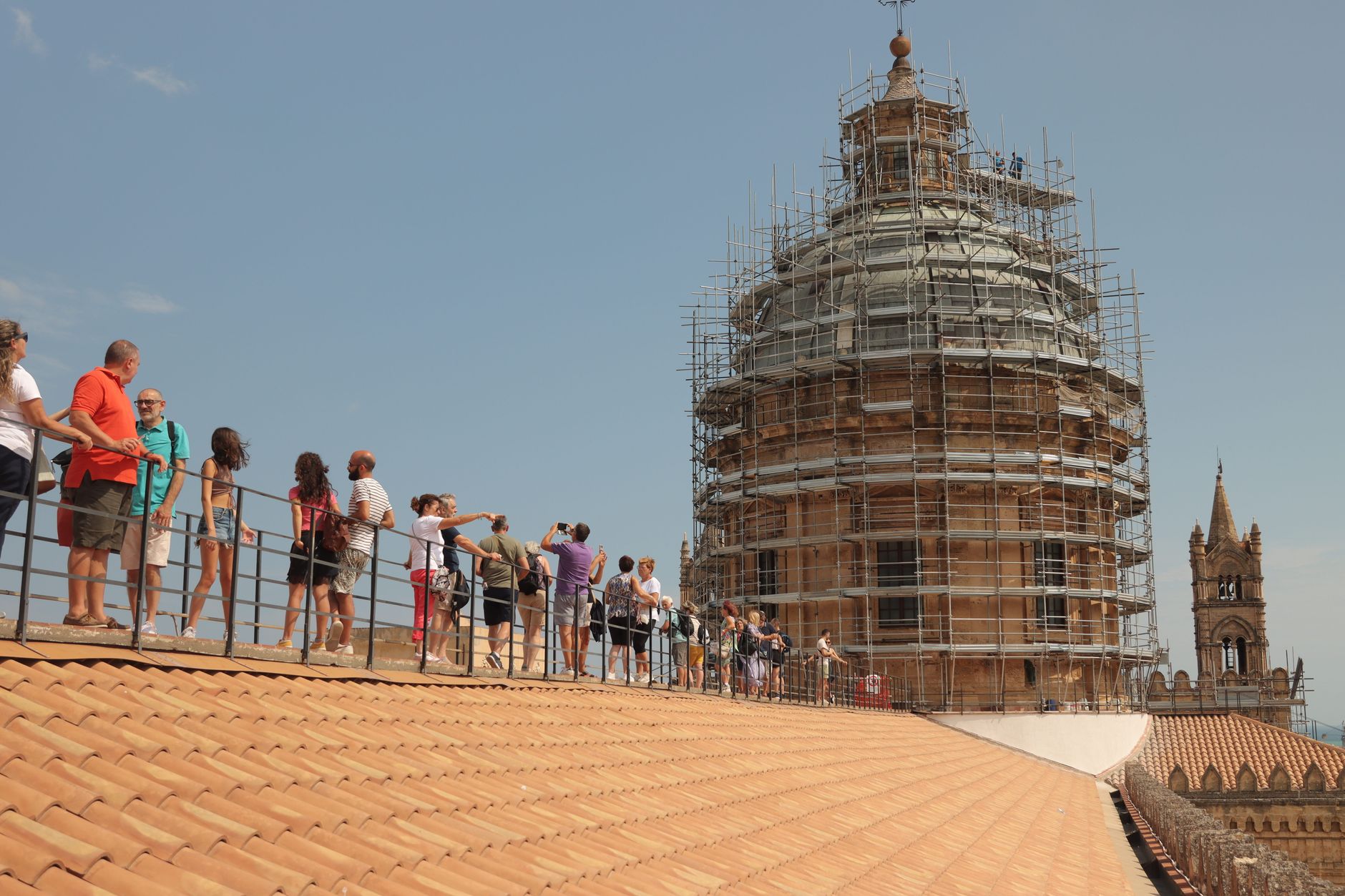
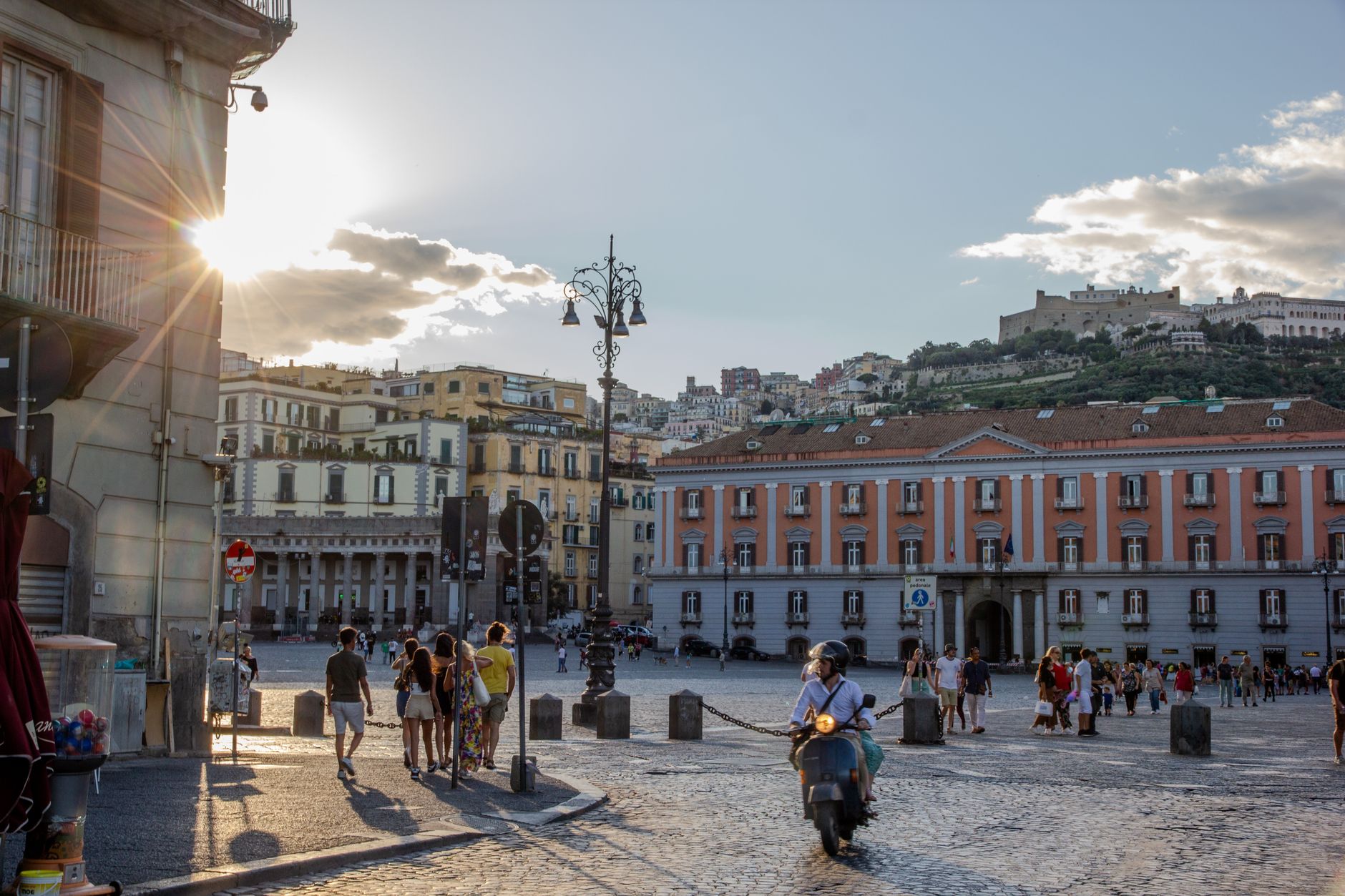
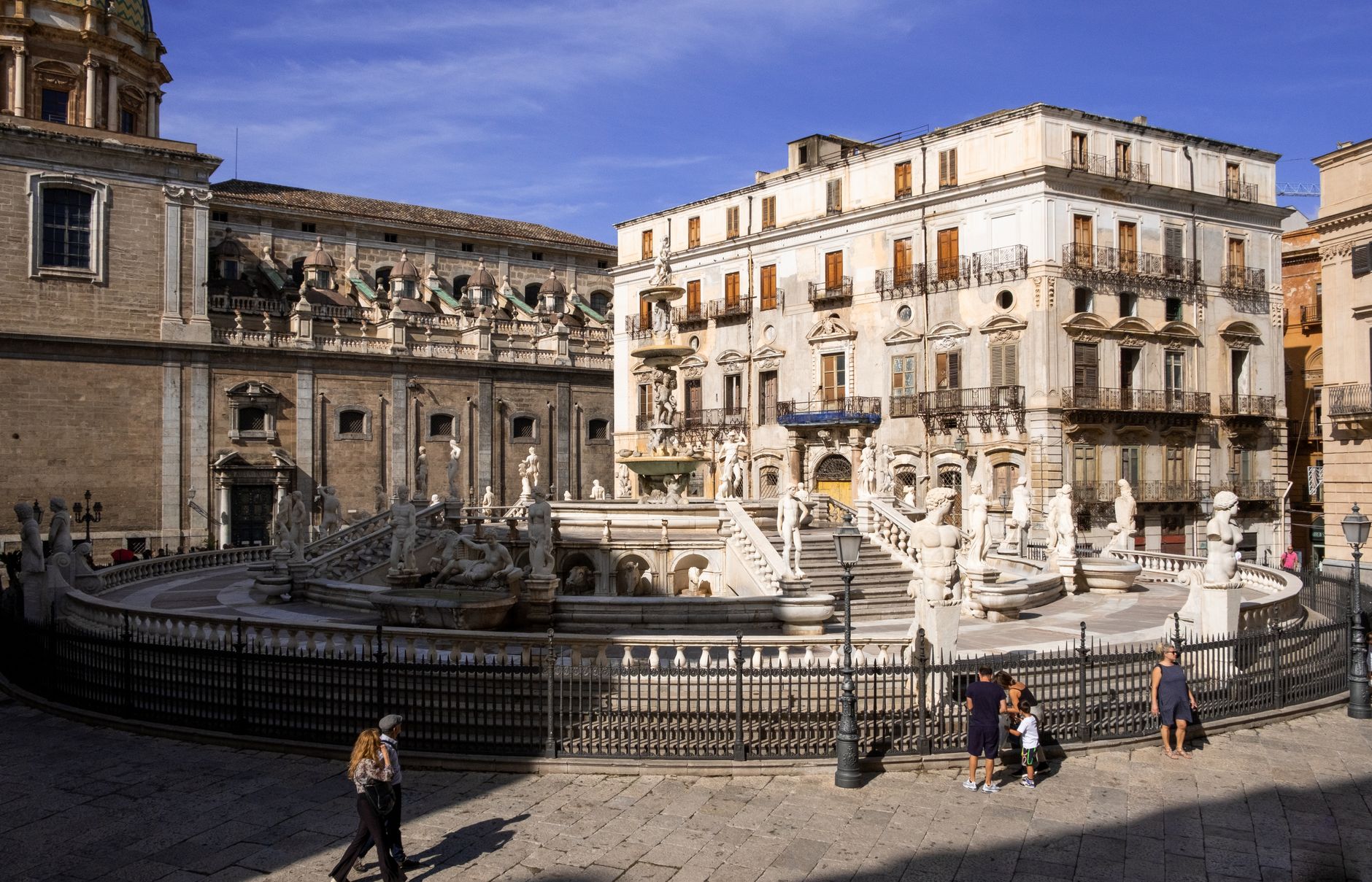
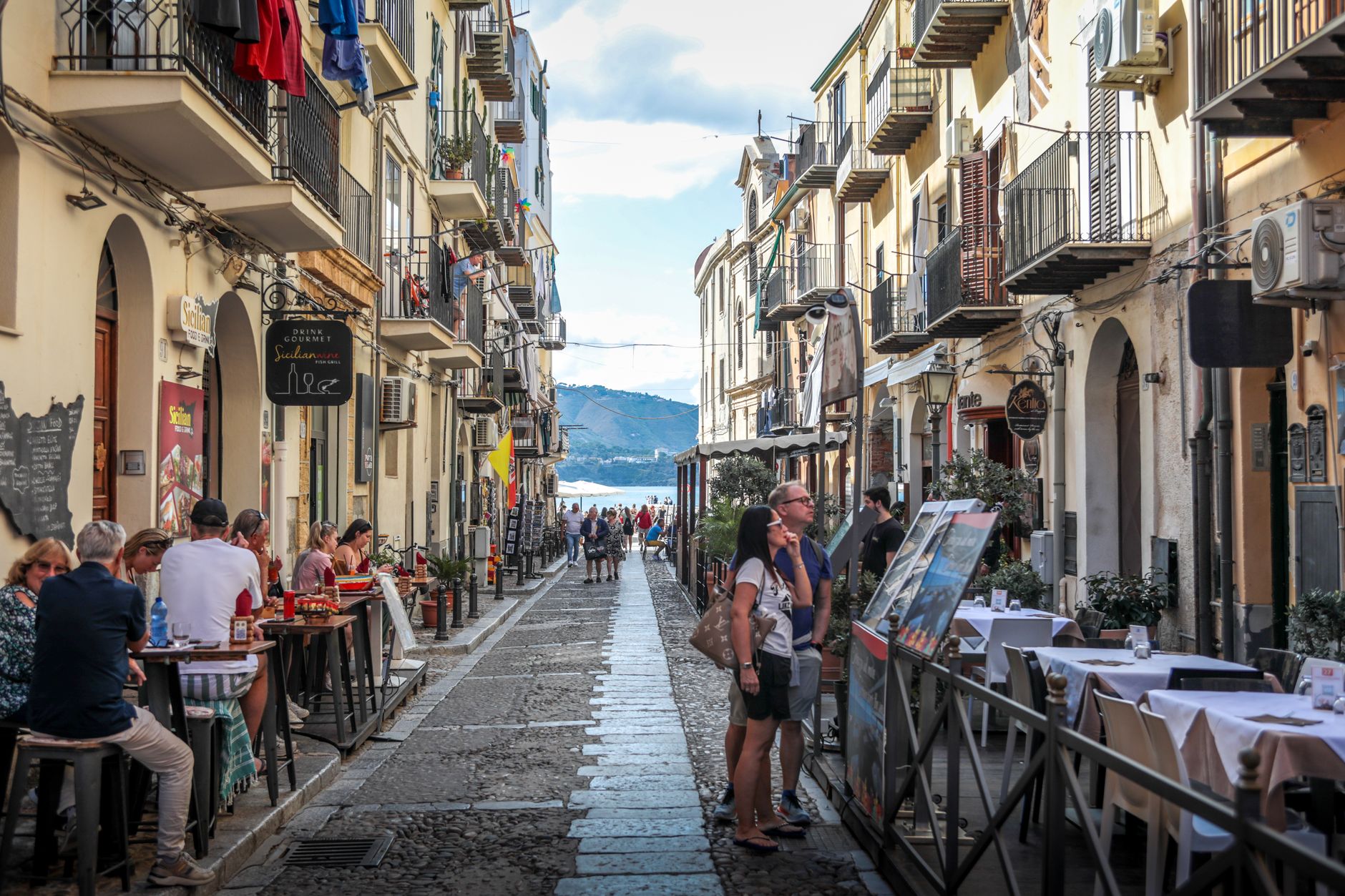
Cagliari sits on a limestone hill above a lagoon full of pink flamingos, which is either the strangest or most logical introduction to a Sardinian capital you could ask for. The old fortified quarter — Castello — rises above the rest of the city on its own terms, ringed by Pisan towers and accessible by steep lanes that eventually deliver you to a terrace over the whole Gulf of Angels.
Below the hill, four historic districts spread toward the water: Marina, Stampace, Villanova, and Castello itself. Each has its own grain — a different street width, a different relationship to the sun. The city rewards the kind of walking that has no fixed destination.
💛 What travellers fall for
People who return to Cagliari tend to mention the same few things: catching the light from the Bastion of Saint Remy in the late afternoon, finding the Basilica of San Saturnino tucked into the Villanova quarter when you weren't quite looking for it, and taking the airport train — seven minutes, €1.30 — as if it were the most civilised thing in the world.
Experiences you don't want to miss



Deals in Cagliari
Book directly at the provider

How Cagliari came to be
Phoenician traders established a settlement here between the eighth and seventh centuries BC, calling it Karaly — a name the Carthaginians kept when they took over. The modern city's real ancestor, though, is the Pisan fortified town of Castel di Castro, founded in 1216 or 1217 on the hill that is now Castello. The Pisans built hard: the San Pancrazio and Elefante towers, both designed by architect Giovanni Capula and completed in 1305 and 1307, still stand at the district's edges.
Catalans arrived in 1324, beginning with the Sanctuary of Our Lady of Bonaria, built during their siege of the Pisan position. Cagliari served as capital of the Kingdom of Sardinia until 1848, when Turin took that role. In the Second World War, Allied bombing targeted the city's naval and air infrastructure, leaving marks the postwar city had to rebuild around.
Who and what shaped it
People who shaped it
Landmark buildings
See Cagliari in motion
Plan your visit
On the map
When to go
Winters are mild and occasionally rainy, with average temperatures around 10°C in January and February; the mistral tends to clear weather disturbances quickly. Summers run hot and almost entirely dry — July and August average around 26°C, with peaks above 35°C possible — making May, June, and September the most comfortable months for extended time outdoors.
Right now
Background & history adapted from Wikipedia (CC BY-SA) · specs from Wikidata (CC0) · weather from Open-Meteo · map data © OpenStreetMap contributors · photos from Wikimedia Commons / Unsplash with per-image credit. No third-party reviews or social posts reproduced.