
Cádiz
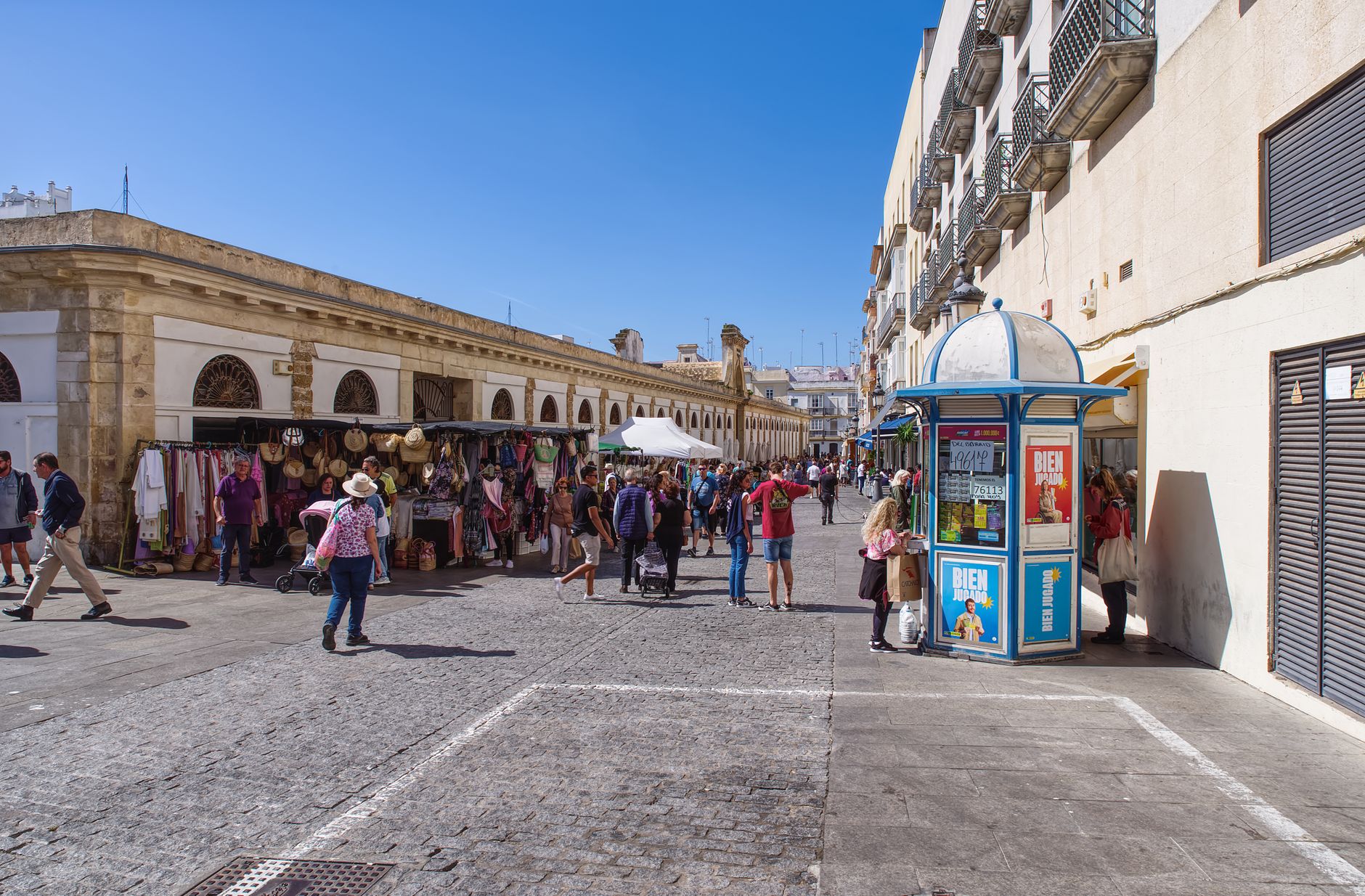
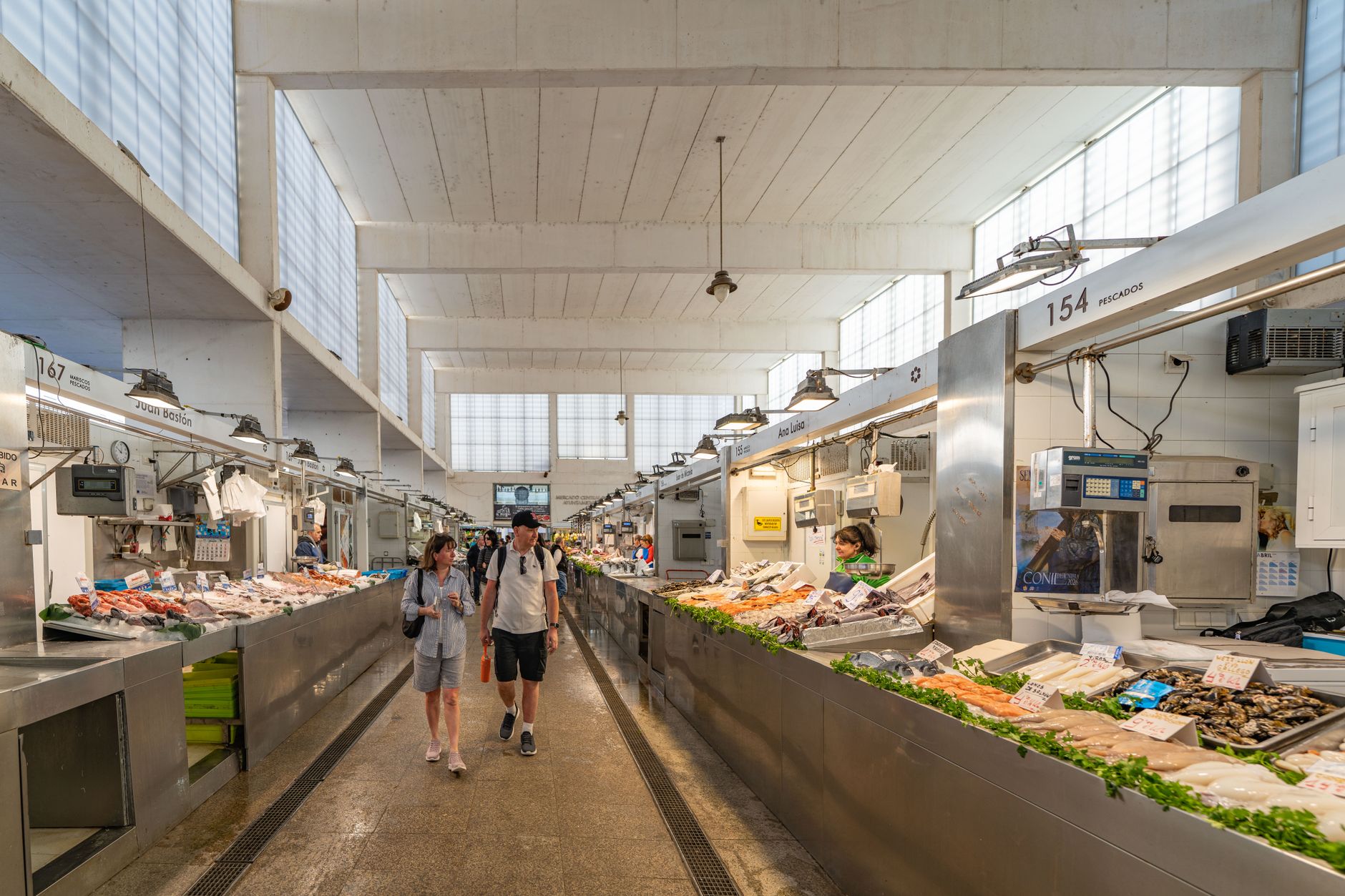
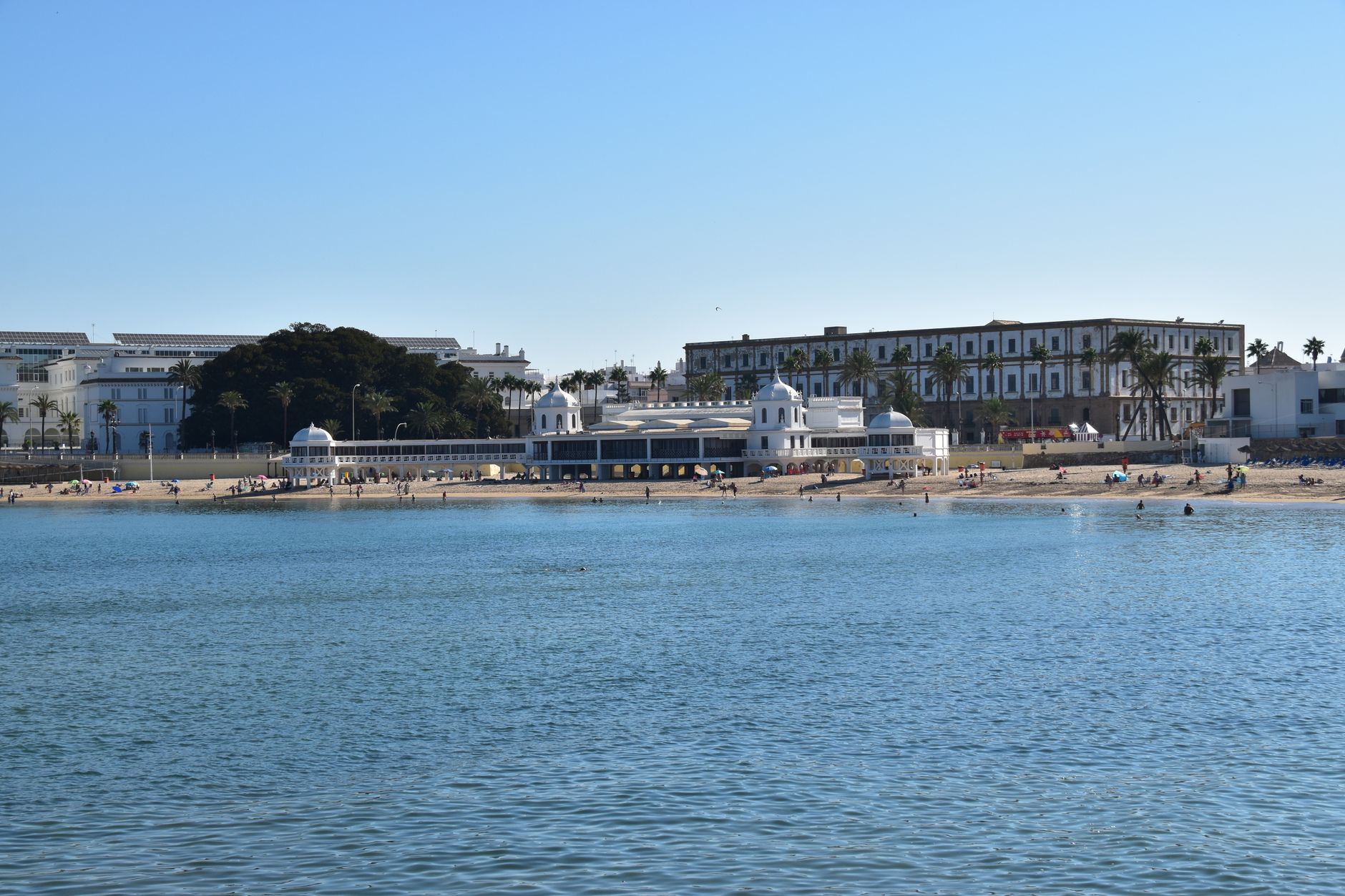
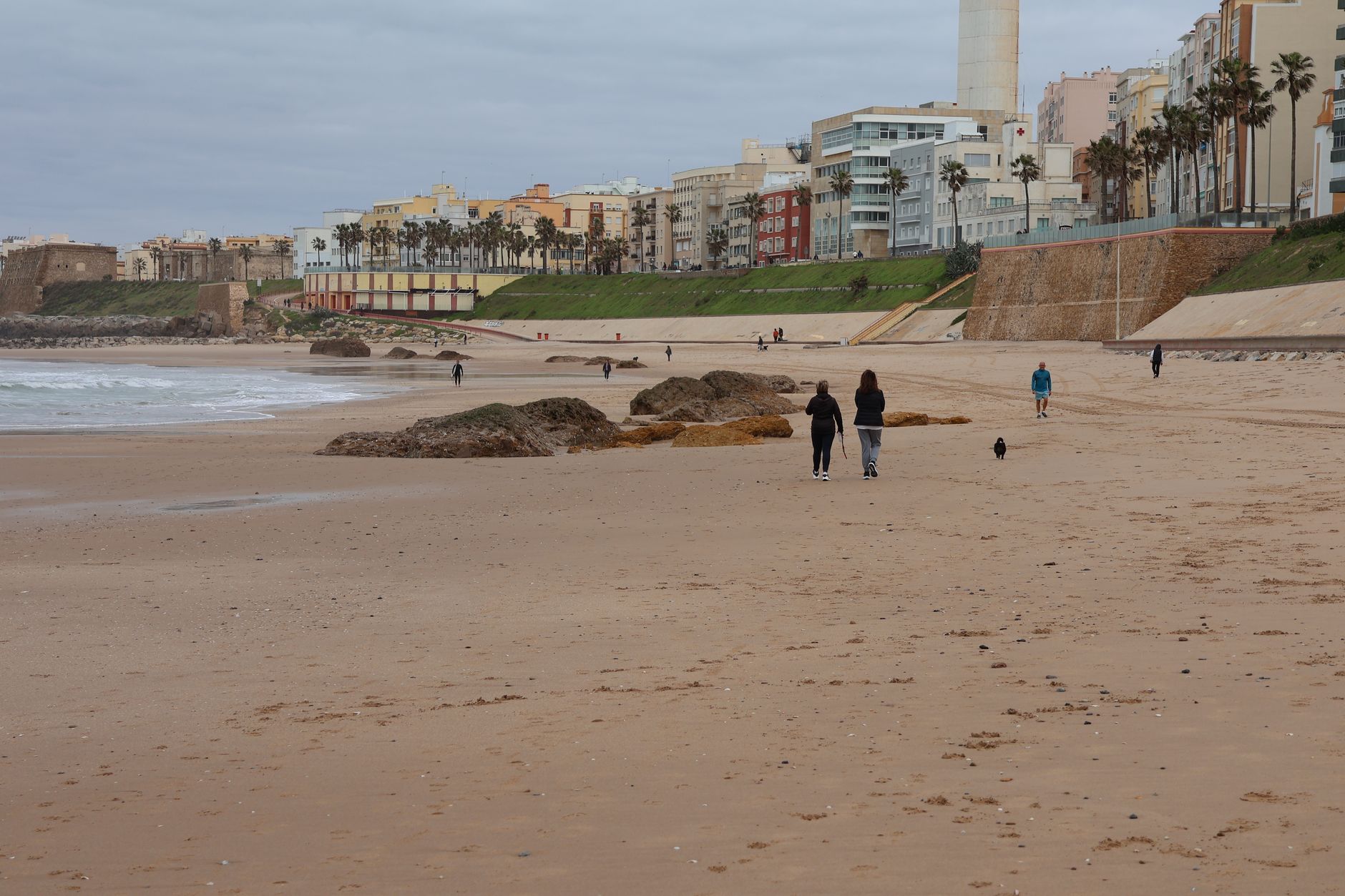
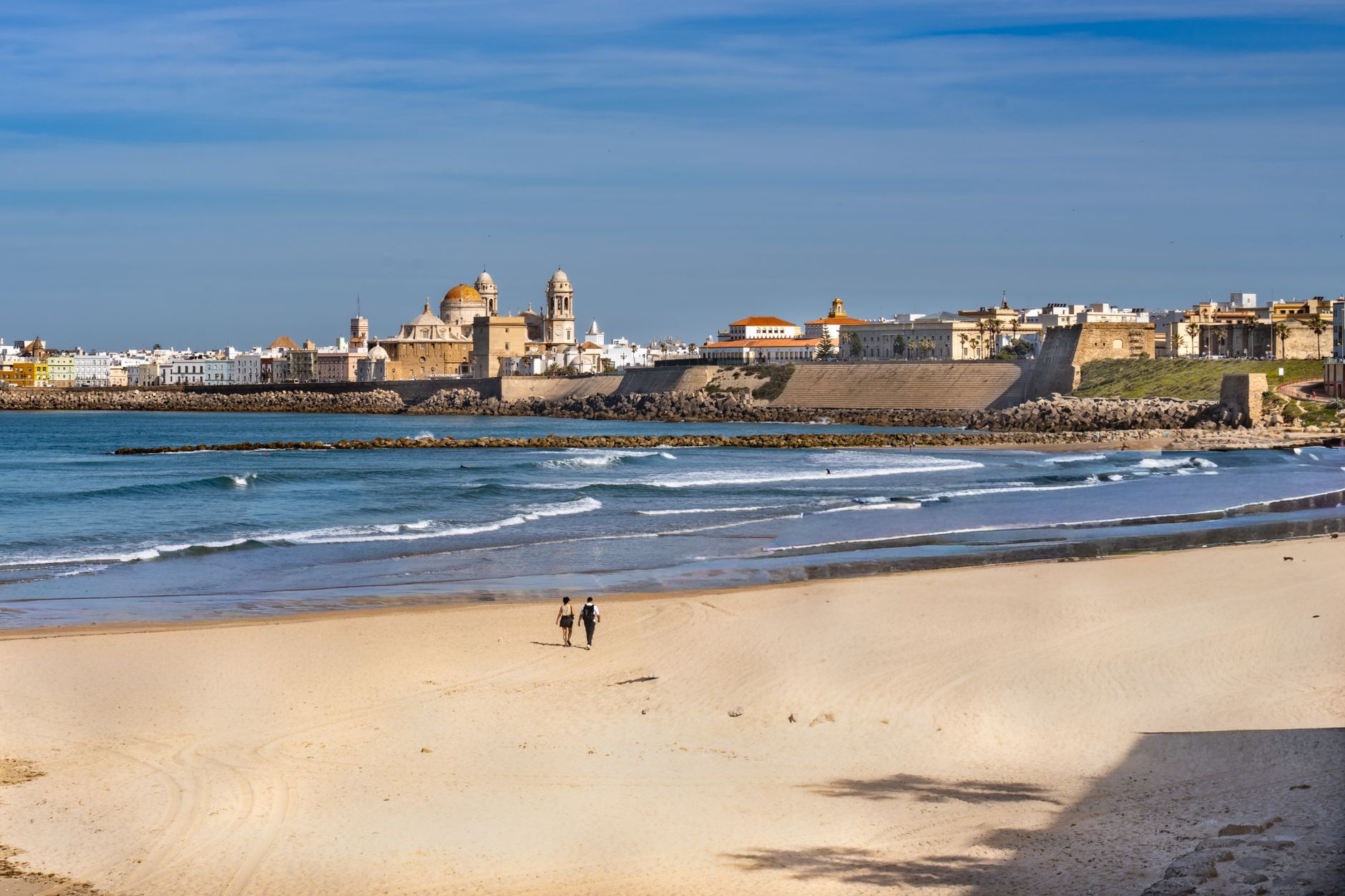
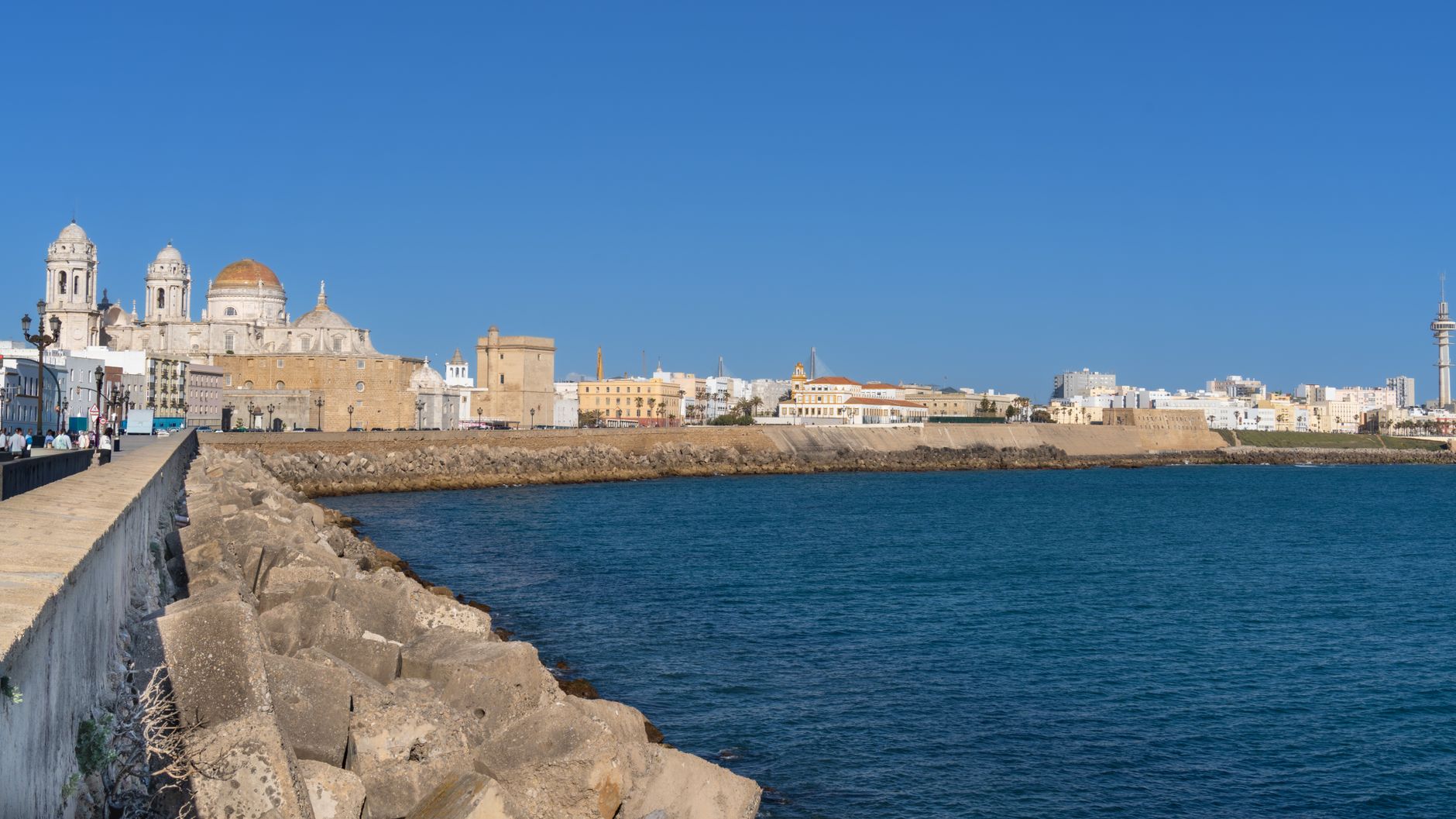
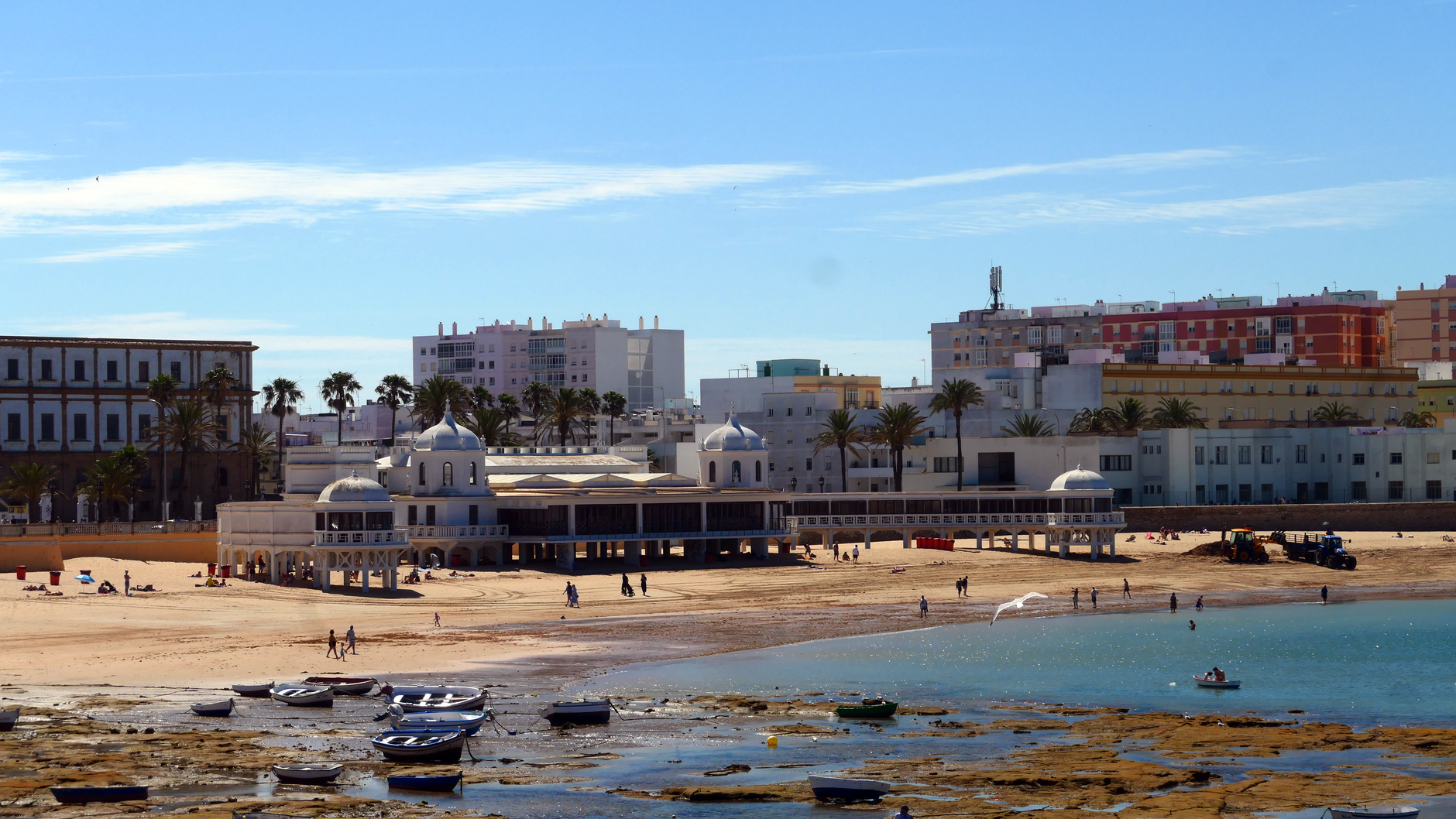
Stand at the western tip of Cádiz on a clear morning and you are, very nearly, at the edge of Europe — salt air coming off the Atlantic, the yellow-tiled dome of the Cathedral catching the light, two castles flanking a crescent of sand below. This is one of the oldest continuously inhabited cities in Western Europe, founded by Phoenician sailors from Tyre around 1100 B.C., and the old city sits on a narrow peninsula that the sea has always defined.
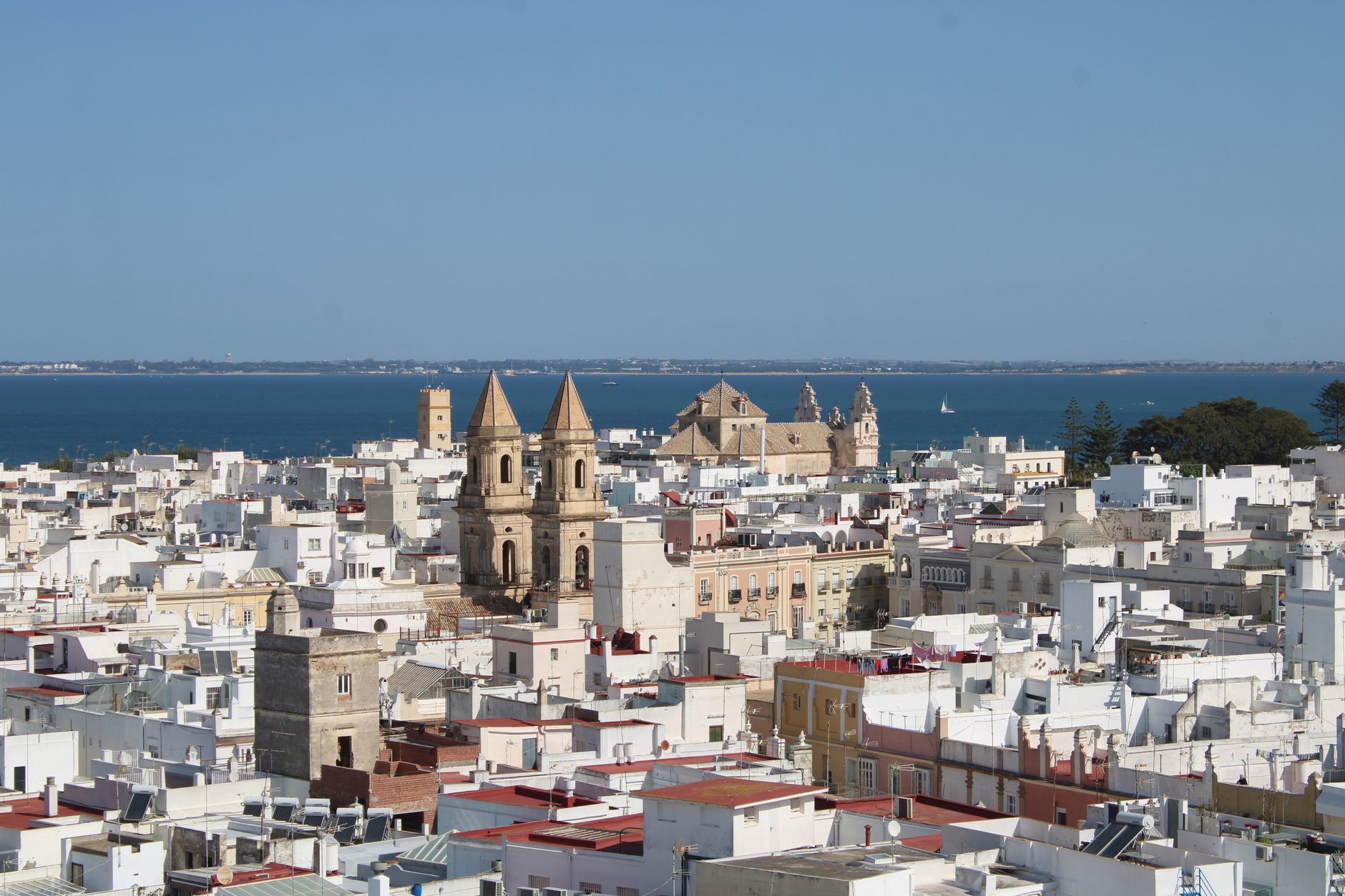
The streets inside the ancient walls are tight and pale, opening without warning onto plazas shaded by old trees. Cádiz made its fortune on trade with the Americas, briefly became the capital of Spain during the Napoleonic wars, and gave the liberal world one of its first written constitutions. It wears all of this lightly.
💛 What travellers fall for
People who keep coming back tend to orbit Plaza de Mina — birthplace of both composer Manuel de Falla and geologist José Macpherson, and a good place to sit in the shade of trees planted in 1861. They also make a point of climbing Torre Tavira before noon, when the Camera Obscura projects the city in sharp relief and the Atlantic is still bright.
Experiences you don't want to miss


Deals in Cádiz
Book directly at the provider

How Cádiz came to be
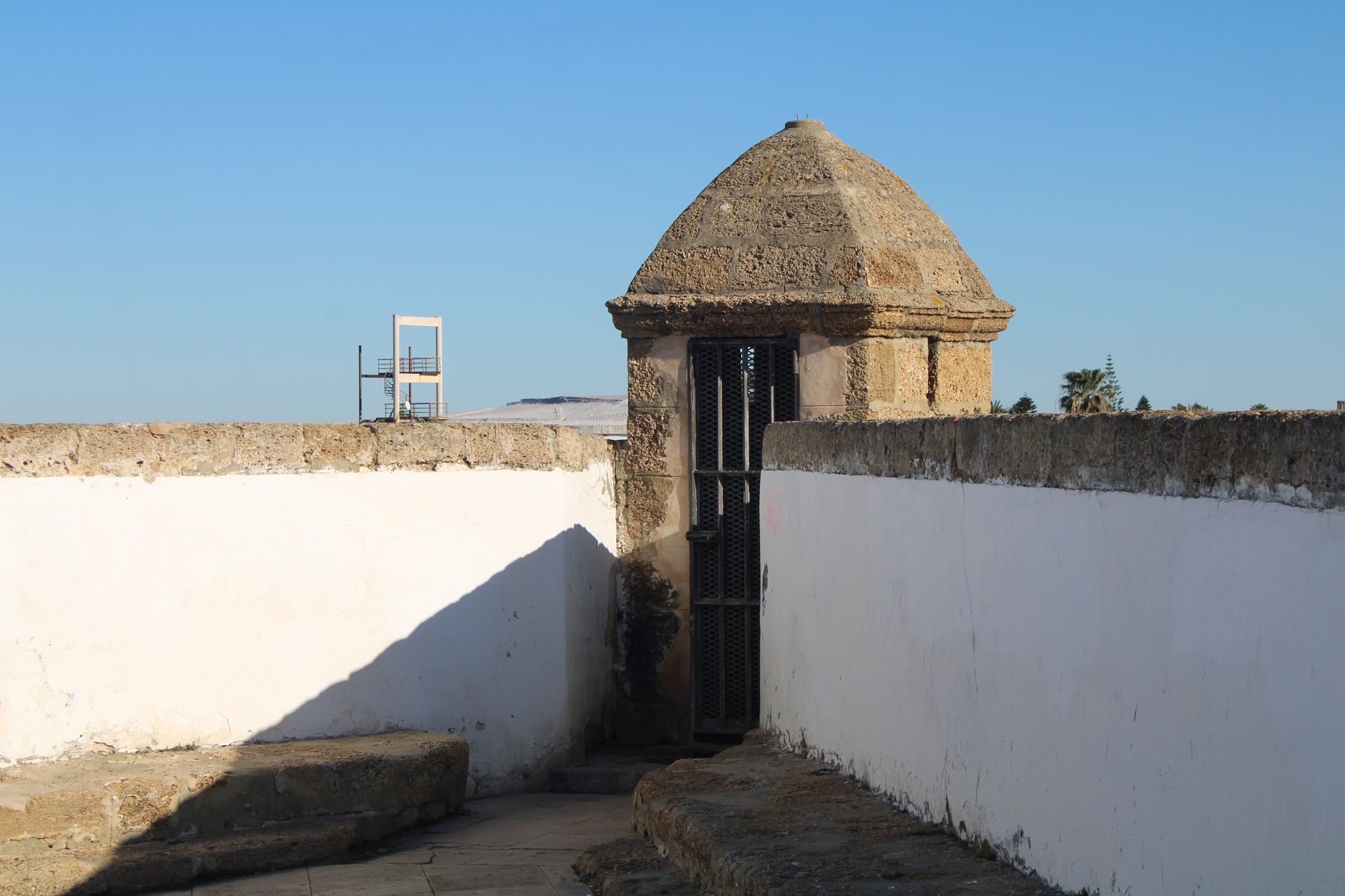
Phoenician sailors called it Gadir when they founded it around 1100 B.C., making Cádiz one of the oldest cities in the Western world. Carthaginians followed, then Rome — which the city welcomed willingly at the close of the Second Punic War and profited from accordingly. After seven centuries of Muslim rule, Alfonso X of Castile retook it in 1262.
The city's defining moment came in 1717, when the House of Trade moved here from Seville, handing Cádiz the commercial monopoly with the Americas and fuelling the 18th-century golden age that built its finest towers and churches. When Napoleon's armies occupied most of Spain, Cádiz held out and served as the country's capital from 1810 to 1813 — long enough for the liberal Cortes to promulgate La Pepa, Spain's first constitution, on 19 March 1812, debated in the Oratory of San Felipe Neri.
Who and what shaped it
People who shaped it
Landmark buildings
See Cádiz in motion
Plan your visit
On the map
When to go
Spring (March to May) is the most reliable season: temperatures between 19°C and 27°C, low rain, and long Atlantic light. July and August are completely dry and warm, reaching 29°C, though the city fills up; winter is mild at 12–14°C but carries most of the year's rainfall.
Right now
Background & history adapted from Wikipedia (CC BY-SA) · specs from Wikidata (CC0) · weather from Open-Meteo · map data © OpenStreetMap contributors · photos from Wikimedia Commons / Unsplash with per-image credit. No third-party reviews or social posts reproduced.