
Bursa
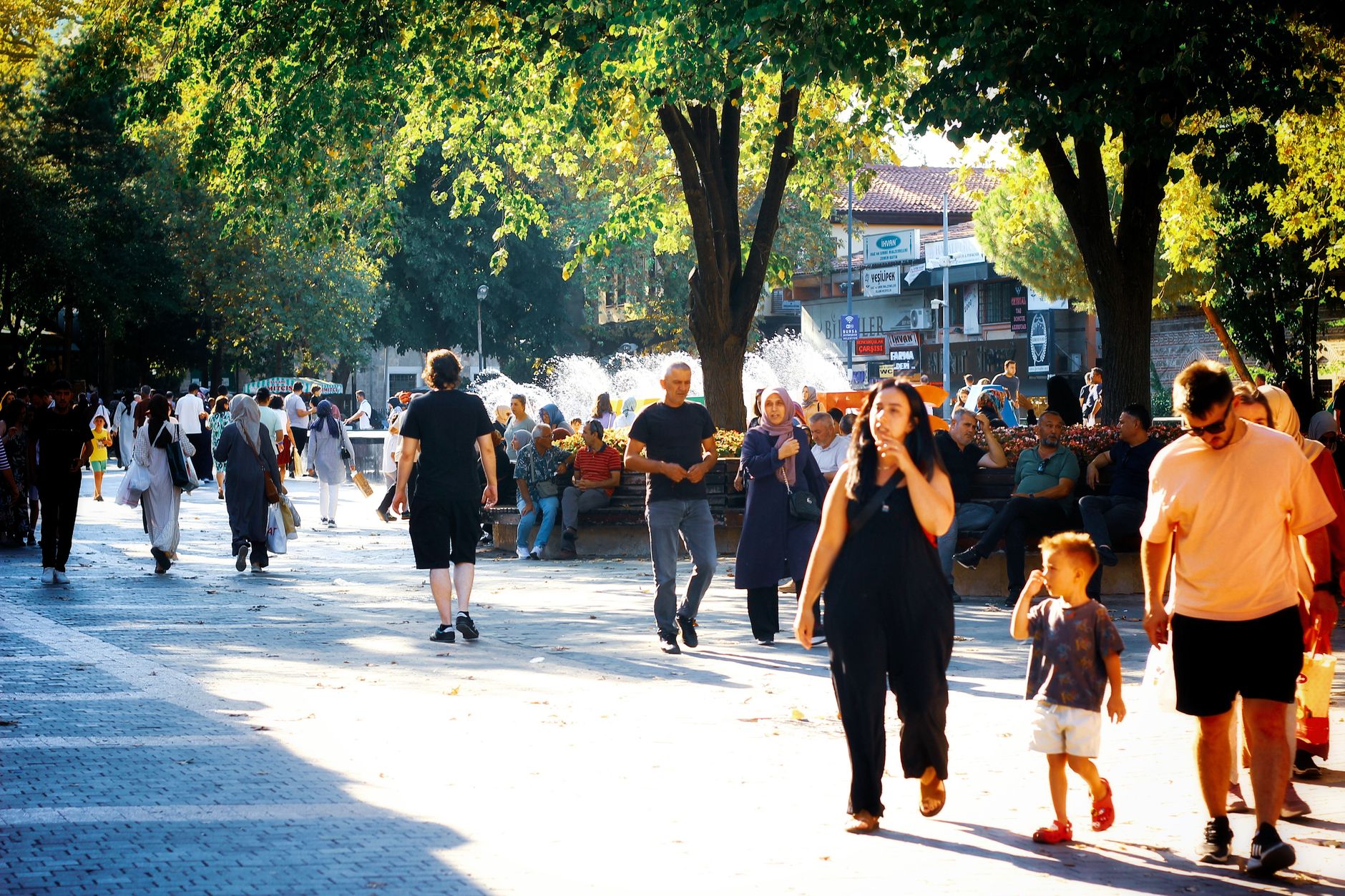
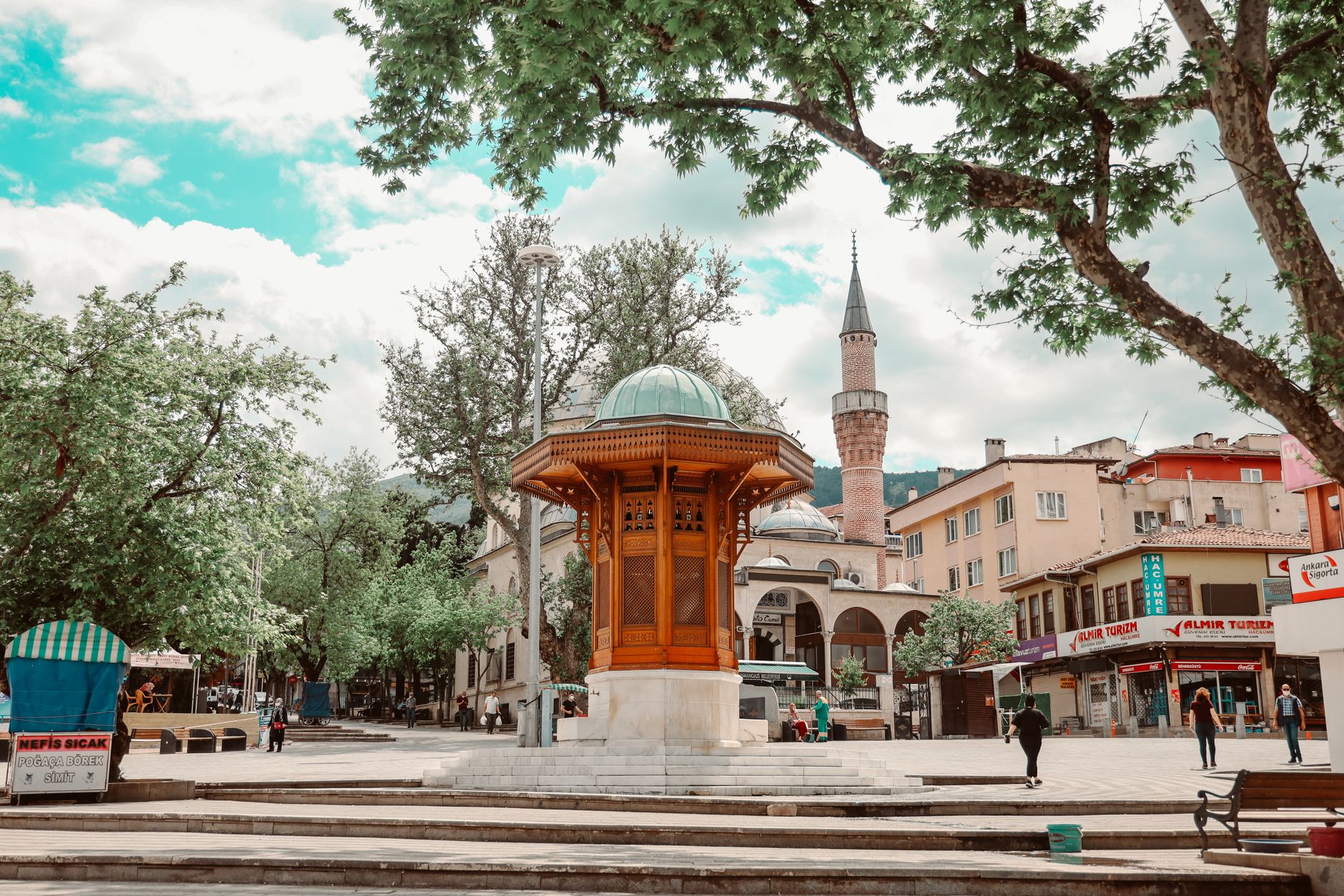
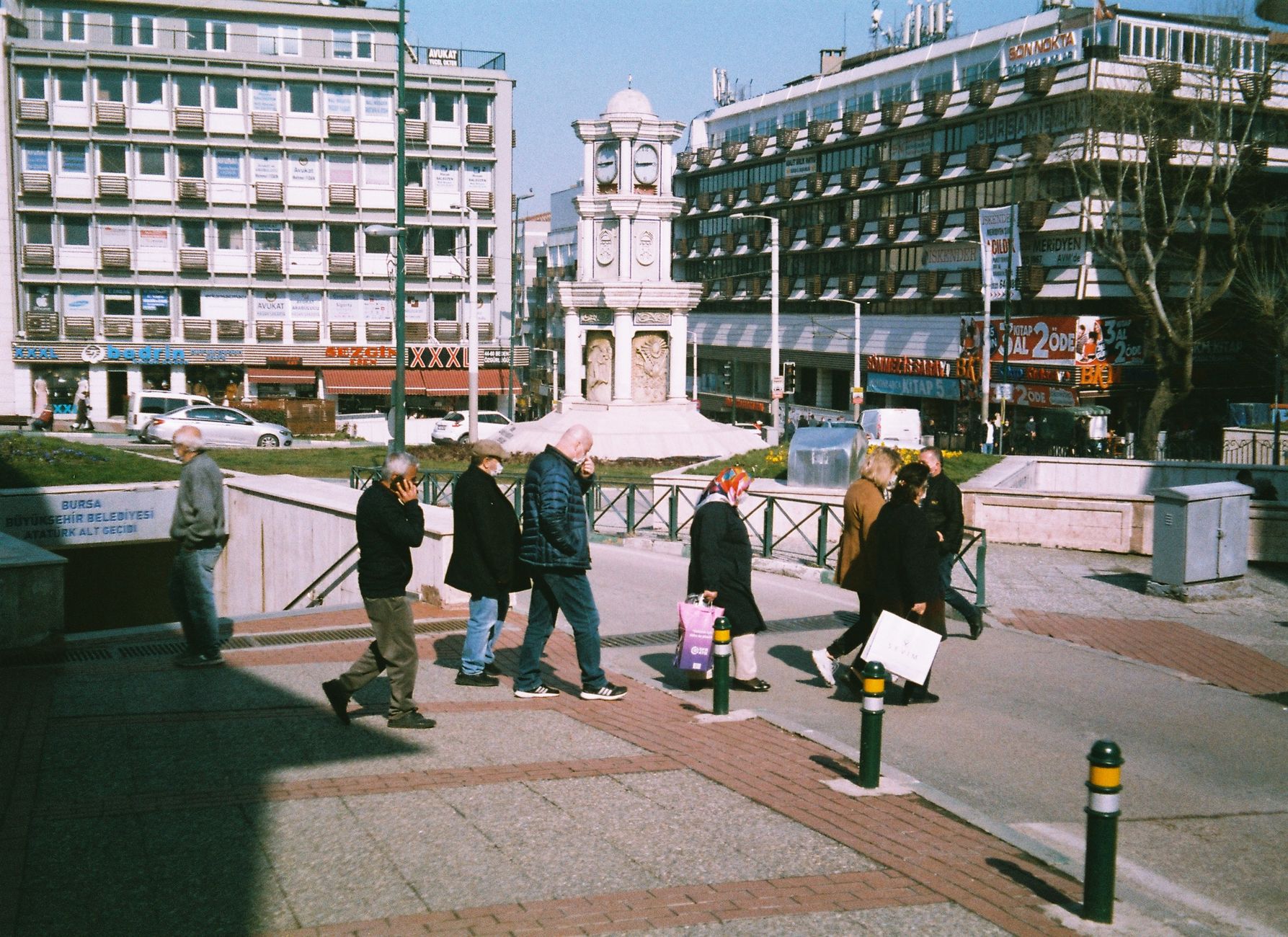
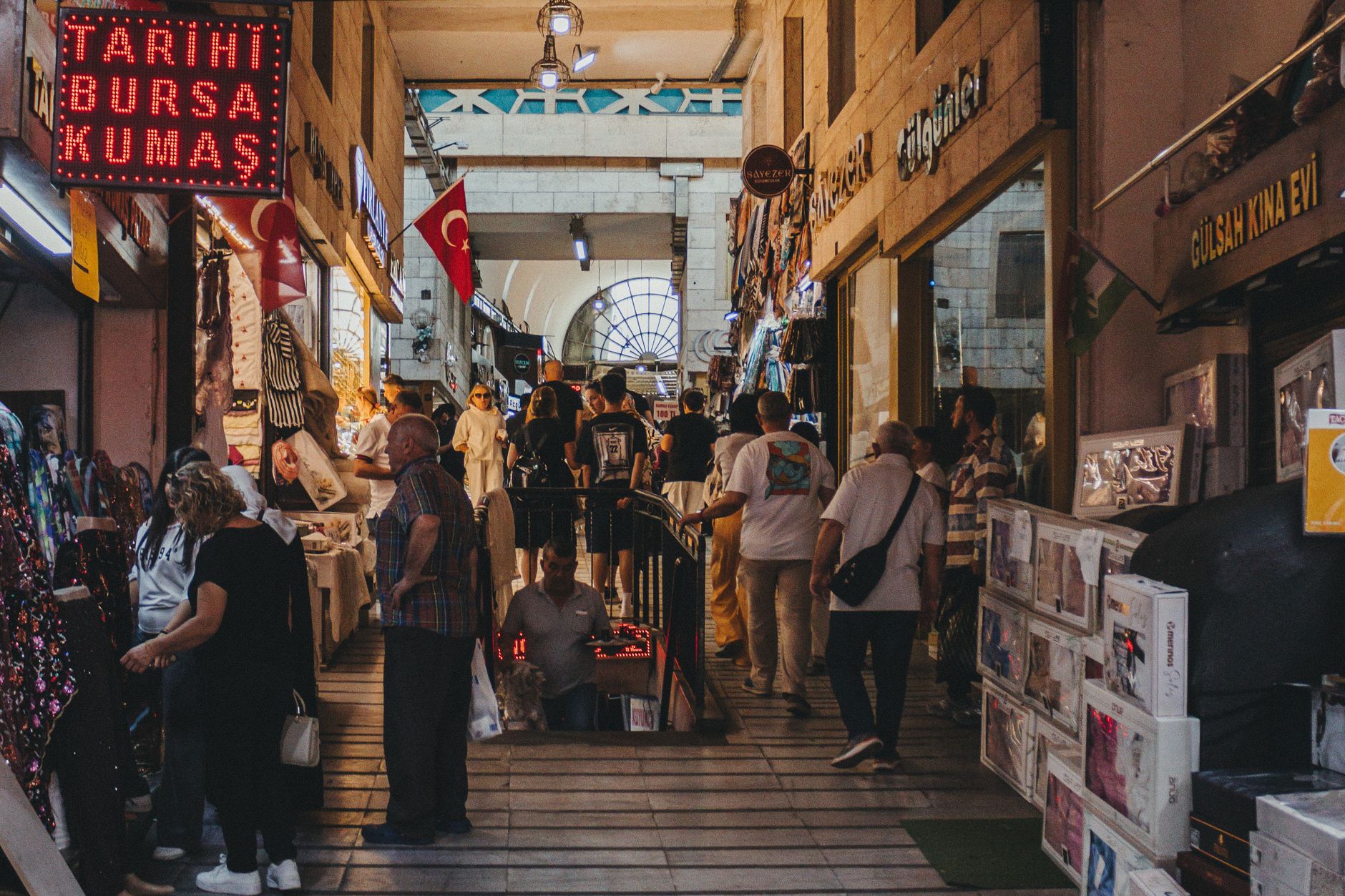
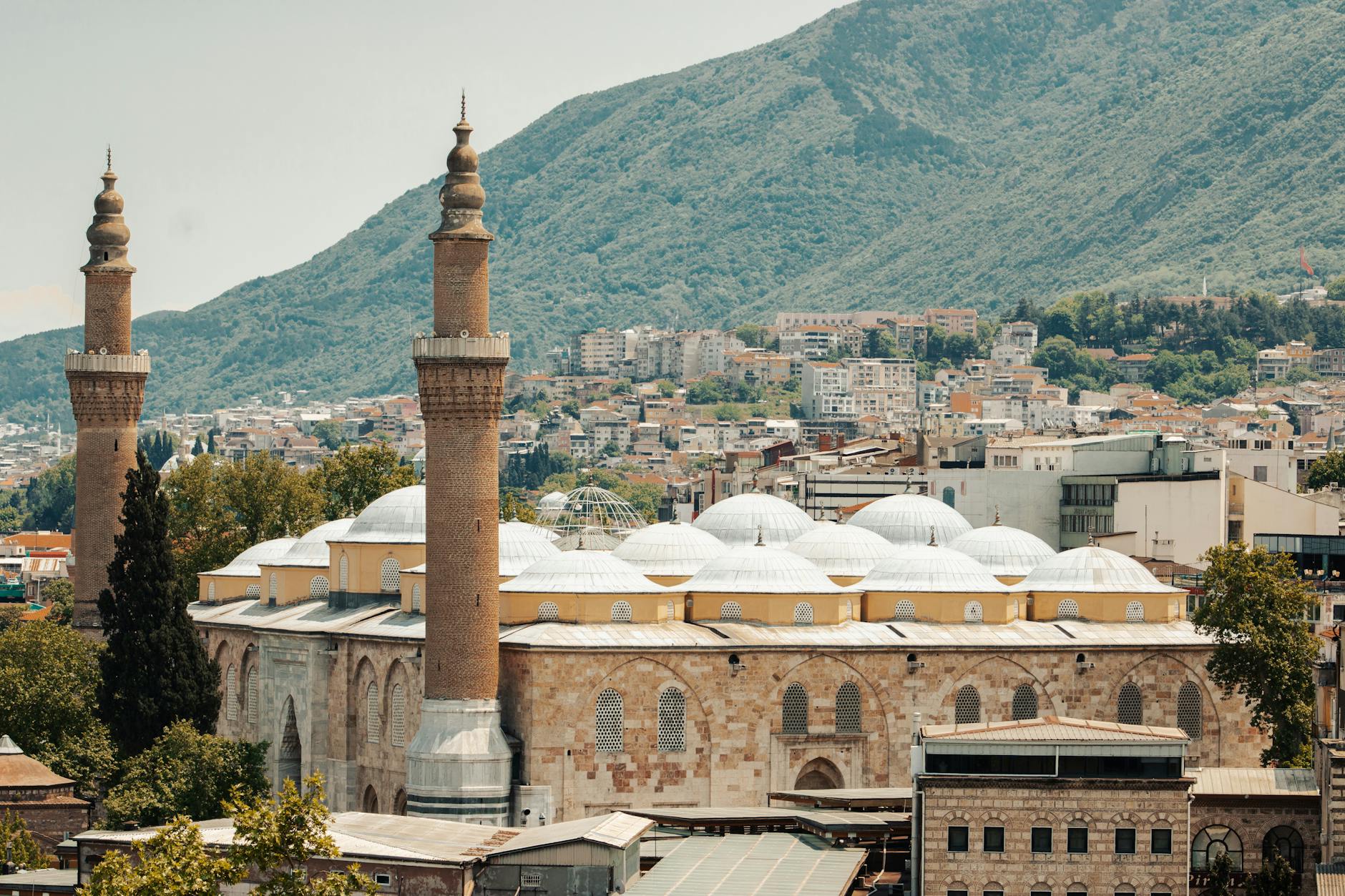
Bursa announces itself through its domes. Standing under the twenty of them inside the Grand Mosque — each one a different size, the largest open to the sky — you understand immediately that this city was once the place where the Ottoman world began to imagine itself. Silk made Bursa rich, thermal springs made it comfortable, and the mountain behind it, Uludağ, gave it a particular quality of light.
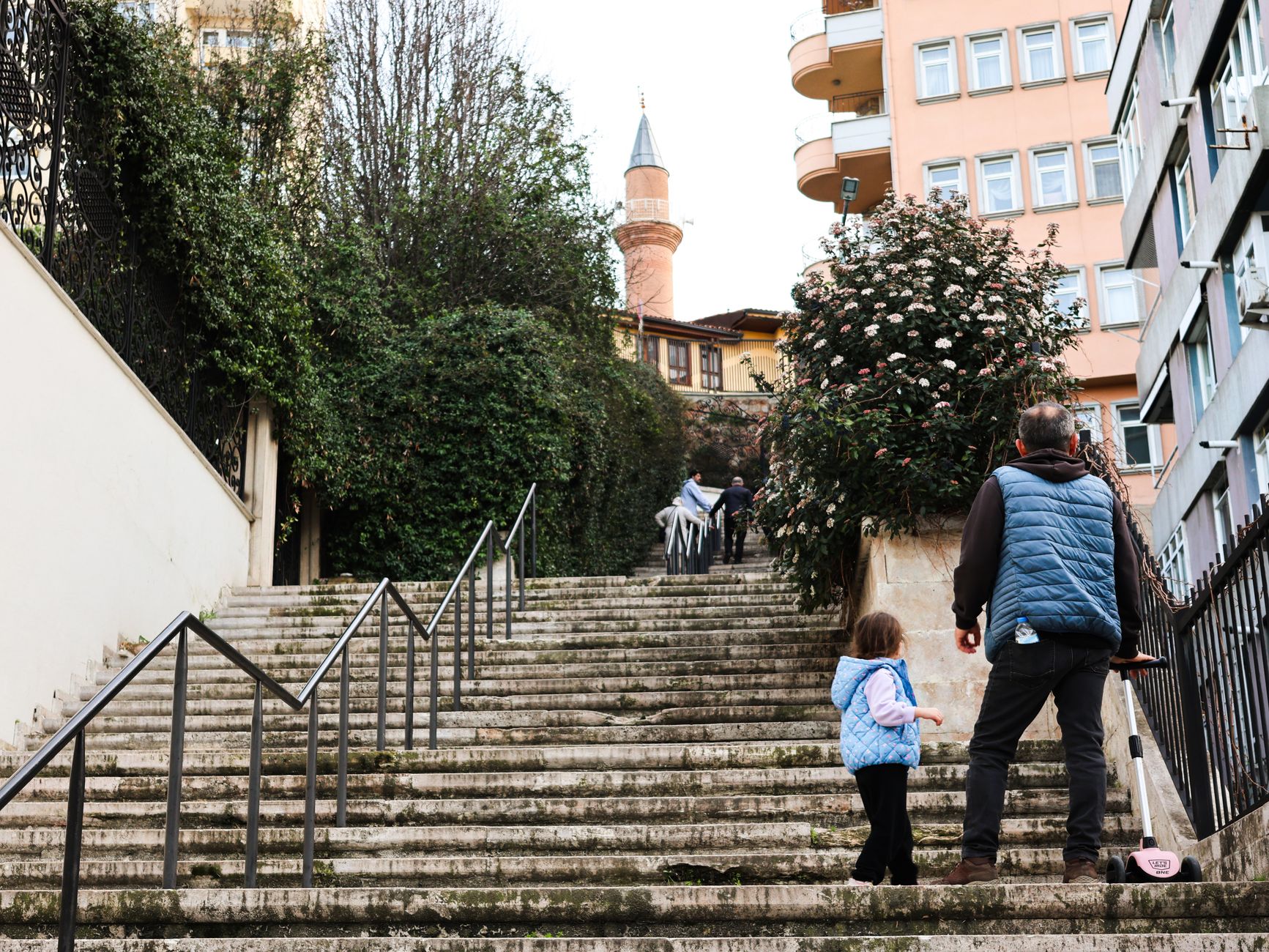
The first Ottoman capital still carries that founding weight. Tombs of sultans sit on terraces above the city. A bridge built in 1442 still crosses the Gökdere with its old market rooms intact. Bursa is a working industrial city now, but its medieval core has barely loosened its grip.
💛 What travellers fall for
People who come back tend to mention the same two things: the BursaKart — buy one immediately, it cuts fares to less than half — and the Hisar neighbourhood at dusk, when the citadel walls go amber and the city below disappears into haze. The tombs of Osman and Orhan on that terrace are quieter than you'd expect for a founding myth.
Experiences you don't want to miss


Deals in Bursa
Book directly at the provider


How Bursa came to be
The city starts with Prusias I of Bithynia, who founded it in the second century BCE and gave it his name — Prusa. Centuries later, the Byzantine emperor Justinian I built a palace here, and the city prospered under Constantinople's long shadow. Then, around 1317, Osman I Ghazi began a siege that would outlast him. He died around 1324 without seeing the city fall; his son Orhan took Bursa on 6 April 1326 and made it the first capital of what would become the Ottoman Empire.
For roughly four decades, Bursa was the centre of that expanding world — the place where the first Ottoman mosques, baths, and madrasas were raised, and where the first Ottoman coins were struck. The capital shifted to Edirne in the 1360s, but Bursa kept its symbolic gravity. The UNESCO inscription in 2014, under the title 'Bursa and Cumalıkızık: the Birth of the Ottoman Empire,' only confirmed what the city's skyline had always argued.
Who and what shaped it
People who shaped it
Landmark buildings
See Bursa in motion
Plan your visit
On the map
When to go
Summers are warm and occasionally humid, with temperatures regularly reaching the mid-thirties; the city's proximity to Uludağ keeps evenings cooler than the coast. Winters are mild but wet, with snow possible on higher ground — spring and October offer the most reliable conditions for walking the historic districts.
Right now
Background & history adapted from Wikipedia (CC BY-SA) · specs from Wikidata (CC0) · weather from Open-Meteo · map data © OpenStreetMap contributors · photos from Wikimedia Commons / Unsplash with per-image credit. No third-party reviews or social posts reproduced.