
Burj Khalifa District
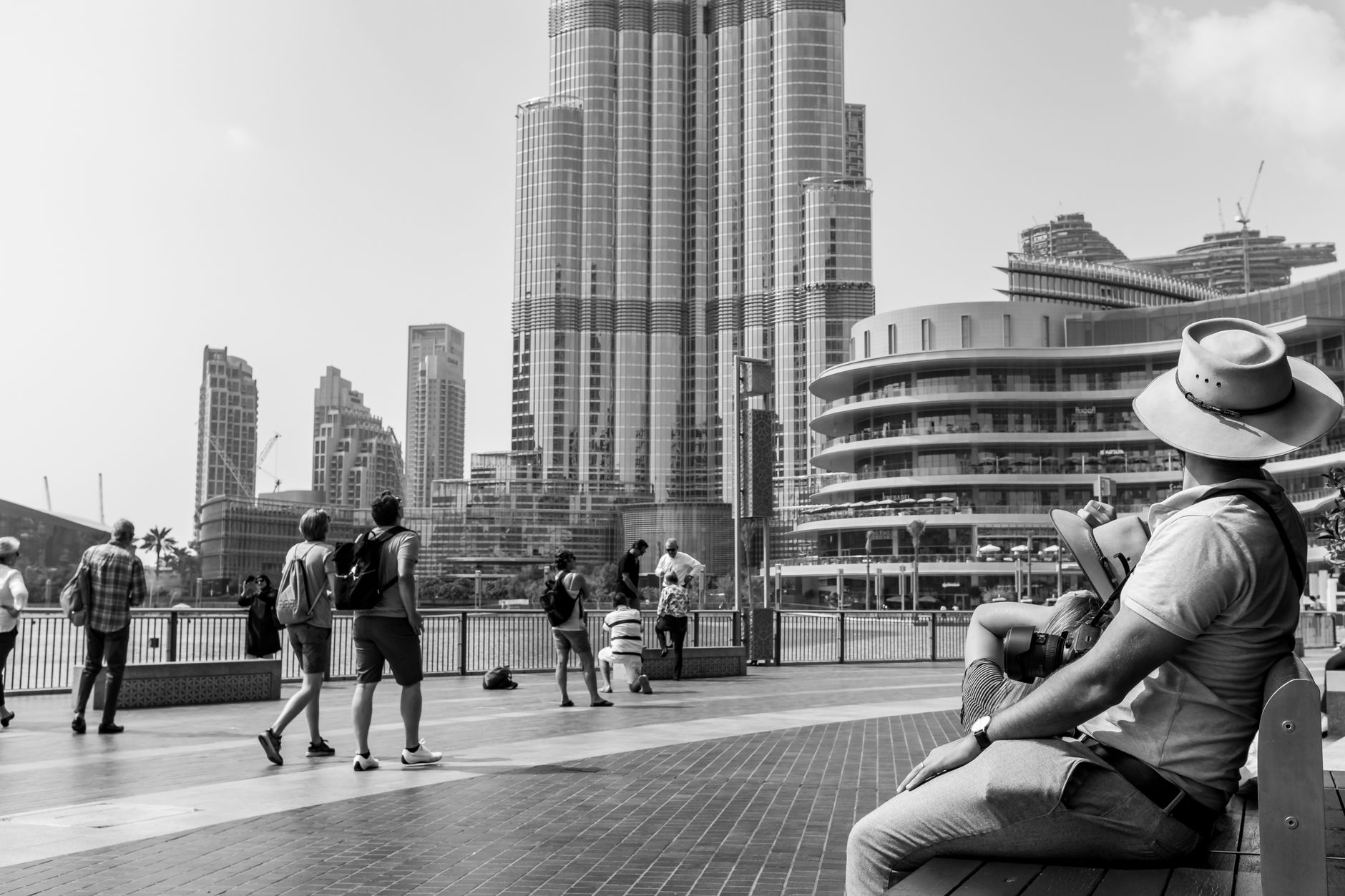
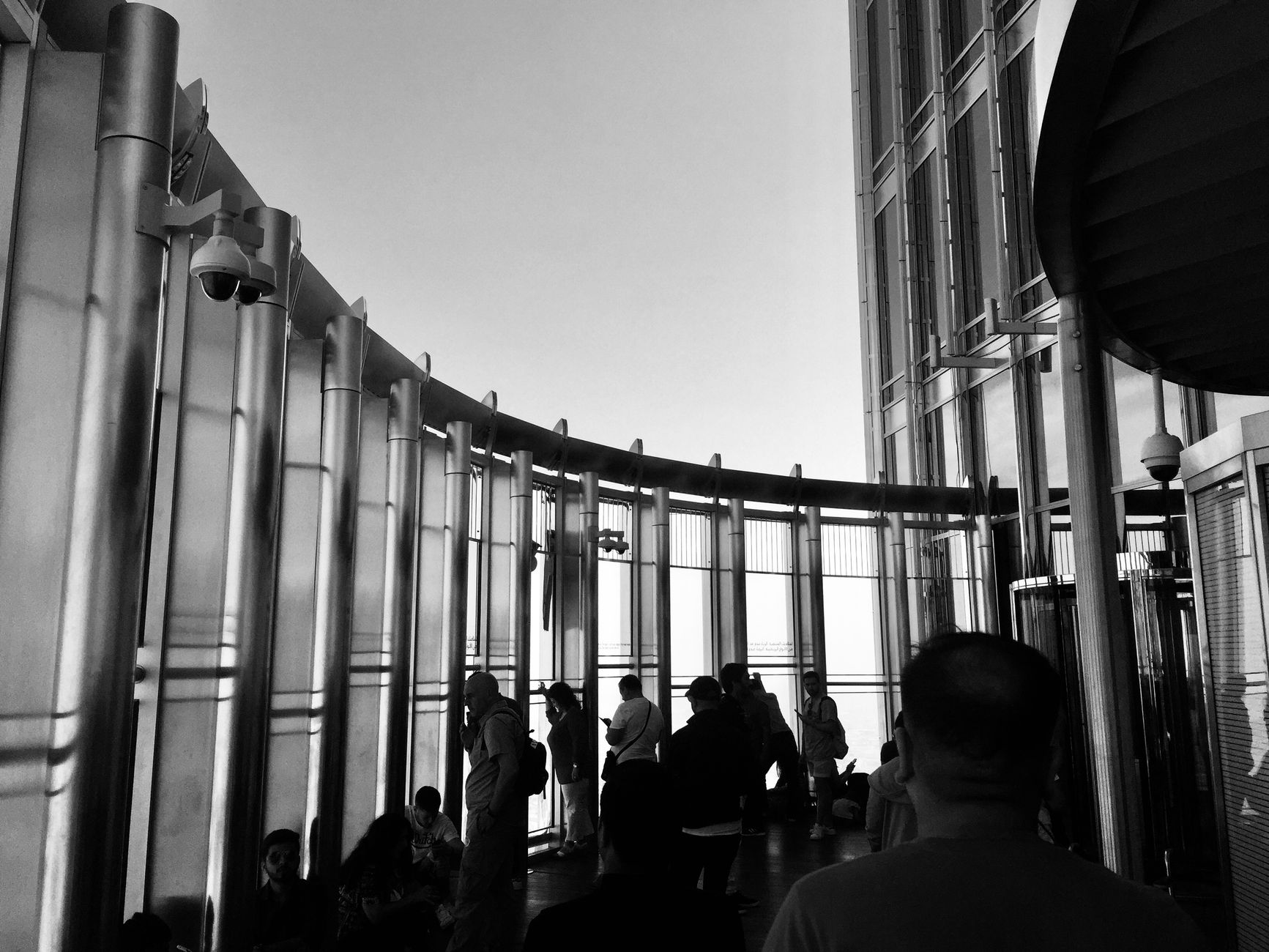
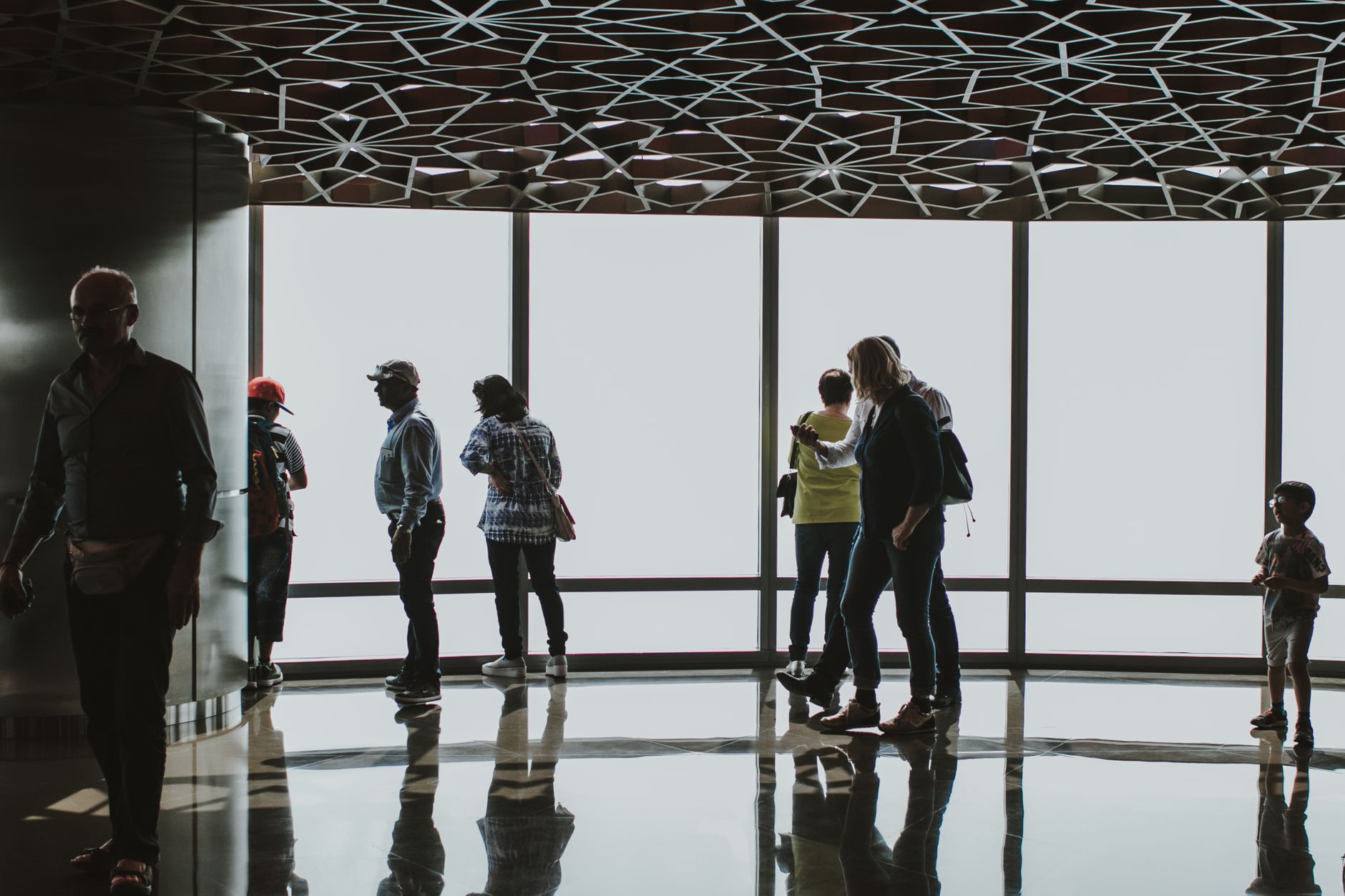
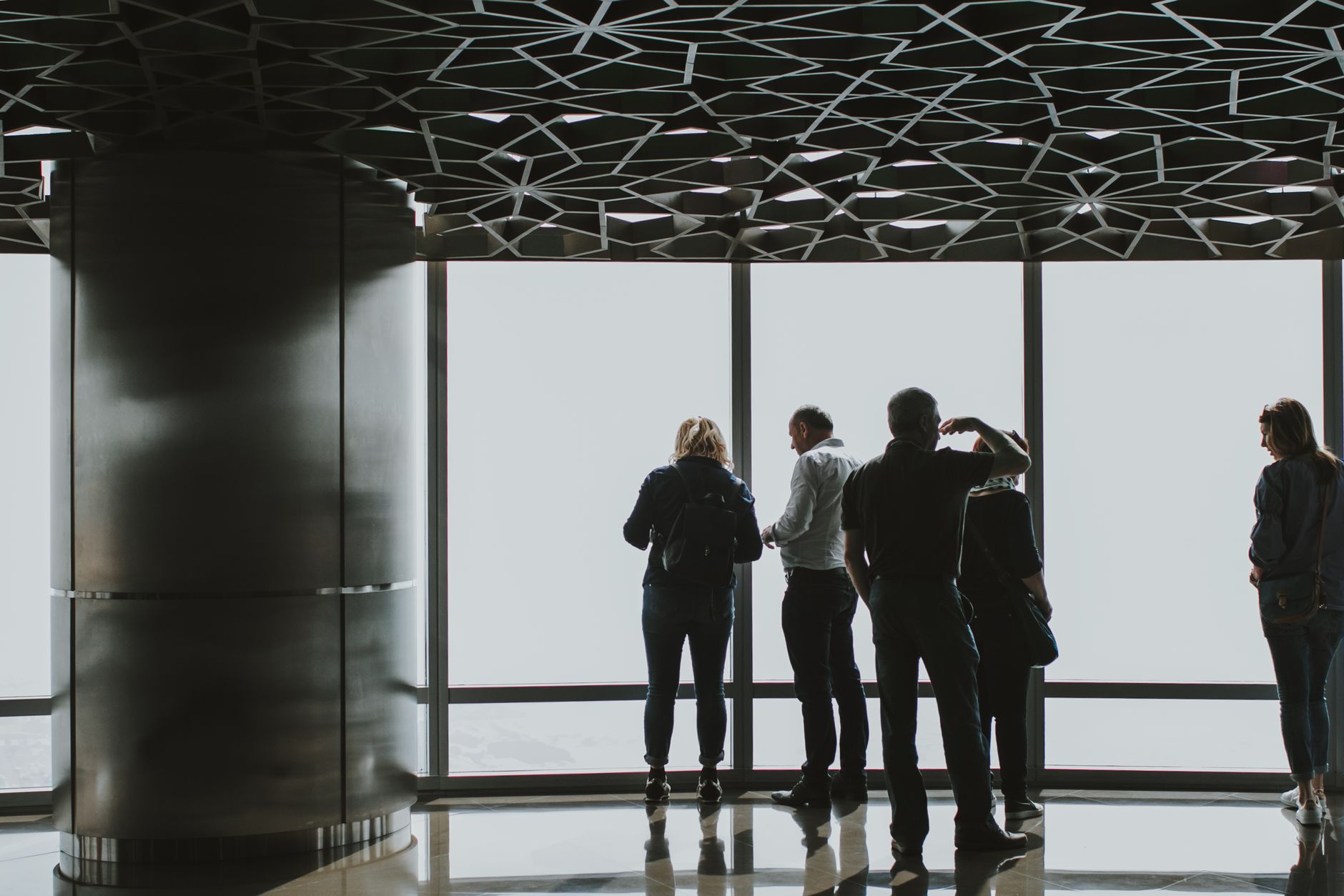
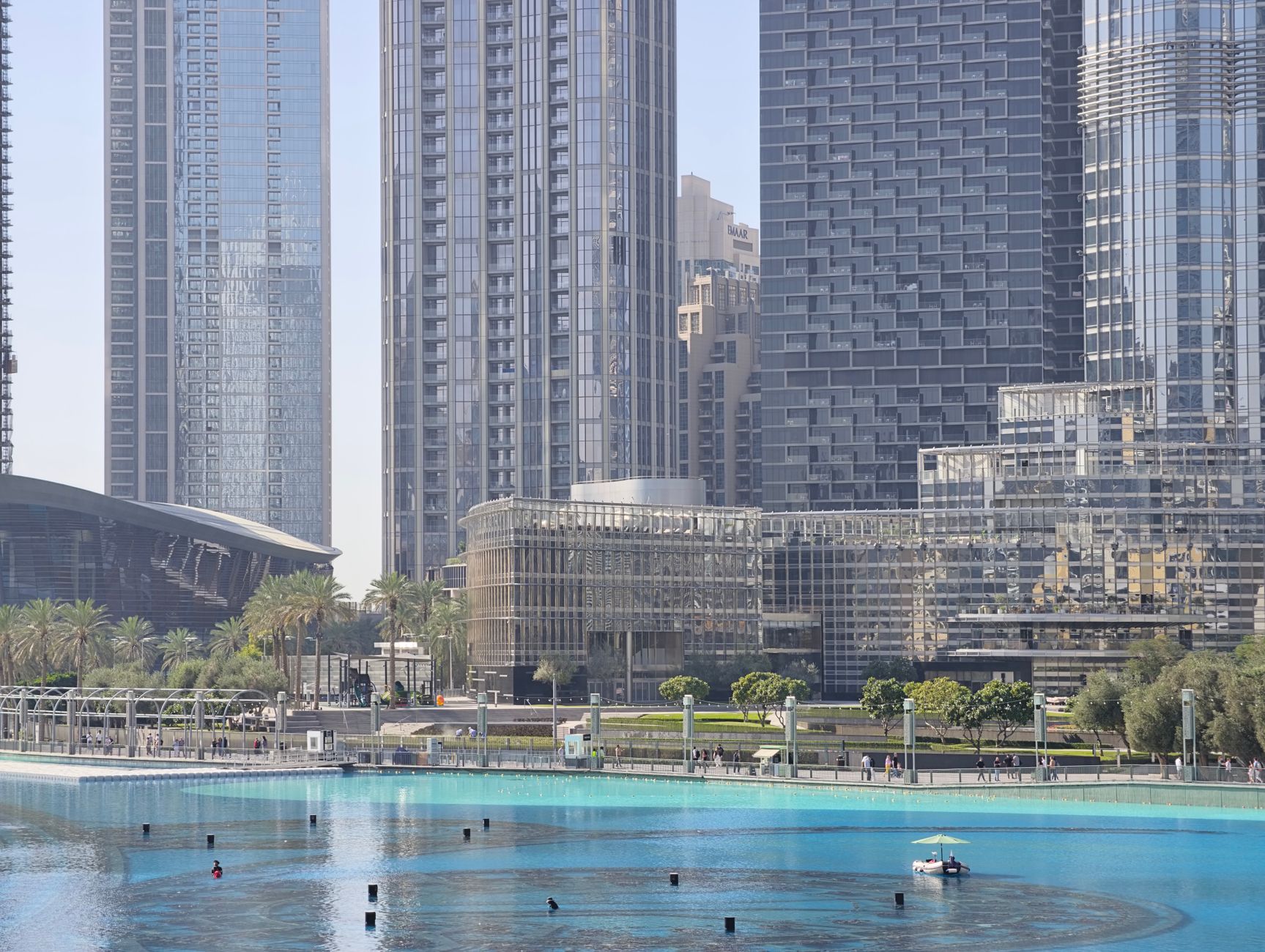
At 829.8 metres, the Burj Khalifa is simply the tallest structure humans have ever built — and the district shaped around it is less a neighbourhood than a calculated act of city-making. Thirty thousand homes, a twelve-hectare artificial lake, the Dubai Mall, and a fountain that choreographs water 150 metres into the air all orbit the tower like planets around a very deliberate sun.
What surprises most visitors is the scale of the ground-level experience. The tower reads differently from the base than from across the city — its Y-shaped geometry, derived in part from the spiralling geometry of the Great Mosque of Samarra, only becomes legible up close.
💛 What travellers fall for
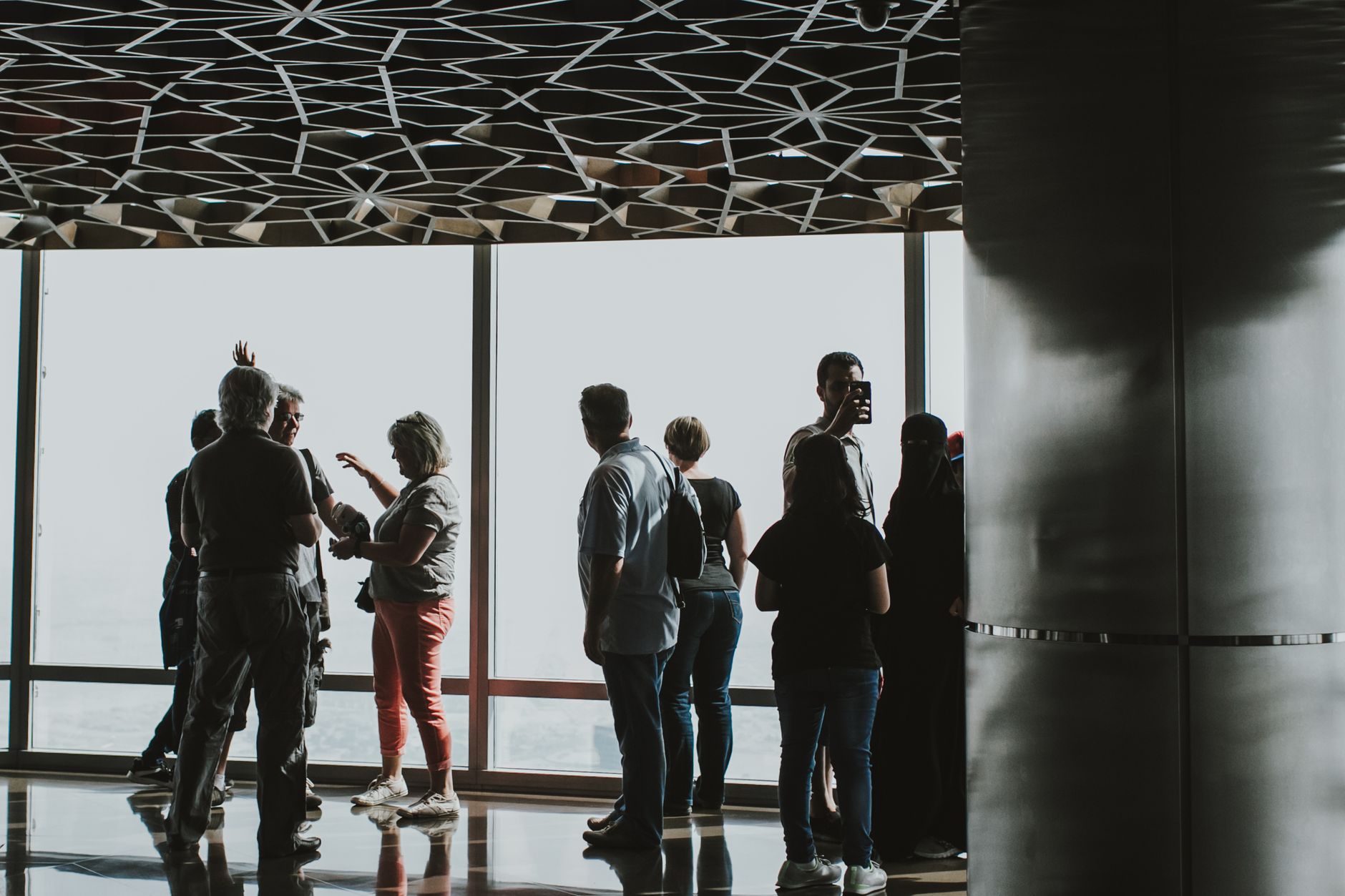
People who come back tend to time the fountain show from Souk Al Bahar rather than the Mall-side boardwalk — the view is unobstructed and rarely crowded. Book the 148th-floor deck on a weekday morning; the light is cleaner and the queues shorter than any sunset slot.
How Burj Khalifa District came to be
Excavation started on 6 January 2004, with the stated ambition of anchoring Dubai's shift away from oil dependency toward tourism and international investment. Designed by Skidmore, Owings & Merrill — with Adrian Smith as chief architect and Bill Baker as structural engineer — the tower topped out in 2009, surpassing Taipei 101 as the world's tallest structure before it even opened.
It launched on 4 January 2010 under a new name. Originally called Burj Dubai, it was renamed Burj Khalifa to honour Khalifa bin Zayed Al Nahyan, ruler of Abu Dhabi, whose government had extended Dubai tens of billions of dollars to cover debts accumulated during the financial crisis. The name change is embedded in the building's origin story.
Who and what shaped it
People who shaped it
Landmark buildings
See Burj Khalifa District in motion
Plan your visit
On the map
When to go
November through March is the window worth aiming for — temperatures settle between 17 and 30°C, the air is clear, and the views from the observation decks carry furthest. June through August, with heat around 37°C, makes the outdoor surroundings uncomfortable, though the tower itself is air-conditioned throughout.
Right now
Background & history adapted from Wikipedia (CC BY-SA) · specs from Wikidata (CC0) · weather from Open-Meteo · map data © OpenStreetMap contributors · photos from Wikimedia Commons / Unsplash with per-image credit. No third-party reviews or social posts reproduced.