
Burj Khalifa
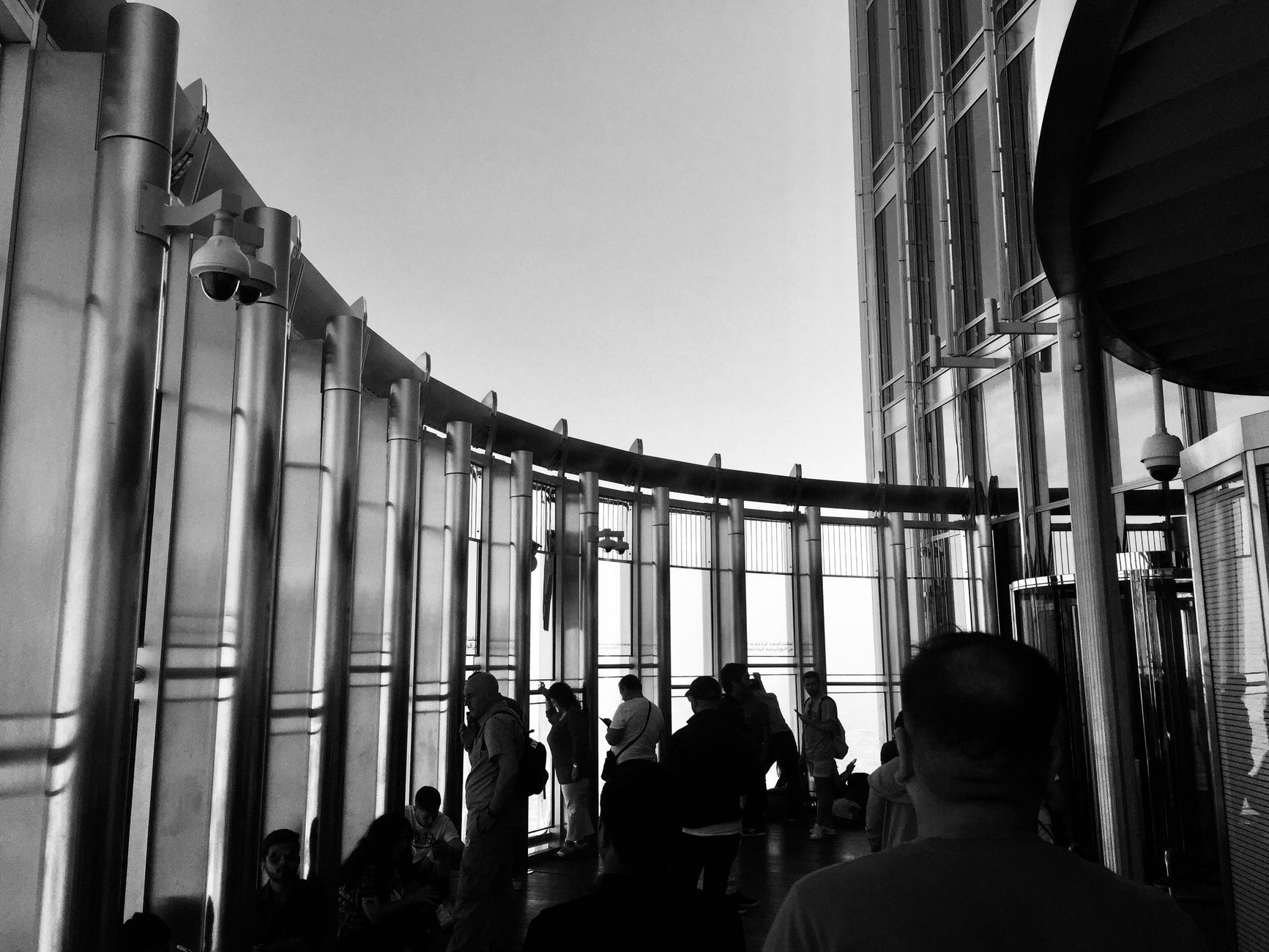
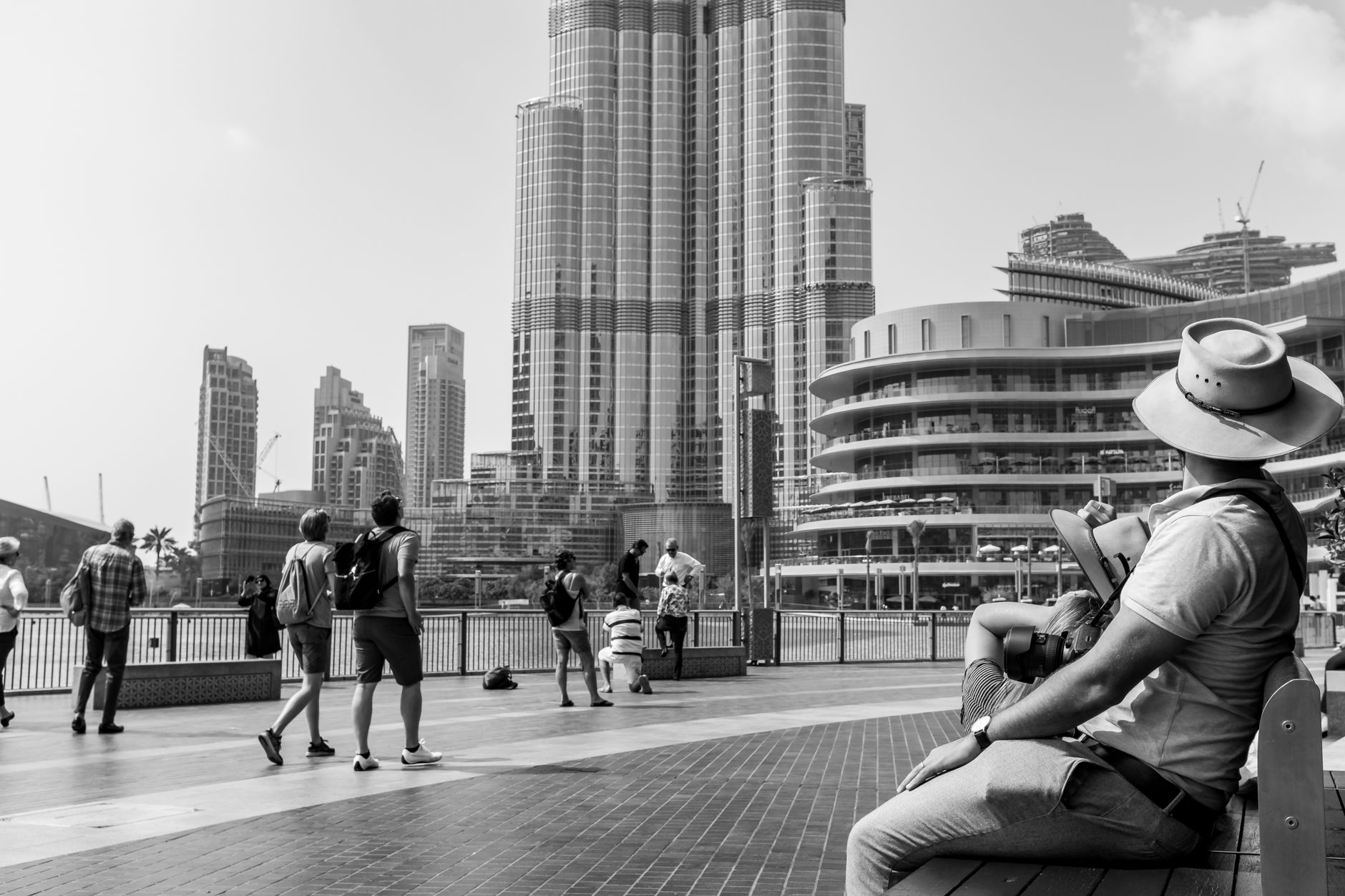
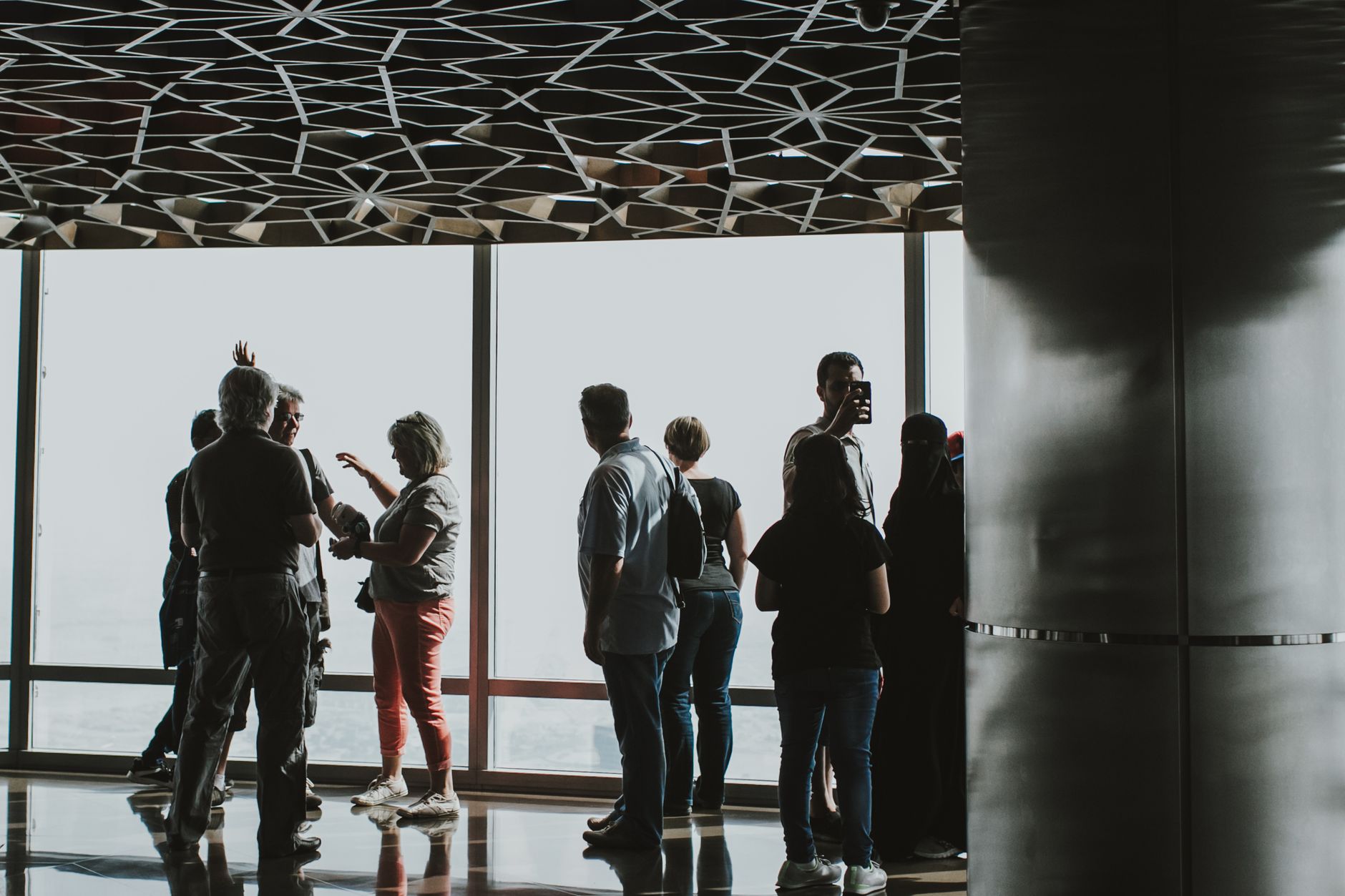
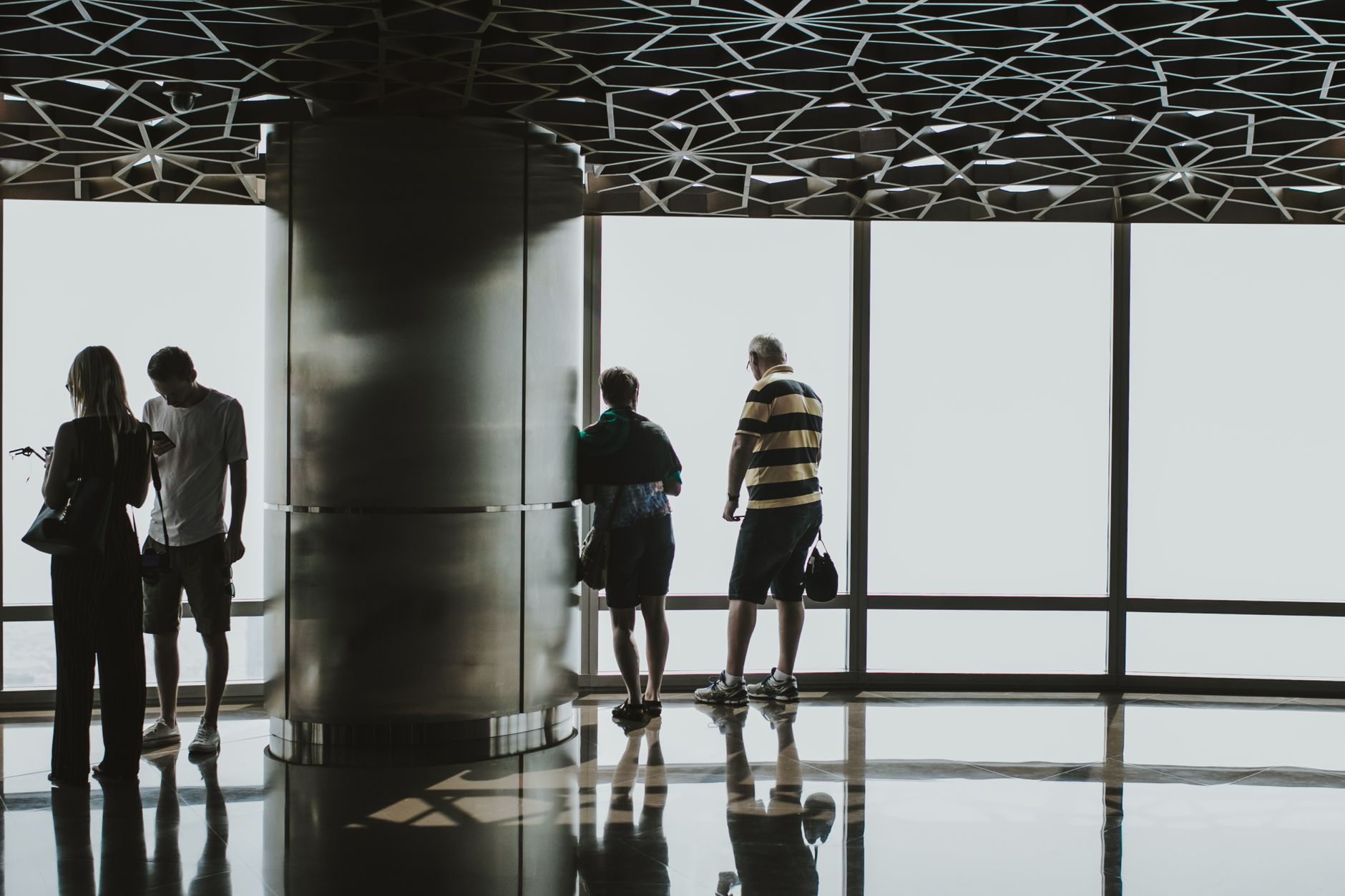
At 828 metres, the Burj Khalifa is the tallest structure humans have ever built, and standing at its base you feel that fact in your body before your mind catches up. The triple-lobed footprint — drawn from the geometry of a desert spider lily — spirals upward through 163 floors, shedding mass as it rises until the spire seems to dissolve into whatever the sky is doing that day.
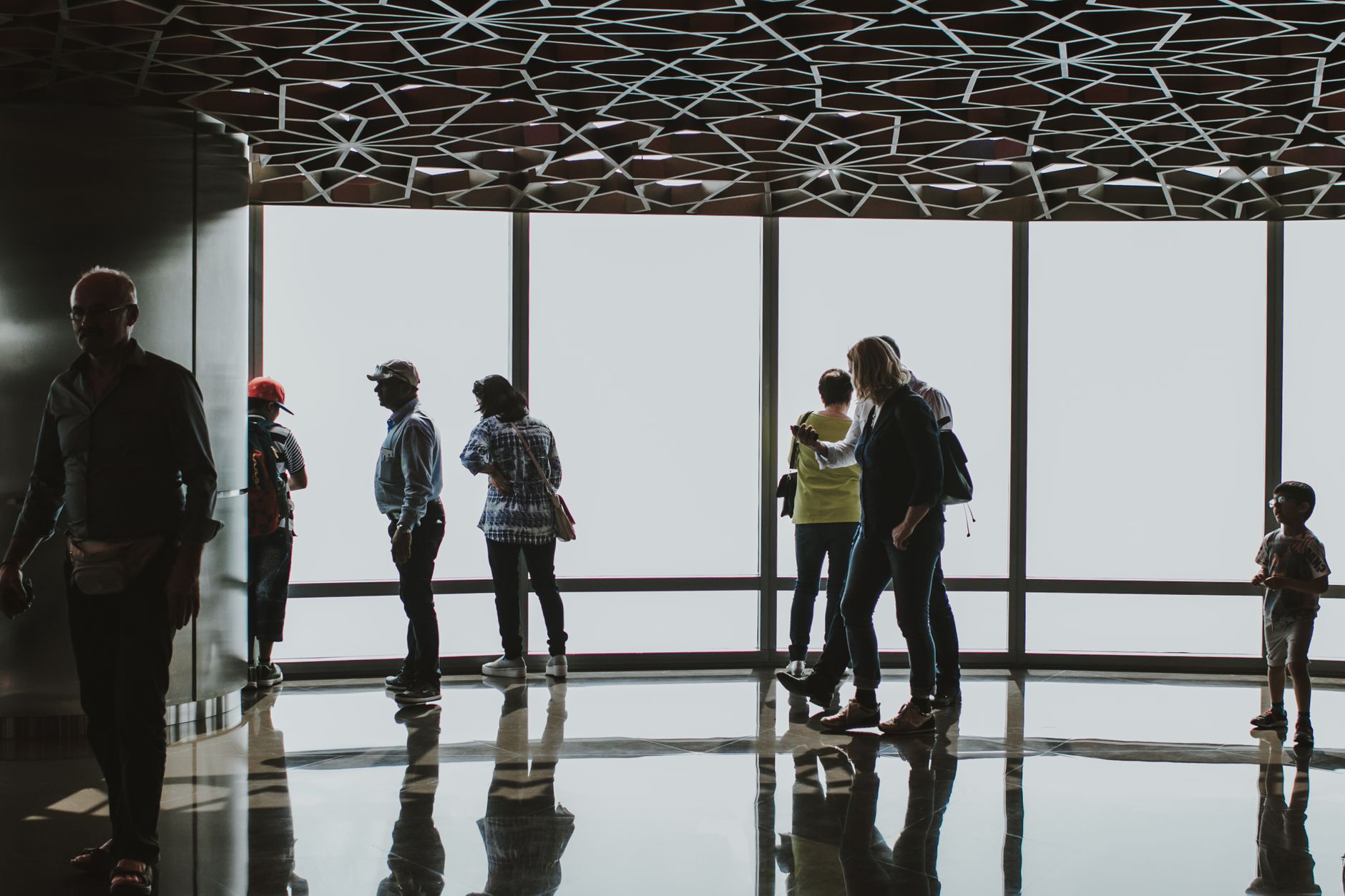
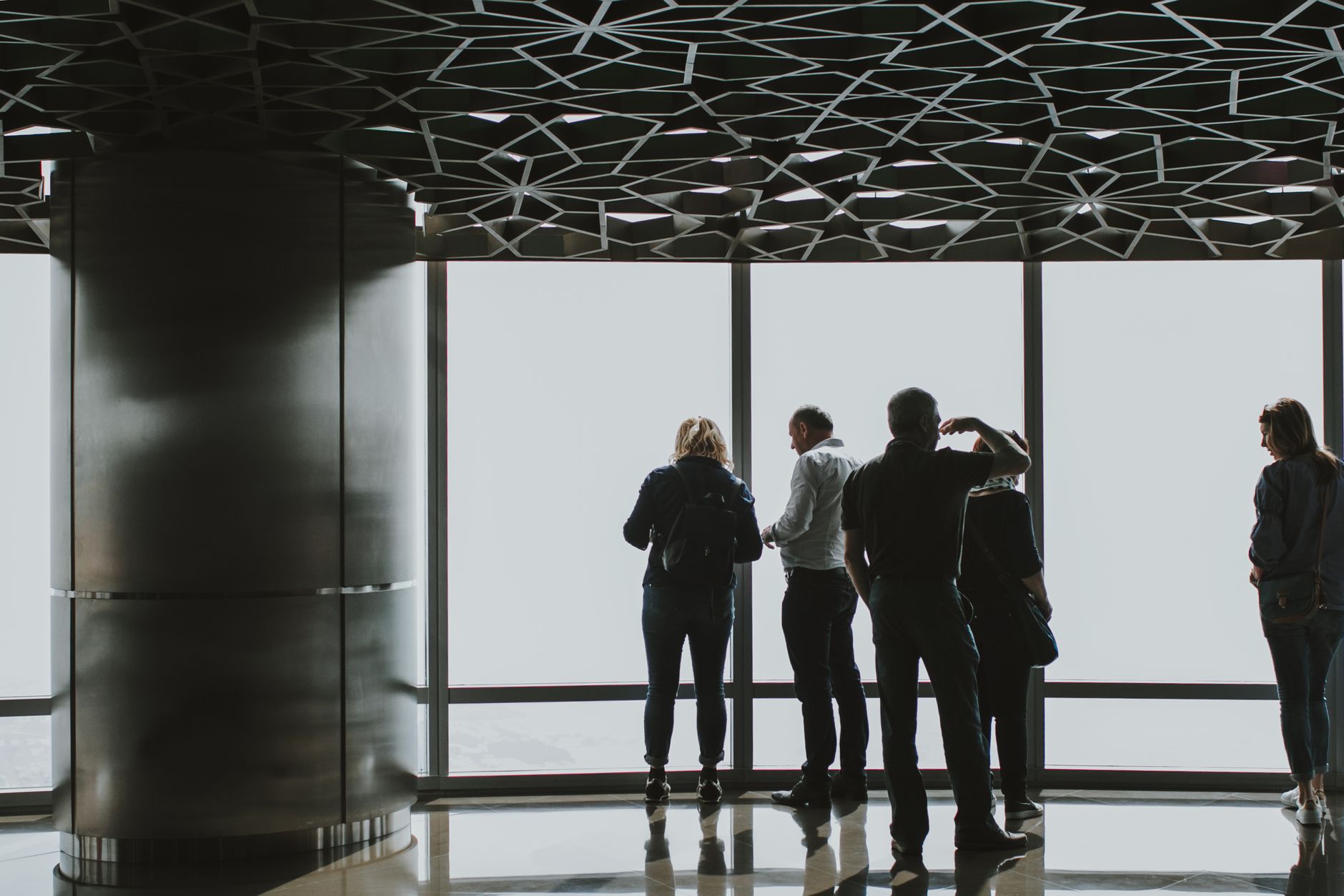
The building holds an Armani Hotel, private residences, offices, and observation decks at levels 124, 125, and 148, plus a lounge at 585 metres that currently sits higher than any other lounge on earth. It is less a single attraction than a vertical neighbourhood you move through.
💛 What travellers fall for
People who've been more than once tend to land on the same advice: skip the Silver-tier crowds at levels 124–125 and put the money toward Level 148 instead. And book your slot to arrive ninety minutes before sunset — the light on the desert and the Creek changes fast, and you want to be already up there when it starts.
How Burj Khalifa came to be
Construction broke ground on 12 January 2004, and the exterior was complete by October 2009. The tower opened on 4 January 2010 under the name Burj Dubai, developed by Emaar Properties, with architect Adrian Smith and structural engineer William F. Baker of Skidmore, Owings & Merrill leading the design. Samsung C&T of South Korea — the same contractor behind Taipei 101 and the Petronas Towers — served as main contractor alongside Belgium's Besix and UAE-based Arabtec.
At the inauguration ceremony, the building was renamed Burj Khalifa in honour of Sheikh Khalifa bin Zayed Al Nahyan, then president of the UAE, whose government in Abu Dhabi had extended financial support to Dubai during the pressures of the global recession — a detail that quietly encodes the federation's internal politics into the tower's very name.
Who and what shaped it
People who shaped it
Landmark buildings
See Burj Khalifa in motion
Plan your visit
On the map
When to go
November through March brings cooler, more comfortable temperatures but also the heaviest tourist traffic. April through September is significantly quieter, though Persian Gulf heat can reach 50°C at street level — the tower's interiors are fully air-conditioned, but the walk from the metro will remind you of the season.
Right now
Background & history adapted from Wikipedia (CC BY-SA) · specs from Wikidata (CC0) · weather from Open-Meteo · map data © OpenStreetMap contributors · photos from Wikimedia Commons / Unsplash with per-image credit. No third-party reviews or social posts reproduced.