
Brno
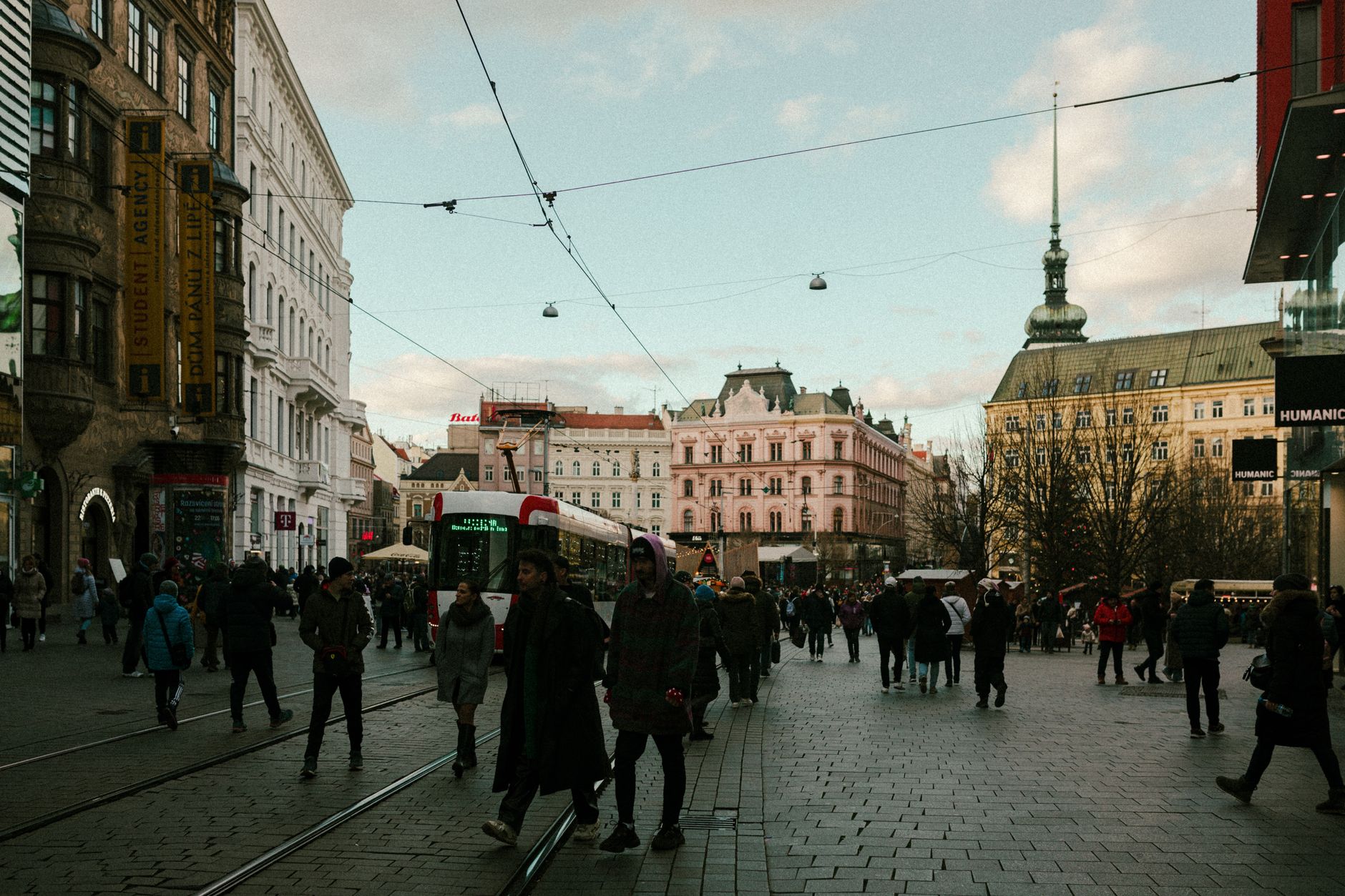
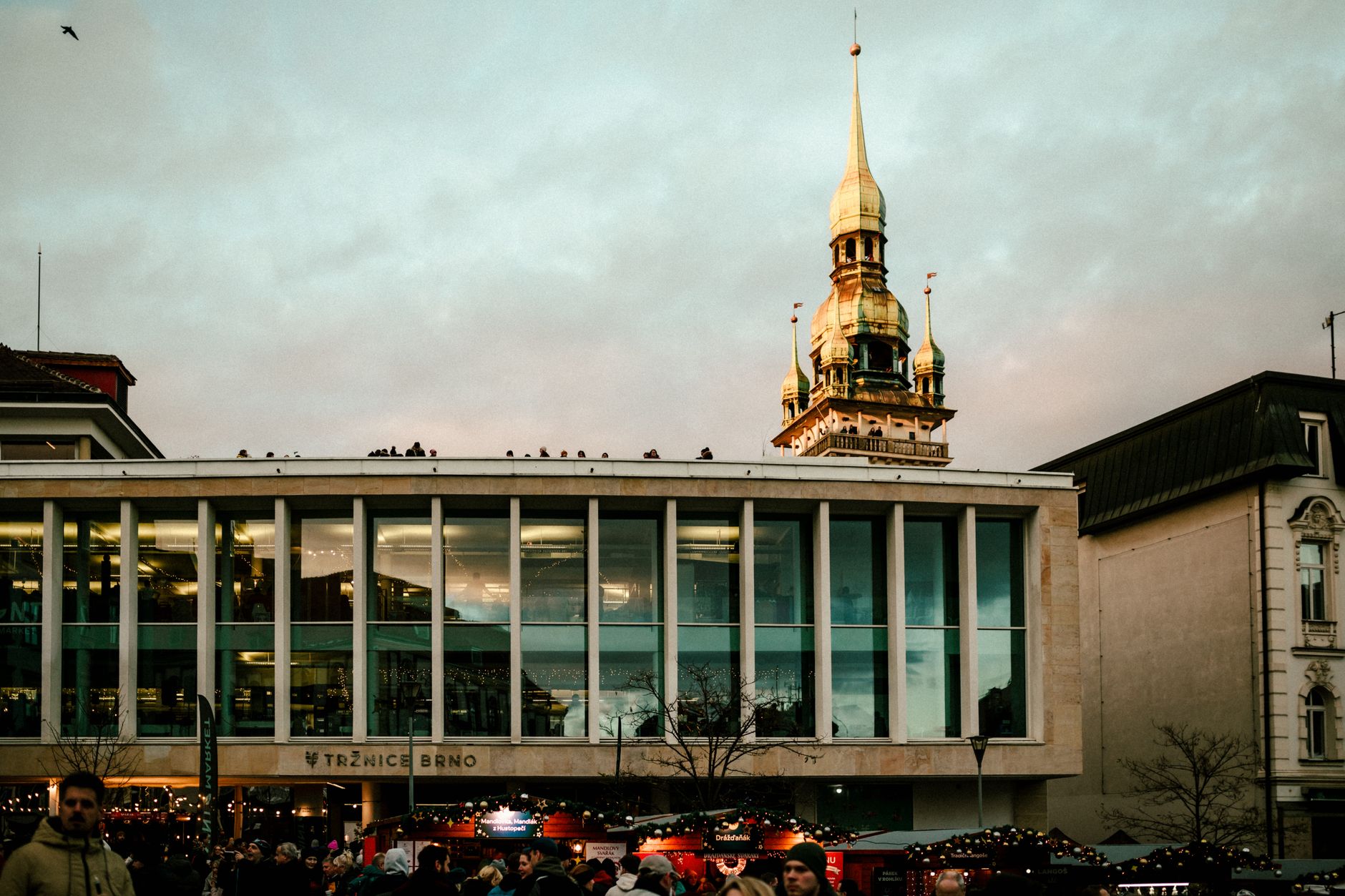
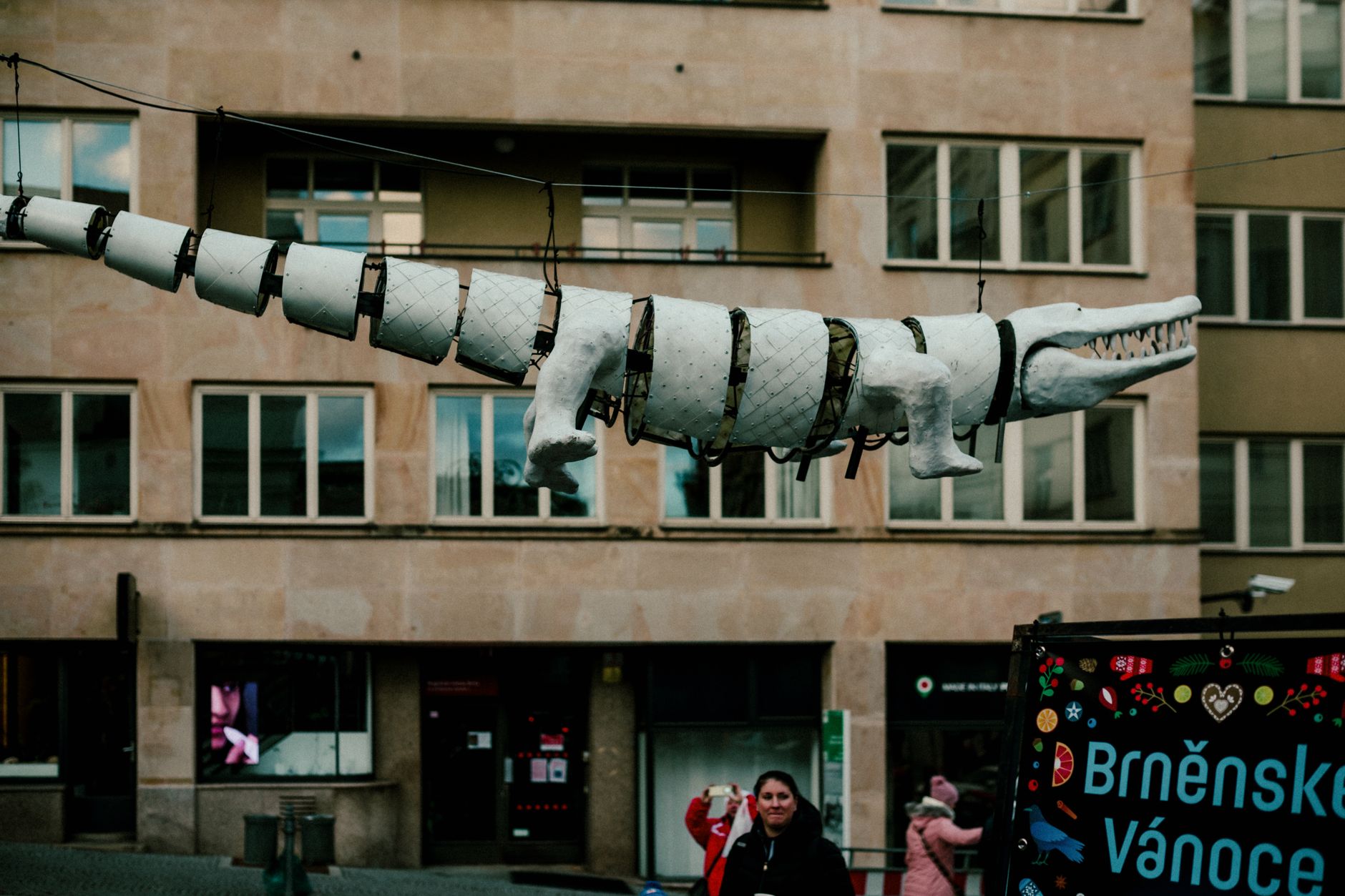
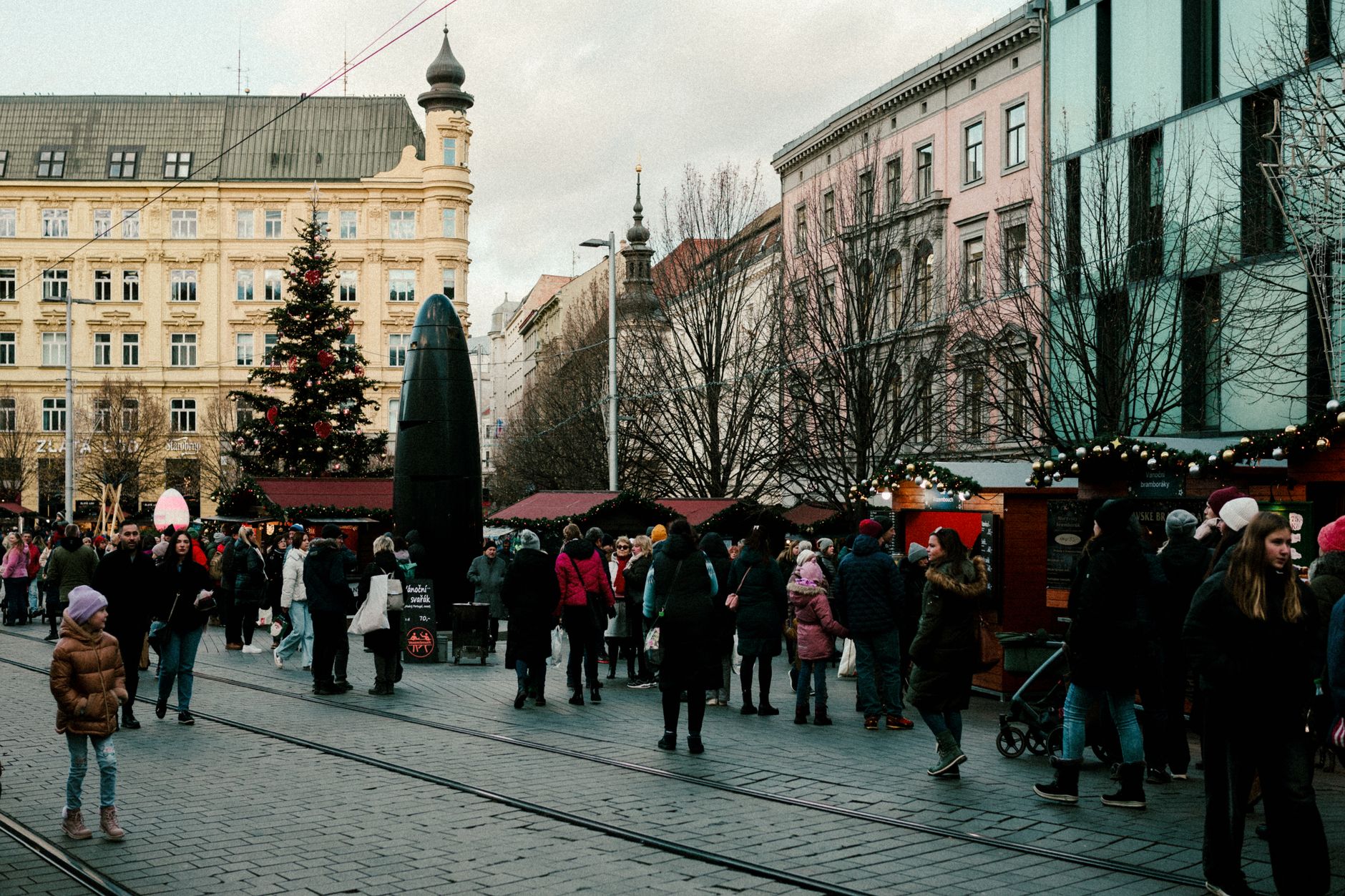
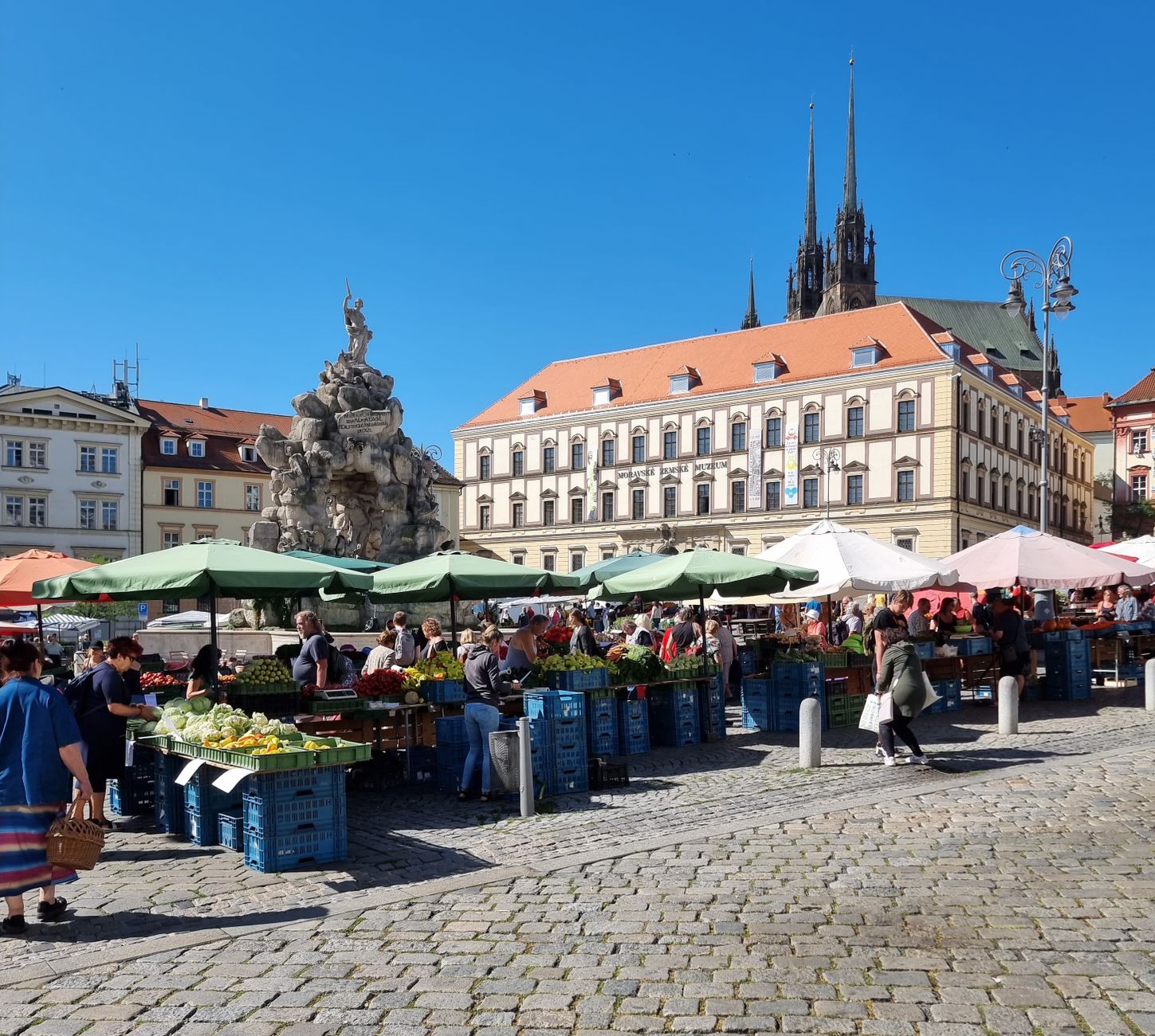
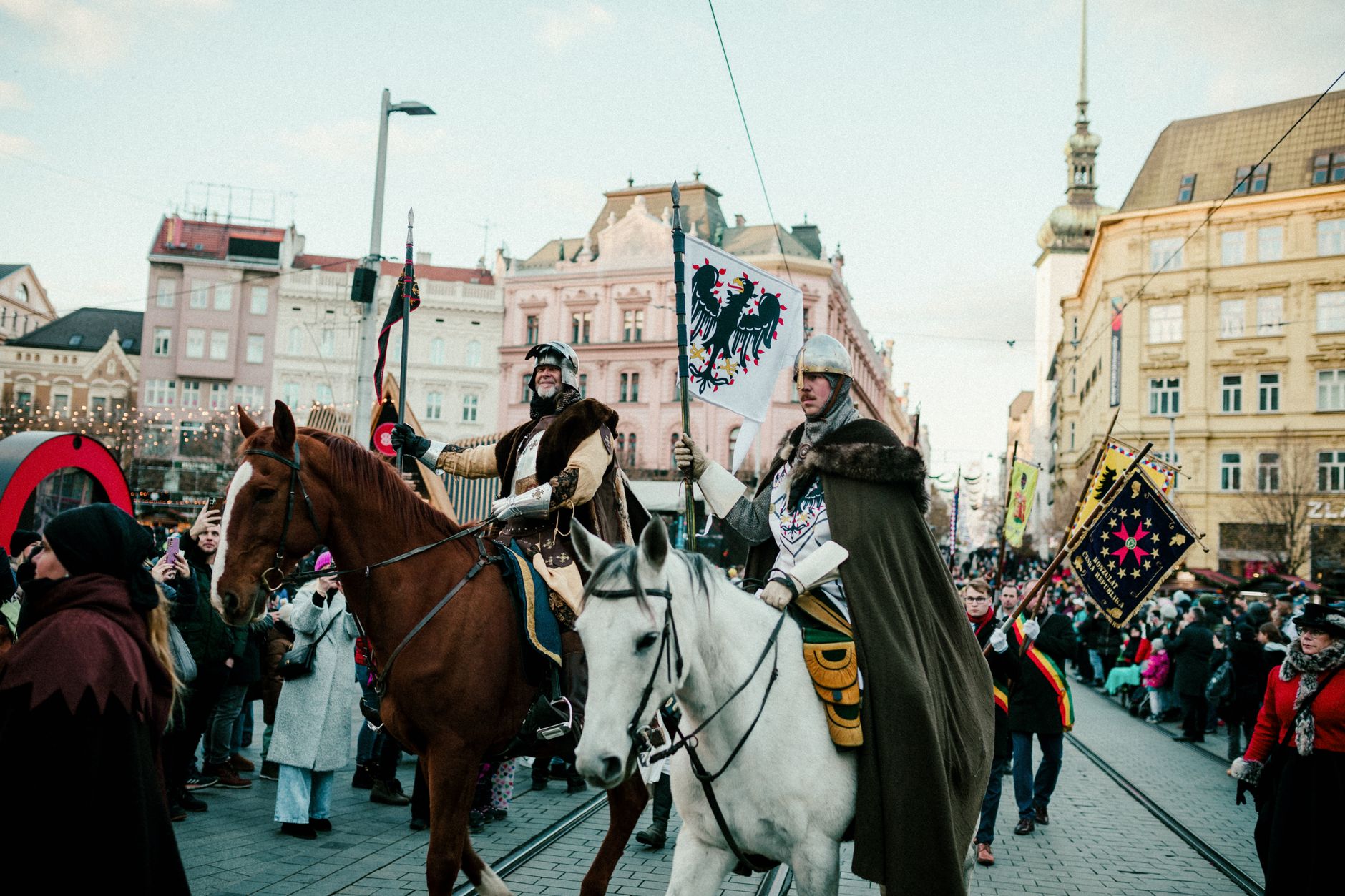
Brno announces itself with a small, deliberate lie: the cathedral bell on Petrov Hill rings noon at eleven o'clock, a trick the city has kept going since the Swedish siege of 1645. That detail tells you something about the place — it holds onto its own version of events. The second city of the Czech Republic, capital of Moravia for three centuries, Brno has a compact centre where Gothic, Baroque and some of the most important functionalist architecture in Europe sit within walking distance of each other.
This is a university city with a working tram network, a bone ossuary beneath a Baroque church, and the monastery garden where Gregor Mendel worked out the rules of heredity by growing peas. It rewards slow attention more than a checklist.
💛 What travellers fall for
People who come back tend to time a visit around the tram system's logic rather than fighting it — a 25 CZK contactless tap gets you an hour across the whole network. They also mention arriving at Mendlovo Square on foot from Špilberk Castle and only then realising how close everything is. Book Villa Tugendhat well in advance; timed entry fills up.
How Brno came to be
Wenceslaus I granted Brno town status in 1243, though a Přemyslid castle had stood on the hill above since the eleventh century, seat of the non-ruling Moravian prince. The name itself reaches back further, to a Celtic root meaning hill town. Through the fourteenth century the city served as a gathering point for Moravian regional assemblies, accumulating civic weight alongside its fortifications.
The Thirty Years' War defined Brno's reputation: it was the only city in the region to hold off two Swedish sieges, in 1643 and 1645. It served as capital of Moravia from 1641 to 1948. The interwar First Republic brought a burst of institution-building — Masaryk University in 1919, the Exhibition Grounds in 1928, and a generation of young architects, among them Bohuslav Fuchs and Ernst Wiesner, who made the city a centre of Central European functionalism.
Who and what shaped it
People who shaped it
Landmark buildings
See Brno in motion
Plan your visit
On the map
When to go
Brno has a continental climate: warm summers that can push above 30°C, cold winters with occasional snow. April through June and September through October give you mild days well-suited to moving between outdoor landmarks and interiors without either extreme.
Right now
Background & history adapted from Wikipedia (CC BY-SA) · specs from Wikidata (CC0) · weather from Open-Meteo · map data © OpenStreetMap contributors · photos from Wikimedia Commons / Unsplash with per-image credit. No third-party reviews or social posts reproduced.