
Bristol
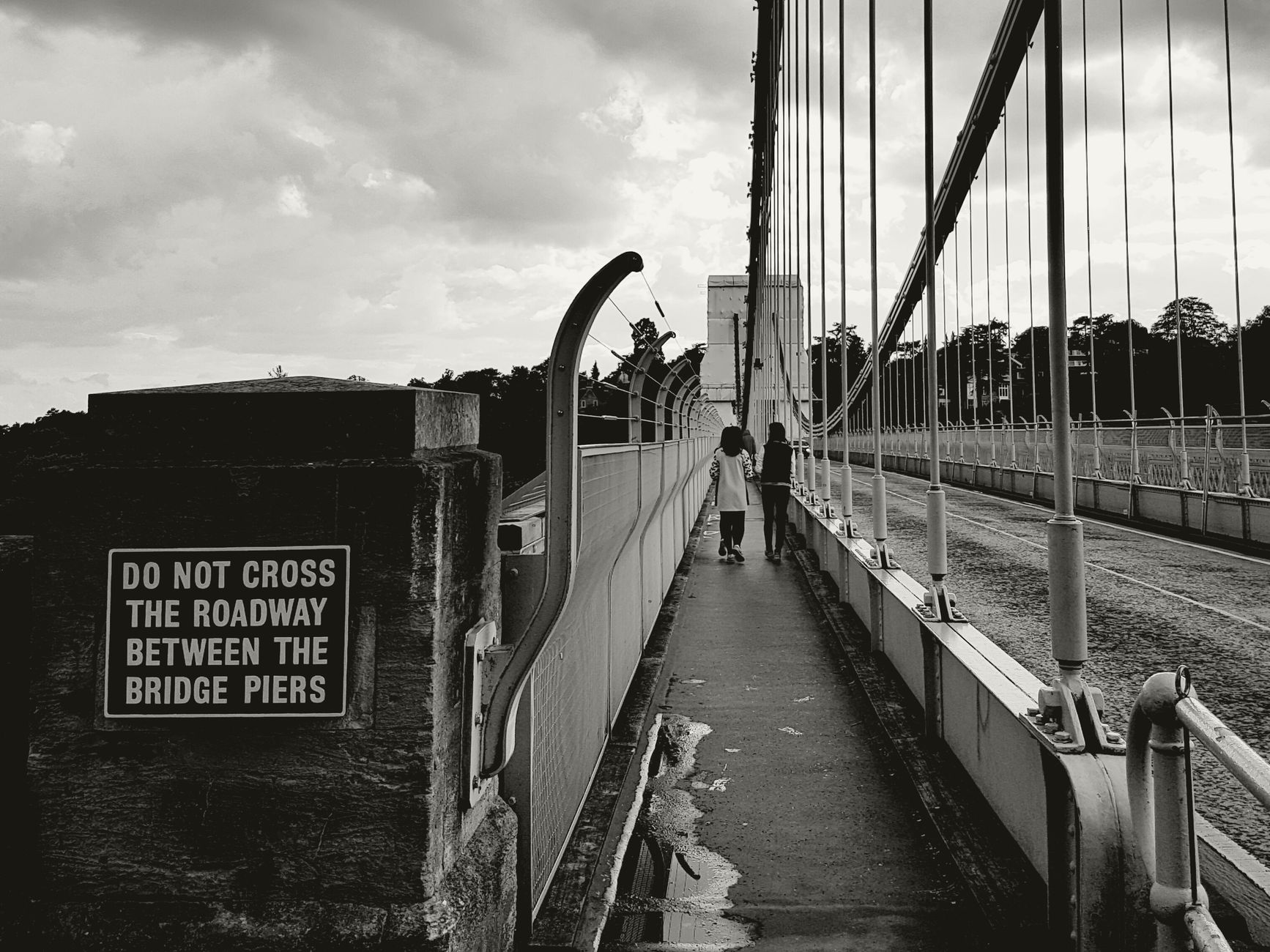
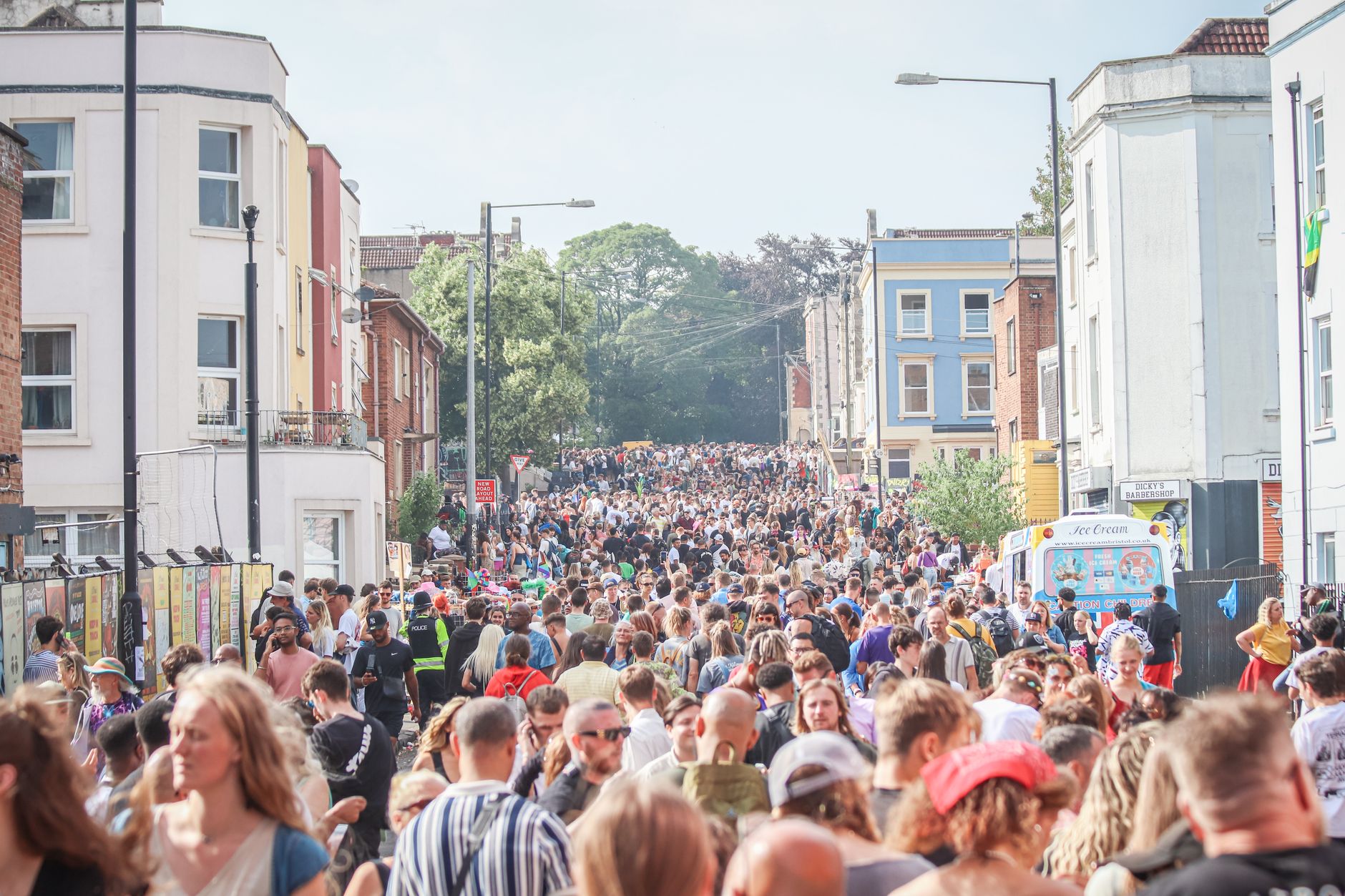
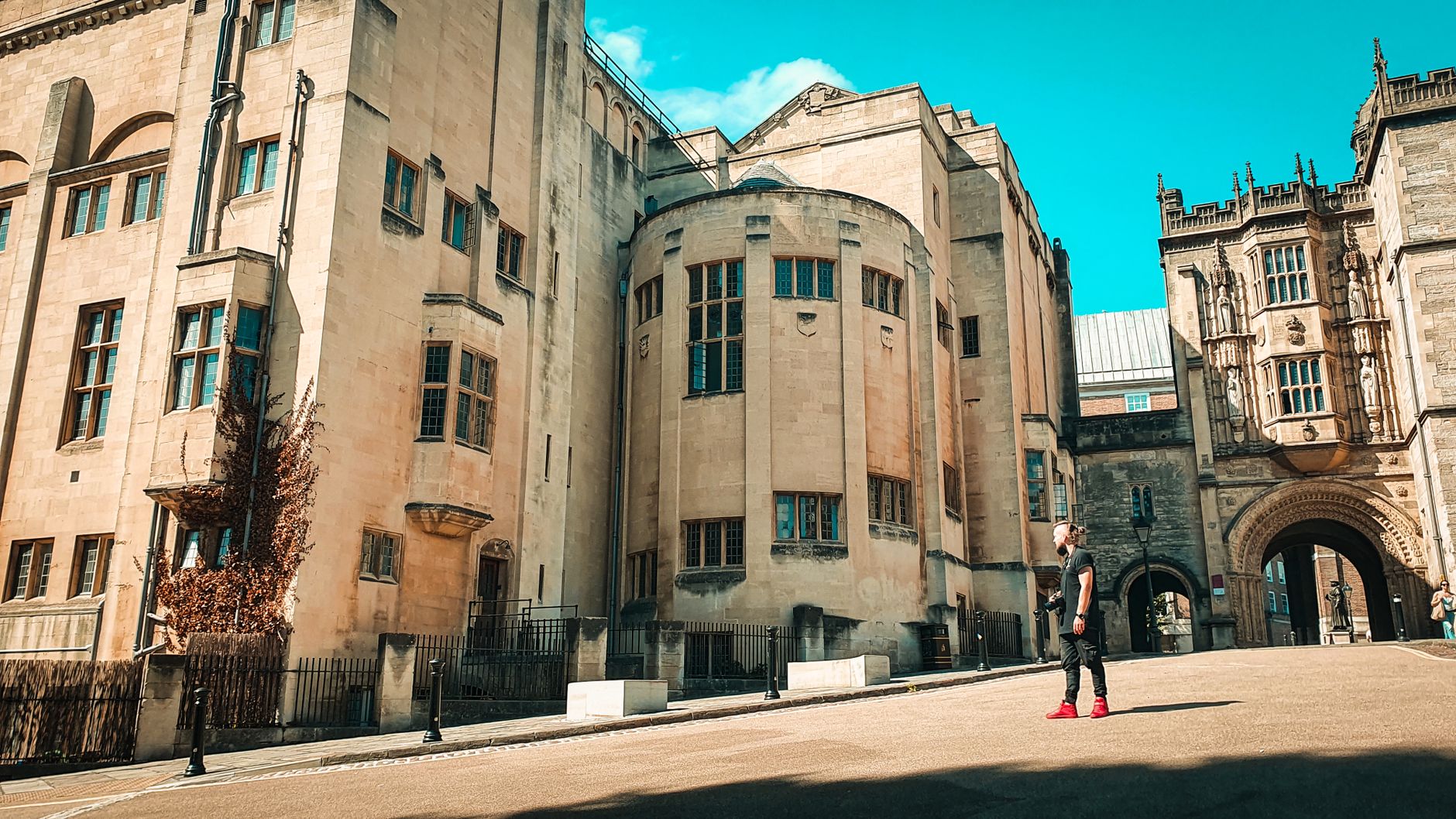
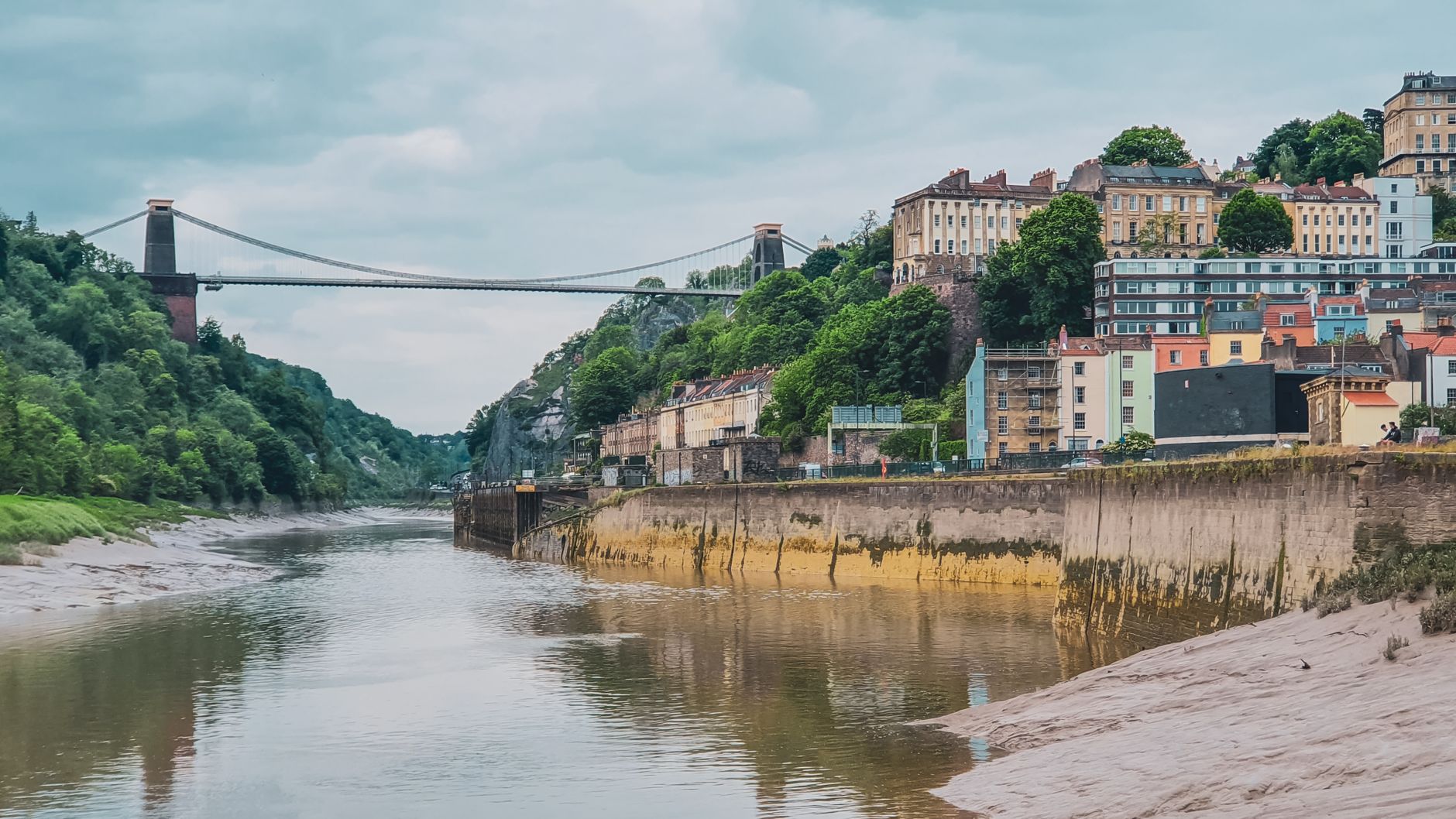
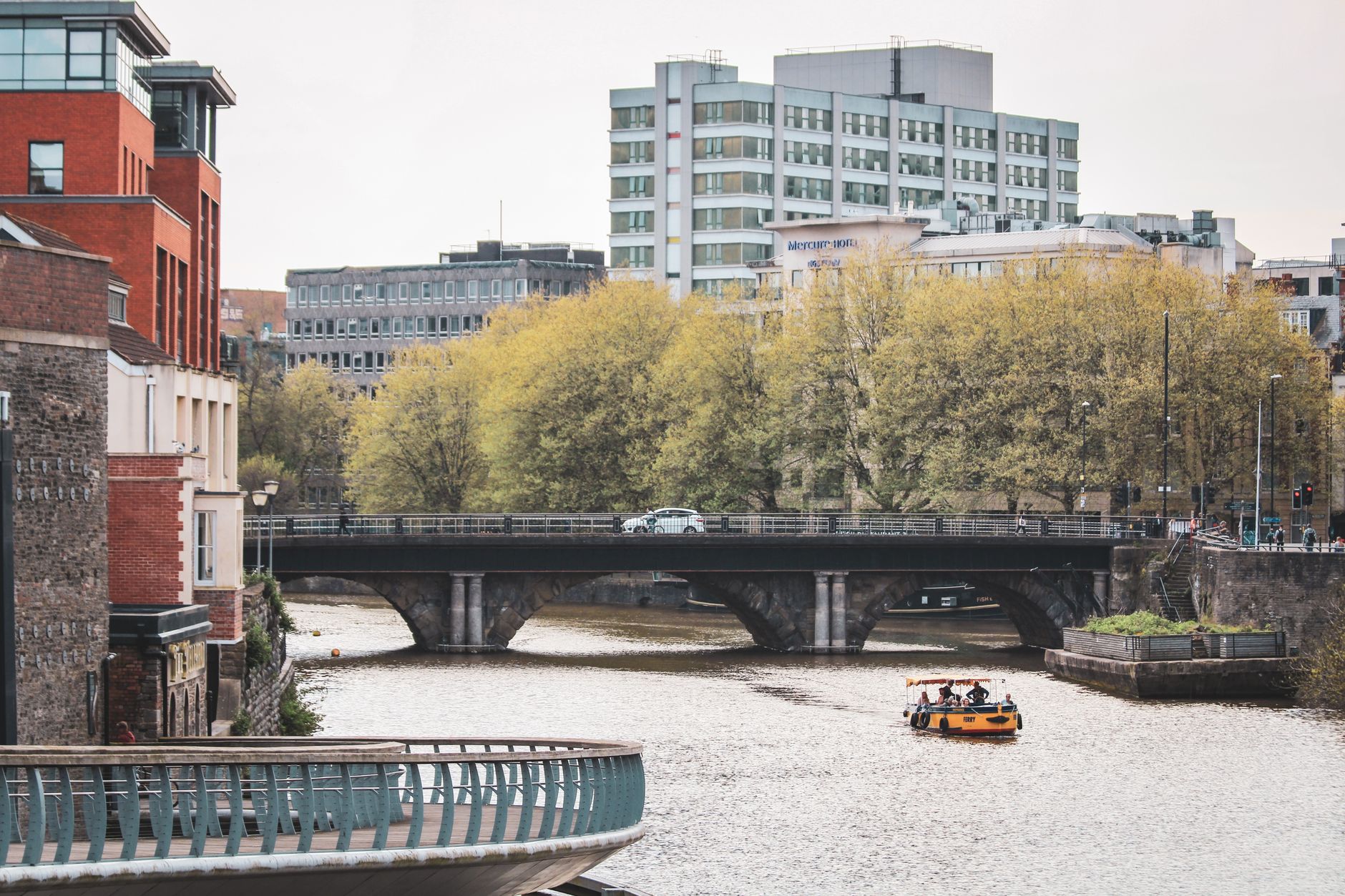
Bristol announces itself through its hills. The city tilts and climbs in ways that catch you off guard — a Georgian terrace dropping sharply to a gorge, a suspension bridge hanging in the air above the Avon as if Brunel simply dared it into existence. The water matters here: Bristol grew up between two rivers, the Frome and the Avon, and the old harbour still shapes how the city moves and where people gather.
It's a place that has always looked outward. John Cabot left from here in 1497 and came back with news of a continent. The wealth that followed — including, in the 18th century, the brutal profits of the slave trade — built the churches, the terraces, the civic grandeur you still walk through today.
💛 What travellers fall for
People who keep coming back tend to anchor themselves on the harbourside and work outward from there. The SS Great Britain rewards a second visit more than a first. Park Street on a weekday morning, before the crowds, is a different city. And the view from the top of Cabot Tower on Brandon Hill is the one locals quietly point you toward.
Experiences you don't want to miss



Deals in Bristol
Book directly at the provider


How Bristol came to be
Bristol was already a working port by 1010 — a coin of Aethelred places it that early — and its Anglo-Saxon name, Brycg stowe, simply means "place by the bridge." William the Conqueror put a fort here; his successors replaced it in stone. In 1140, a local magnate named Robert Fitzharding founded the Augustinian abbey that would eventually become the cathedral. By 1373, Bristol was independent enough to be declared its own county, and by 1542 it had a bishop.
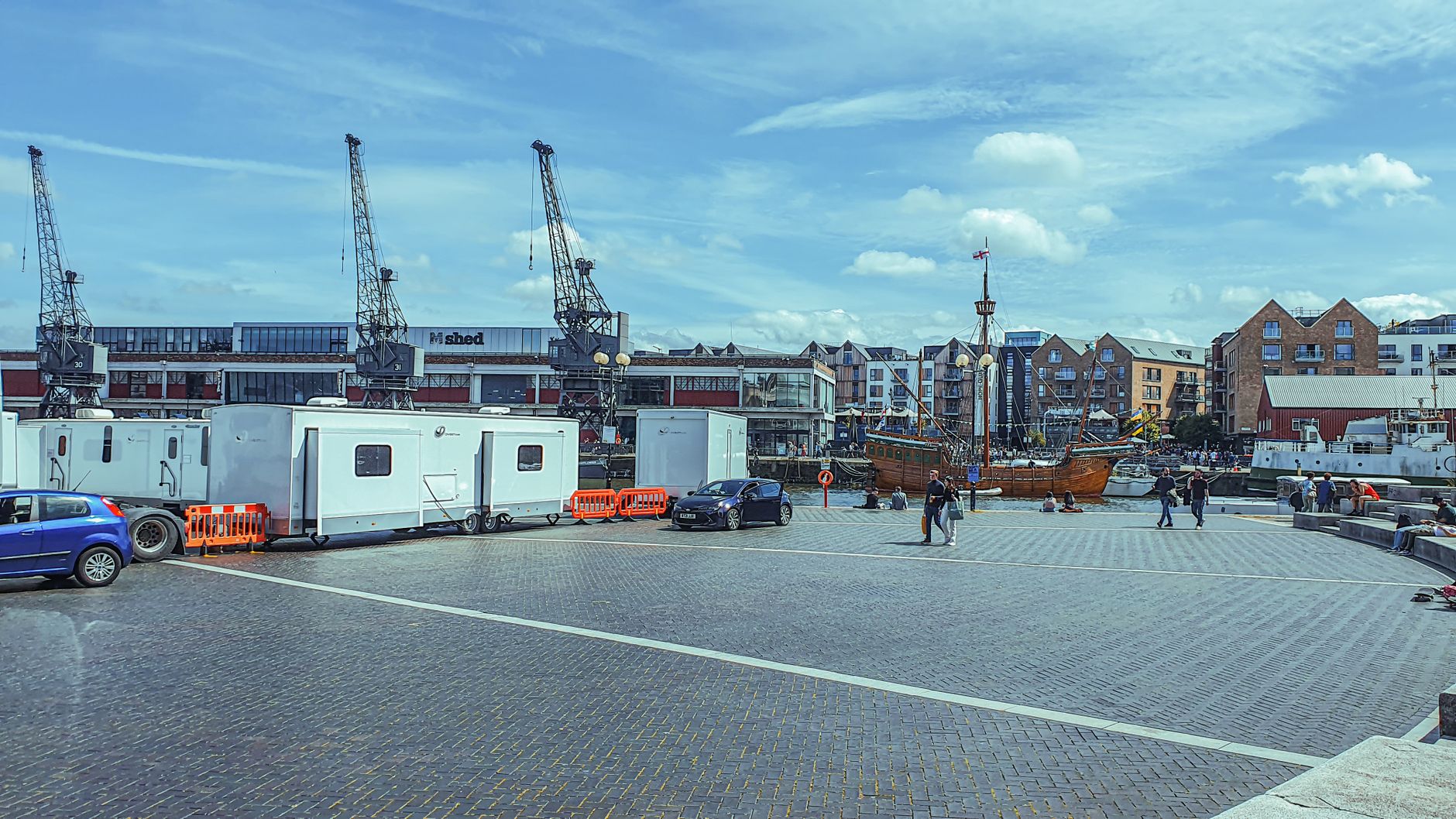
The 1497 voyage of Giovanni Caboto — backed by Bristol merchants and sailing in a ship called the Matthew — put the city on the map of the Atlantic world. That same mercantile energy, two centuries later, made Bristol one of the central nodes of the transatlantic slave trade, a history the city has been reckoning with in public, sometimes uncomfortably, ever since.
Who and what shaped it
People who shaped it
Landmark buildings
See Bristol in motion
Plan your visit
On the map
When to go
Bristol is mild and often grey, with rain distributed fairly evenly across the year rather than concentrated in a single season. Summer brings warm spells and the city's outdoor life comes into its own; winter is damp but rarely severe, and the hills can feel raw when the wind comes in off the estuary.
Right now
Background & history adapted from Wikipedia (CC BY-SA) · specs from Wikidata (CC0) · weather from Open-Meteo · map data © OpenStreetMap contributors · photos from Wikimedia Commons / Unsplash with per-image credit. No third-party reviews or social posts reproduced.