
Bregenzerwald
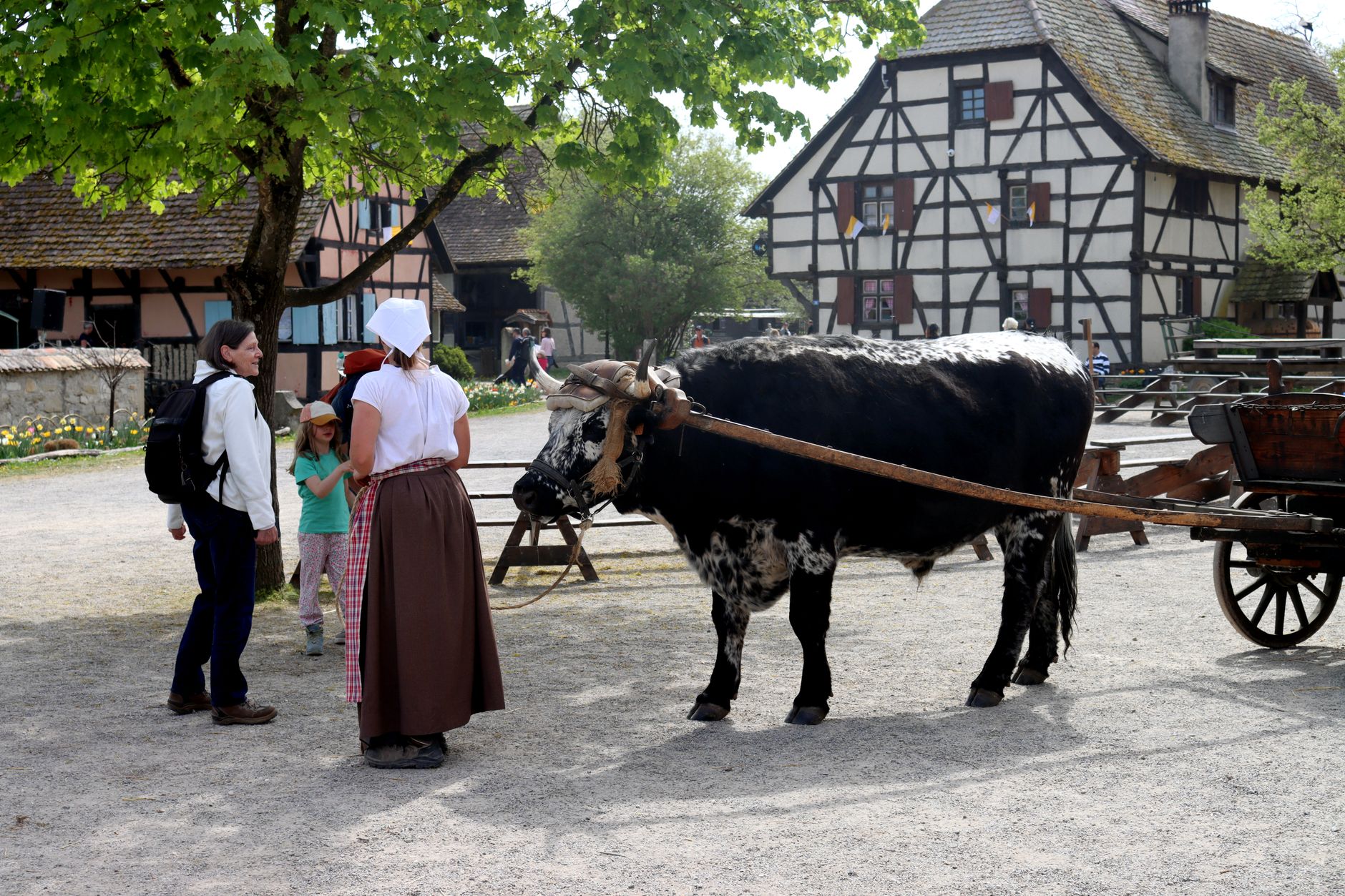
The Bregenzerwald is a forested valley region in Vorarlberg, Austria, running east from Lake Constance toward the Arlberg — and it has quietly produced an outsized number of people who shaped buildings across Europe. In the 17th century, the master builders and sculptors of Au walked out of these valleys and raised some 600 Baroque churches across the continent. Today their descendants run a craftsmen's association whose workshop was designed by Peter Zumthor, and a village near the moors has bus stops commissioned from architects in Japan, Chile, Norway and beyond. The Bregenzerwald rewards the kind of attention you pay to specific things: a doorframe, a fresco, the way old stone-and-timber farmhouses sit in the landscape.
💛 What travellers fall for
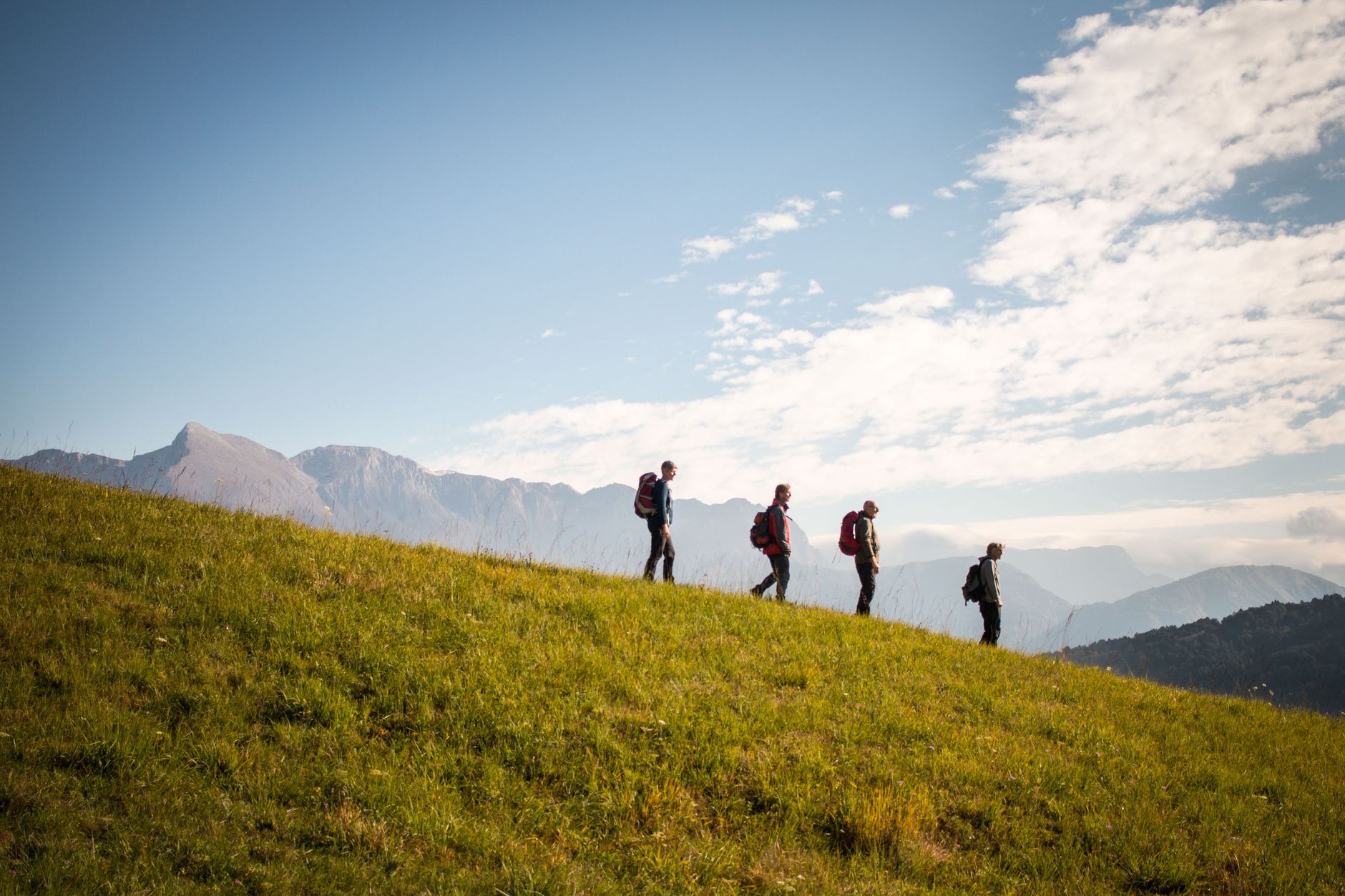
Return visitors tend to base themselves in one of the quieter upper villages — Schwarzenberg or Schoppernau — rather than Egg, which has the best connections but less of the old fabric. The Umgang trail system, with its rust-coloured information columns, is a good way to move between villages without a car, even for a day.
How Bregenzerwald came to be
The valley takes its name from the earls of Bregenz, who began settling it around the year 1000. It was dense forest then — the name says as much — and the earls parcelled out rights to monasteries and local gentry. A division between the front and rear Bregenzerwald was formalised in 1338, and over the following century and a half the various courts passed, through sale and treaty, into Habsburg hands.
What grew up here in parallel was unusual: after 1380, the Inner Bregenz Forest peasantry formed a self-governing republic with its own constitution and jurisdiction. Then, in 1651, a builder named Michael Beer founded the Auer Zunft — the Guild of Au — and within a generation more than 90 percent of working men in Au-Schoppernau were in construction. The Beer, Moosbrugger and Thumb families became the leading architectural names of the Central European Baroque. One other figure worth noting: Angelika Kauffmann, born in Schwarzenberg in 1741, became a founding member of the Royal Academy of Arts in London and moved in the same Roman circles as Goethe.
Who and what shaped it
People who shaped it
Landmark buildings
See Bregenzerwald in motion
Plan your visit
On the map
When to go
Bezau, one of the main villages, averages just over 5°C annually — summers are mild and green, winters snowy and cold. The shoulder seasons of May–June and September–October give you the clearest light and the thinnest crowds.
Right now
Background & history adapted from Wikipedia (CC BY-SA) · specs from Wikidata (CC0) · weather from Open-Meteo · map data © OpenStreetMap contributors · photos from Wikimedia Commons / Unsplash with per-image credit. No third-party reviews or social posts reproduced.