
Boracay
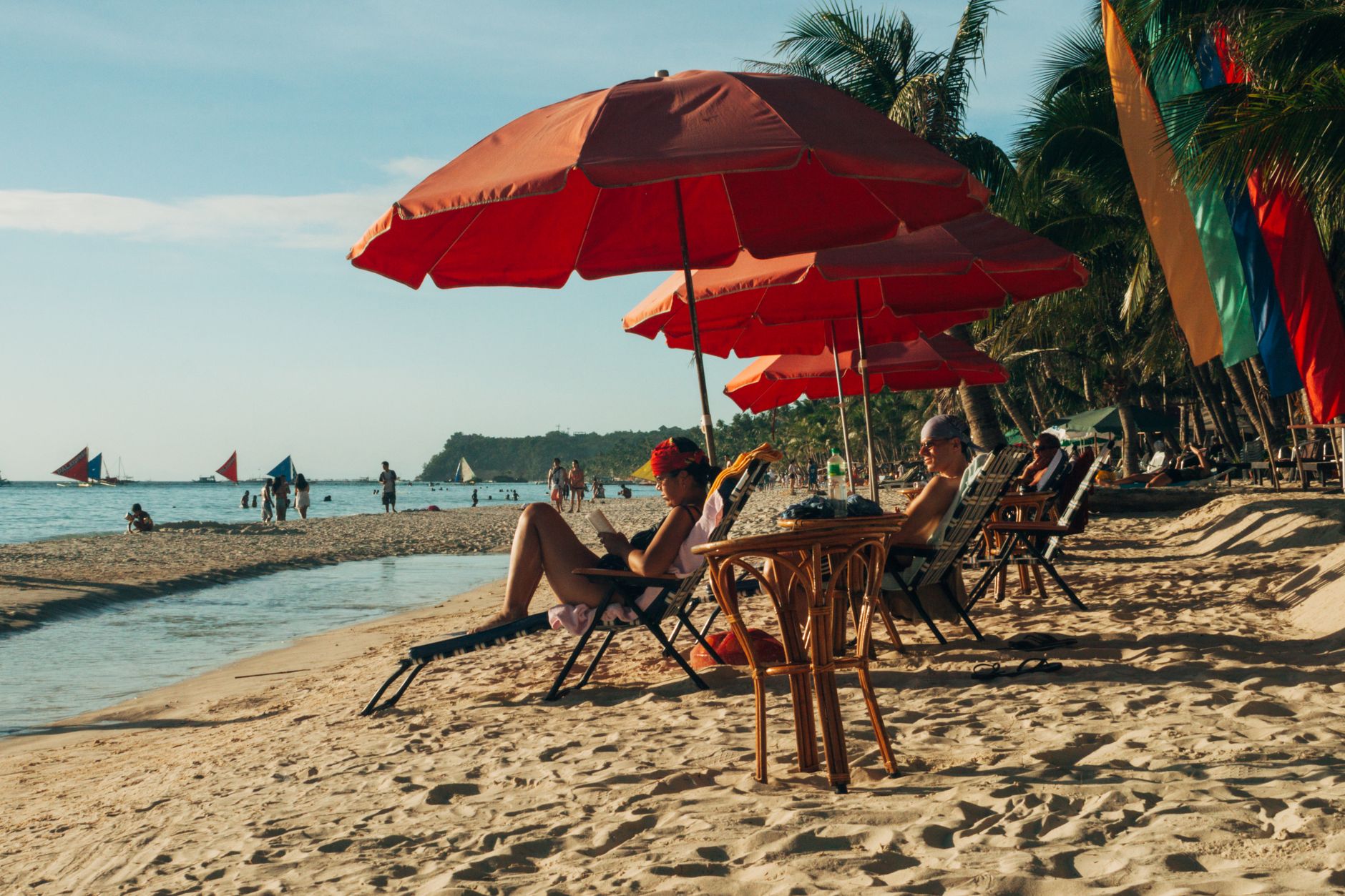
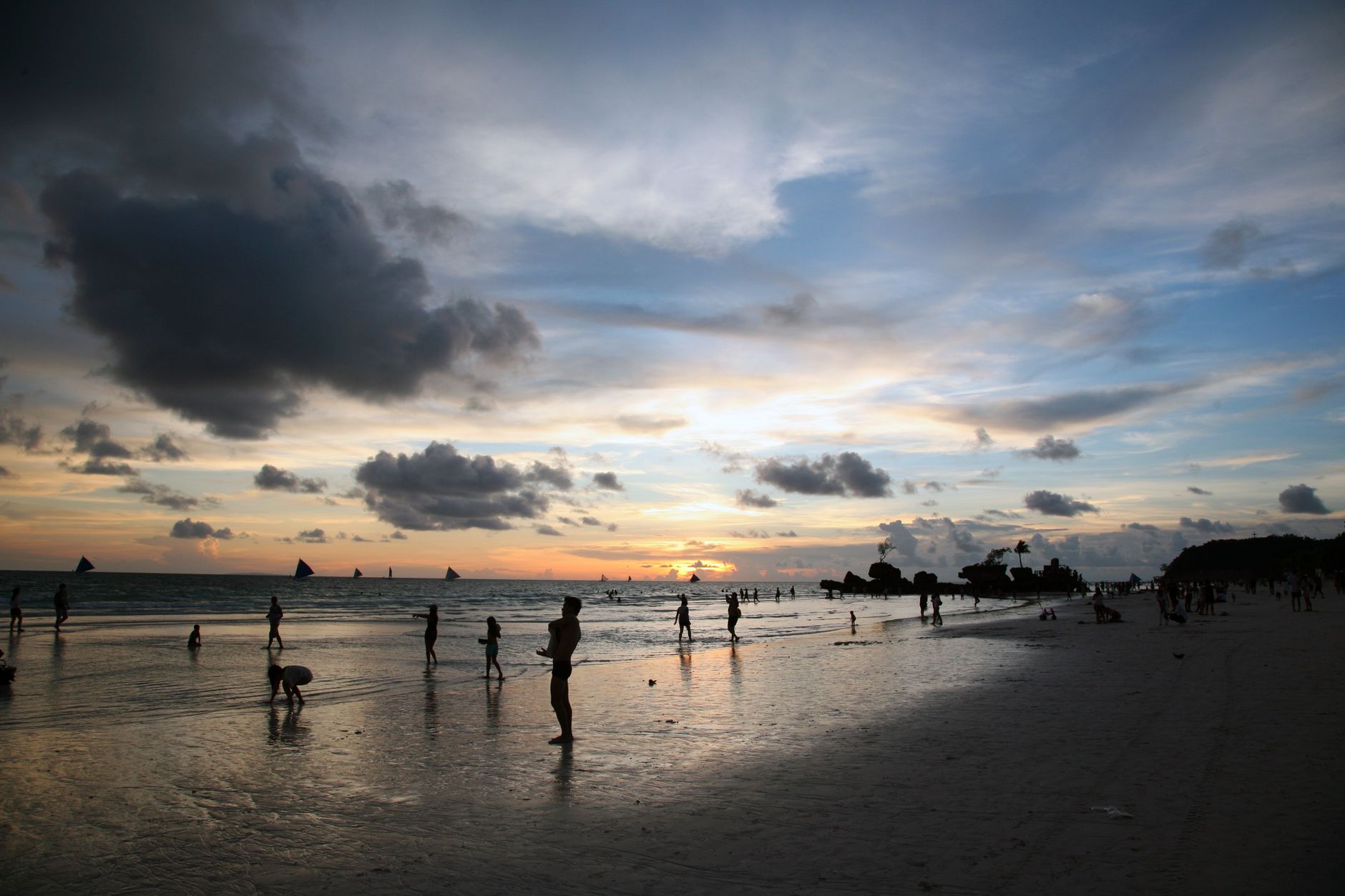
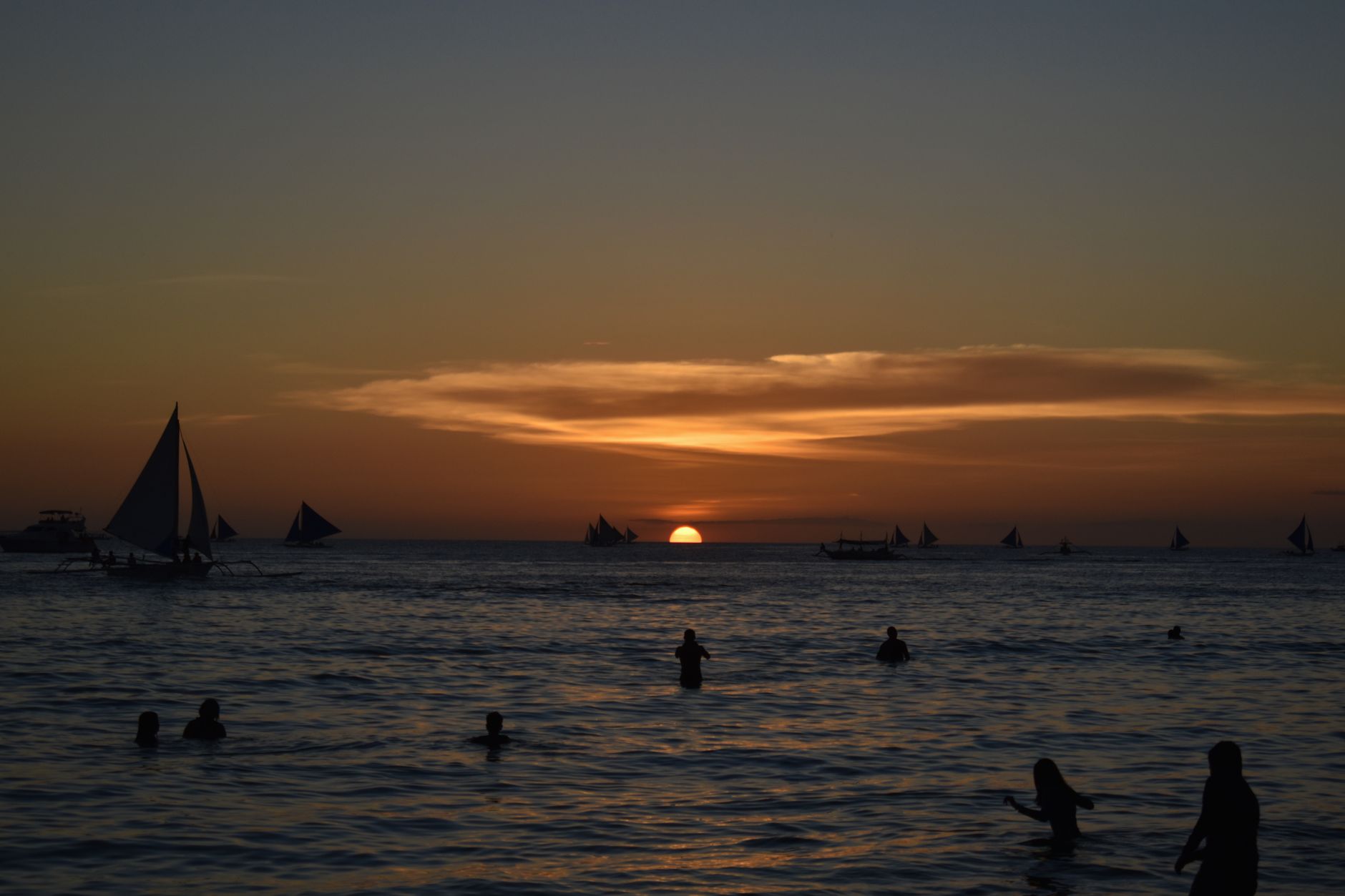
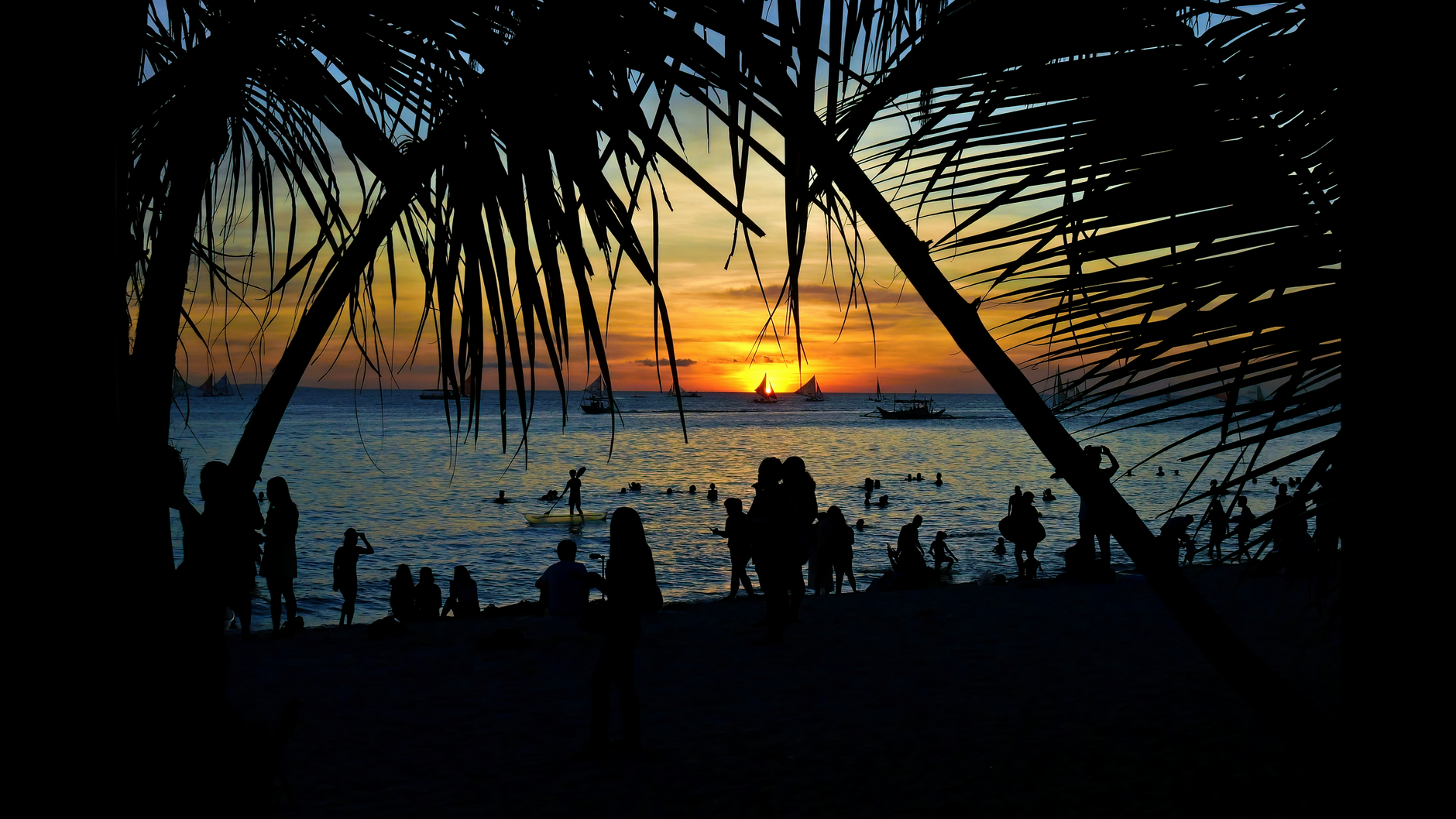
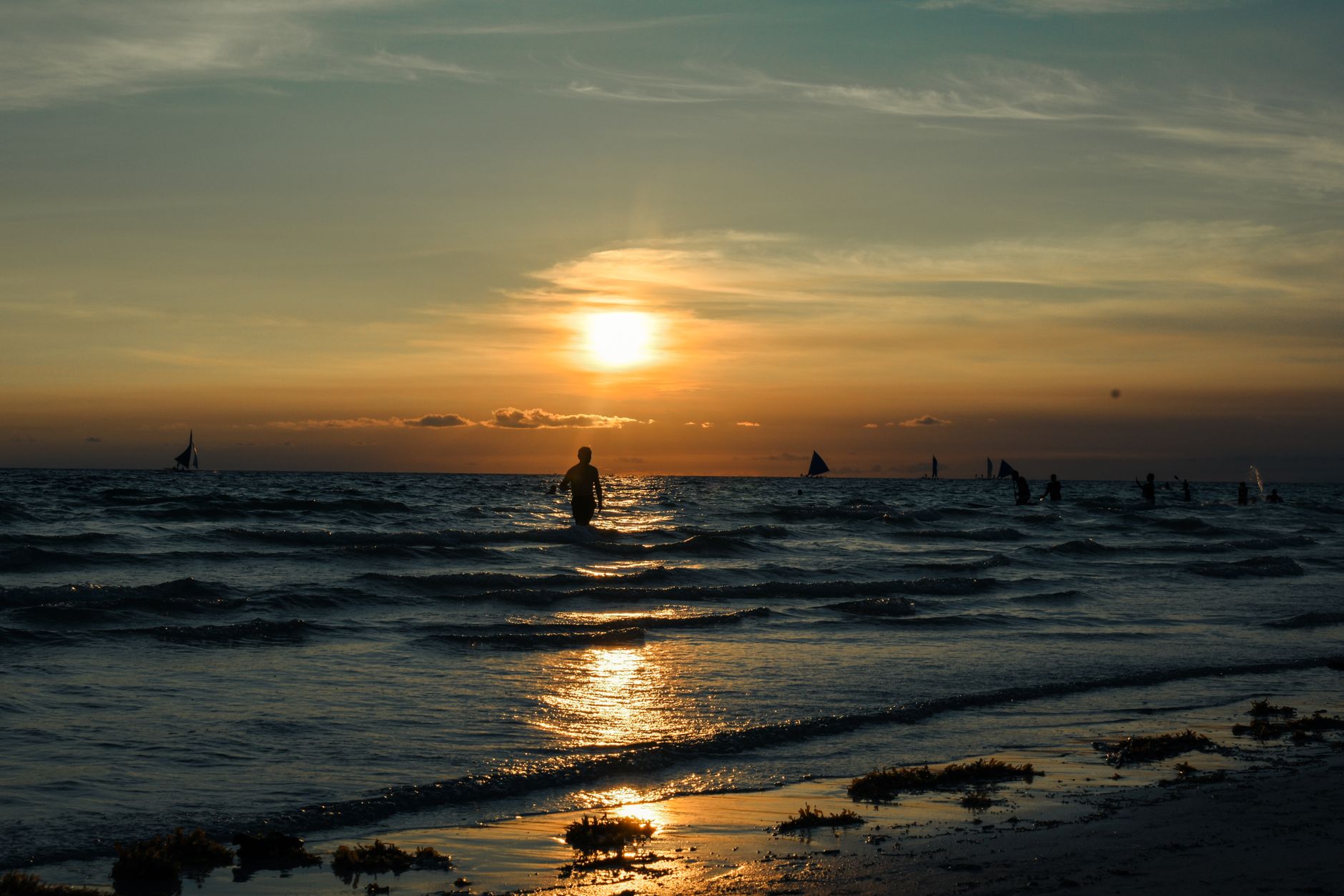
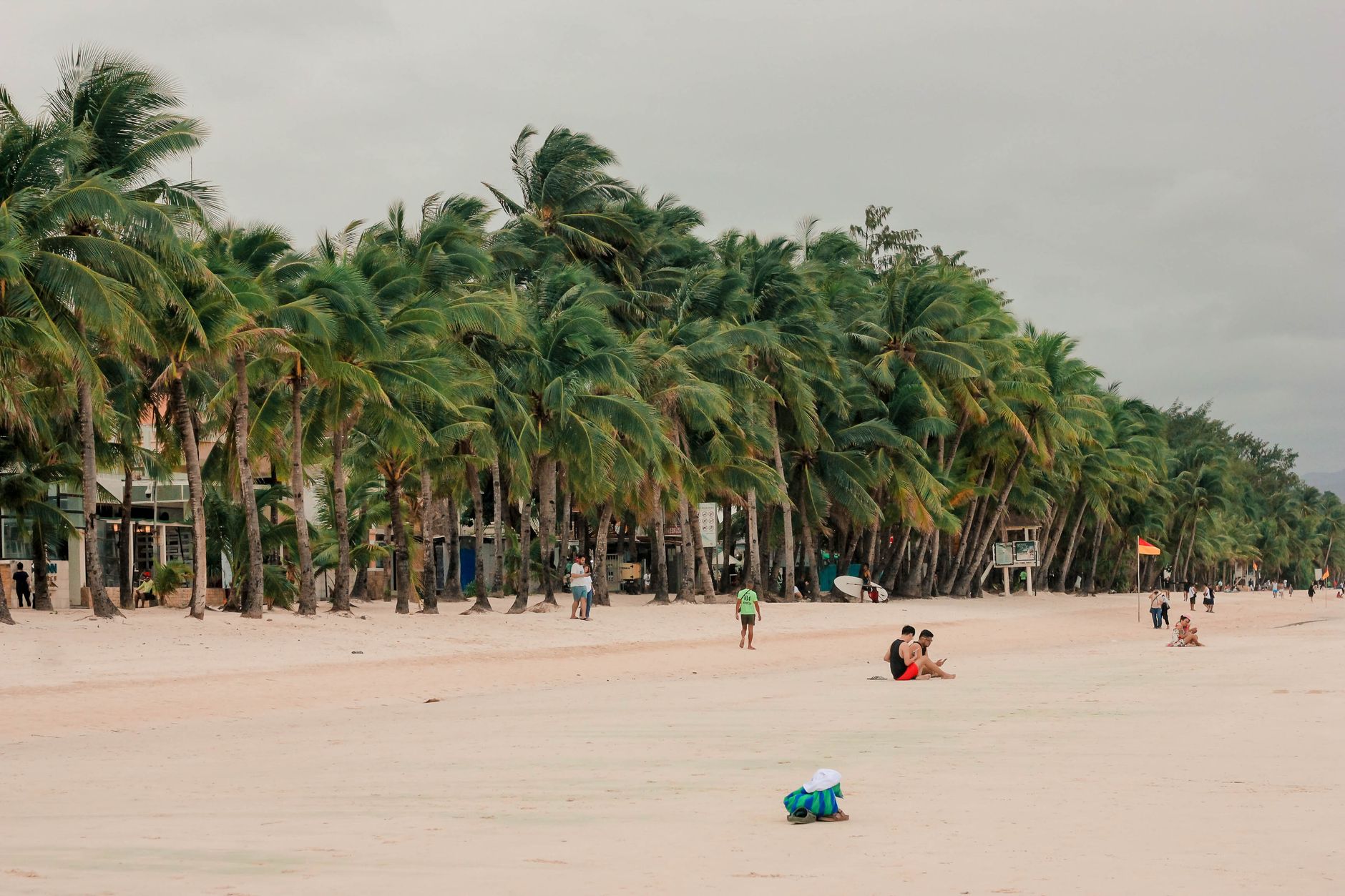
Boracay is a small island — just over ten square kilometres — and yet it contains multitudes. White Beach runs four kilometres along the western shore, broken into three distinct moods: high-end resorts at one end, open-air restaurants and bars in the middle, and something closer to quiet at the far southern stretch. Offshore, outrigger boats called paraw tack across water that shifts from pale turquoise to deep cobalt depending on the hour.
At Station 1, Willy's Rock rises from the sand — a dark volcanic formation topped with a small statue of Our Lady of Lourdes, perpetually surrounded by photographers. Inland, Mount Luho reaches 100 metres above sea level, which on an island this flat feels like a real vantage point. Puka Beach, on the northern tip, trades the fine white powder for coarser sand and fewer crowds.
💛 What travellers fall for
People who return tend to head straight for Diniwid, the small cove just north of White Beach reachable on foot at low tide. They also learn quickly to book the Caticlan flight rather than Kalibo — the extra cost saves two hours each way. Early mornings on White Beach, before the sun chairs fill, are a different island entirely.
How Boracay came to be
Before Spanish ships arrived in the 16th century, Boracay was home to the Ati people, who farmed rice and kept goats on an island of around a hundred souls. Spanish cartographers recorded it as Buracay. The island remained relatively obscure until around 1910, when Sofía Gonzáles Tirol and her husband Lamberto, a judge on the Panay mainland, acquired substantial land and planted it with coconuts and fruit trees.
Tourism arrived quietly in the 1970s, then accelerated after German writer Jens Peter described the island as "paradise on Earth" in a 1978 book about the Philippines. That same year, a Marcos-era decree folded Boracay into the Philippine Tourism Authority's portfolio — without addressing the land rights of the Ati, who have been largely marginalised ever since. By the 1990s, the beach was drawing global rankings and the infrastructure was straining under the weight. In 2018, President Duterte ordered a six-month closure to overhaul the sewage system; the island reopened in October that year with tighter rules on development and visitor numbers.
Who and what shaped it
People who shaped it
Landmark buildings
See Boracay in motion
Plan your visit
On the map
When to go
The dry season runs from roughly November through April, with January to March offering the clearest skies and calmest seas. The southwest monsoon arrives in June and can bring heavy rain and rough surf through October — some smaller operators close for parts of this period.
Right now
Background & history adapted from Wikipedia (CC BY-SA) · specs from Wikidata (CC0) · weather from Open-Meteo · map data © OpenStreetMap contributors · photos from Wikimedia Commons / Unsplash with per-image credit. No third-party reviews or social posts reproduced.