
Bohemian Switzerland National Park


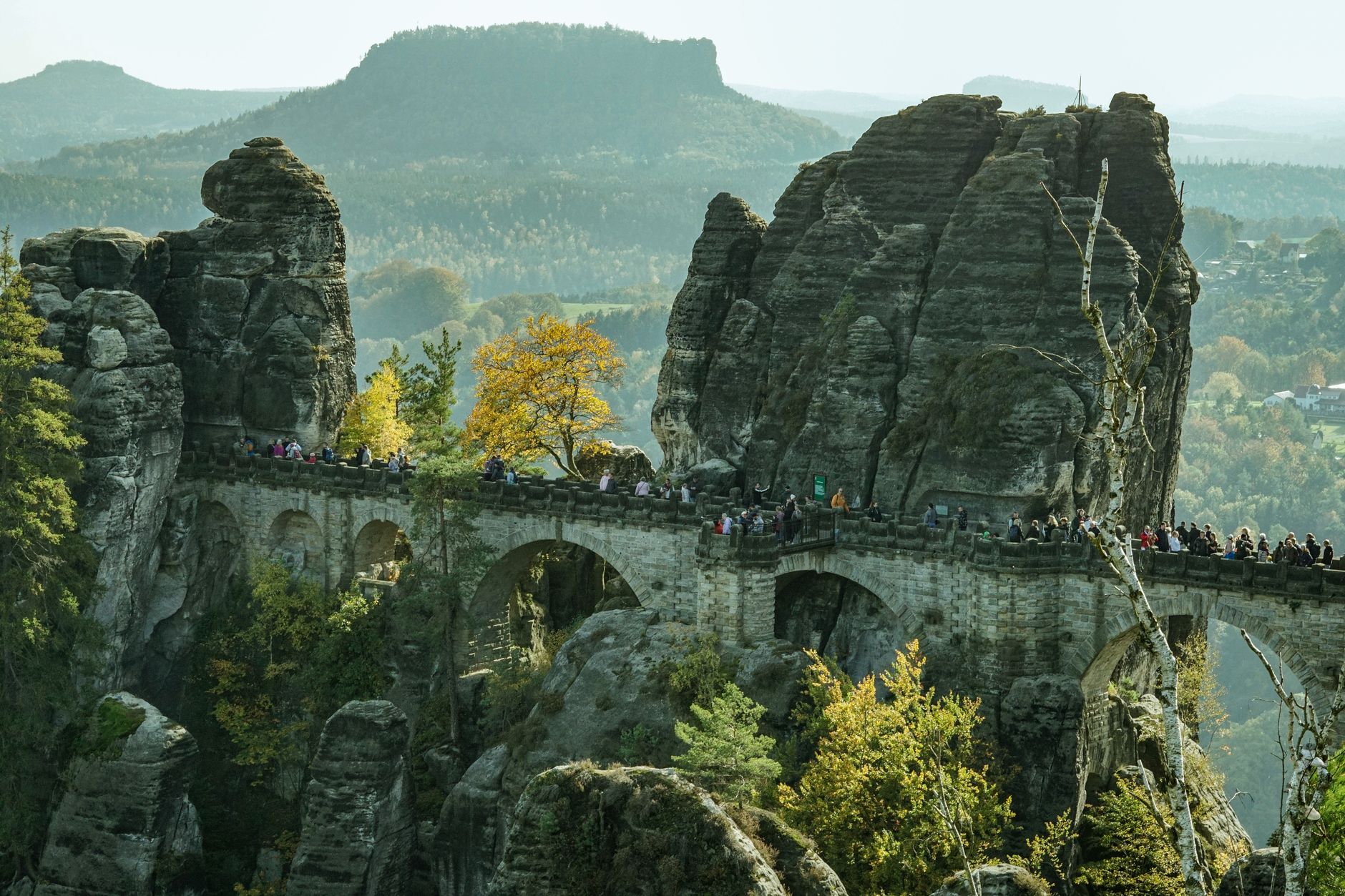
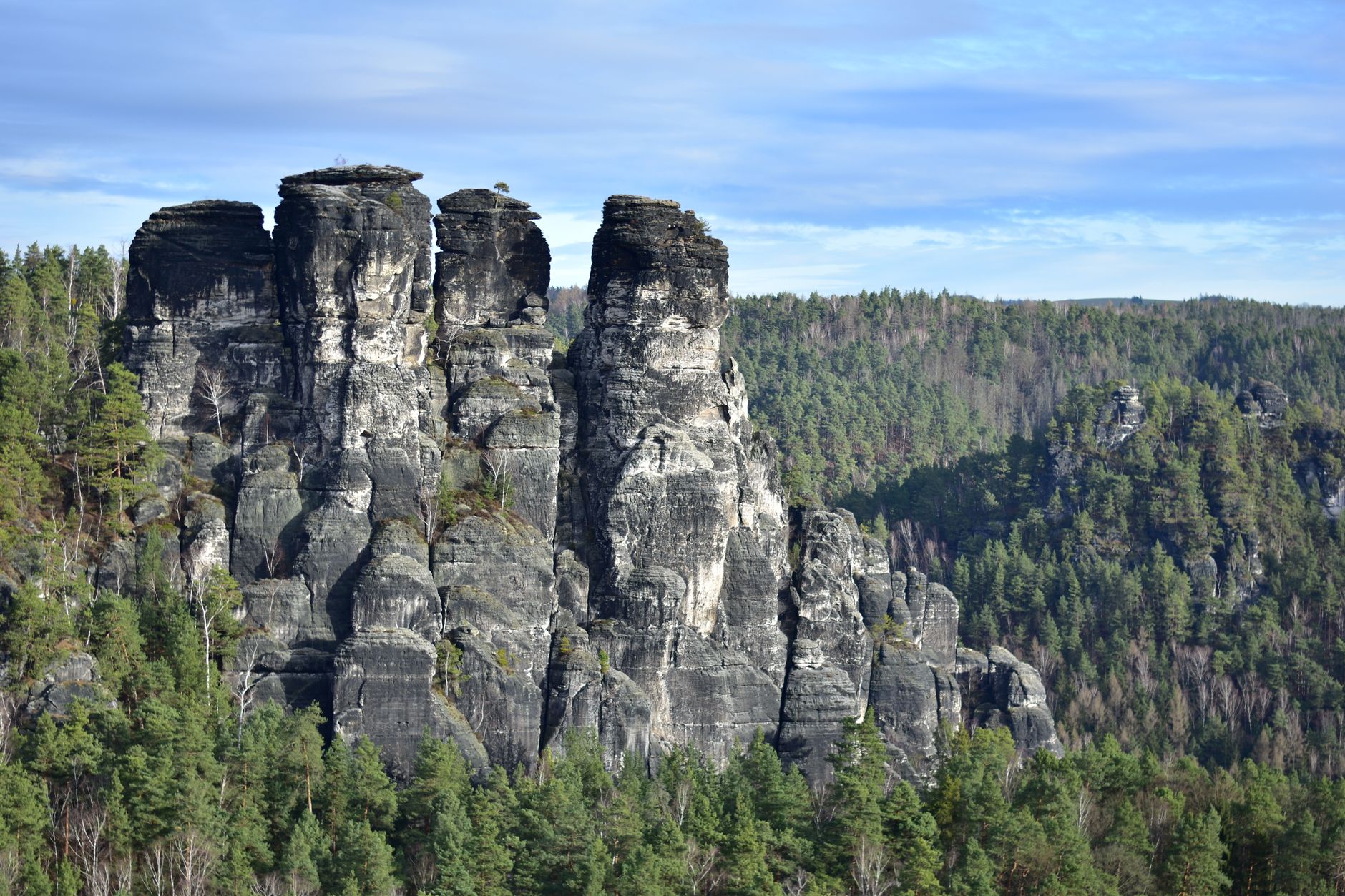


The sandstone here was laid down roughly 90 million years ago, and the landscape has been eroding into shapes ever since — towers, gorges, labyrinths, and the largest natural sandstone arch in Europe, Pravčická brána, which stands 16 metres high at the end of a forest path above the Elbe valley. Bohemian Switzerland National Park sits about 120 kilometres north of Prague, sharing a border with Germany's Saxon Switzerland, and the two parks are essentially one continuous wilderness split by a line on a map.
The park is compact enough to cross in a day's hard walking, but varied enough to reward several. Boat rides move through the Kamenice Gorge where the rock walls close to a few metres apart; the Tisa Walls offer a sandstone plateau labyrinth older than almost anything you'll see in a museum; and the village of Hřensko, half-timbered and pressed against the river, is where most journeys into the park begin.
💛 What travellers fall for
People who come back tend to time their second visit for early spring or late autumn, when the gorge boat rides are just reopening and the trails aren't yet crowded. Edmund's Gorge has a strict daily cap of 50 visitors — tickets are in-person only at the Hřensko visitor centre, so arriving early on the day matters more than any amount of advance planning.
How Bohemian Switzerland National Park came to be
The name came before the park did, by more than two centuries. In the 18th century, Swiss artists Adrian Zingg and Anton Graff were working in the region and found the sandstone formations so reminiscent of home that the comparison stuck — "Bohemian Switzerland" became the area's identity long before it was anyone's designation. Castles went up along the ridges to guard medieval trade routes; one, Saunstejn, was built by the Berka z Dube family in the 14th century and destroyed within a hundred years.
By the 19th century, Romantic-era artists and composers had discovered the place. Ludwig Richter painted the rocks; Carl Maria von Weber set his opera Der Freischütz in the nearby landscape. The area became a protected landscape in 1972, and on 1 January 2000 the Czech government formally established it as the country's fourth national park.
Who and what shaped it
People who shaped it
Landmark buildings
See Bohemian Switzerland National Park in motion
Plan your visit
On the map
When to go
Summers are warm and can be busy, with trail conditions at their most reliable between May and September. Winter closes some services entirely, though the Falcon's Nest area opens on weekends — and the bare trees actually open up sandstone views that summer foliage obscures.
Right now
Background & history adapted from Wikipedia (CC BY-SA) · specs from Wikidata (CC0) · weather from Open-Meteo · map data © OpenStreetMap contributors · photos from Wikimedia Commons / Unsplash with per-image credit. No third-party reviews or social posts reproduced.