
Bodrum
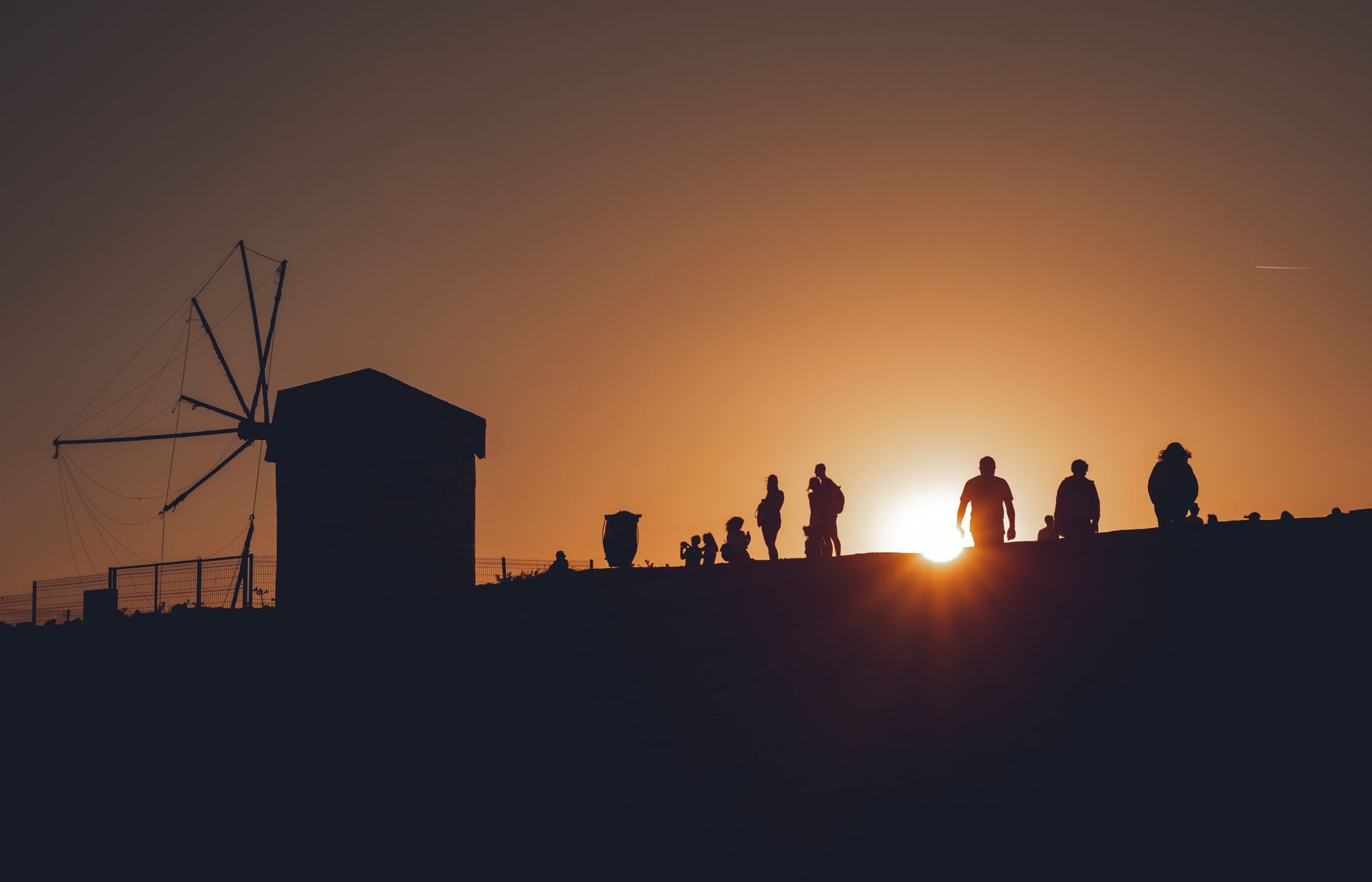
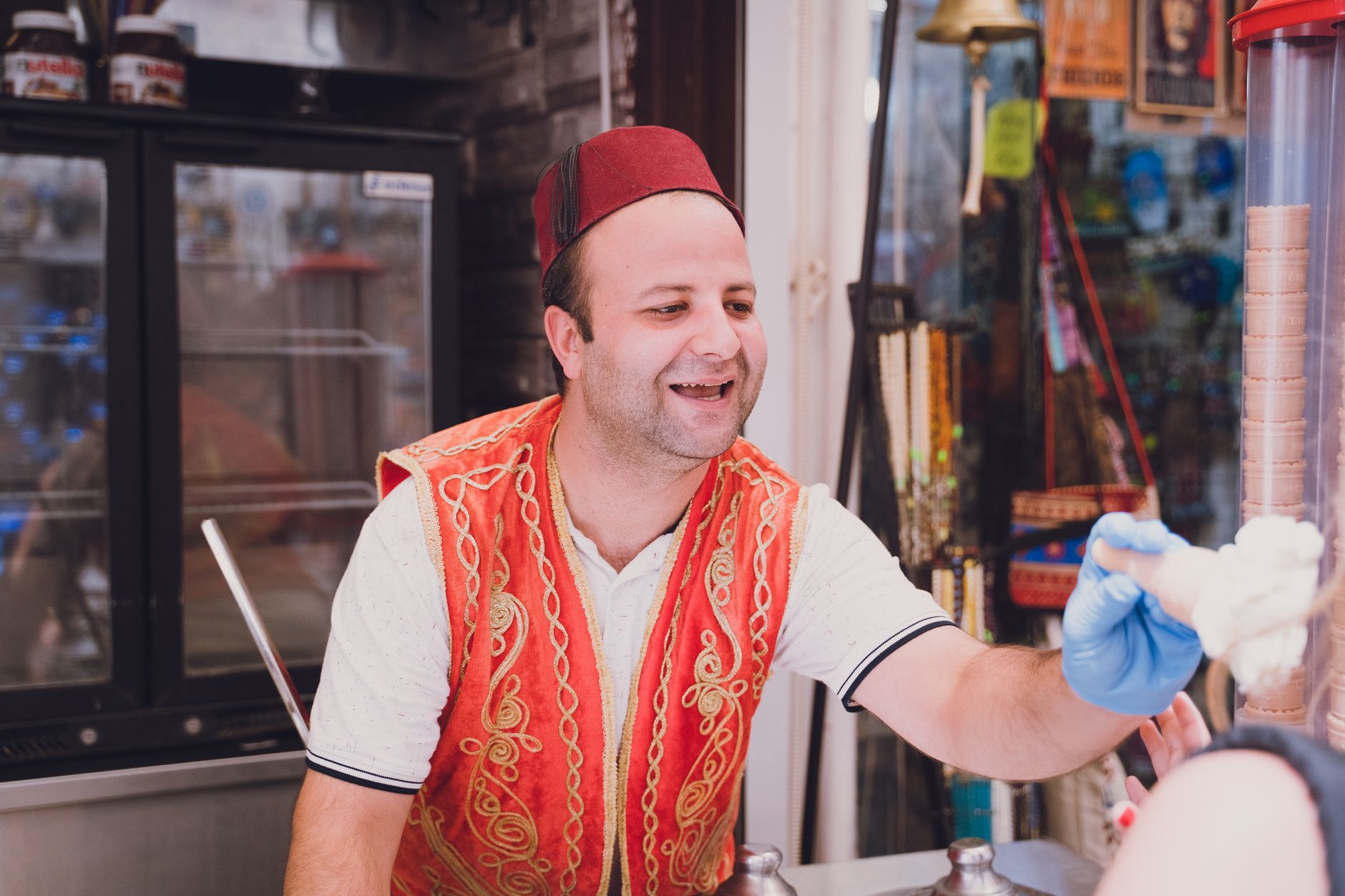
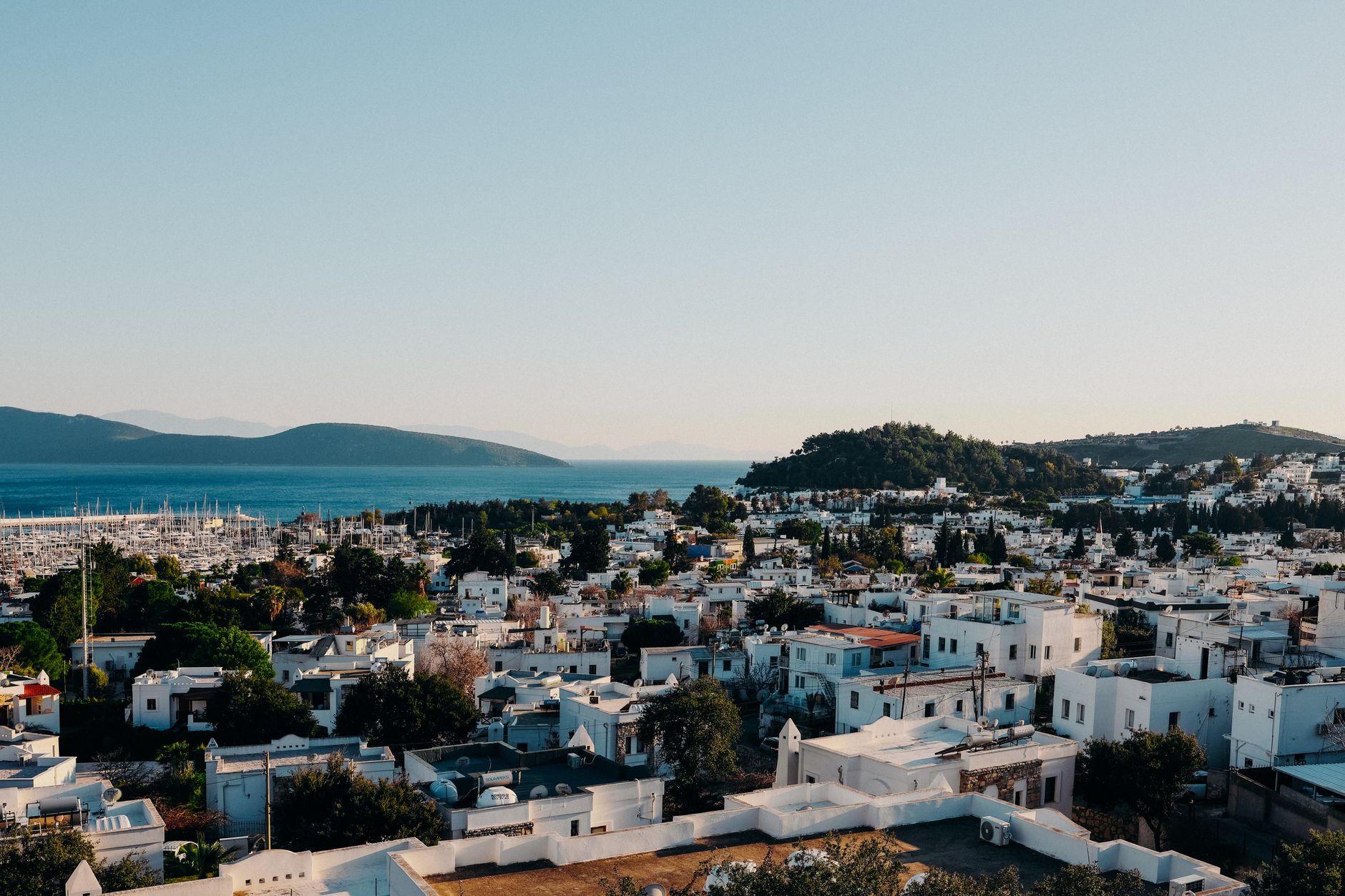
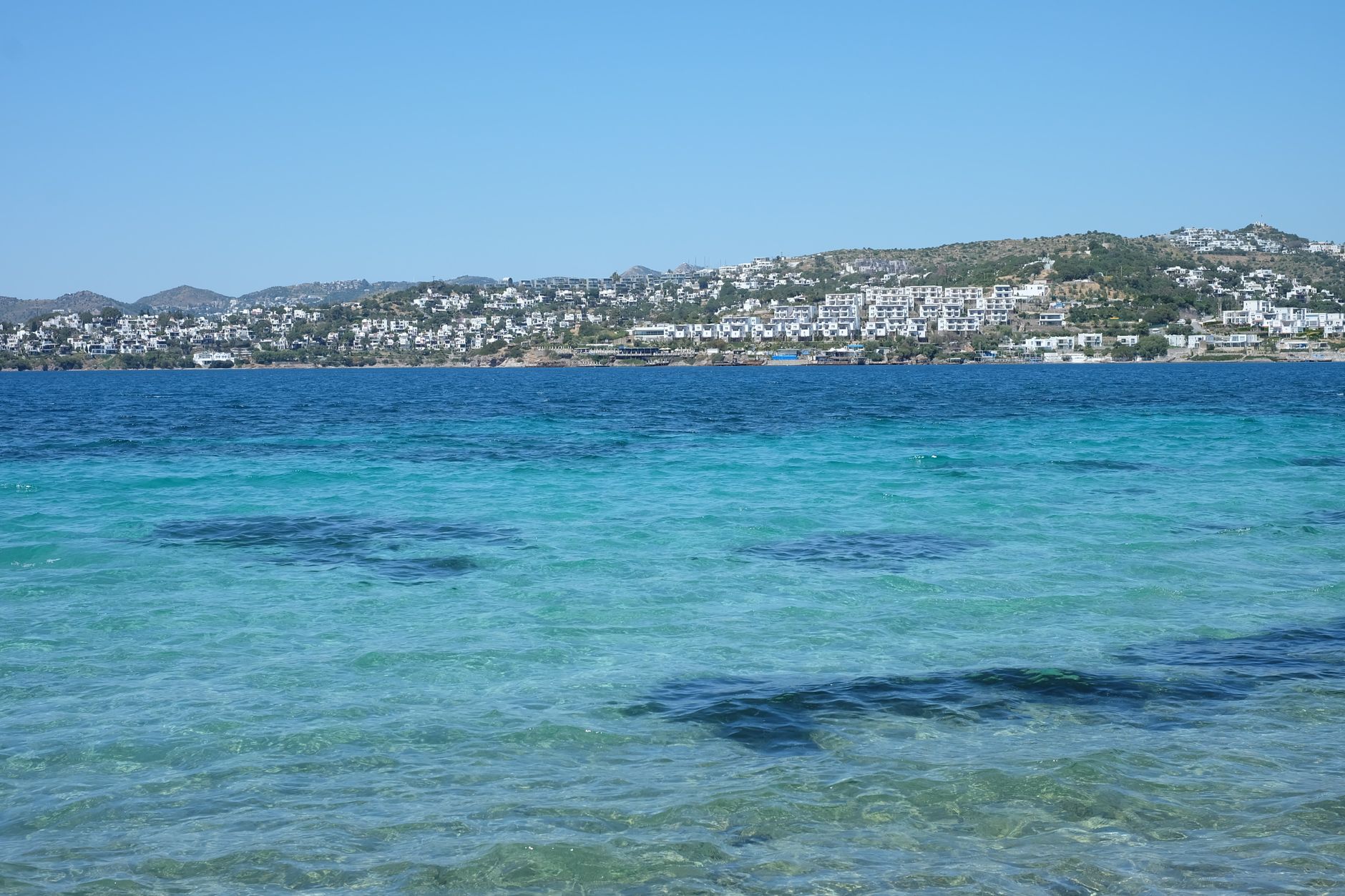
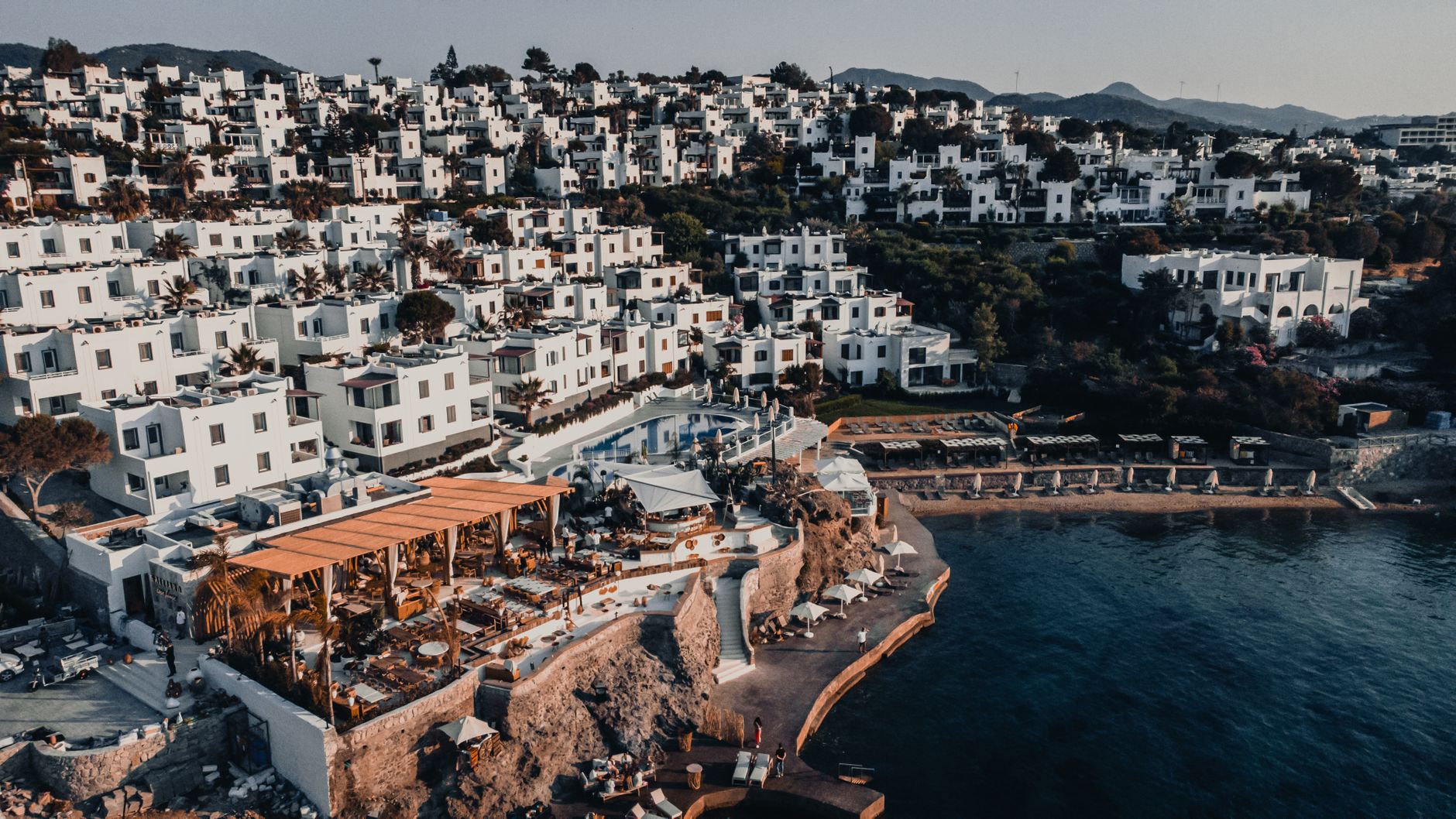
Bodrum sits at the end of a long peninsula where the Aegean meets the Mediterranean, and the town's double harbour means you're rarely far from water. The white cube houses stepping up the hillsides, the silhouette of a crusader castle at the waterfront, the smell of salt and pine — it adds up to something that has pulled visitors here since the 1960s, when a writer exiled here for three years essentially invented the Turkish Riviera.
Beneath the resort surface, the ground is dense with history. This was Halicarnassus, birthplace of Herodotus and site of one of the Seven Wonders of the Ancient World. The castle on the harbour was built partly from the stones of that vanished tomb.
💛 What travellers fall for
People who come back tend to spend a morning at the Museum of Underwater Archaeology before the tour groups arrive — the Islamic glassware from the Serçe Limanı wreck alone justifies the detour. The western end of town, near Myndos Gate, is quieter than the marina strip and worth an evening wander.
How Bodrum came to be
The city that stood here before Bodrum was Halicarnassus, founded by Dorians around 1000 BC on what was then an island. It became the capital of Caria under Persian rule, and when the satrap Mausolus died in 353 BC, his wife Artemisia built him a tomb so elaborate that the word 'mausoleum' entered every European language. Alexander the Great took the city in 334 BC; Rome absorbed it in 129 BC. The tomb was eventually brought down by earthquakes.
The Hospitallers arrived in 1402 and began building the Castle of St. Peter in 1404, supervised by the German knight Heinrich Schlegelholt. They used marble from the ruined Mausoleum as building material. The Ottomans took the castle in 1523. For centuries after, Bodrum was a small harbour town of fishermen and sponge divers, until the writer Cevat Şakir Kabaağaçlı — exiled here in 1925 — wrote about it so vividly that Turkish artists and intellectuals began making the journey south.
Who and what shaped it
People who shaped it
Landmark buildings
See Bodrum in motion
Plan your visit
On the map
When to go
Summers are hot and dry, with sea temperatures peaking in August; winters are mild but rainy and many businesses close. The shoulder months of April through June and September through October are the most comfortable for walking and sightseeing.
Right now
Background & history adapted from Wikipedia (CC BY-SA) · specs from Wikidata (CC0) · weather from Open-Meteo · map data © OpenStreetMap contributors · photos from Wikimedia Commons / Unsplash with per-image credit. No third-party reviews or social posts reproduced.