
Bocachica
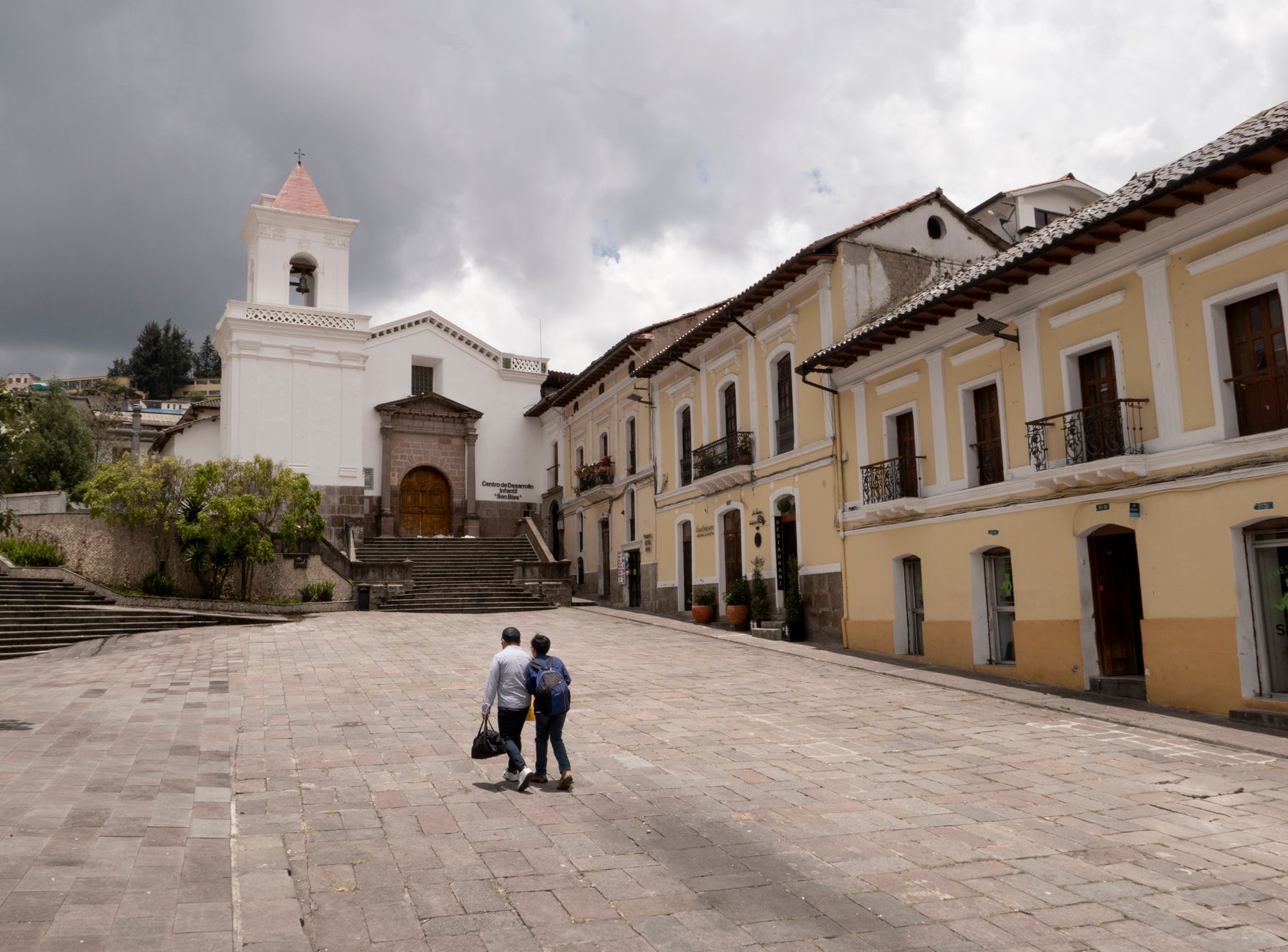
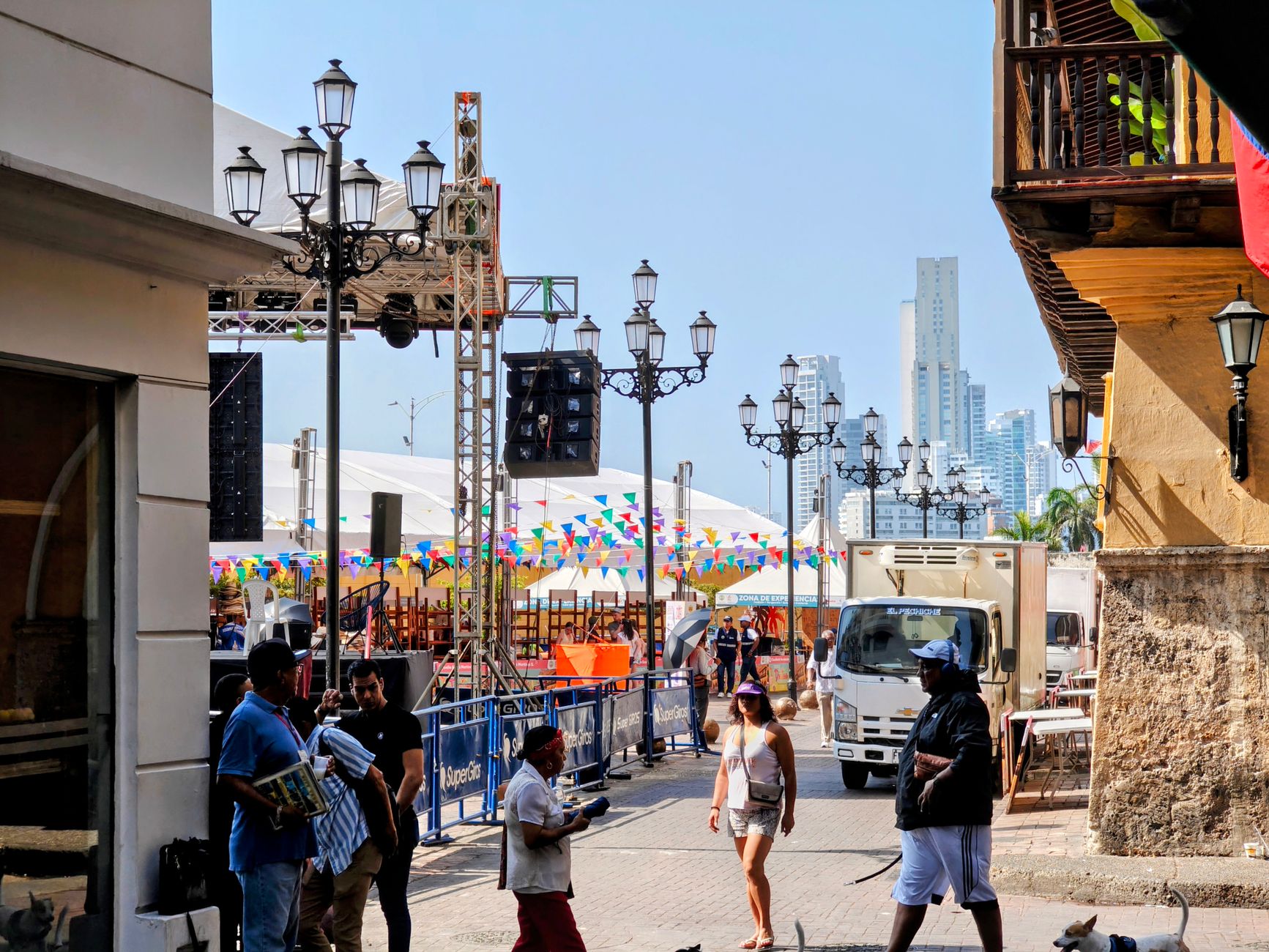
The boat from Cartagena takes thirty-odd minutes across the bay, and by the time you step onto Tierra Bomba the city skyline has shrunk to a thin line behind you. Bocachica sits at the southern mouth of the channel — Bocachica meaning 'small entrance' — where Spanish colonial engineers spent the better part of a century trying to stop the world from sailing into Cartagena's harbour.
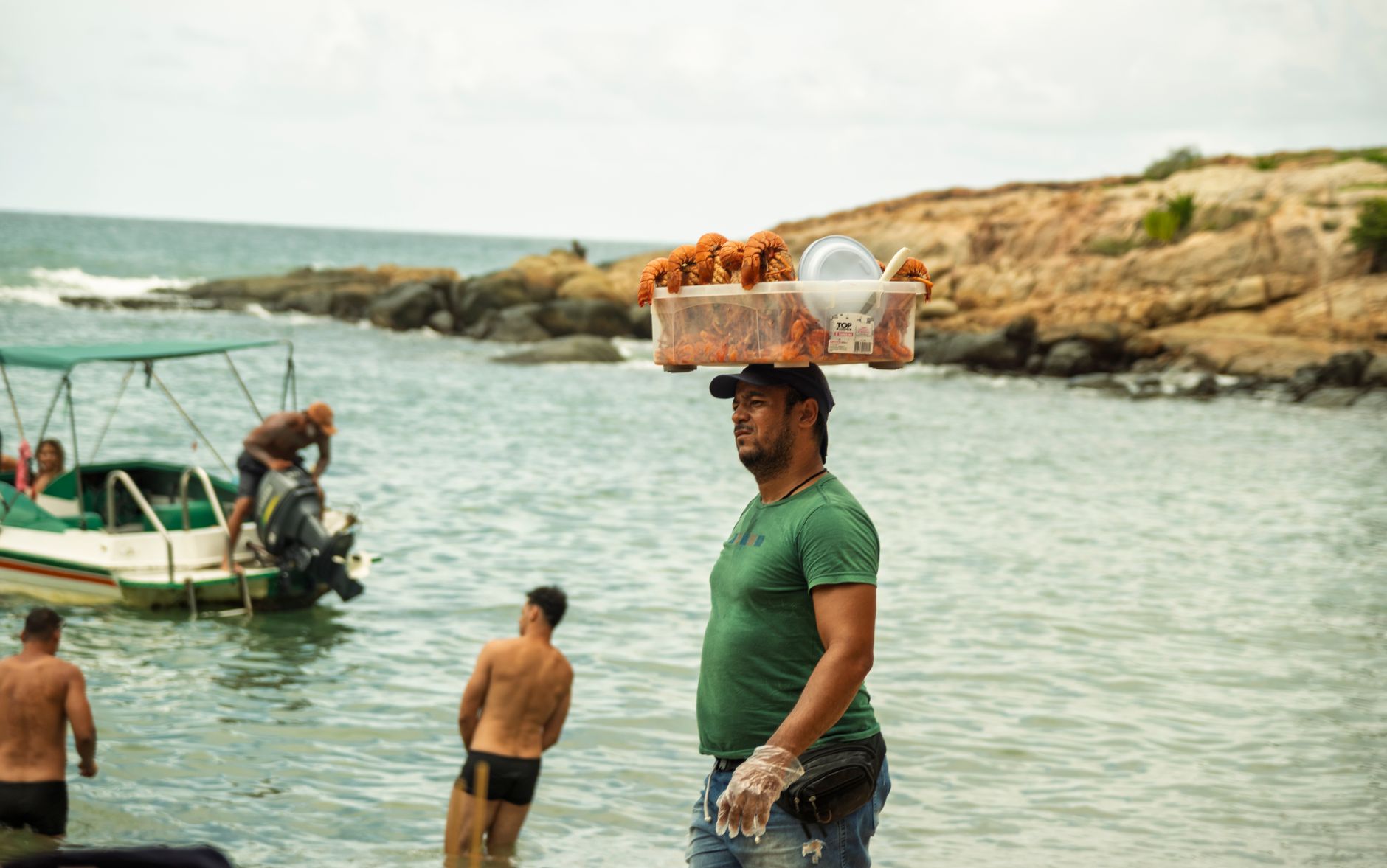
Three stone forts survive here, admission free, mostly unguarded, the kind of place where you can walk the ramparts alone and look straight down into the Caribbean. The town around them is small, sun-bleached, and sells cold drinks and fried fish to the occasional visitor who stays long enough.
💛 What travellers fall for
People who come back tend to time the boat for early morning, before the heat index climbs toward 40°C. They also mention the hill where Ángel San Rafael stands — the colonists called it El Horno, the oven, because kilns there burned limestone for Cartagena's buildings. That detail, once you know it, makes the whole island feel different.
Experiences you don't want to miss



Deals in Bocachica
Book directly at the provider

How Bocachica came to be
In 1646, the engineer Juan de Somovilla broke ground on the Castle of San Luis de Bocachica, named for governor Luis Fernández de Córdoba. The fort was tested hard — French raiders attacked in 1697, and in 1741 British Admiral Vernon's forces overwhelmed it entirely. The damage was severe enough that after Vernon withdrew, engineer Juan Bautista Mac Evan arrived in 1742 specifically to assess what could be saved.
The answer, eventually, was: build again. On 12 March 1753, Captain Antonio de Arévalo began construction of the Castle of San Fernando de Bocachica on the same strategic ground; he completed it six years later. The three forts that remain — San Fernando, San José, and Ángel San Rafael — represent the final, hardened answer to a century of siege.
Who and what shaped it
People who shaped it
Landmark buildings
See Bocachica in motion
Plan your visit
On the map
When to go
Bocachica runs hot year-round, with average highs around 30–31°C most months; July heat index can reach 40°C, and February's isn't far behind. October and November are marginally cooler and fall within the Caribbean rainy season, which can bring afternoon showers but also slightly softer light on the stone.
Right now
Background & history adapted from Wikipedia (CC BY-SA) · specs from Wikidata (CC0) · weather from Open-Meteo · map data © OpenStreetMap contributors · photos from Wikimedia Commons / Unsplash with per-image credit. No third-party reviews or social posts reproduced.