
Bluefields


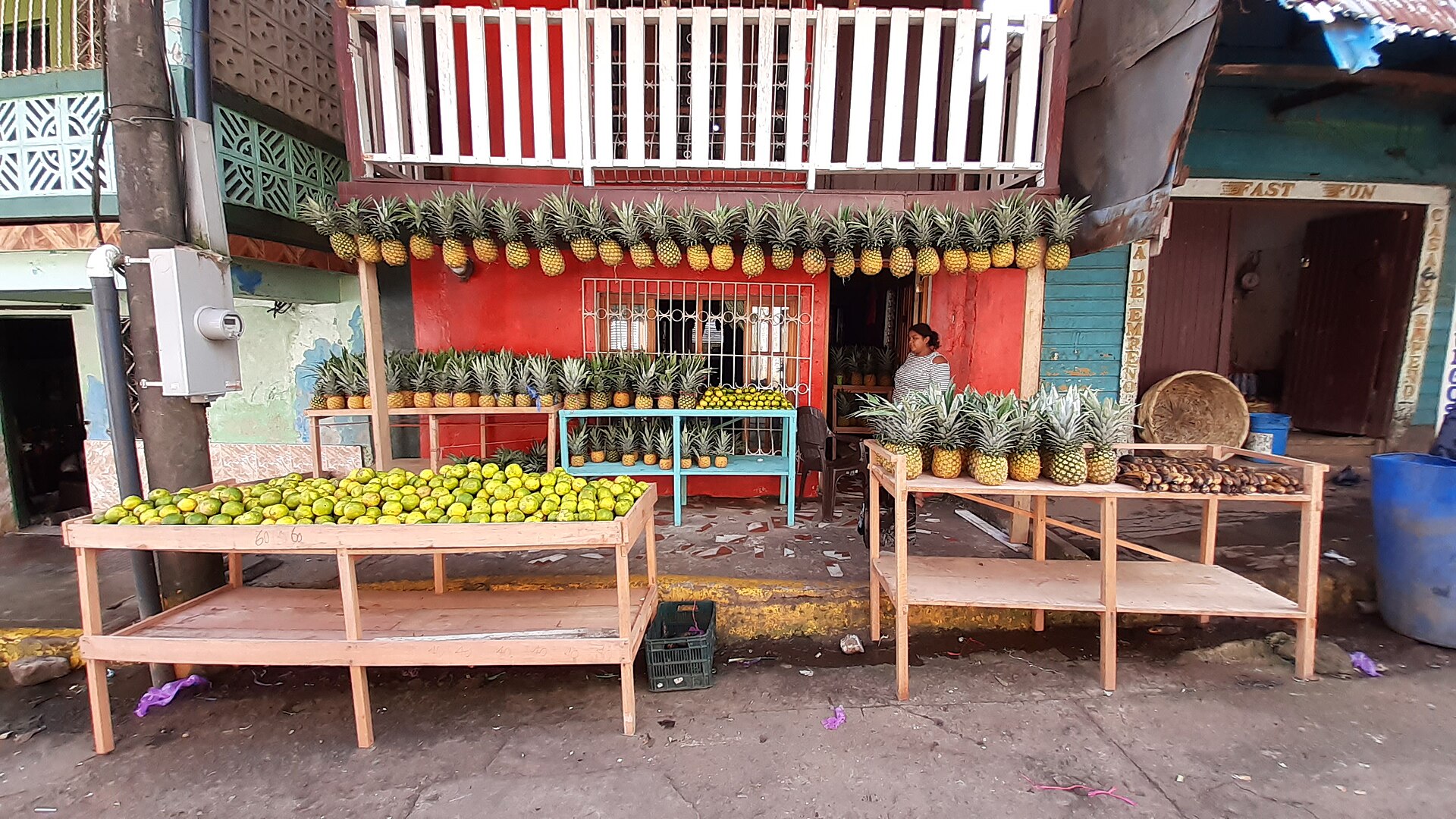
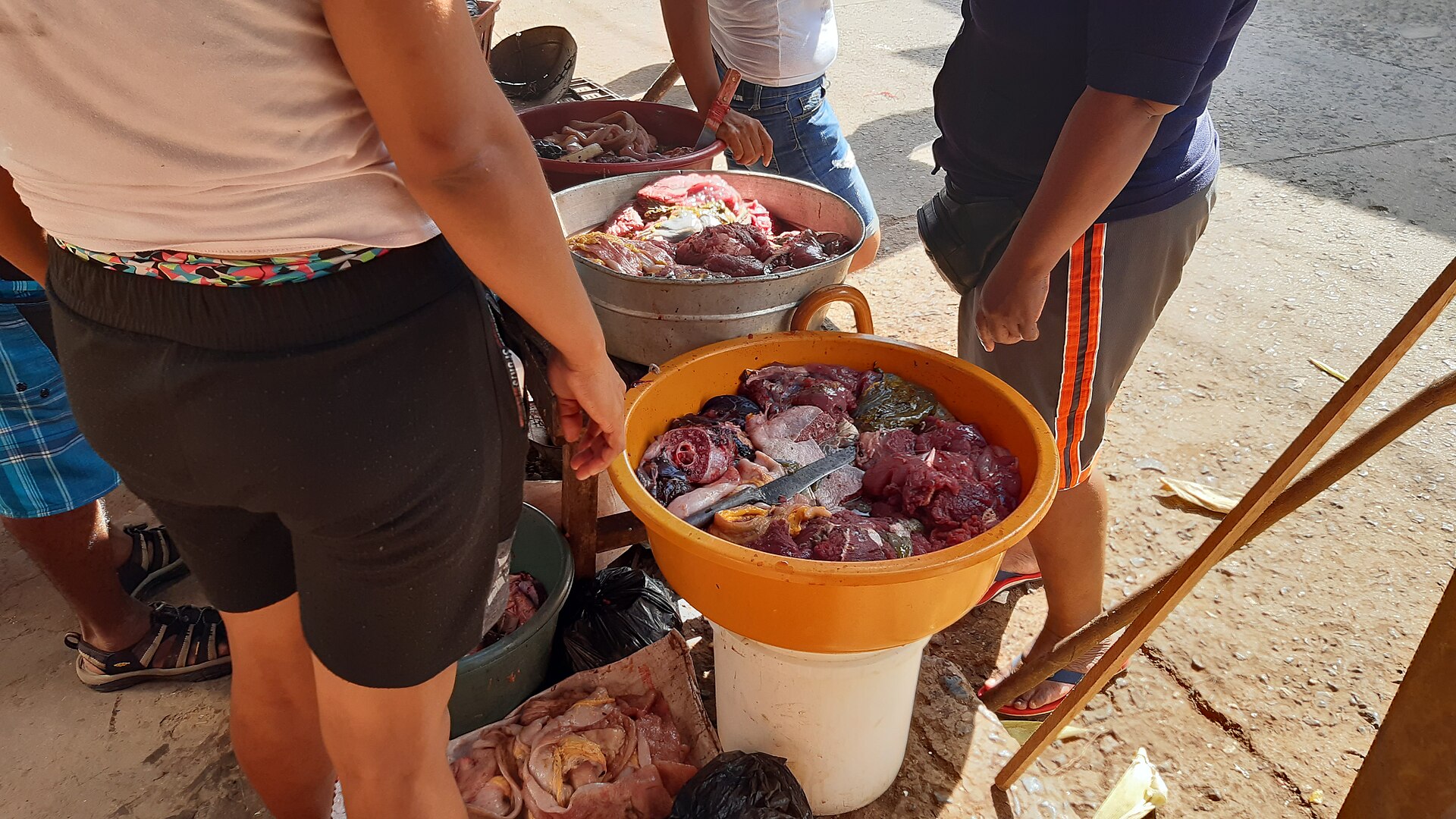
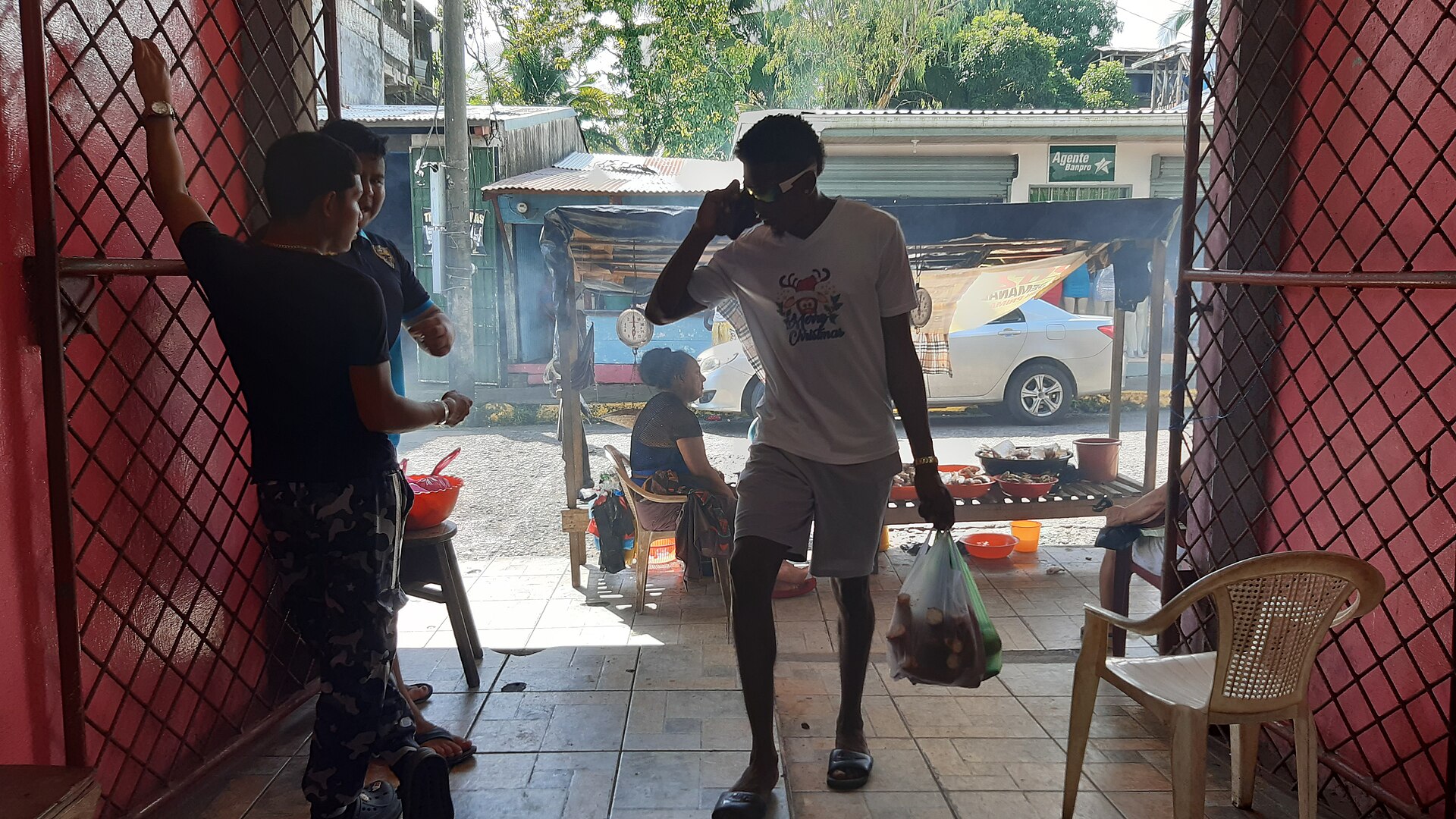
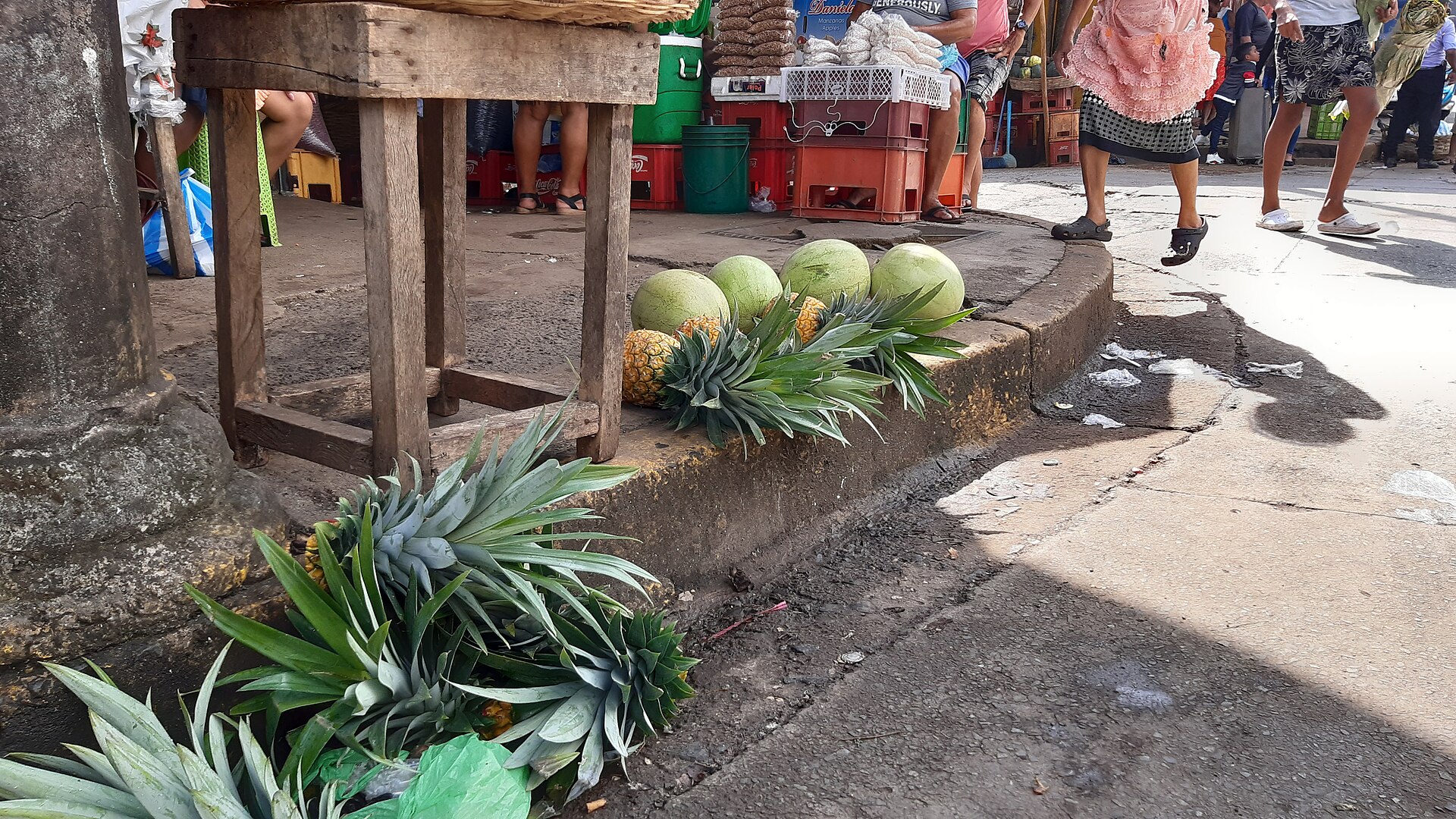
Bluefields sits at the edge of a broad bay on Nicaragua's Caribbean coast, and the first thing you notice is the language: Creole English rolls off tongues faster than Spanish here, a legacy of Dutch privateers, shipwrecked Africans, Moravian missionaries, and British colonists that no other Nicaraguan city quite shares. The Pacific side of the country feels like a different country entirely.
Most travelers pass through on their way to the Corn Islands, but Bluefields rewards a slower look. The Palo de Mayo festival in May fills the streets with Afro-Caribbean music and dancing. The market sells fresh catch alongside spices you won't find in Managua. El Bluff, a short panga ride across the bay, is where the fishing boats and tankers dock among fish-packing factories — industrial and oddly compelling.
How Bluefields came to be
A Dutch privateer named Abraham Blauvelt chose this bay as a base of operations in 1602, and the name stuck. In the mid-1600s a slave ship wrecked nearby; the survivors integrated with indigenous people and became the Miskito Sambu lineage. By 1678 Bluefields was the capital of the English Mosquito Coast protectorate, and in 1744 British colonists arrived from Jamaica with enslaved Africans — layers of migration that shaped the Creole culture still audible on every corner.
Nicaragua formally annexed the city in 1894, abolishing the Miskito monarchy and folding the territory into Zelaya Department. The twentieth century brought U.S. Marines, a CIA-directed port mining in 1984, and then Hurricane Joan in 1988, which tore through the city and forced a near-total reconstruction. The Moravian Church, first built when missionaries arrived in 1848, was rebuilt with its red roof and wooden paneling intact.
Who and what shaped it
People who shaped it
Landmark buildings
See Bluefields in motion
Plan your visit
On the map
When to go
Rain is the baseline here — over 2,700 mm falls annually, with July bringing roughly 365 mm across nearly three weeks of wet days. February through April is the practical window: drier, a little brighter, and still warm at around 28–29°C most afternoons.
Right now
Background & history adapted from Wikipedia (CC BY-SA) · specs from Wikidata (CC0) · weather from Open-Meteo · map data © OpenStreetMap contributors · photos from Wikimedia Commons / Unsplash with per-image credit. No third-party reviews or social posts reproduced.