
Black River
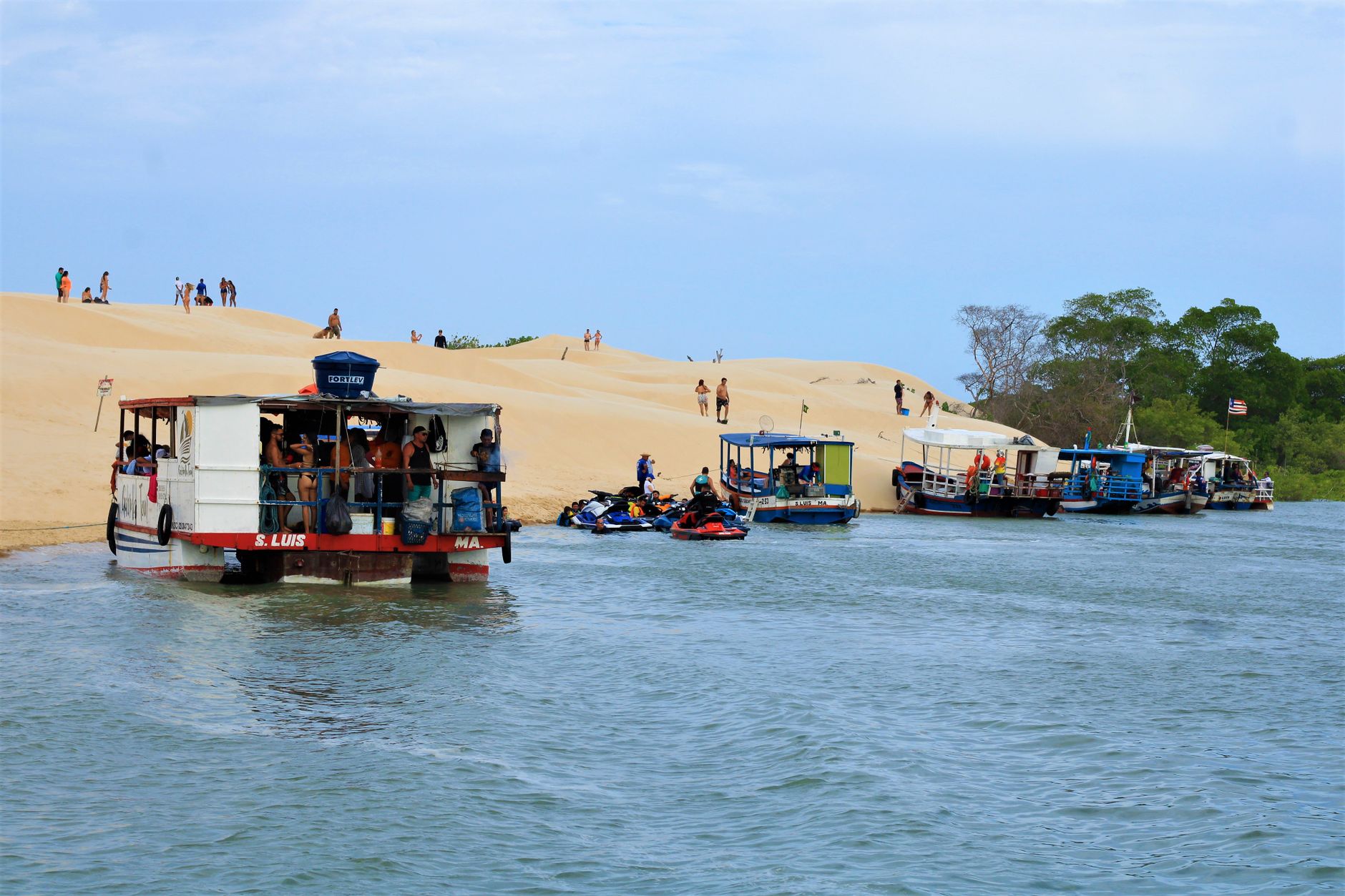
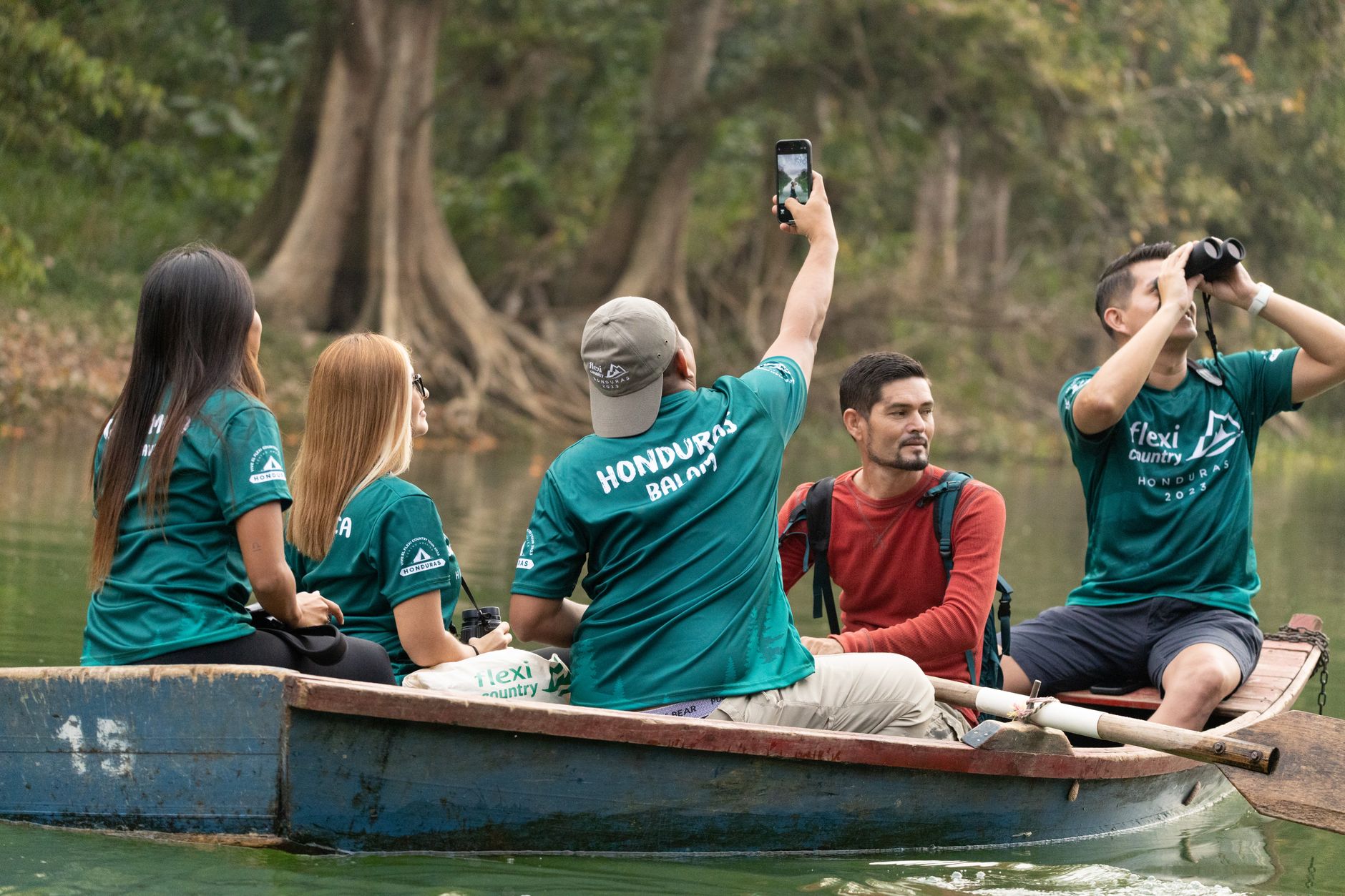
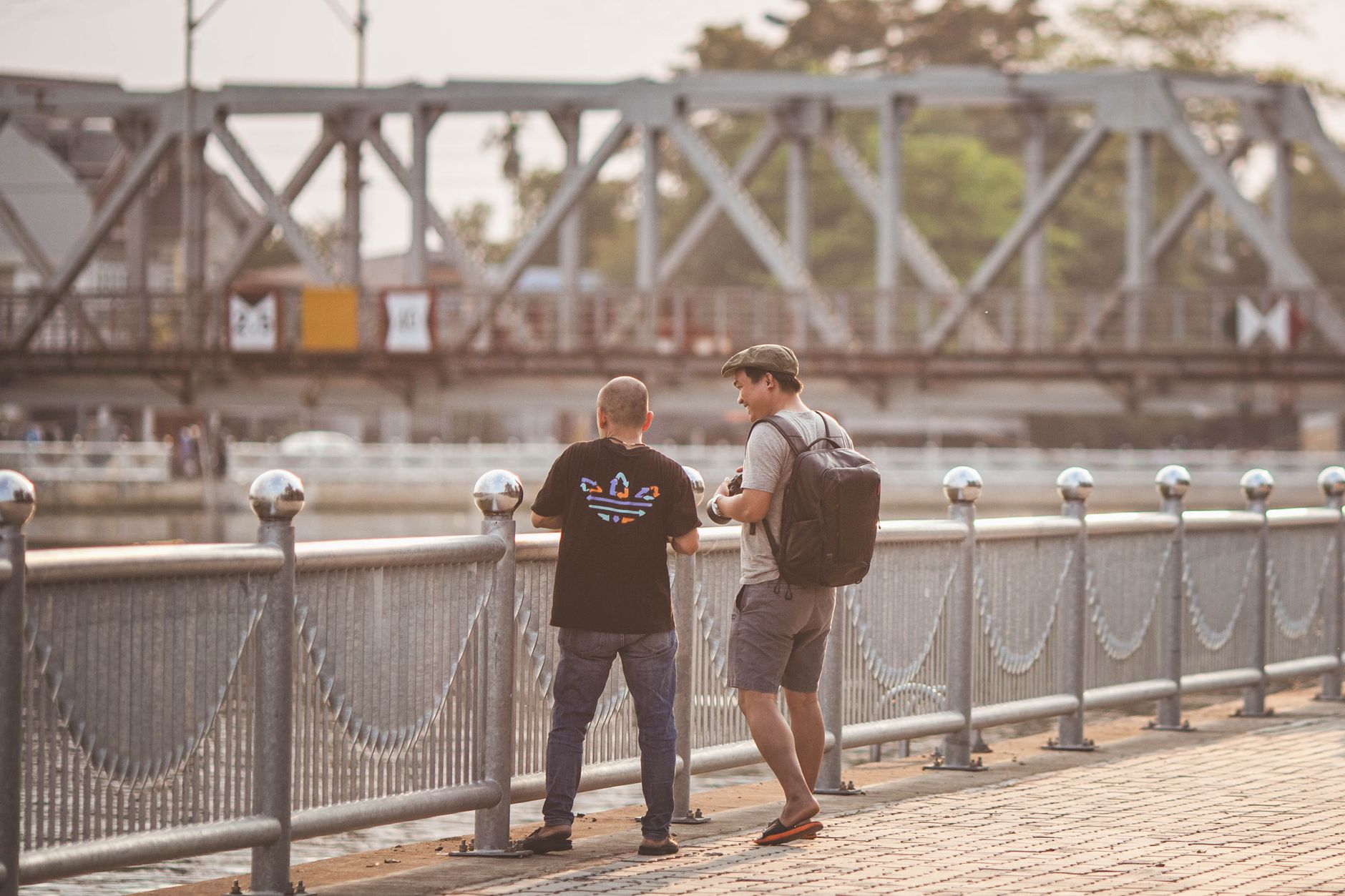
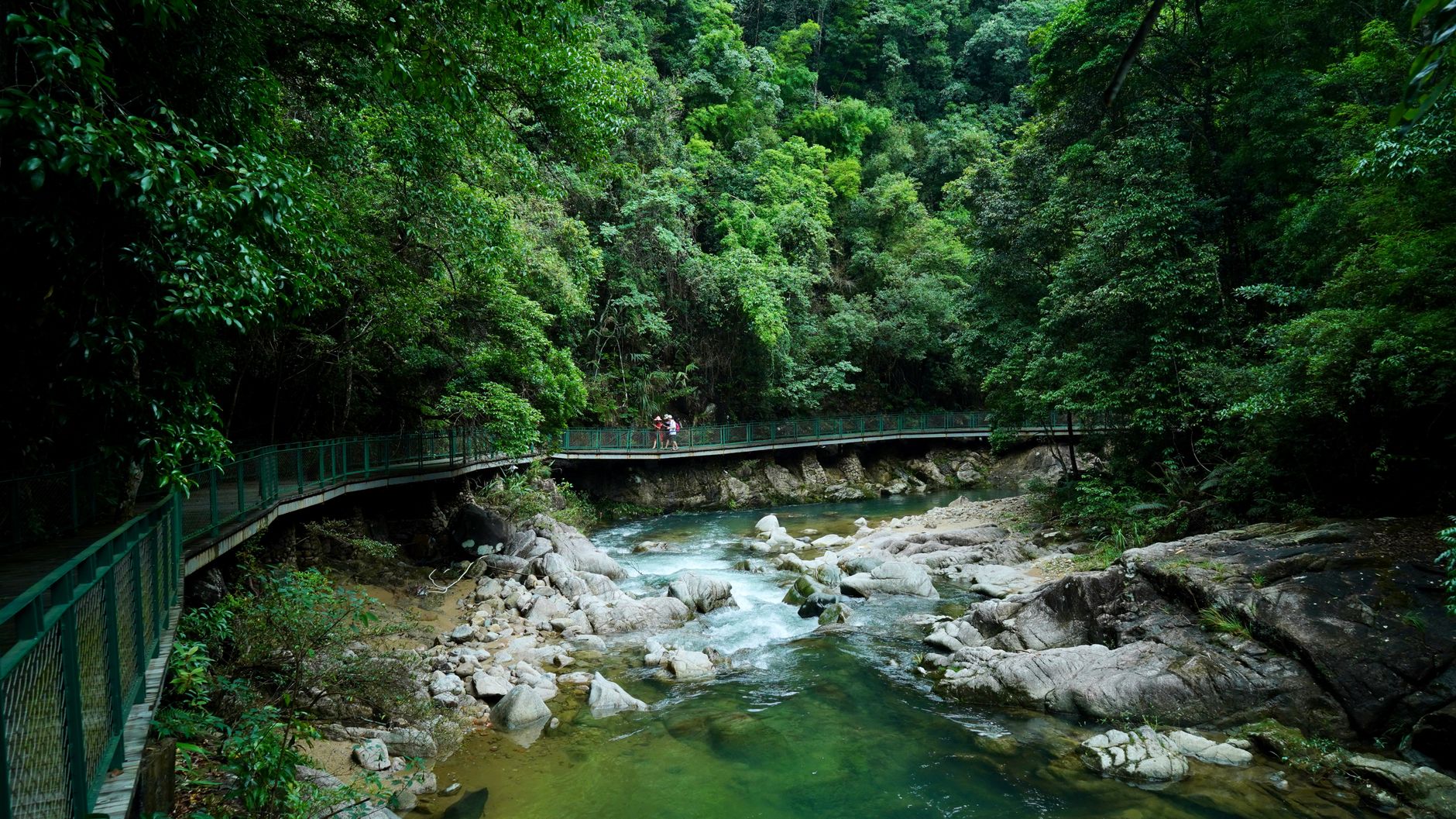
The water that gives Black River its name isn't actually black — it runs dark amber over a peat riverbed, and on a still morning the surface holds the mangroves like a mirror. This is St. Elizabeth Parish's main town, and it carries its history quietly: Georgian facades with Victorian fretwork, a wharf where the logwood trade once loaded ships, and an estimated 300 crocodiles threading through the Great Morass, Jamaica's largest freshwater wetland.
Black River was the second most economically significant town in Jamaica by the early 1900s, and it was the first to have electric light — 1893 — and the first to see an automobile. That accumulation of firsts is now a slow, unhurried place, where a river safari and a walk through the heritage district are the whole point.
💛 What travellers fall for
People who return tend to time the Swaby's safari for early morning, when the light comes low through the mangroves and the crocodiles are easier to spot on the banks. They also know Sunrise Bakery by the bridge — coco bread warm from the oven, before anywhere else opens.
How Black River came to be
Black River appears on John Sellers' 1685 map, making it one of the oldest European-founded towns in Jamaica. It grew as a working port — logwood, rum, pimento, cattle hides moving out through Farquharson Wharf, where enslaved people were also landed and sold. A monument installed in 2007 marks the site in memory of those killed in the Zong massacre of 1781.
In 1773 the town replaced Lacovia as the parish capital. A century later, John Leyden — a Scotsman whose family were major landowners here — brought the first electricity generator and the first car to the island. The heritage district, protected since 1999, holds the evidence: Invercauld, built 1894 in Georgian style; Magdala House in Victorian fretwork; and Waterloo House, the first private residence in Jamaica to be wired for electric light.
Who and what shaped it
People who shaped it
Landmark buildings
See Black River in motion
Plan your visit
On the map
When to go
Temperatures sit between 29°C and 32°C year-round with high humidity throughout. January is the driest and coolest month — the most comfortable time to walk the town; September brings the heaviest rain, and the October–November period carries hurricane risk.
Right now
Background & history adapted from Wikipedia (CC BY-SA) · specs from Wikidata (CC0) · weather from Open-Meteo · map data © OpenStreetMap contributors · photos from Wikimedia Commons / Unsplash with per-image credit. No third-party reviews or social posts reproduced.