
Birmingham
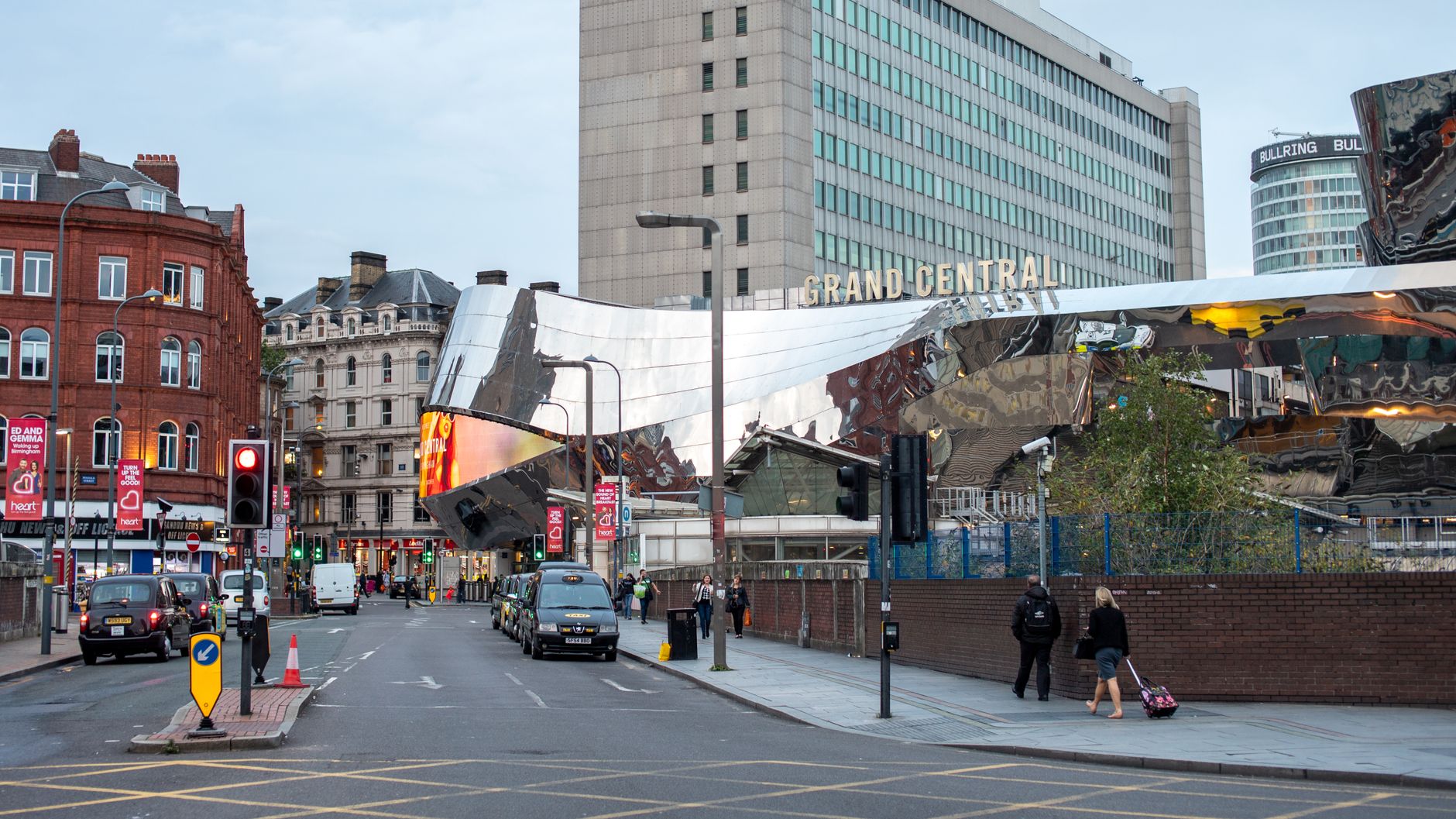
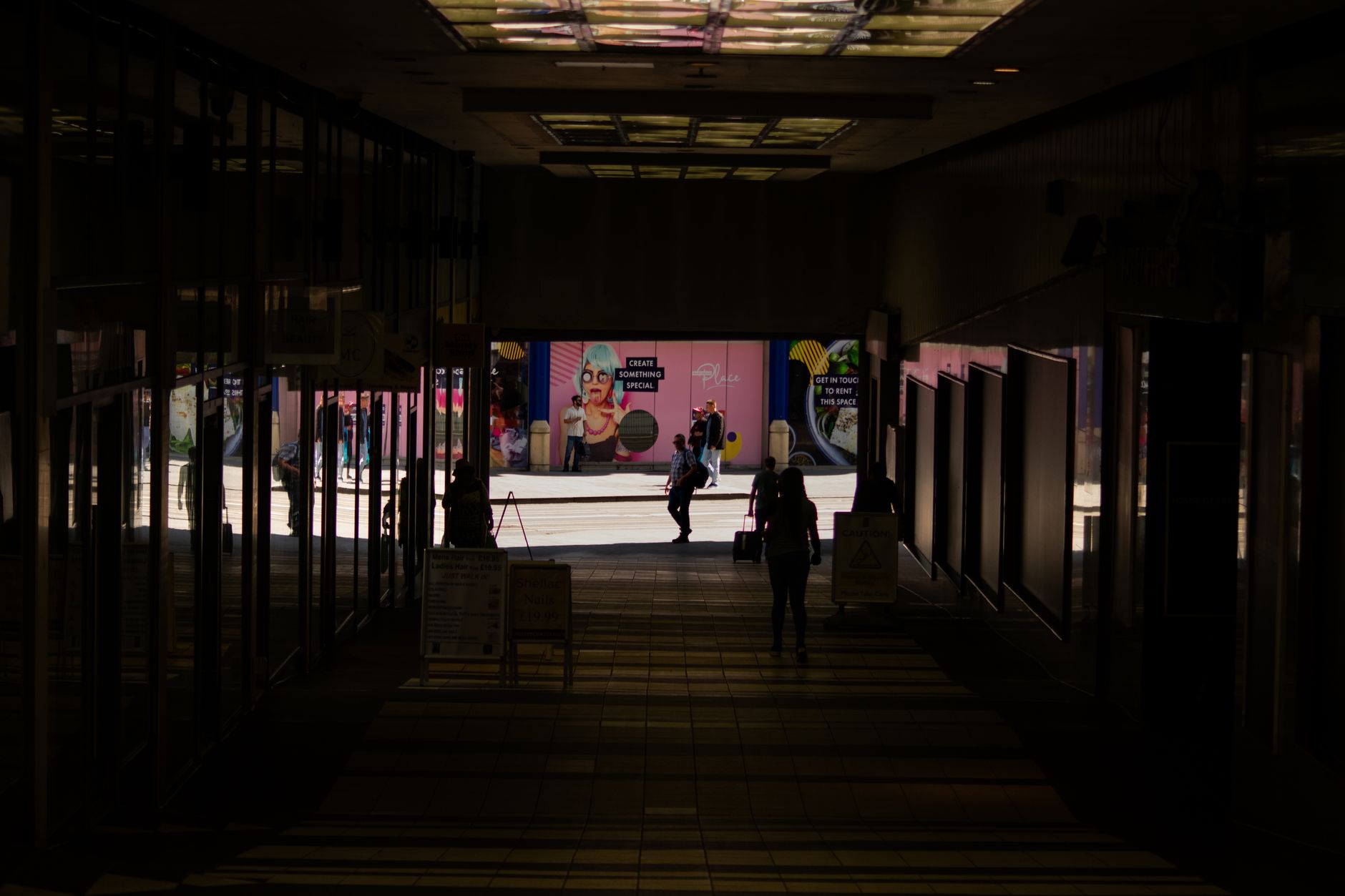
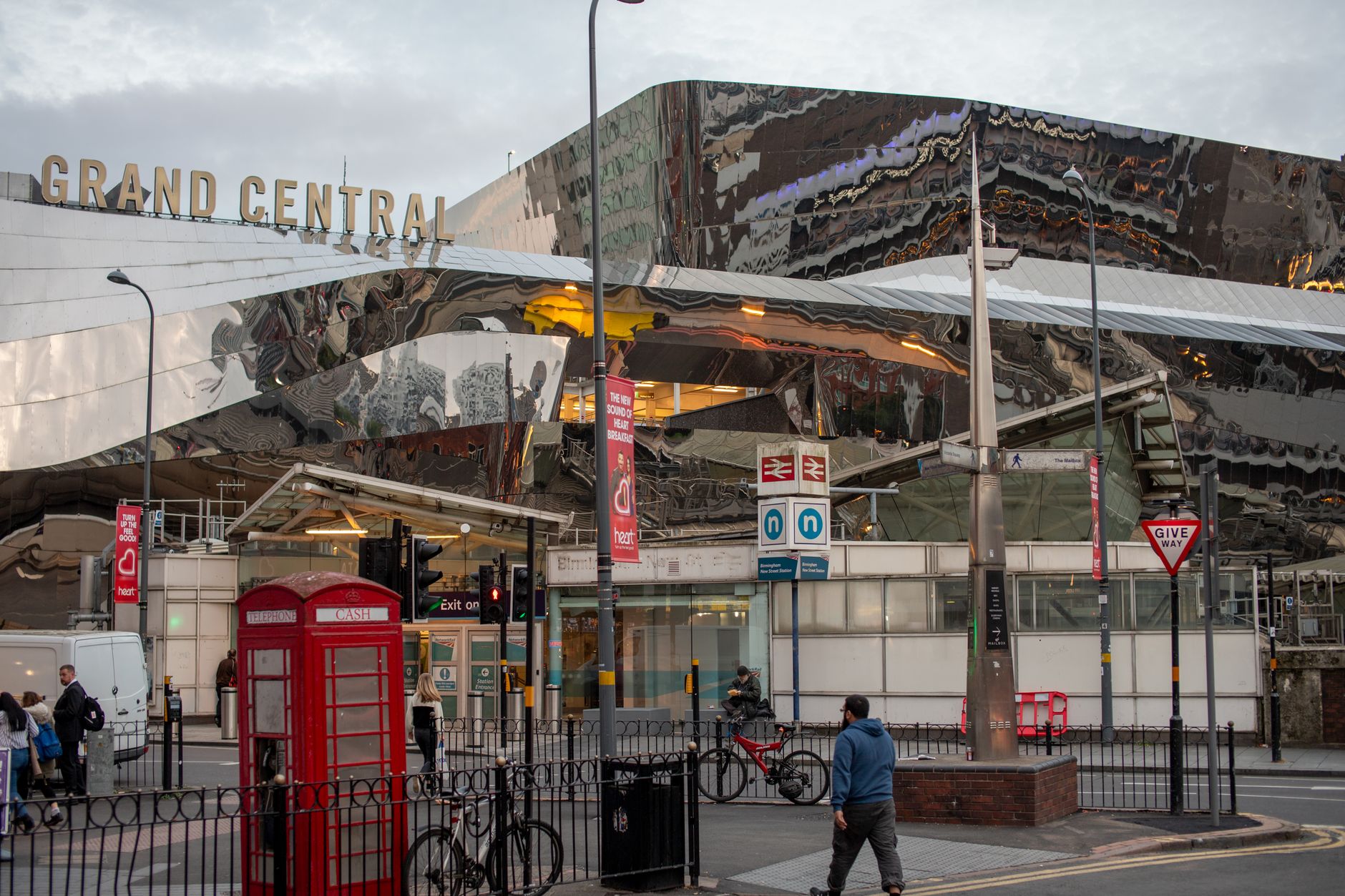
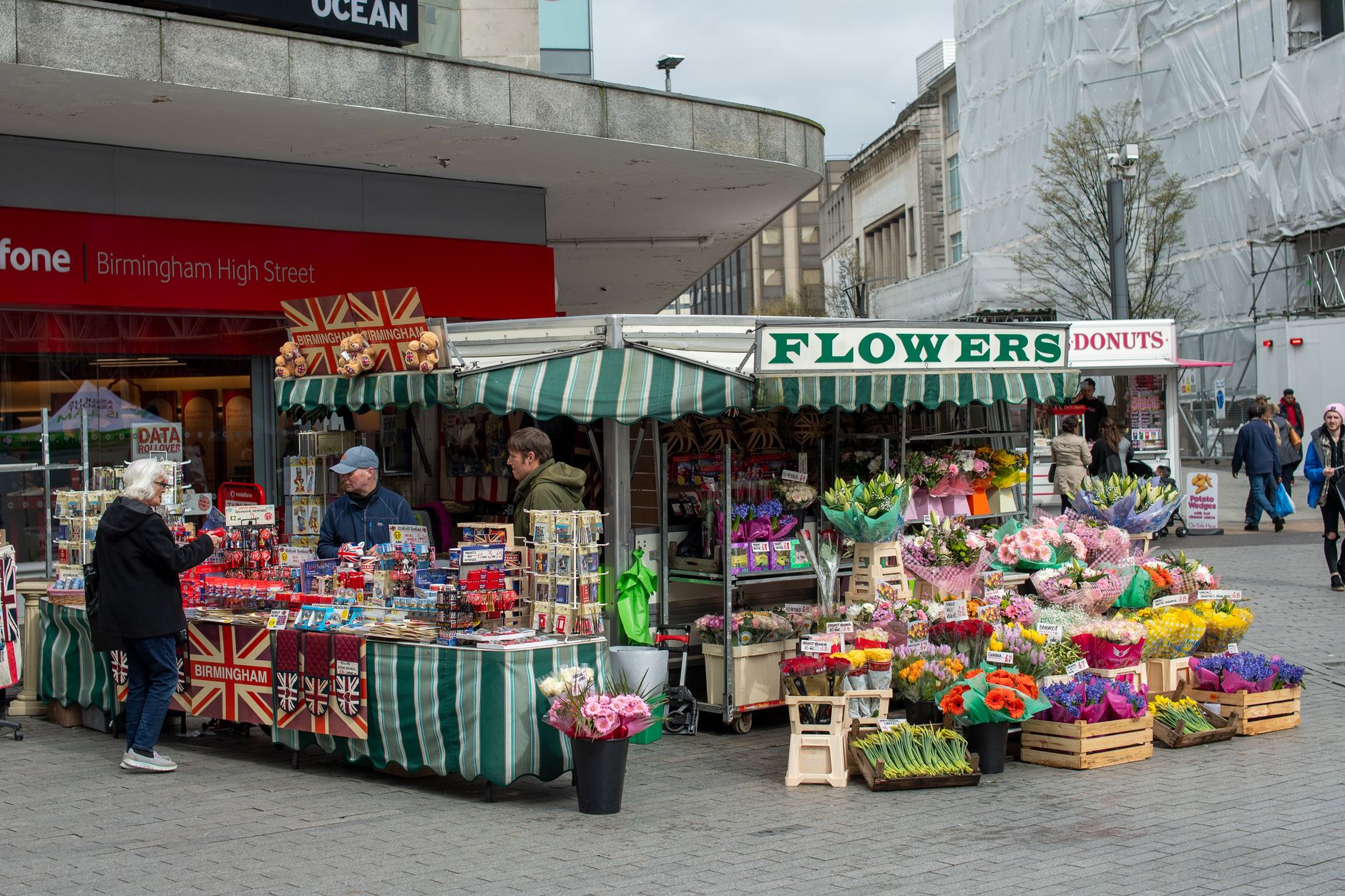
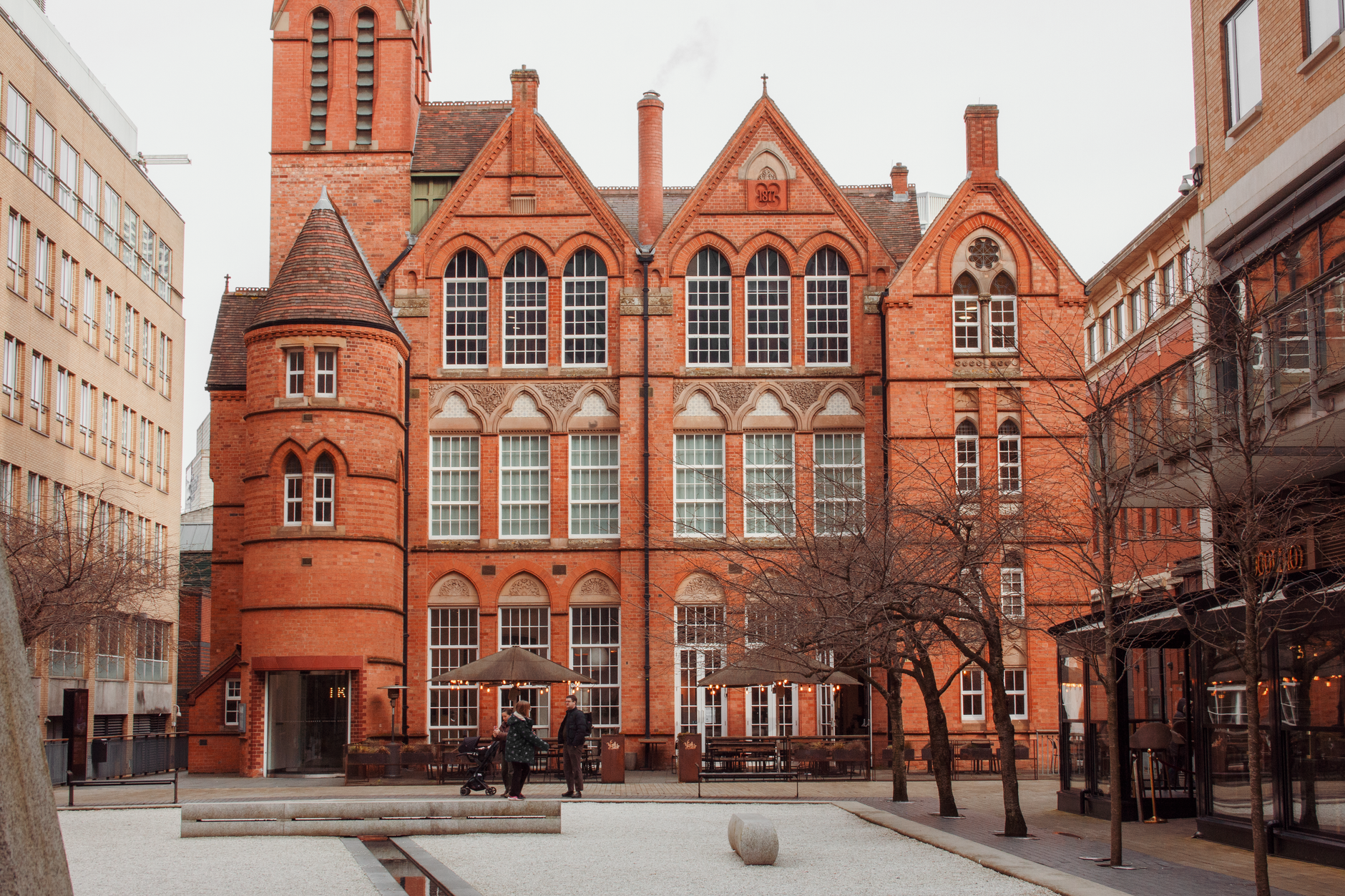

Birmingham earned the title 'the first manufacturing town in the world' in 1791, and the city has been remaking itself ever since. Its canal network — 56 kilometres of it, more than Venice — threads between Selfridges' 15,000 aluminium discs and a Jacobean mansion that once put up King Charles I, which tells you something about the range of what you'll find here.
This is a city that rewards the curious walker. The Rotunda has stood 81 metres over the Bullring since 1965. Perrott's Folly has stood 29 metres over Edgbaston since 1758. The Old Crown has been serving drinks since 1368. The chronology alone is worth the trip.
💛 What travellers fall for
People who keep coming back tend to mention the canals first — specifically, walking the towpaths from Brindleyplace out toward Spaghetti Junction, where 559 concrete columns carry five levels of motorway over the water. The Library of Birmingham's rooftop terrace is worth the elevator ride even on a grey day, which statistically is likely.
Experiences you don't want to miss


Deals in Birmingham
Book directly at the provider

How Birmingham came to be
A market charter in 1166 put Birmingham on the map, though it remained a modest Warwickshire town for centuries. The 18th century changed everything. The Lunar Society — a circle that included manufacturer Matthew Boulton, steam pioneer James Watt, chemist Joseph Priestley and printer John Baskerville — met here monthly around the full moon, and their conversations helped drive the Industrial Revolution forward from Birmingham's workshops and foundries.
By 1838, the city had incorporated and the railways had arrived, linking it to Liverpool and London in the same year. The Town Hall had just opened on Victoria Square, modelled on the proportions of the Temple of Castor and Pollux in Rome. Wartime bombing reshaped whole neighbourhoods, and post-war reconstruction produced landmarks like the Rotunda — now Grade II listed, which says something about how quickly yesterday's new becomes today's heritage.
Who and what shaped it
People who shaped it
Landmark buildings
See Birmingham in motion
Plan your visit
On the map
When to go
Birmingham's oceanic climate means mild, frequently overcast conditions year-round: July averages around 17°C and January dips to about 4°C, with roughly 665mm of rain spread fairly evenly across the year. Pack a layer regardless of season; the city's 1,395 annual sunshine hours tend to arrive in concentrated bursts rather than reliable stretches.
Right now
Background & history adapted from Wikipedia (CC BY-SA) · specs from Wikidata (CC0) · weather from Open-Meteo · map data © OpenStreetMap contributors · photos from Wikimedia Commons / Unsplash with per-image credit. No third-party reviews or social posts reproduced.