
Region

Belfast

Belfast
Photo by David Coleman on Pexels
Belfast
Photo by Donovan Kelly on Pexels
Belfast
Photo by René Lussi on Pexels
Belfast
Photo by Donovan Kelly on Pexels
Belfast
Photo by Caleb Adoh on Pexels
Belfast
Photo by Jude Mitchell-Hedges on Pexels
City break Culture & history Nightlife & party

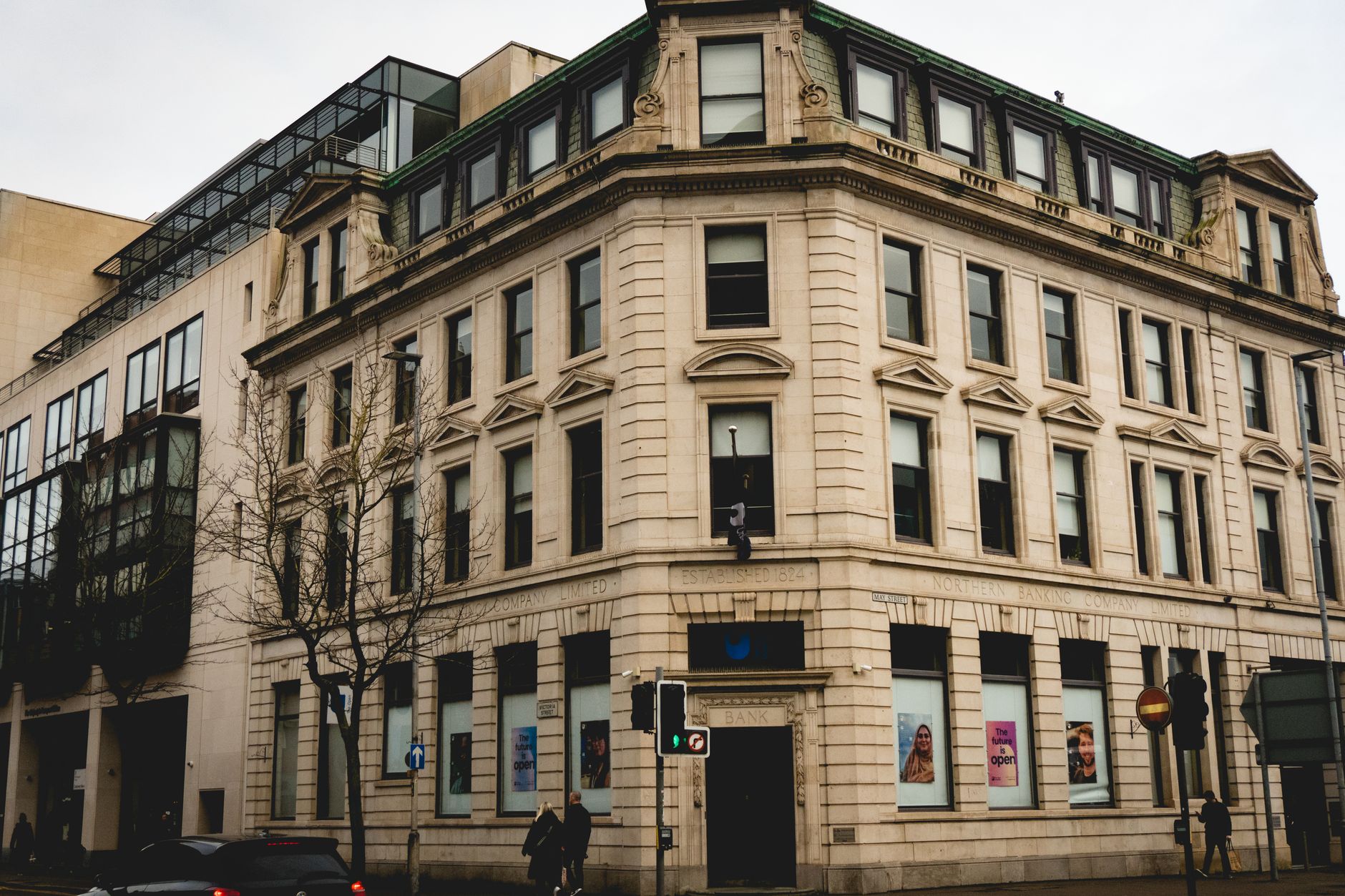
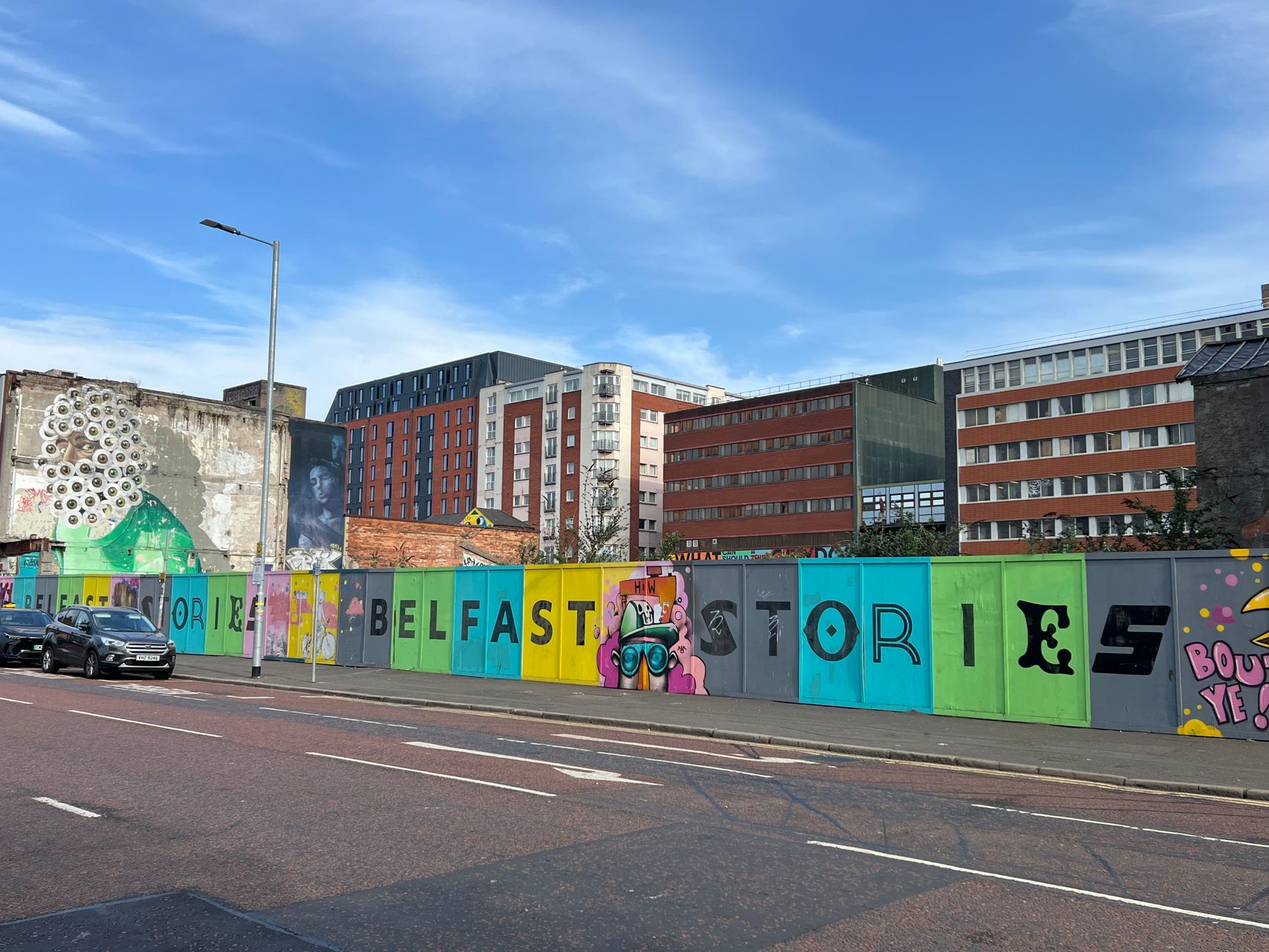
Belfast announces itself in layers: a green copper dome catching the grey northern light, a leaning clock tower built on reclaimed ground, and a shipyard skyline that once produced the largest vessels afloat. The city that built the Titanic, lived through decades of conflict, and signed a peace agreement in 1998 is now somewhere else entirely — not erased of its past, but genuinely reworked around it.

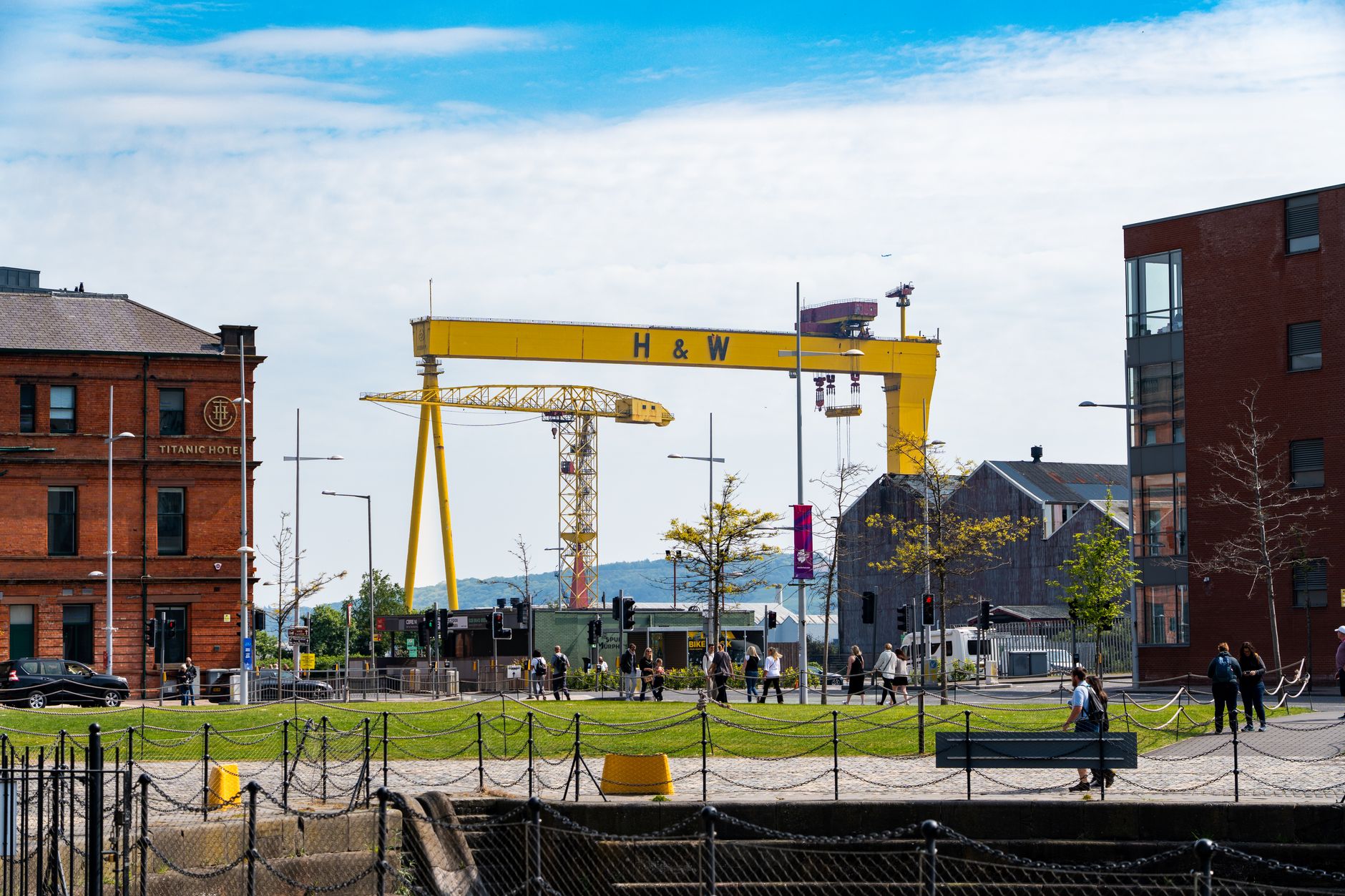
The waterfront district around the old Harland & Wolff yard is the most visible sign of that change, but the older city rewards attention too: a Victorian covered market still trading on Fridays and Saturdays, a library founded in 1788, a Crown Liquor Saloon that belongs to the National Trust.

Good to know
Belfast is compact enough to cover on foot or by bike. The Enterprise train links Dublin in about two hours. St George's Market runs Friday and Saturday — worth timing your arrival around. Summer (June–August) is the most comfortable season, though even then a waterproof is sensible.
The story

How Belfast came to be

Belfast's formal existence dates to 1613, when it was chartered as an English settlement under Baron Arthur Chichester, who had built a castle there two years earlier. Early growth came largely from Scottish Presbyterian settlers, and the town remained modest until industrialisation took hold. William Ritchie established a shipyard in 1791; Harland & Wolff followed in 1862. The effect on the city was seismic — population rose from 25,000 in 1808 to 385,000 by 1911, and Belfast received city status by royal charter in 1888.

After the partition of Ireland, Belfast became the seat of Northern Ireland's government at Stormont. The second half of the twentieth century was defined by the Troubles — a conflict that bombed even the Grand Opera House on Great Victoria Street — until the Good Friday Agreement of 1998 returned a power-sharing assembly and opened the way for the sustained rebuilding that has reshaped the inner city and docklands since.

People & landmarks

Who and what shaped it

People who shaped it

Kenneth Branagh
Actor and film-maker born in Belfast.
Van Morrison
Singer-songwriter born in Belfast.
George Best
Footballer born in Belfast.
C.S. Lewis
Author and theologian born in Belfast.
Sir Charles Lanyon
Architect who designed many Victorian landmarks including the Lanyon Building at Queens University and the Palm House.
Sir Alfred Brumwell Thomas
Architect who designed Belfast City Hall.

Landmark buildings

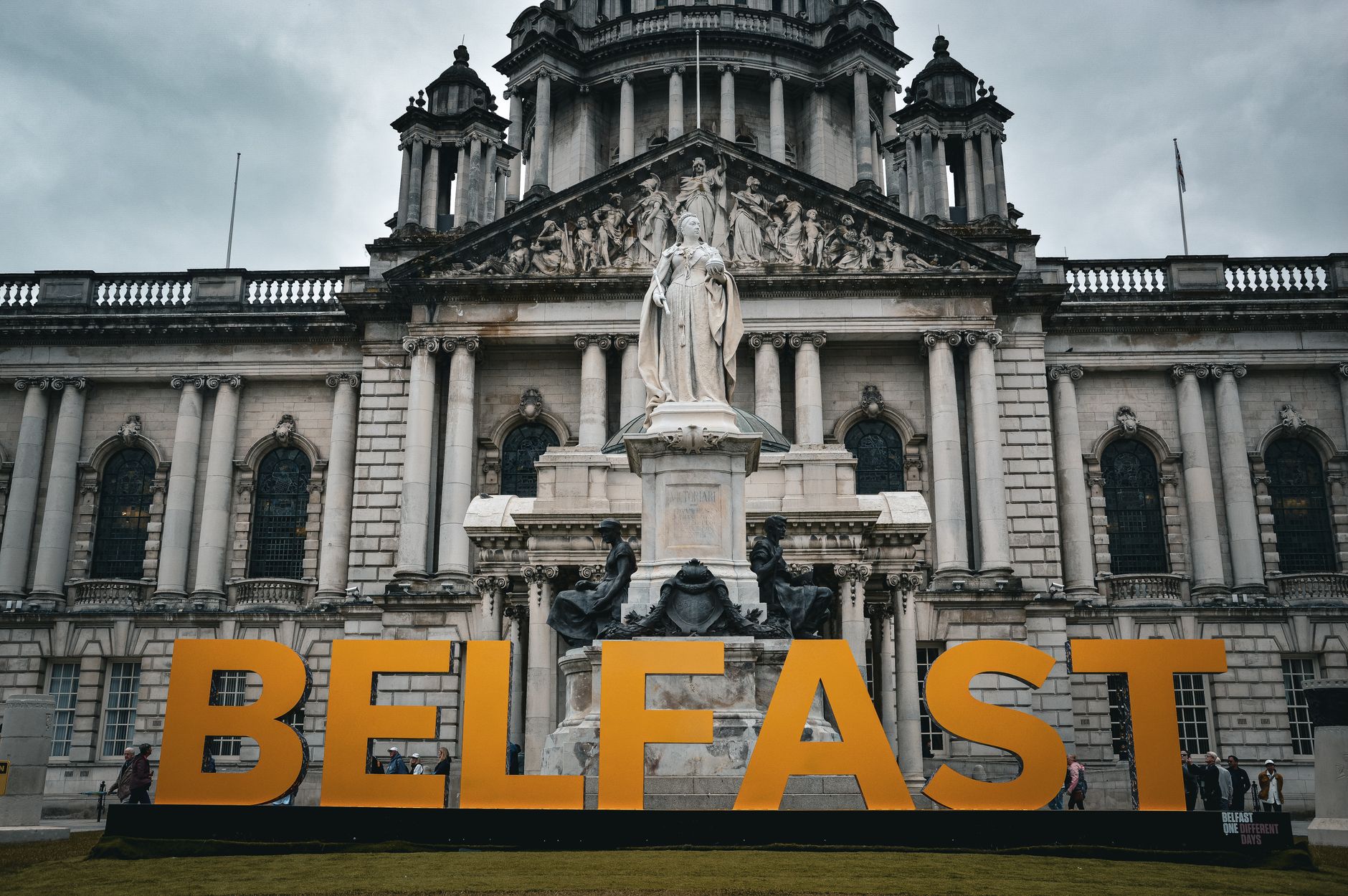
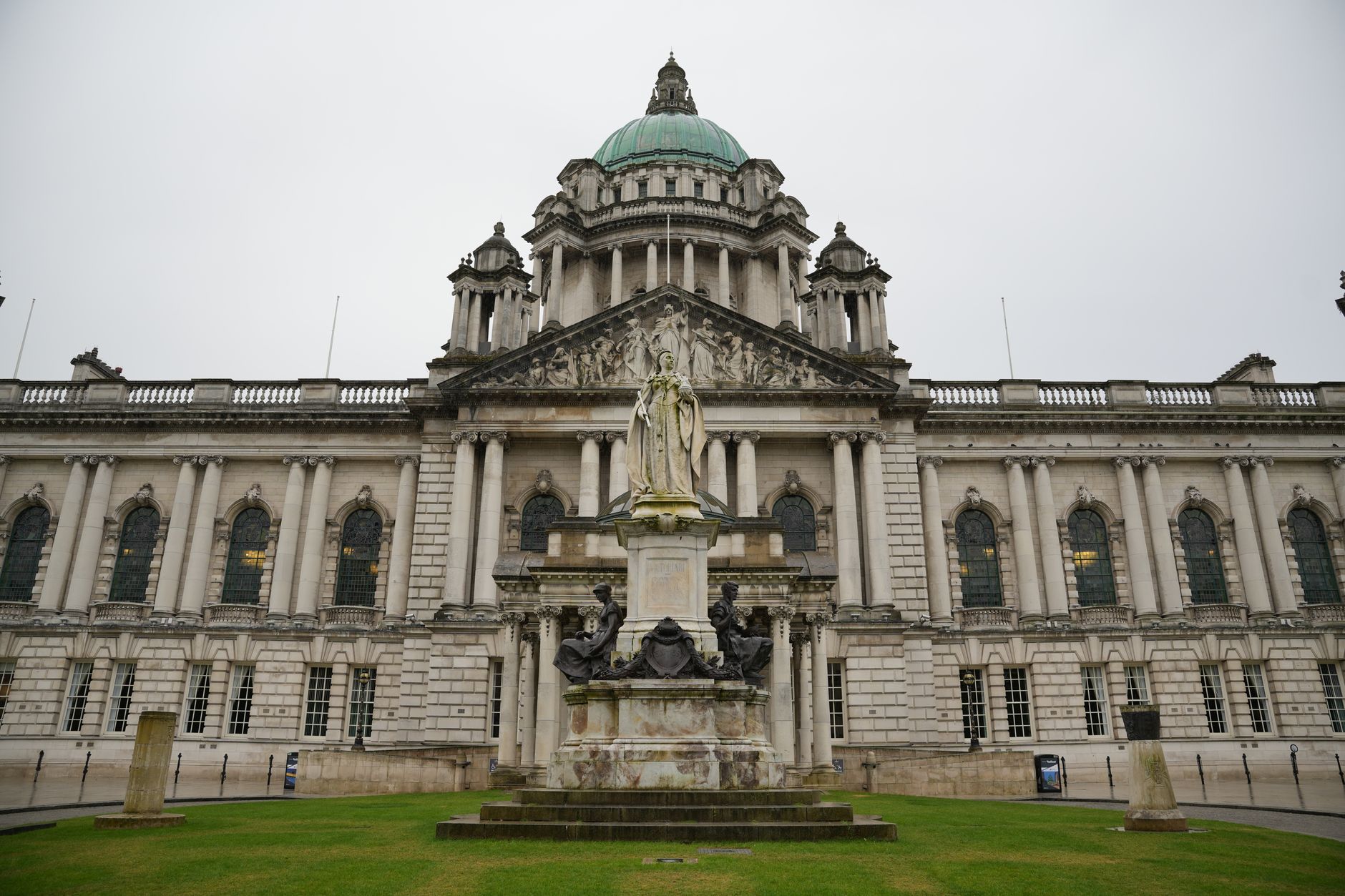
Belfast City Hall
Finished 1906; Baroque Revival with 53 m green copper dome and Portland stone facade.
Grand Opera House
Completed 1895; bombed during the Troubles, subsequently restored.
Botanic Gardens & Palm House
Gardens opened 1828; Palm House built 1840 by Lanyon, one of Europe's earliest curved iron glasshouses.
Linen Hall Library
Founded 1788 by the Belfast Society for Promoting Knowledge.
Ulster Museum
Founded 1833 as the Belfast Municipal Museum and Art Gallery by the Belfast Natural History Society.
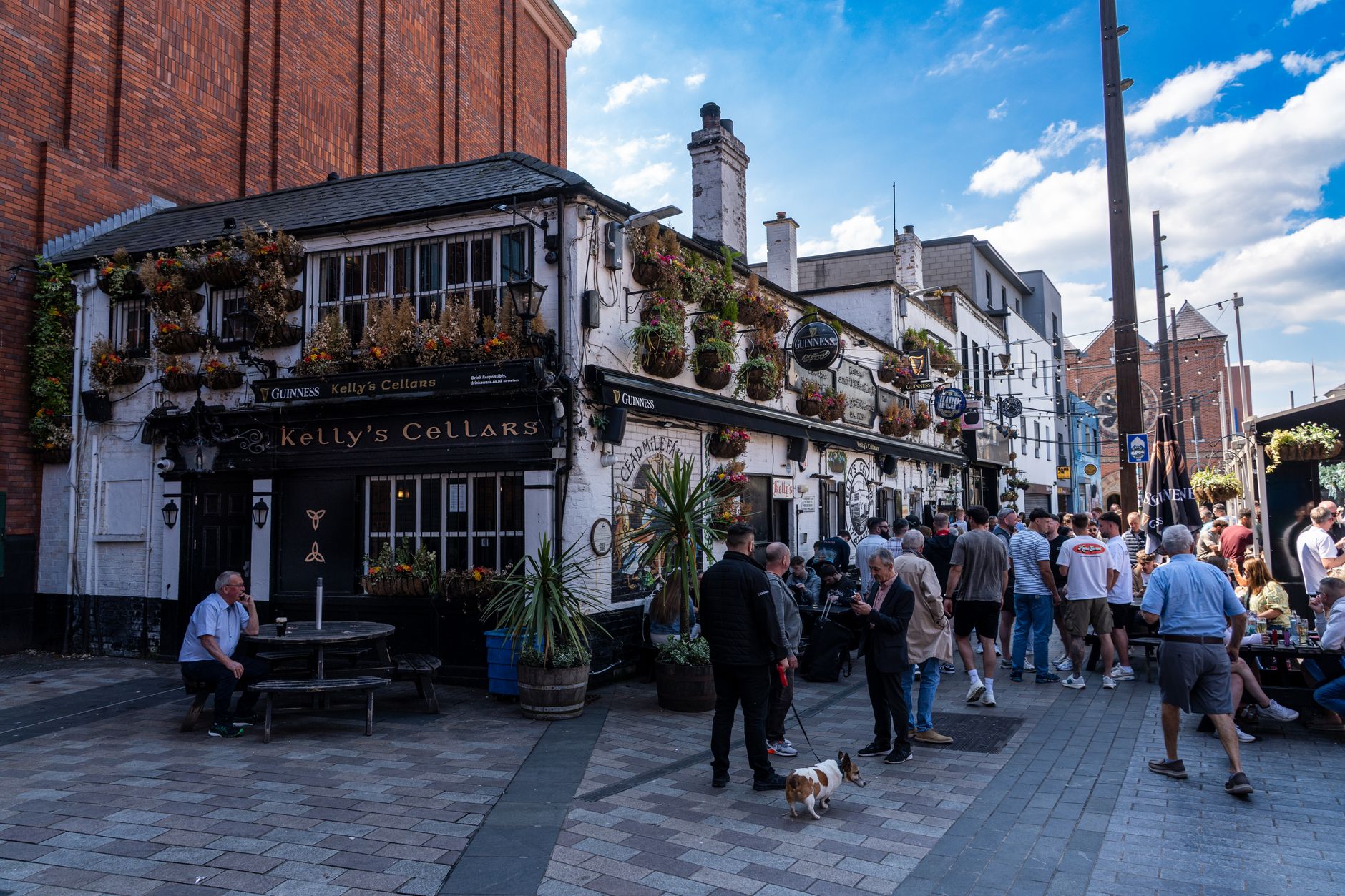
Crown Liquor Saloon
Located on Great Victoria Street; the only bar owned by the National Trust.
Titanic Belfast
Opened April 2012 on the site where the Titanic was built and launched.
St George's Market
Built 1890–1896; Belfast's last surviving Victorian covered market, restored 1997.
Albert Clock
Designed by William J. Barre; 35 m high, leans 1.25 m off vertical due to reclaimed land foundation.
Obel Tower
88 m tall, 28 floors; tallest building on the island of Ireland.
Lyric Theatre
Created 2011 by O'Donnell and Tuomey; described as one of the most stunning new British buildings of the century.
Metropolitan Arts Centre (MAC)
Created 2012 by Hackett Hall McKnight; described as one of the most stunning new British buildings of the century.
Watch

See Belfast in motion

Practical

Plan your visit

On the map

When to go

Belfast has an oceanic climate: winters are cold and frequently wet, with January averaging around 4.7°C and persistent cloud cover. Summers are mild rather than warm — July sits around 15°C — but they offer the longest days and the best odds of dry weather. Pack a layer and something waterproof regardless of season.

Right now

☀️
16°C
Clear
Fri
24°
17°
Sat
21°
15°
Sun
22°
15°
Mon
20°
14°
Weather data: Open-Meteo

Background & history adapted from Wikipedia (CC BY-SA) · specs from Wikidata (CC0) · weather from Open-Meteo · map data © OpenStreetMap contributors · photos from Wikimedia Commons / Unsplash with per-image credit. No third-party reviews or social posts reproduced.

Top