
Bath
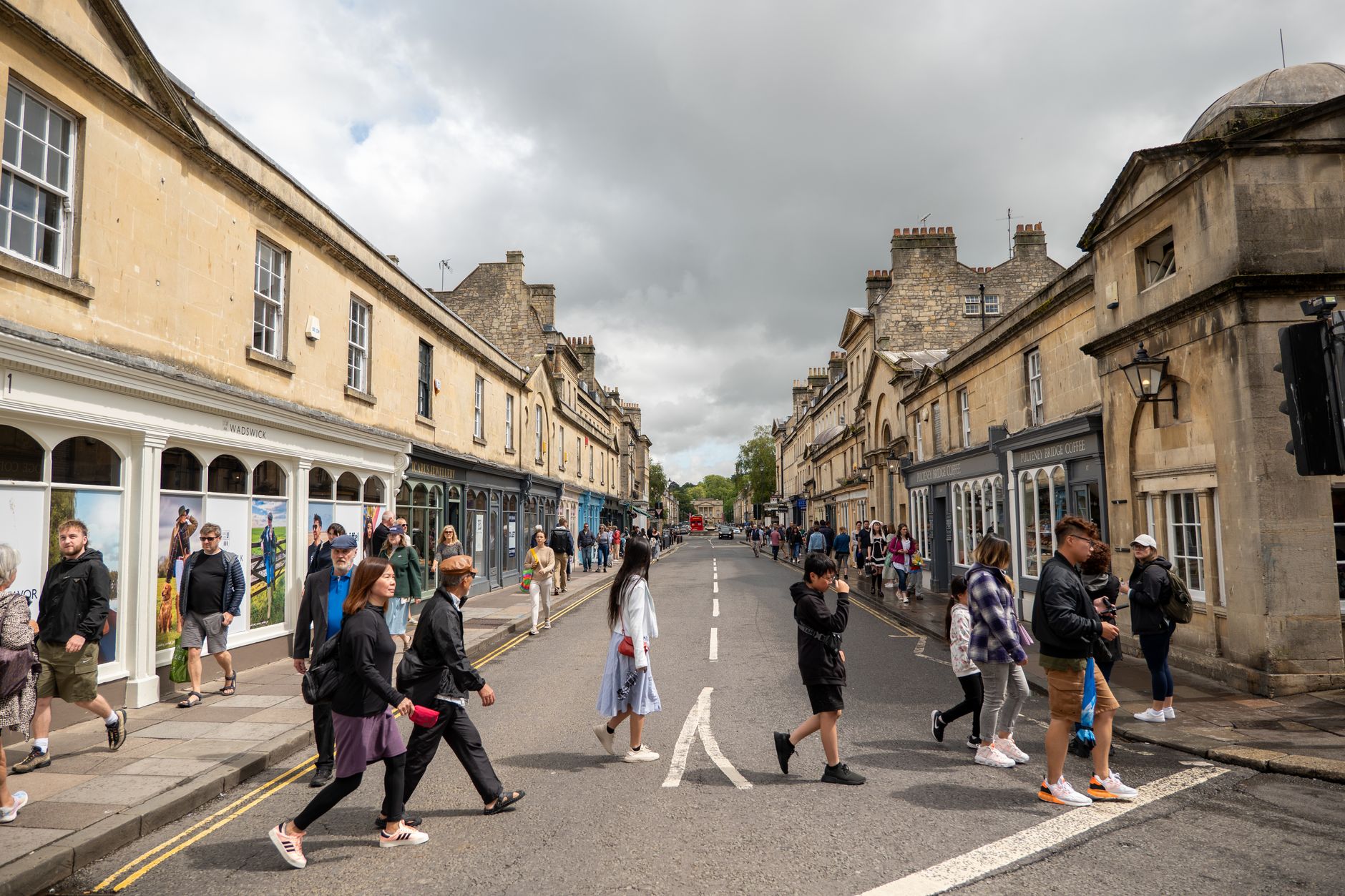
Bath is the kind of place where you turn a corner and find yourself standing in front of thirty houses built as a single sweeping crescent, Ionic columns running the full length, and the thought arrives unbidden: someone planned all of this. That someone was largely John Wood the Younger, who finished the Royal Crescent in 1774, and his father before him, who laid out the circular Circus a decade earlier. The city they shaped in honey-coloured Bath stone still holds its form with unusual discipline.
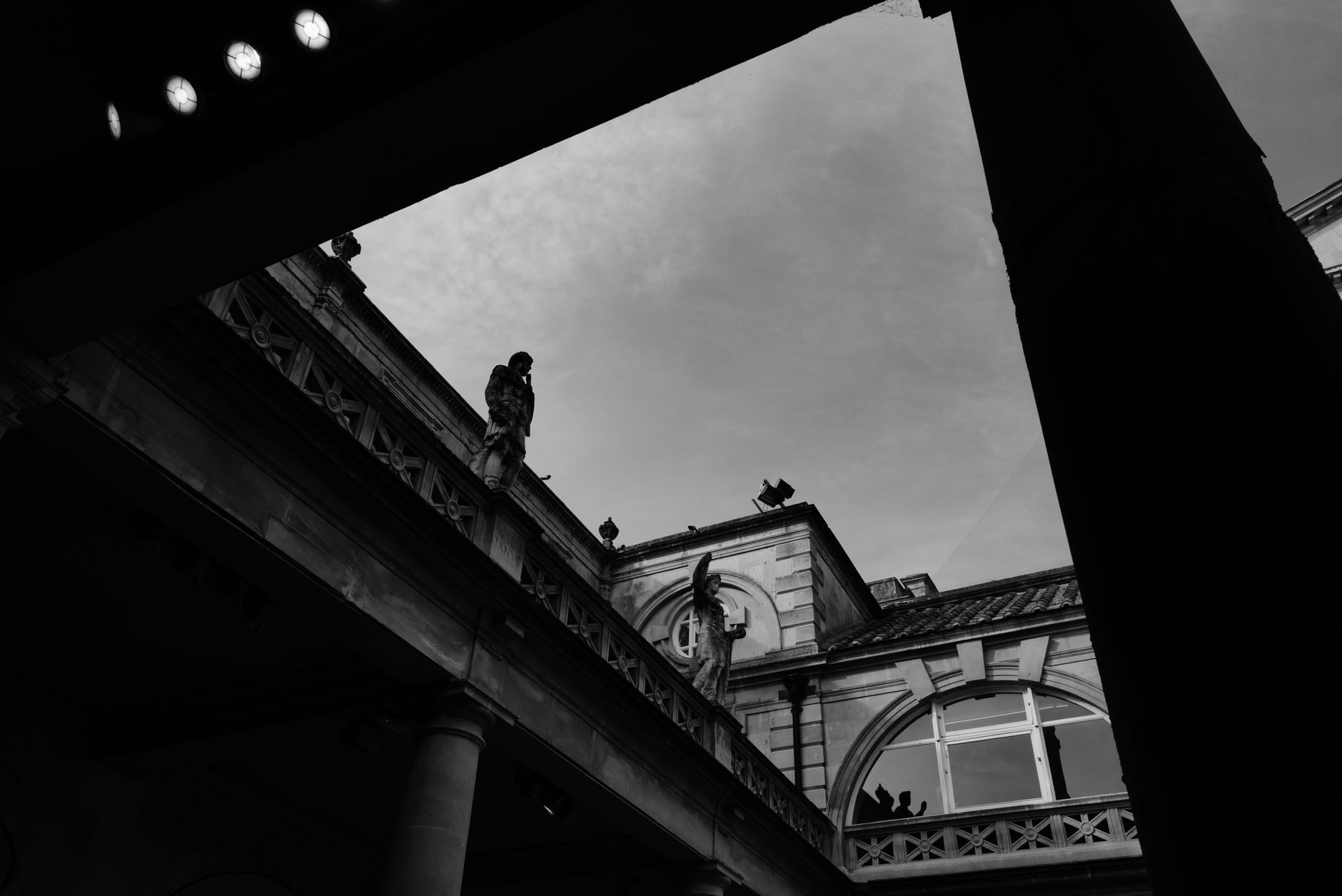
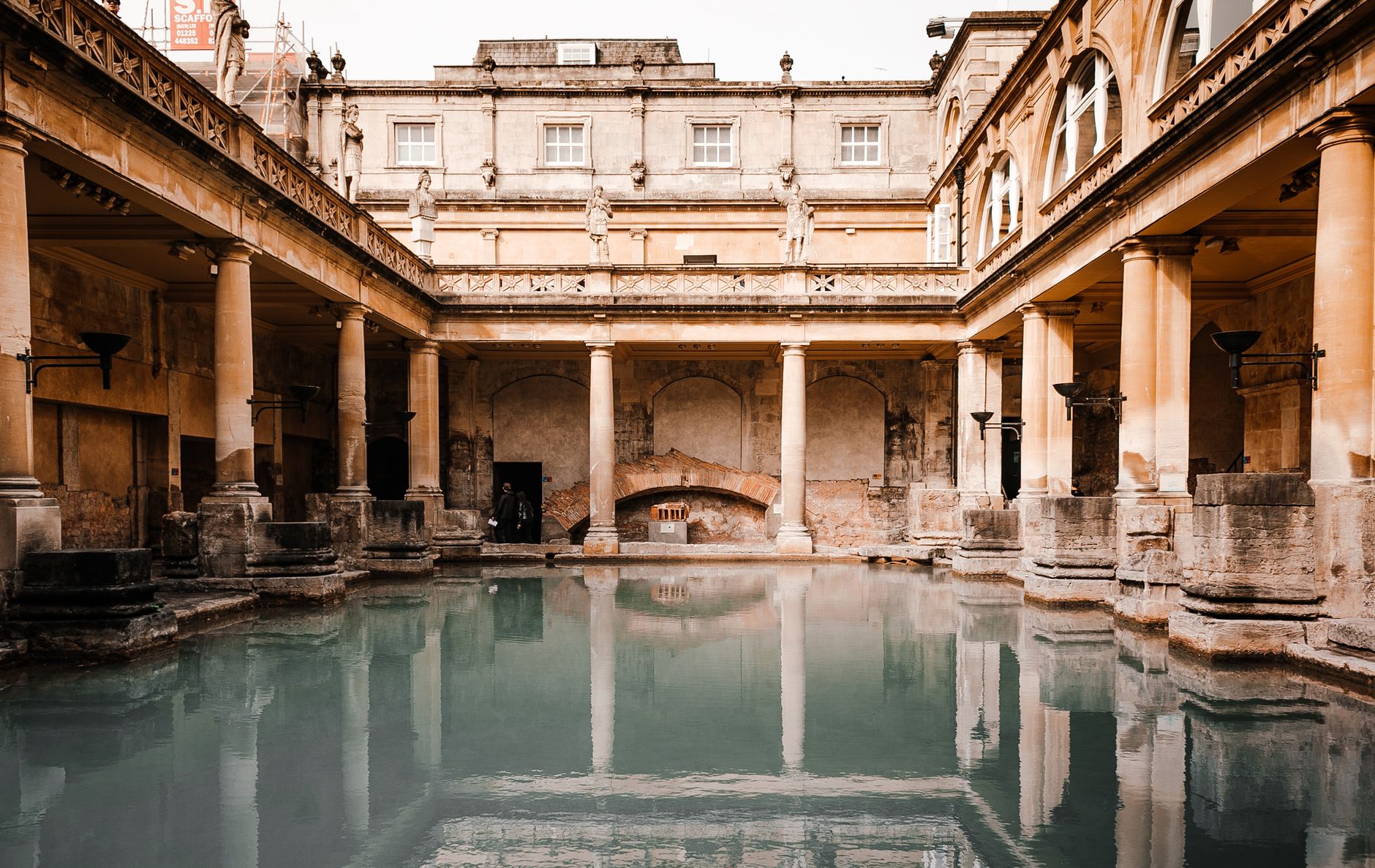
Below street level, the Romans were here first. The Sacred Spring at Aquae Sulis has been pumping mineral water at a steady 46°C for two millennia, and the bath complex built around it between the 1st and 4th centuries is among the best-preserved Roman sites in northern Europe. Both layers — Georgian order above, Roman engineering below — make Bath unlike anywhere else in Britain.
💛 What travellers fall for
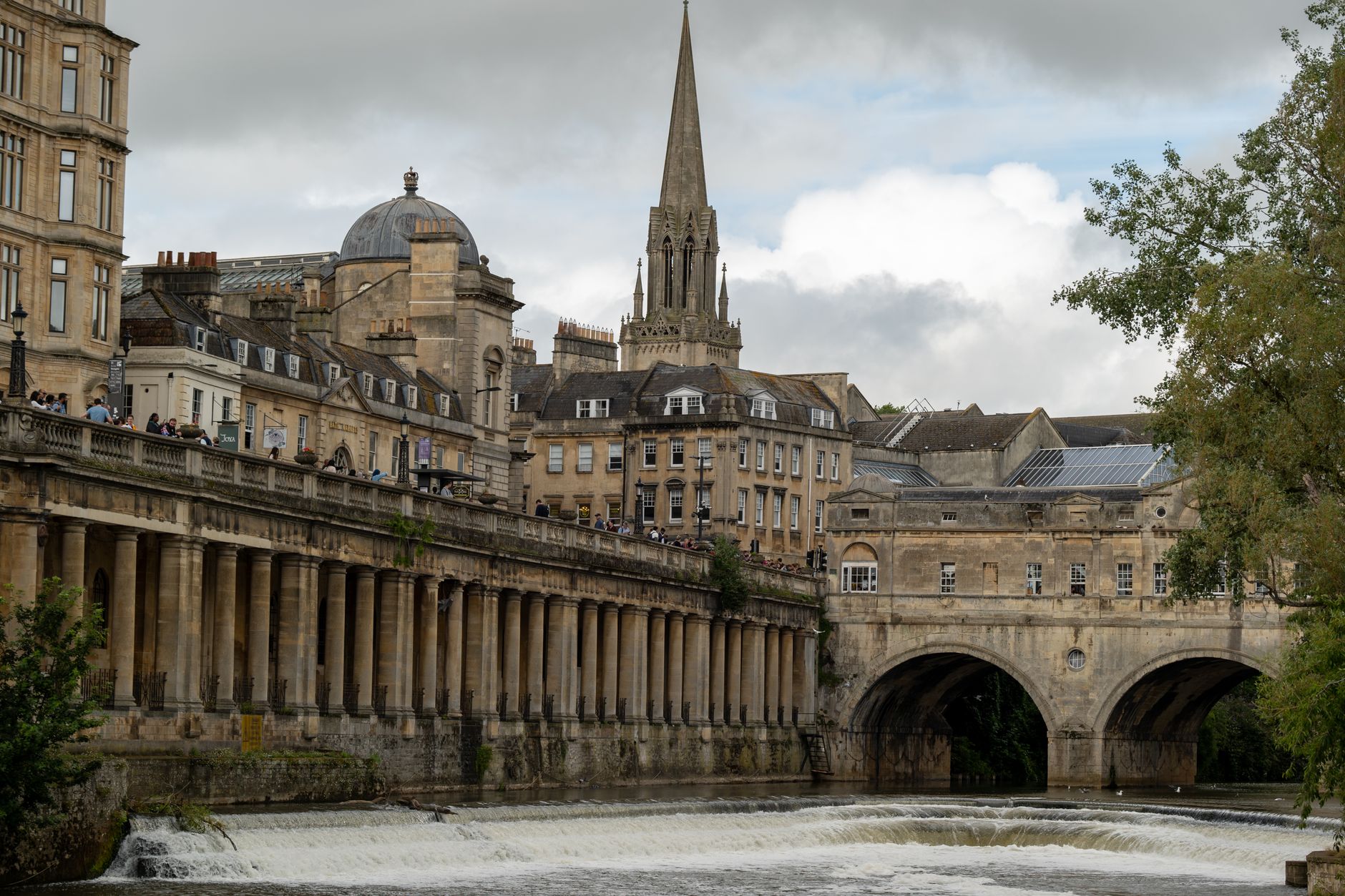
People who return tend to do the Roman Baths early, when the crowds are thinner, then walk up to Beckford's Tower on Lansdown for the view back over the city. Pulteney Bridge — one of the few bridges in the world with shops built across its full span — rewards a second look from the weir below rather than from the roadway on top.
How Bath came to be
The Romans arrived around 60 AD and built a temple to the goddess Sulis Minerva, then expanded the bathing complex over the following three centuries. When they withdrew from Britain in the early 5th century, the site silted up and was effectively lost. A monastery appeared in 675, Bath Abbey was founded in the 7th century and rebuilt in both the 12th and 16th centuries, and by the medieval period the city was prospering on the wool trade.
The Georgian transformation came in the 18th century, driven by figures like Richard 'Beau' Nash, who cultivated Bath's reputation as a fashionable resort, and Ralph Allen, who created Prior Park. The Woods, father and son, supplied the architecture. The Roman past resurfaced in 1878 when city surveyor Major Charles Davis, investigating a leak in the King's Bath, found the remains underneath. The Roman Baths reopened to the public in 1897 and received UNESCO World Heritage status in 1987.
Who and what shaped it
People who shaped it
Landmark buildings
See Bath in motion
Plan your visit
On the map
When to go
June through September is the most reliable window — temperatures sit between 19°C and 22°C and the stone catches the light well on clear days, though summer mornings can start cool and overcast. Winter is cold and wet, and the hills that ring the city tend to hold cloud longer than the surrounding countryside.
Right now
Background & history adapted from Wikipedia (CC BY-SA) · specs from Wikidata (CC0) · weather from Open-Meteo · map data © OpenStreetMap contributors · photos from Wikimedia Commons / Unsplash with per-image credit. No third-party reviews or social posts reproduced.