
City

Banteay Kdei

Banteay Kdei
Photo by Angkor wat tuktuk driver By kakada on Pexels
Banteay Kdei
Photo by Angkor wat tuktuk driver By kakada on Pexels
Banteay Kdei
Photo by Peter Keeble on Pexels
Banteay Kdei
Photo by Alan Wang on Pexels
Banteay Kdei
Photo by Karolina on Pexels
Banteay Kdei
Photo by Angkor wat tuktuk driver By kakada on Pexels

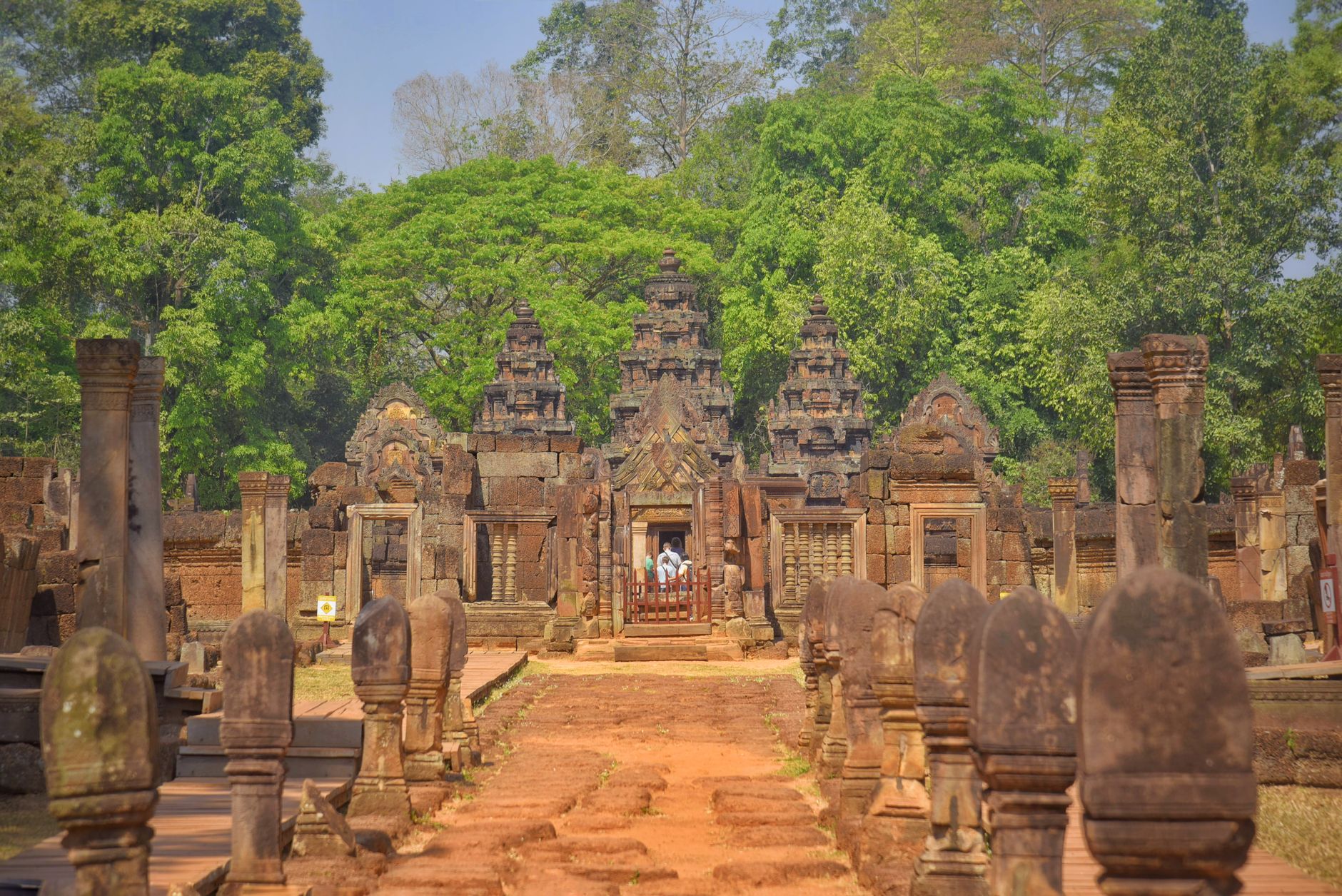
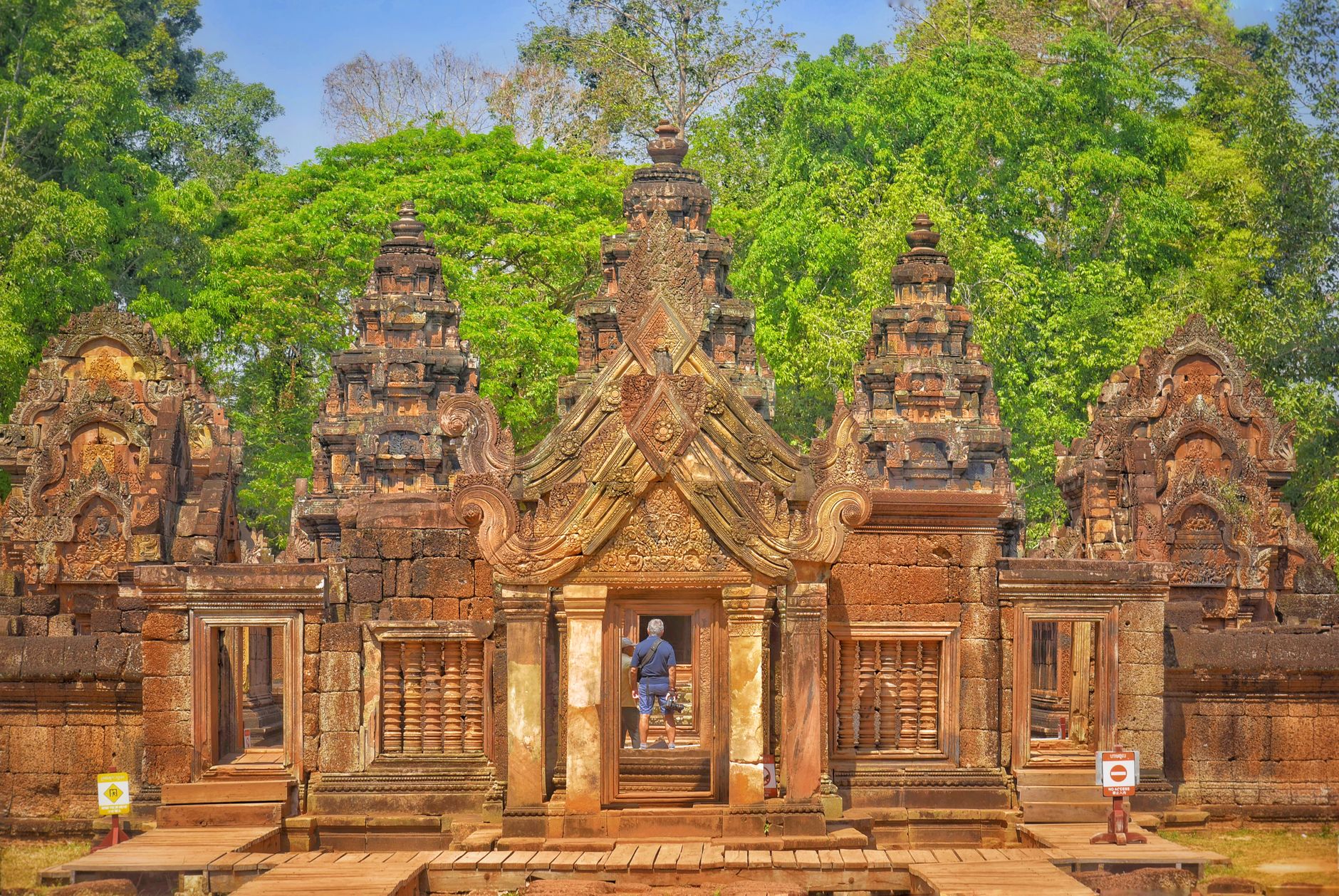
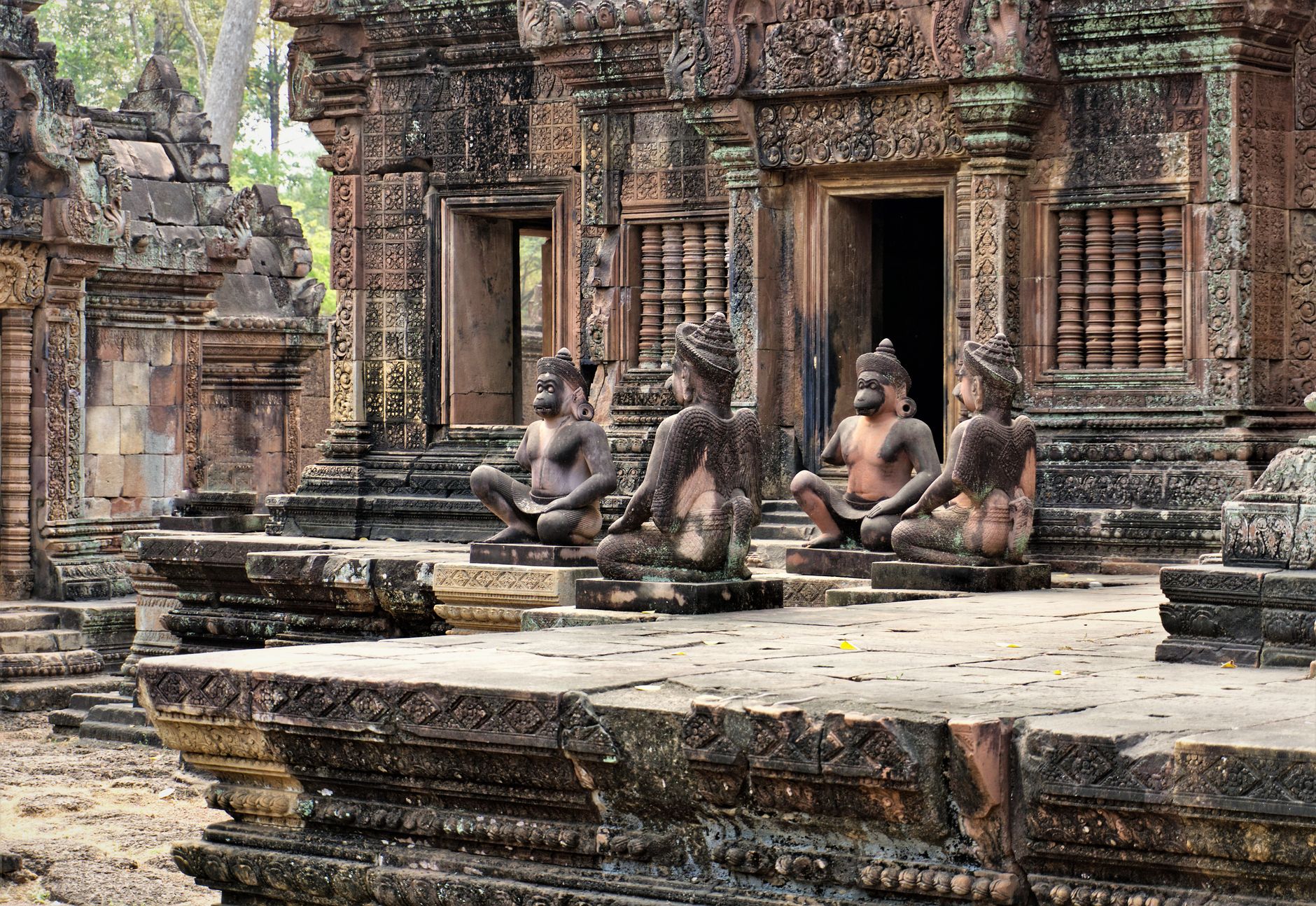
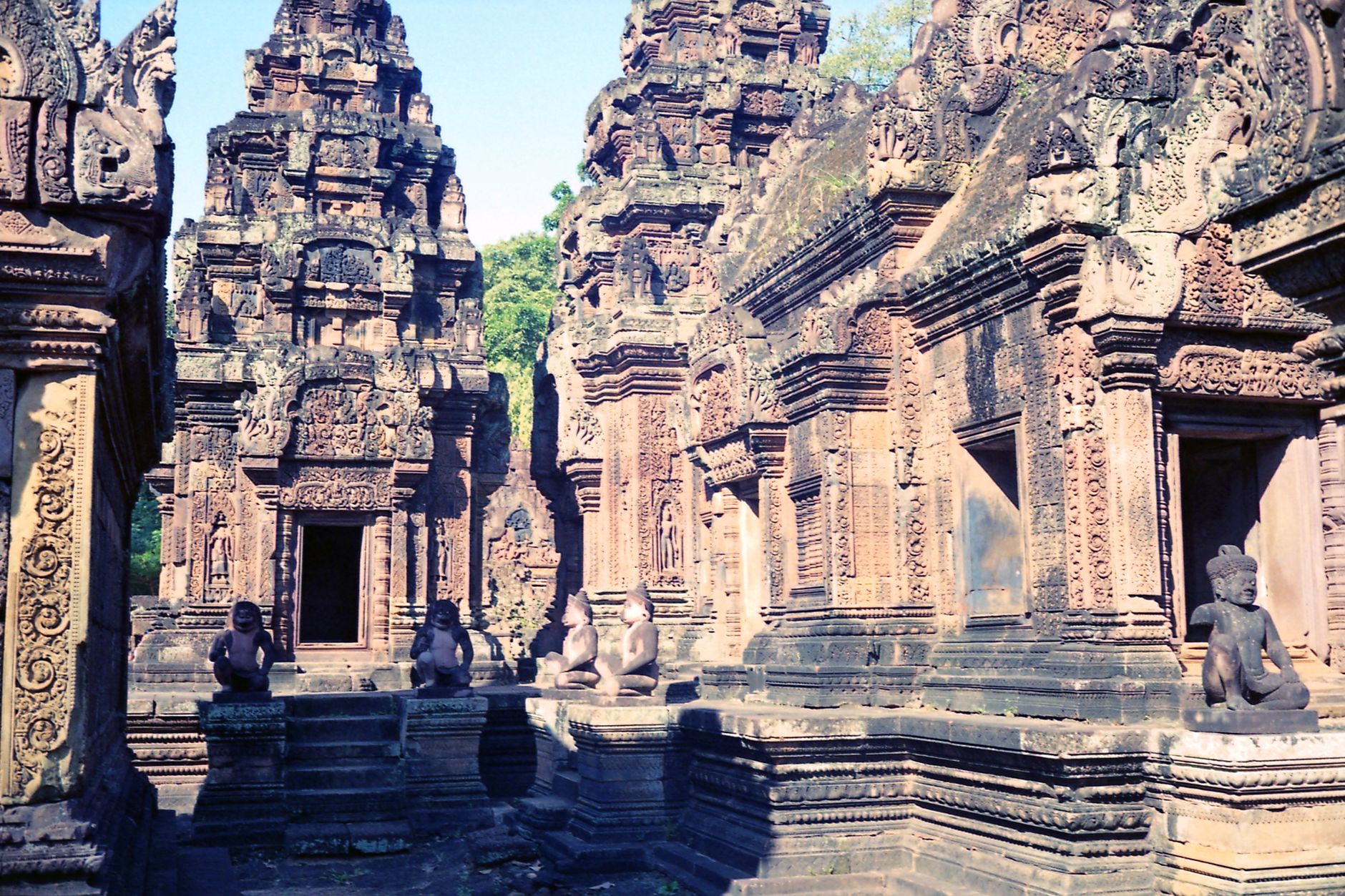
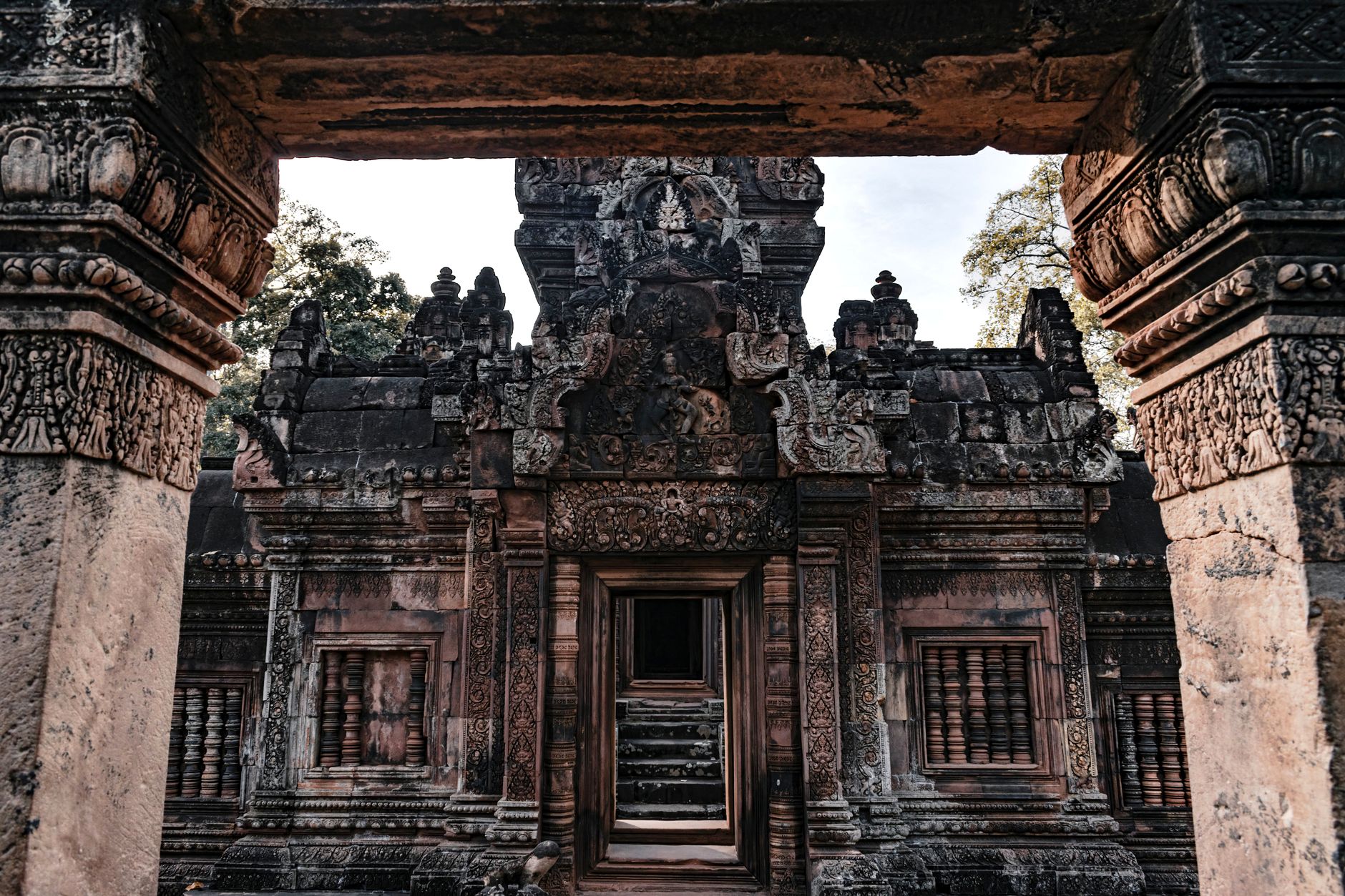
Walk east from Ta Prohm along a 600-metre path through the trees and you arrive at Banteay Kdei's western gate — quieter than almost anything else in the Angkor Archaeological Park, and noticeably more fragile. Gray sandstone walls lean at angles that ropes and cables now hold in check, and the whole complex sits on a single level, compact and human in scale compared to its neighbours.

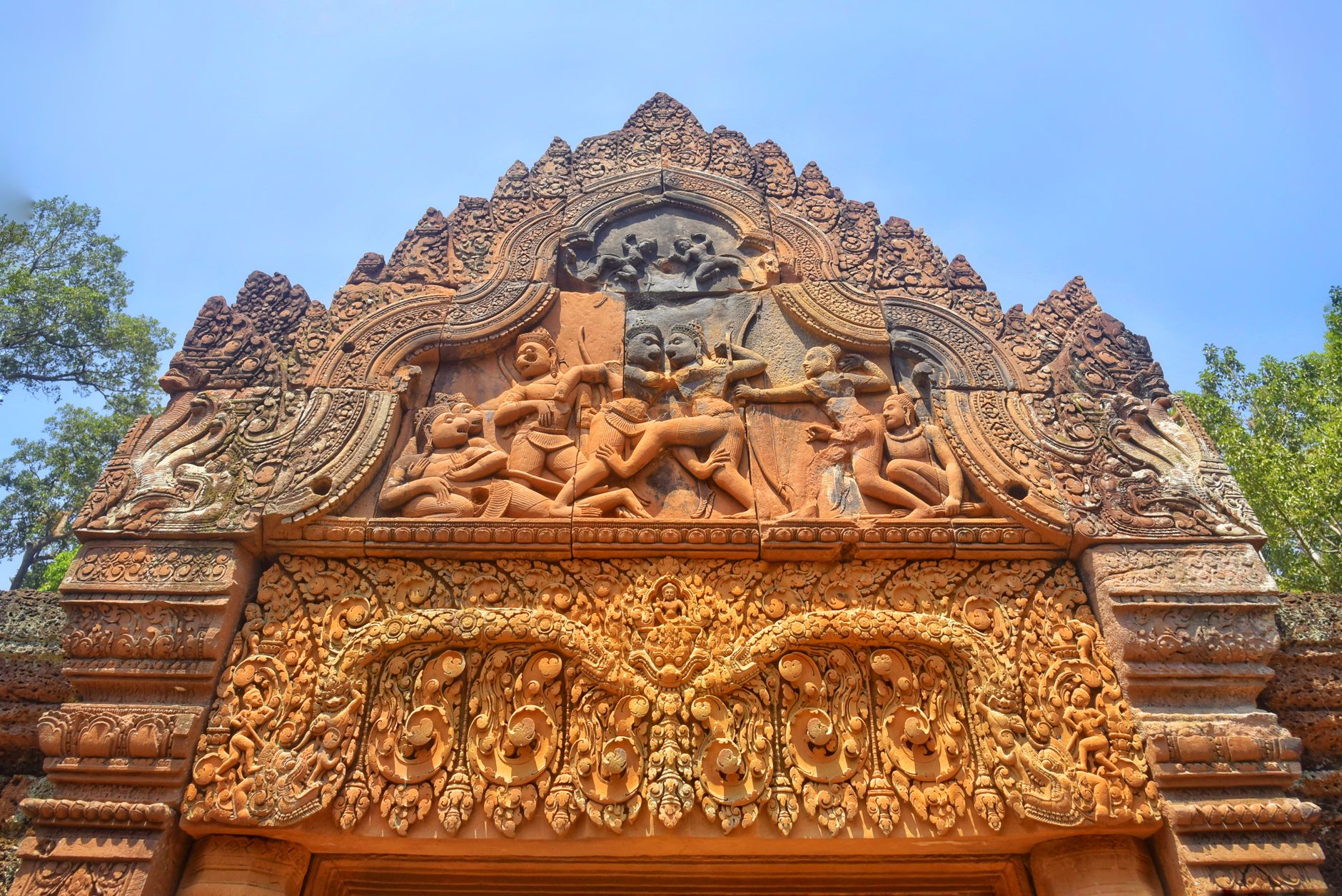
The Hall of Dancers is the thing to find first: columns carved with apsaras, celestial dancers caught mid-gesture, their stone worn soft by centuries of tropical air. The central temple fits inside 65 by 50 metres, yet the outer compound wall stretches 700 by 300 metres — so there is real space to wander, and real silence to find.

💛 What travellers fall for

People who come back tend to arrive just after 07:30, before the tour groups route in from Ta Prohm. The eastern gopura, with its Lokesvara faces, holds better light then. A five-minute walk south puts you at Srah Srang for the return, which makes the whole loop feel complete rather than retraced.

Good to know
Covered by the standard Angkor Pass — no extras needed. Open daily 07:30–17:30. Allow 45 minutes at a relaxed pace, or a full hour if you photograph. Early morning or late afternoon gives softer light and cooler air; midday is flat and hot.

Deals in Banteay Kdei

Book directly at the provider
The story

How Banteay Kdei came to be

Jayavarman VII began building Banteay Kdei around 1181 AD, making it among the first projects of his long reign — on ground that already held a 10th-century temple commissioned by Rajendravarman. The royal architect Kavindrarimathana oversaw its construction as a Buddhist monastic complex, and the Bayon-style galleries that resulted would serve monks on and off until the 1960s.

The site sat heavily overgrown until 1920–1922, when Henri Marchal, then Conservator of Angkor, directed the clearing work that brought it back into view. In 2001, a decade of archaeological research by the Sophia University Mission of Japan produced a striking find: 274 sandstone Buddhist statue fragments, along with several metal pieces, buried in the compound — a cache whose story is still not fully settled.

People & landmarks

Who and what shaped it

People who shaped it

Jayavarman VII
Khmer king who commissioned Banteay Kdei around 1181 AD as one of his first temple projects; built as a Buddhist monastic complex.
Kavindrarimathana
Royal architect credited with overseeing the construction of Banteay Kdei under Jayavarman VII.
Henri Marchal
Conservator of Angkor who directed the clearing and conservation of Banteay Kdei from 1920–1922, exposing it from dense overgrowth.

Landmark buildings

Central Temple Complex
Sacred Buddhist temple cloistered within 65 m × 50 m space with three enclosures; built in Bayon style on a single level with two concentric galleries.
Hall of Dancers
East of the central temple; features columns decorated with apsara sculptures representing celestial dancers, worn soft by centuries of weathering.
Eastern Gopura
Cruciform entry gate from the east, embellished with Lokesvara images; restored and the main entrance opposite Srah Srang reservoir.
Watch

See Banteay Kdei in motion

Practical

Plan your visit

On the map

When to go

Siem Reap runs a dry season from December through April and a wet season the rest of the year. In the dry months, early mornings are genuinely cool and the stone takes on a warm tone in low light; in the wet season, the complex feels greener and more atmospheric, though midday heat and humidity can be heavy — the covered galleries offer some relief.

Right now

26°C
Partly cloudy
Sat
🌧️
35°
26°
Sun
🌧️
36°
26°
Mon
36°
26°
Tue
🌧️
35°
26°
Weather data: Open-Meteo

Background & history adapted from Wikipedia (CC BY-SA) · specs from Wikidata (CC0) · weather from Open-Meteo · map data © OpenStreetMap contributors · photos from Wikimedia Commons / Unsplash with per-image credit. No third-party reviews or social posts reproduced.

Top