
Bang Rak
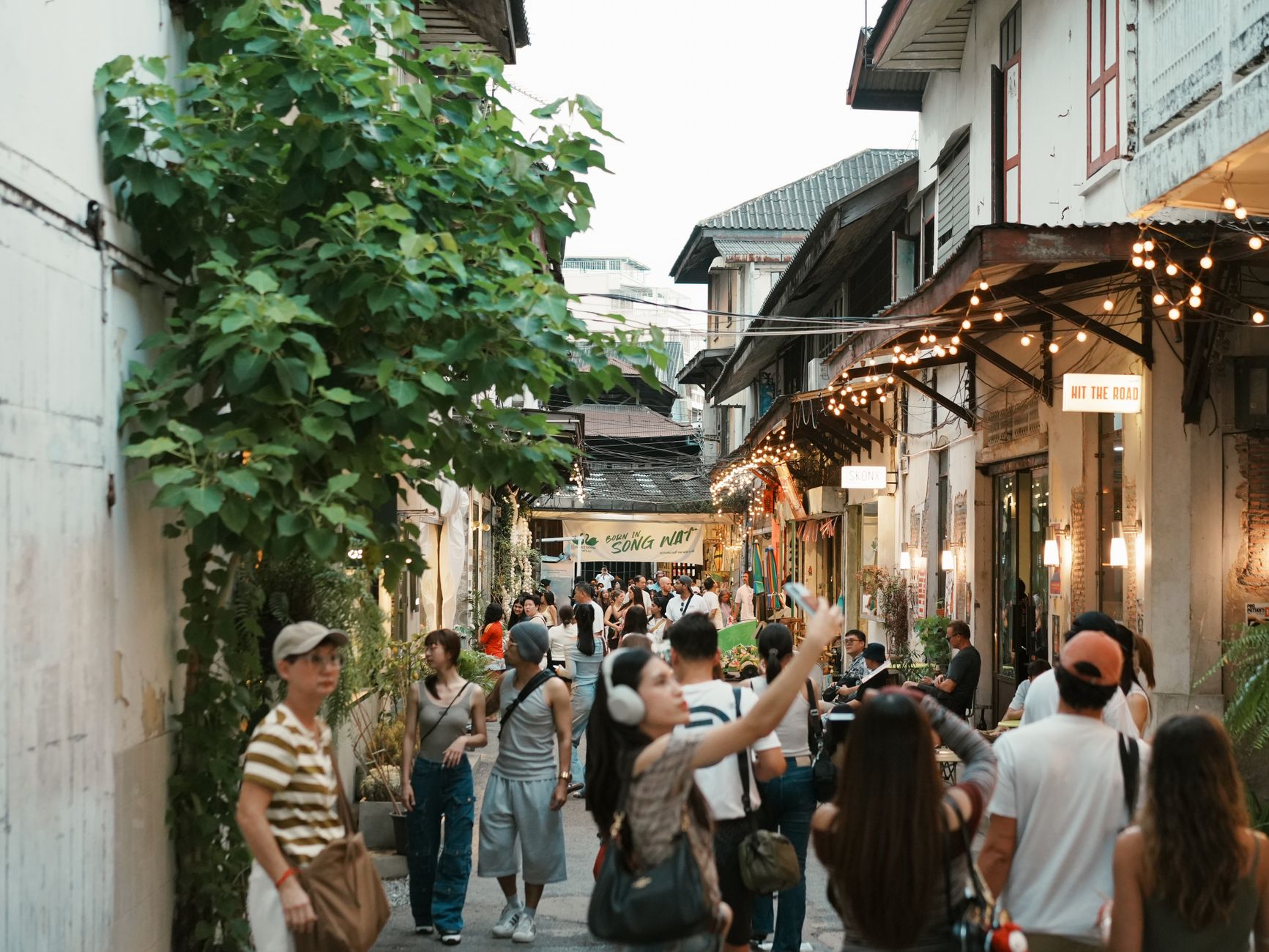
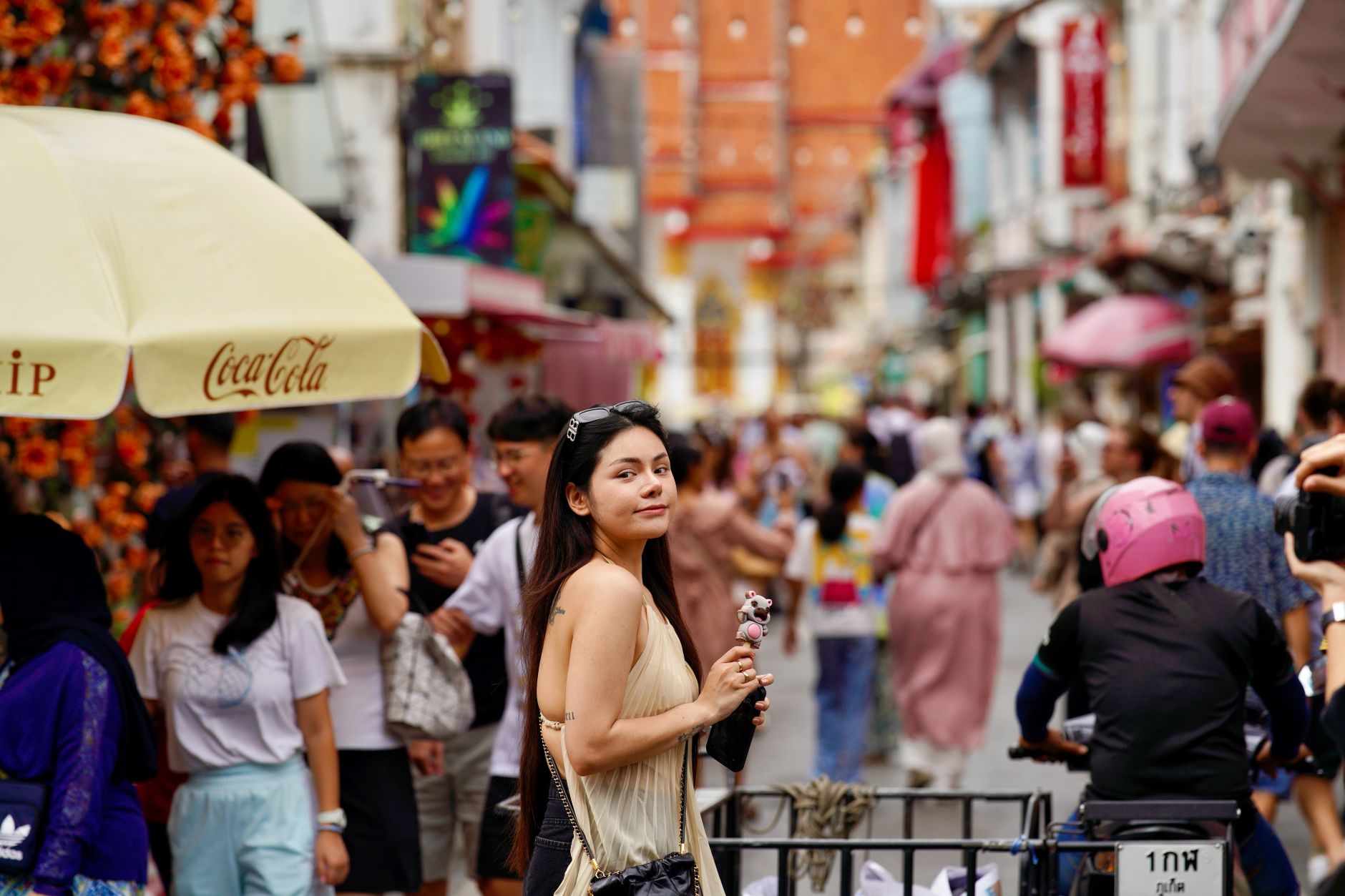
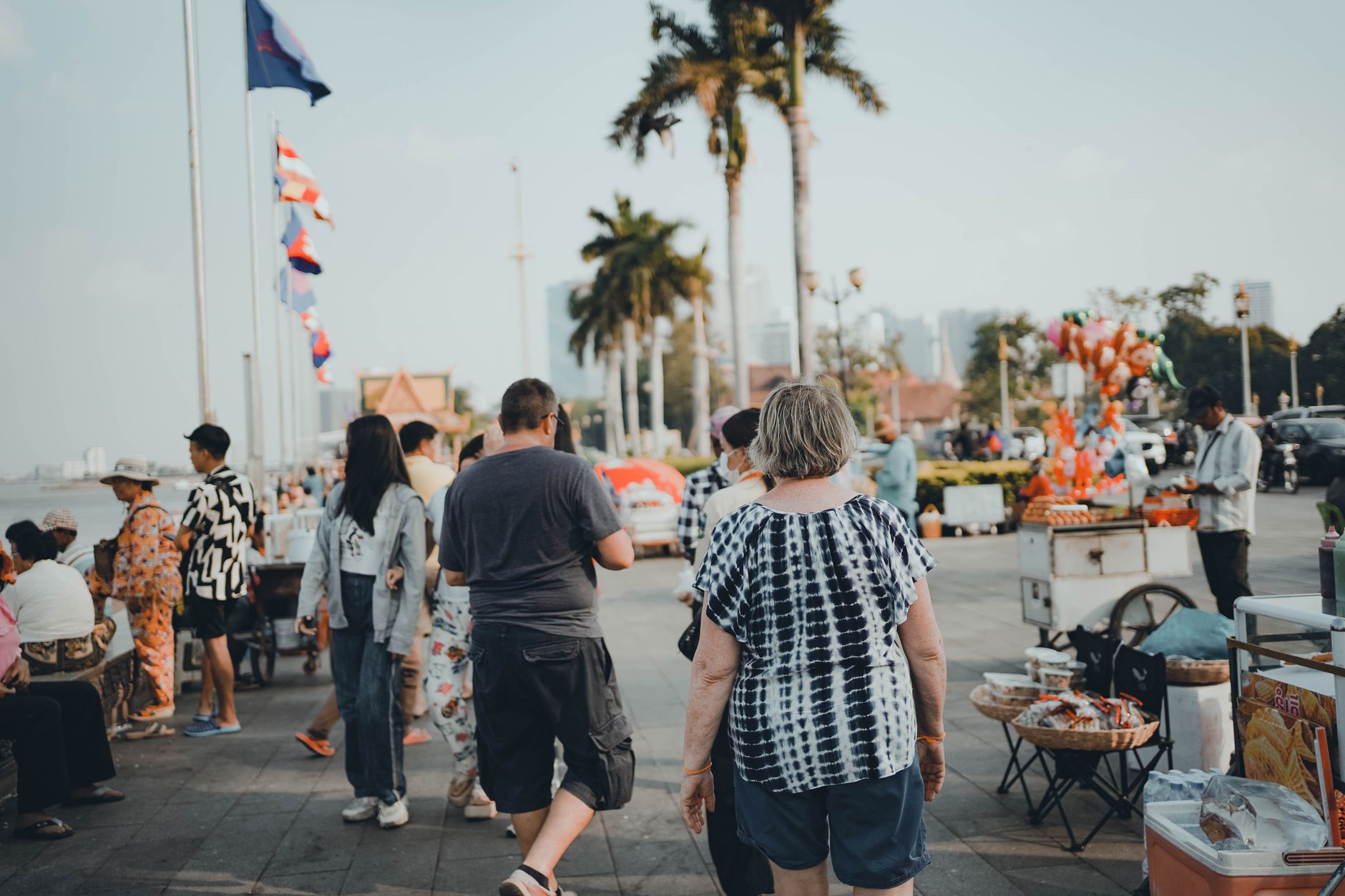
Bang Rak is where Bangkok's oldest international ambitions left their mark on the riverbank. Walk Charoen Krung Road — the city's first paved street, laid in 1862 — and within a few blocks you pass a Catholic cathedral finished by Italian architects, a Tamil Hindu temple, a mosque established in 1828, and the bones of a Portuguese consulate that predates them all. The district covers barely five and a half square kilometres, yet it held more of the outside world than anywhere else in nineteenth-century Siam.
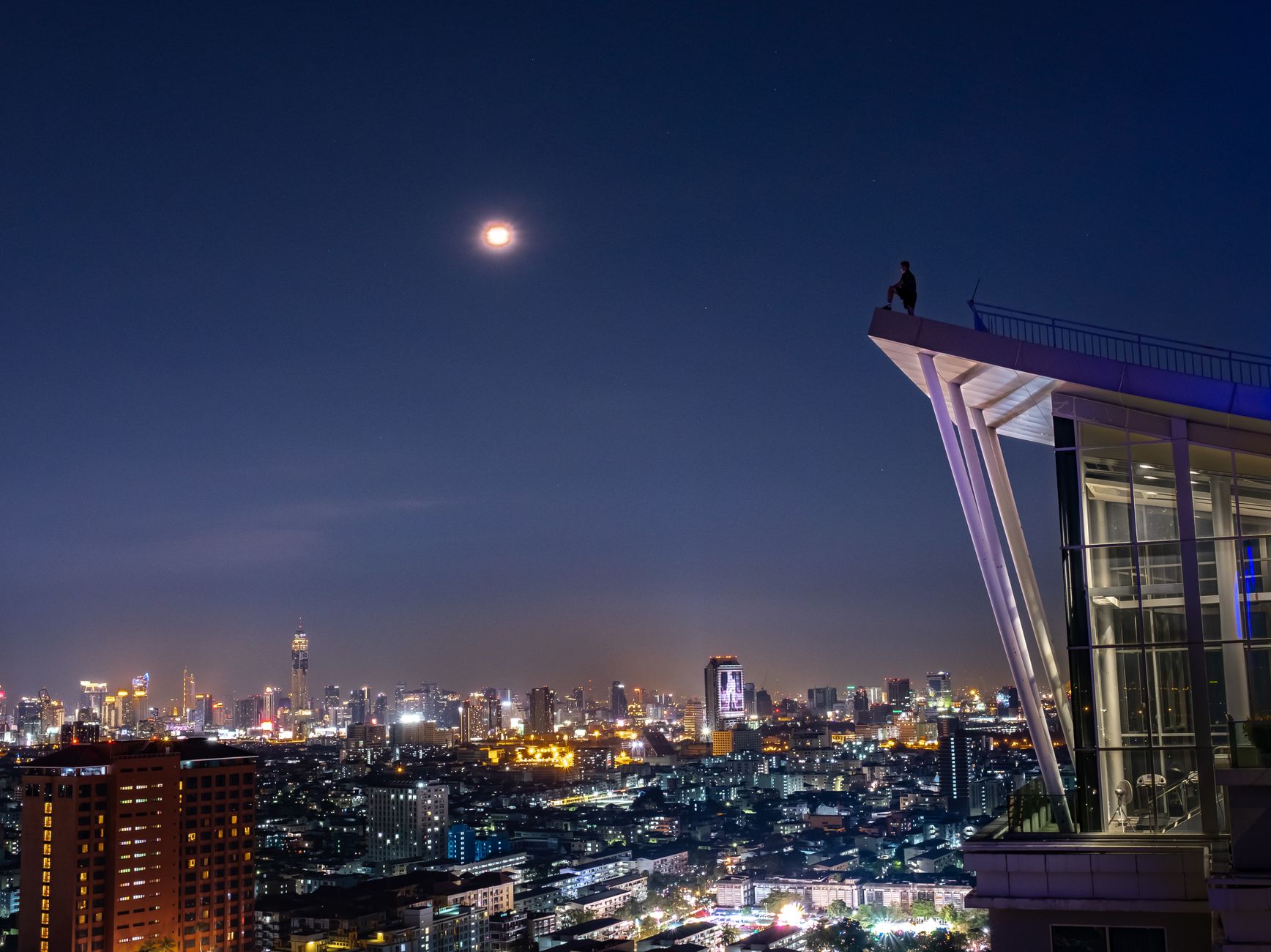
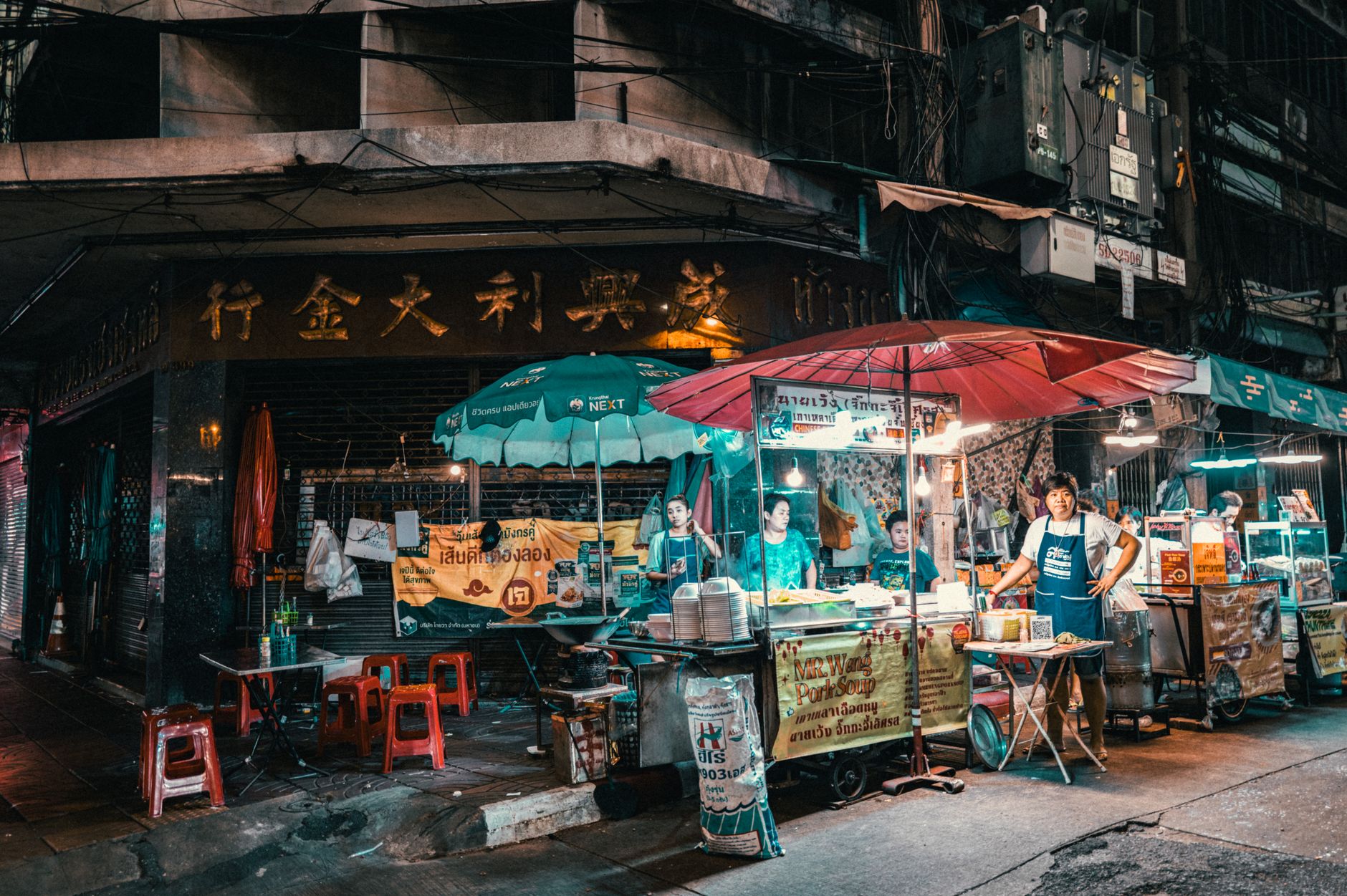
Today the same streets carry a different kind of newcomer. The old General Post Office now houses the Thailand Creative & Design Center, and the stretch along the river has been quietly rebranding itself as the Charoenkrung Creative District since the 2010s. The layering is the point — colonial-era warehouses beside contemporary galleries, river taxis threading past glass towers.
💛 What travellers fall for
People who come back tend to time it around the river. The Chao Phraya Express runs until 7pm, and catching the late-afternoon boat to the Assumption Cathedral pier, then walking north toward the Bangkokian Museum before the heat drops, gets you the golden-hour light on the Customs House facade without the midday glare.
Experiences you don't want to miss


Deals in Bang Rak
Book directly at the provider
How Bang Rak came to be
The land that became Bang Rak was already a trading post when Bangkok was refounded as the Rattanakosin capital in 1782. Portugal secured a land grant here in 1820 — the first foreign nation to do so — and French Catholic missionaries established what would become Assumption Cathedral two years later. By the 1830s American Protestant missionaries had followed. The district grew dense with foreign consulates, trading houses, and the communities that served them.
Infrastructure shaped its second chapter. Charoen Krung Road opened in 1862 under Rama IV; the Banque de l'Indochine went up in 1908; the Customs House and the original Assumption College building arrived in grand Palladian form in 1890. The Dusit Thani Hotel, which opened in 1970 as the city's first high-rise, pointed toward the glass-and-steel corridor that Silom Road would become.
Who and what shaped it
People who shaped it
Landmark buildings
See Bang Rak in motion
Plan your visit
On the map
When to go
December through mid-February is the most comfortable window — afternoons sit around 31–33°C but evenings genuinely cool off. From March onward the heat builds steadily, and the monsoon arrives around mid-May, bringing daily downpours that can make riverside walking unpredictable through October.
Right now
Background & history adapted from Wikipedia (CC BY-SA) · specs from Wikidata (CC0) · weather from Open-Meteo · map data © OpenStreetMap contributors · photos from Wikimedia Commons / Unsplash with per-image credit. No third-party reviews or social posts reproduced.