
Bali
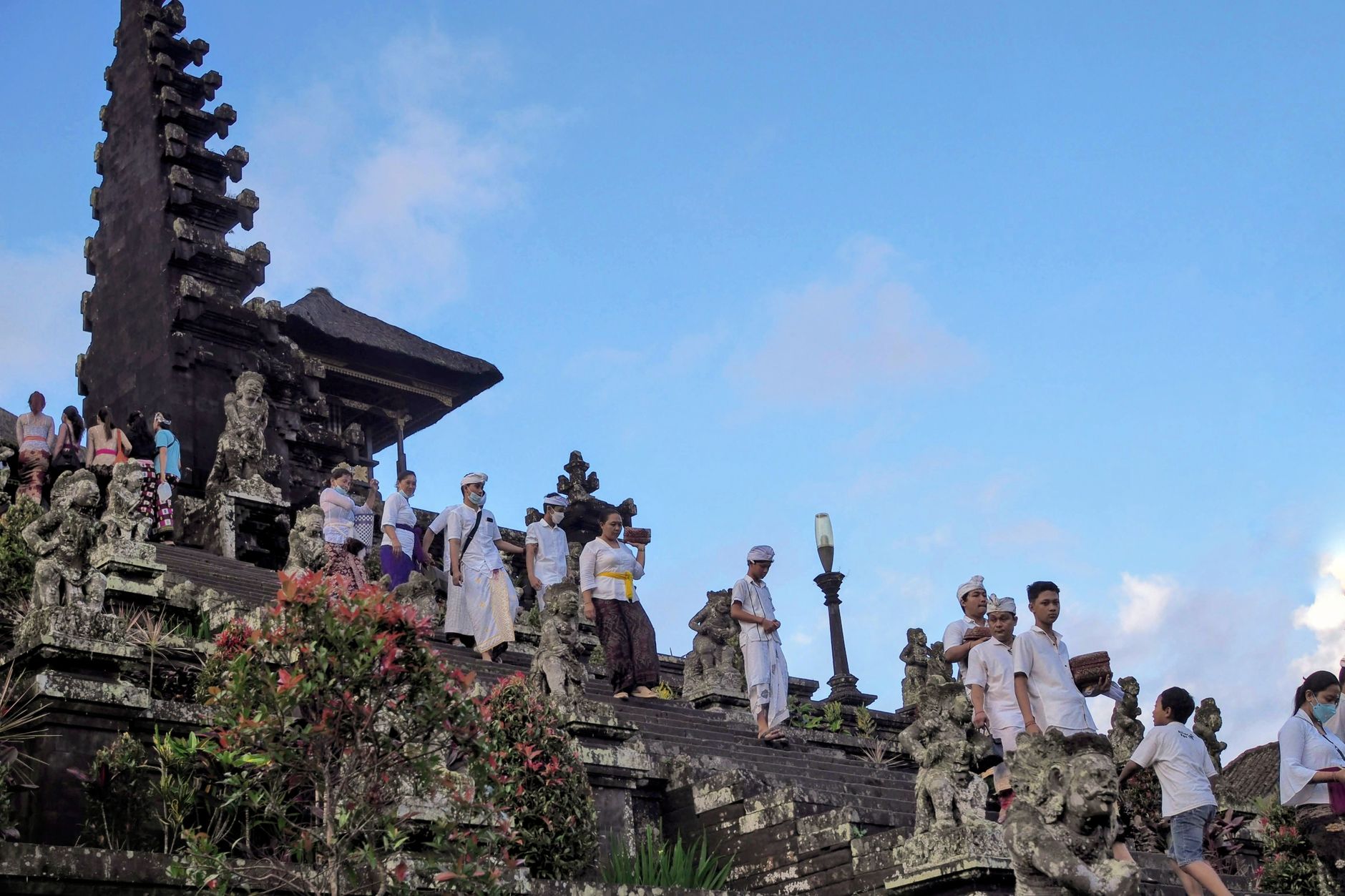
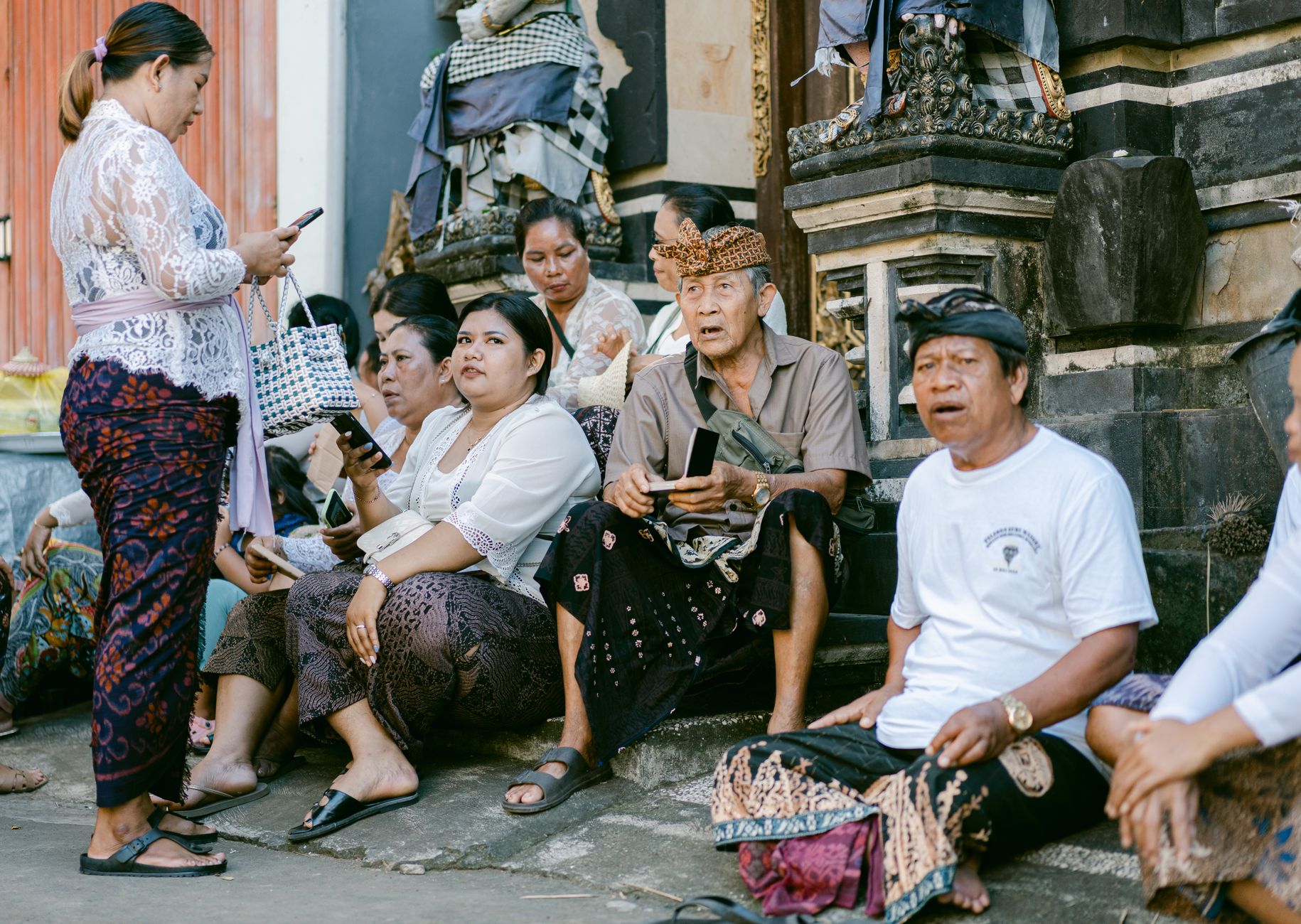
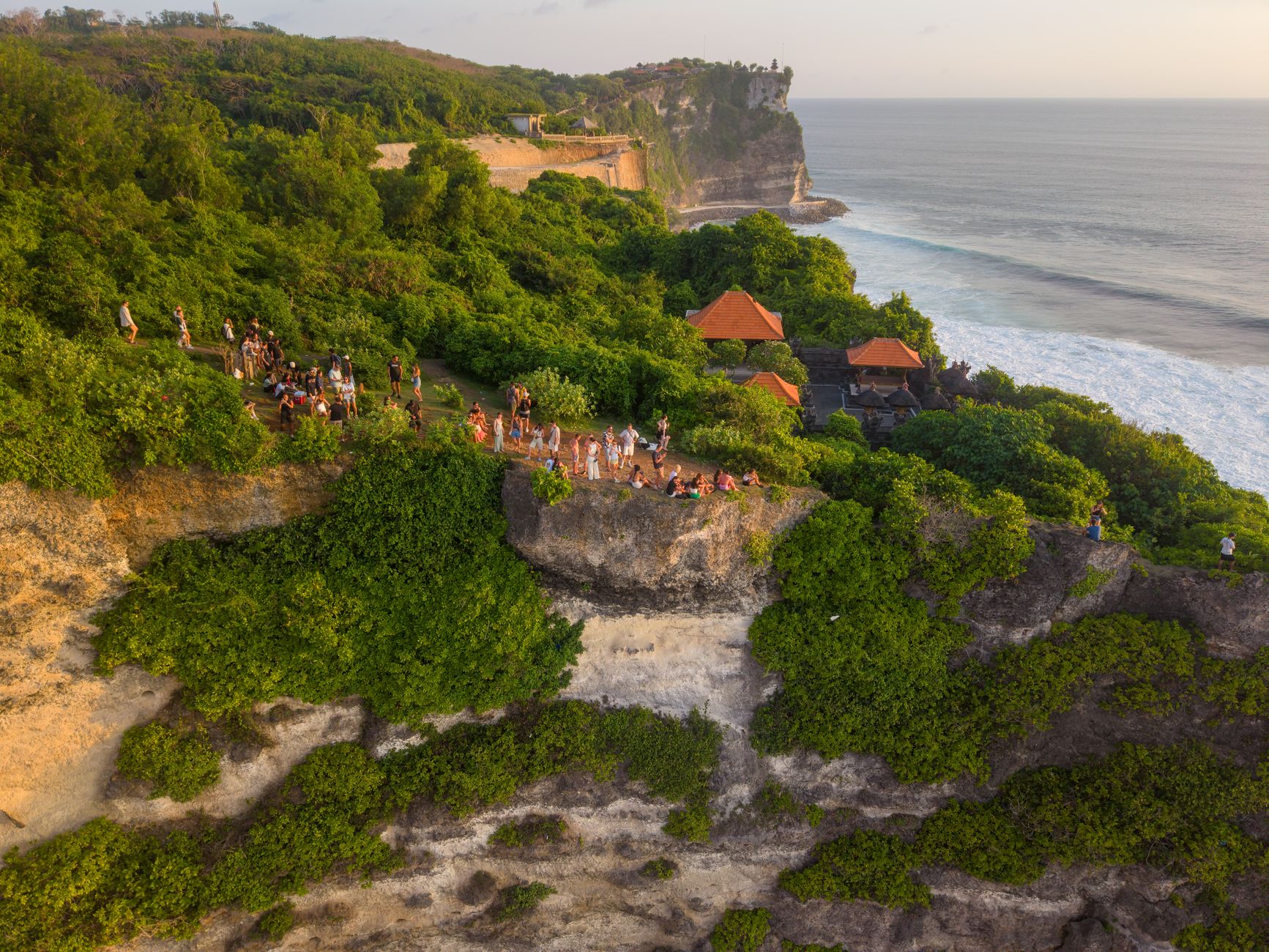
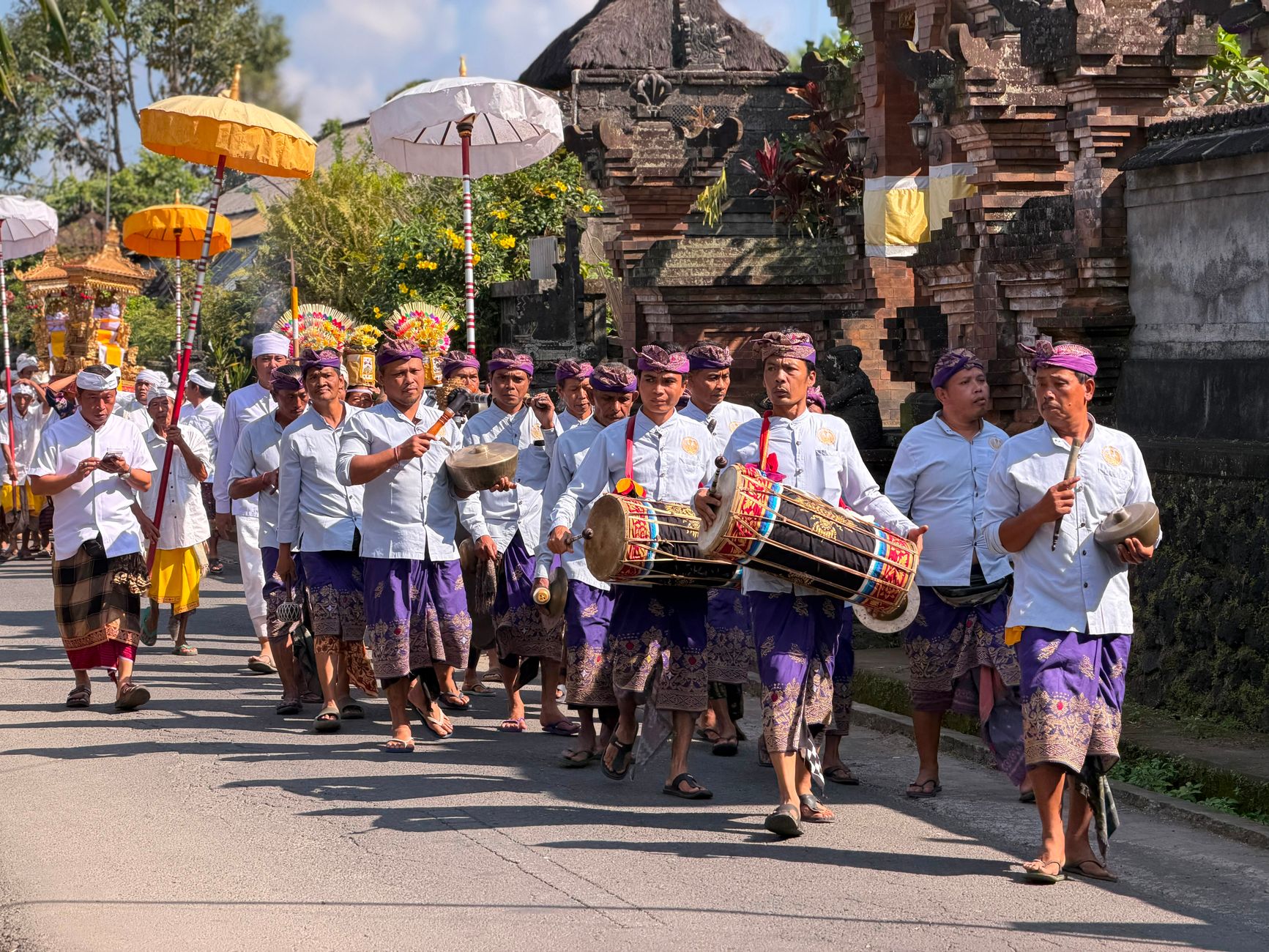
Bali runs on ritual. On any given morning, you'll step around small palm-leaf offerings on the pavement, smell frangipani and incense before you see the temple, and hear a gamelan rehearsal drifting from somewhere you can't quite locate. The island is a Hindu enclave inside the world's largest Muslim-majority country, and that singularity shapes everything — the architecture, the calendar, the way a rice terrace is farmed according to a philosophy called Tri Hita Karana, which ties human wellbeing to nature and the divine.
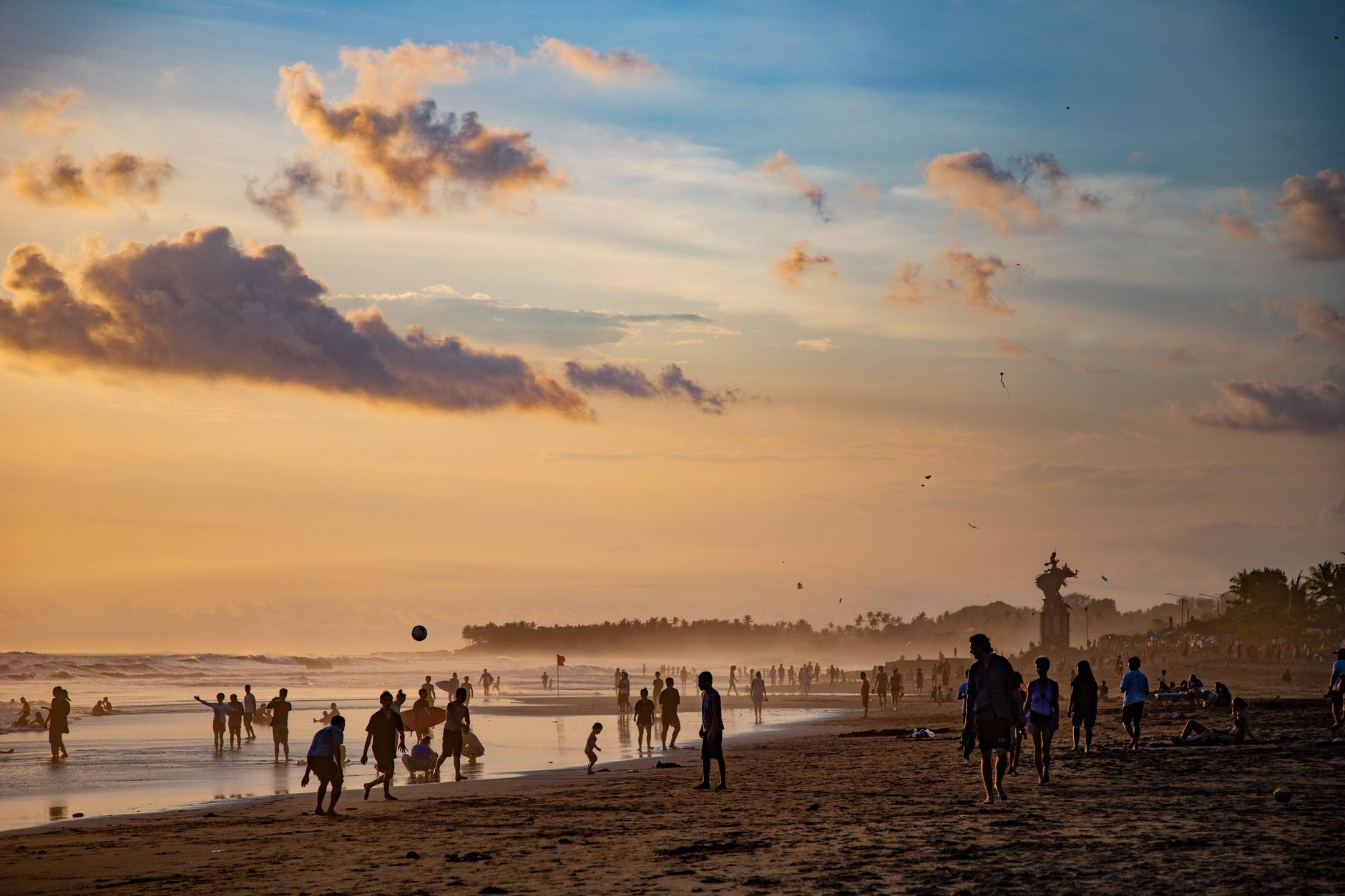
Bali is not one place but many stacked together: the cool volcanic interior around Ubud, the surf-worn southern peninsula, the royal water palaces of Karangasem in the east, the sea temples strung along the western coast. Each rewards a different pace.
💛 What travellers fall for
People who return tend to anchor themselves somewhere specific rather than covering ground. Repeat visitors often settle in the Ubud area for the cooler air and proximity to Gunung Kawi and Tirta Empul. They also learn quickly that the famous terraces at Tegalalang are best before 8am, and that Jatiluwih, being further out, stays quieter through most of the day.
How Bali came to be
People have lived on Bali for a very long time — paleolithic tools found near Sembiran and Trunyan suggest human presence stretching back hundreds of thousands of years. The island's oldest written record is the Belanjong pillar in Sanur, dated 914 CE, which names King Sri Kesari Warmadewa. By the 14th century, the Javanese Majapahit Empire had absorbed Bali entirely: in 1343, the prime minister Gajah Mada defeated the Balinese king at Bedulu, and the administrative centre shifted to Gelgel, which remained the paramount kingdom for roughly three more centuries.
Europeans arrived almost by accident — a Portuguese ship wrecked off the Bukit Peninsula in 1585, and Dutch explorer Cornelis de Houtman followed in 1597. The Dutch East India Company formalised its presence from 1602, but full colonial control came only in 1908. Bali became an Indonesian province in 1958, and the 1963 eruption of Mount Agung — which destroyed Tirta Gangga Water Palace and killed a significant number of people — remains the most dramatic rupture in living memory.
Who and what shaped it
People who shaped it
Landmark buildings
See Bali in motion
Plan your visit
On the map
When to go
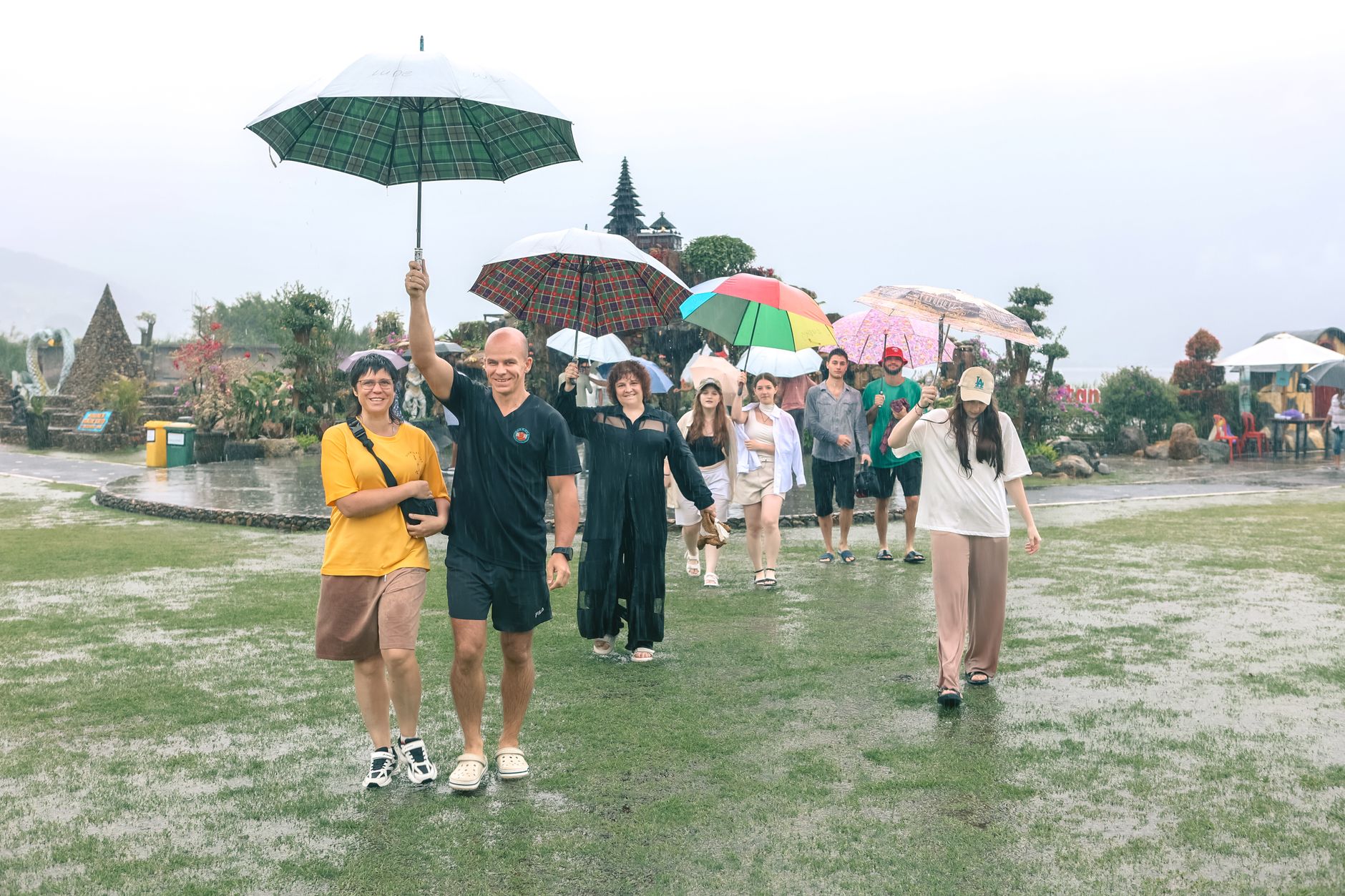
Bali has two seasons: a dry season roughly from April to October, when days are sunny and humidity drops enough to make inland travel comfortable, and a wet season from November to March, with afternoon downpours that pass quickly but can make unpaved roads difficult. July and August are peak travel months; May, June, and September offer similar weather with noticeably fewer visitors.
Right now
Background & history adapted from Wikipedia (CC BY-SA) · specs from Wikidata (CC0) · weather from Open-Meteo · map data © OpenStreetMap contributors · photos from Wikimedia Commons / Unsplash with per-image credit. No third-party reviews or social posts reproduced.