
Baa Atoll
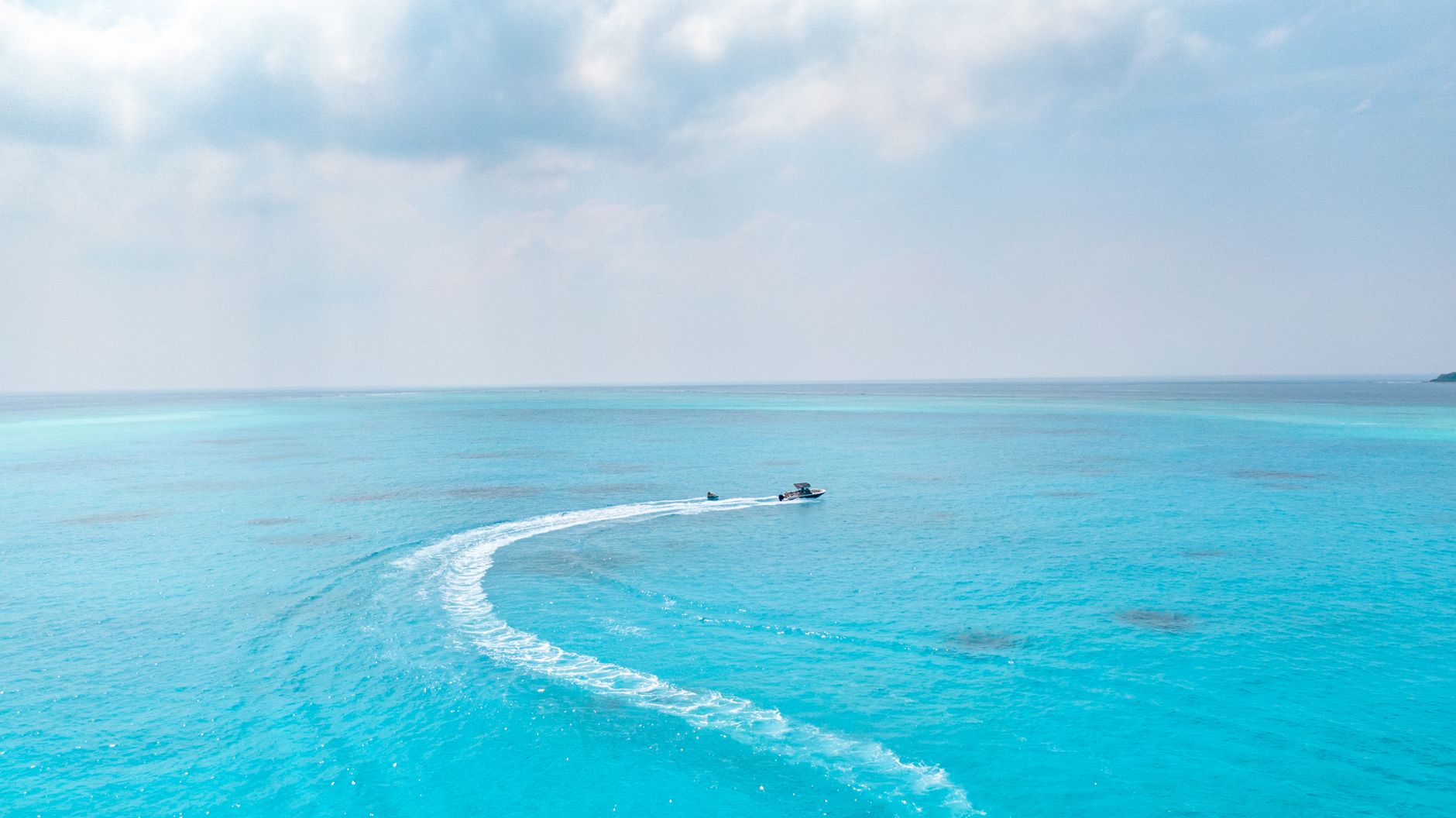
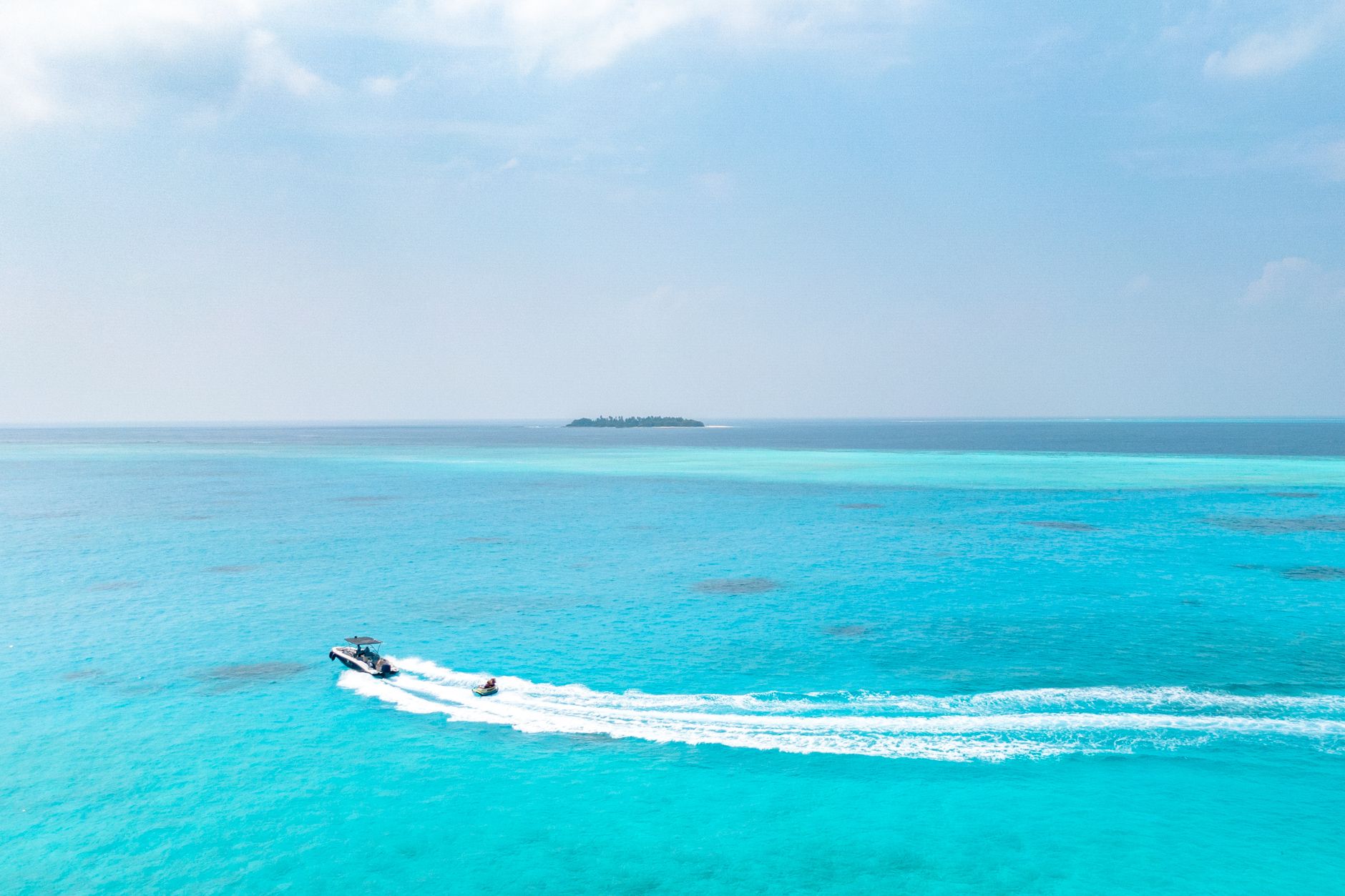
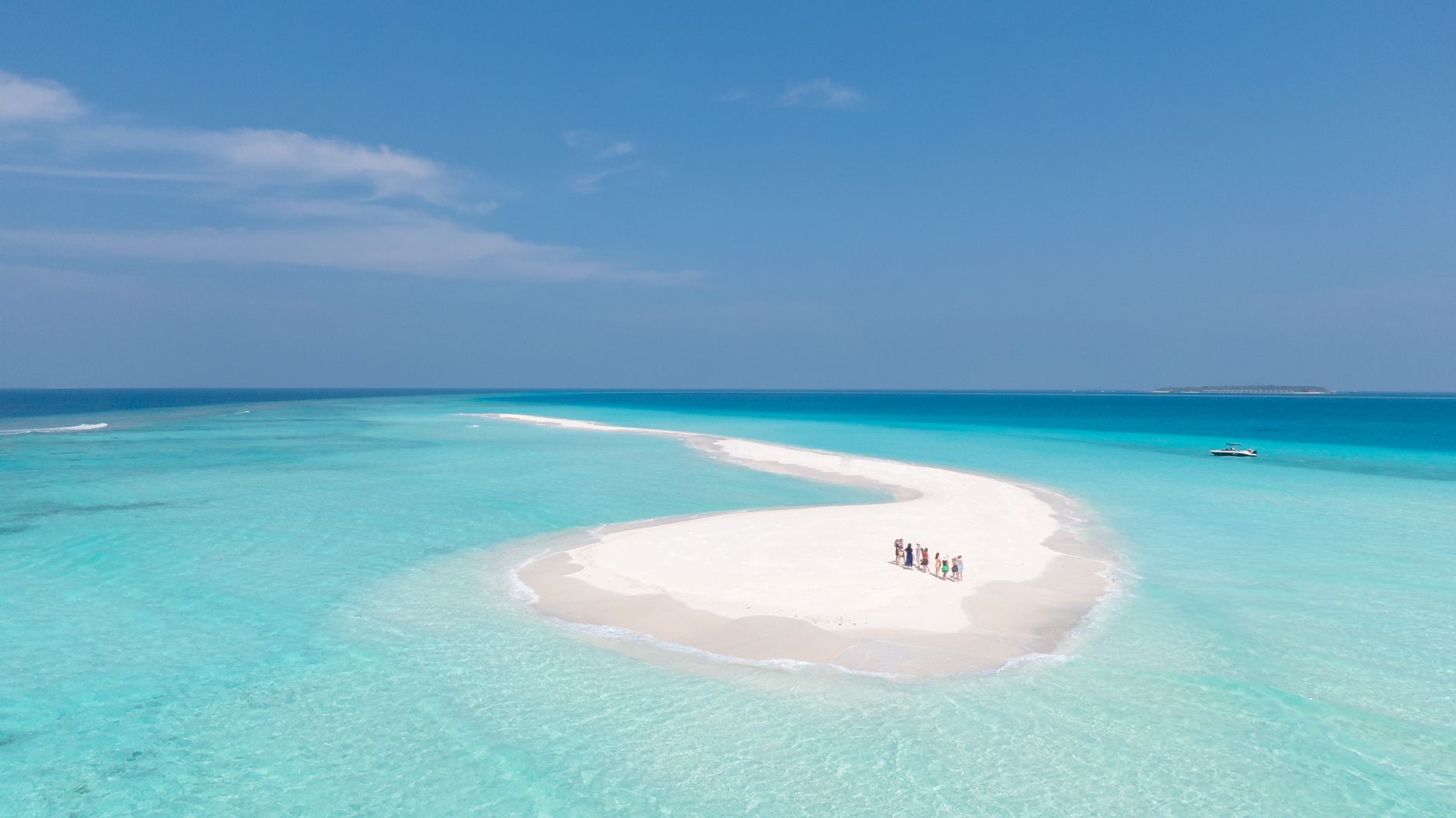
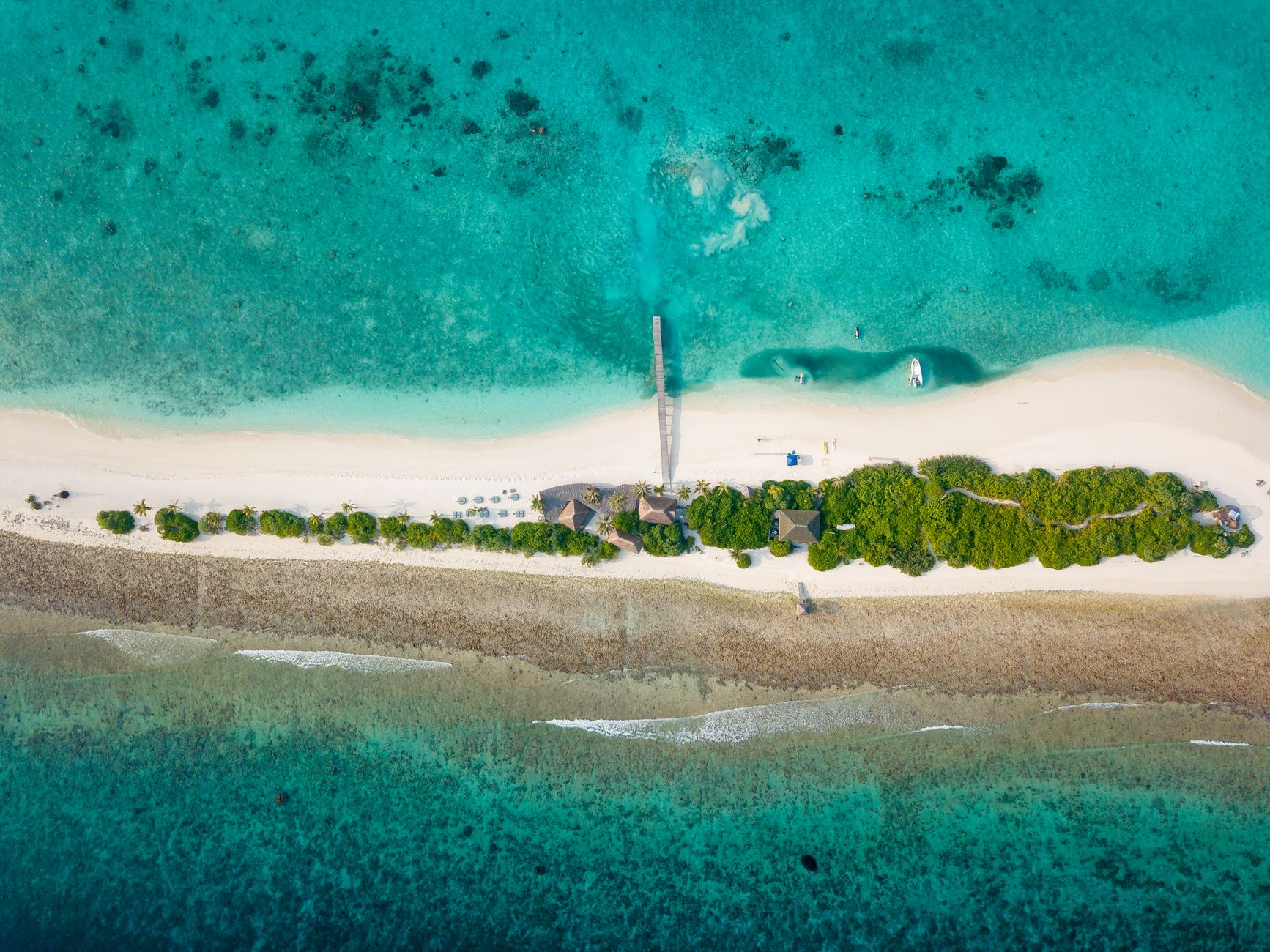
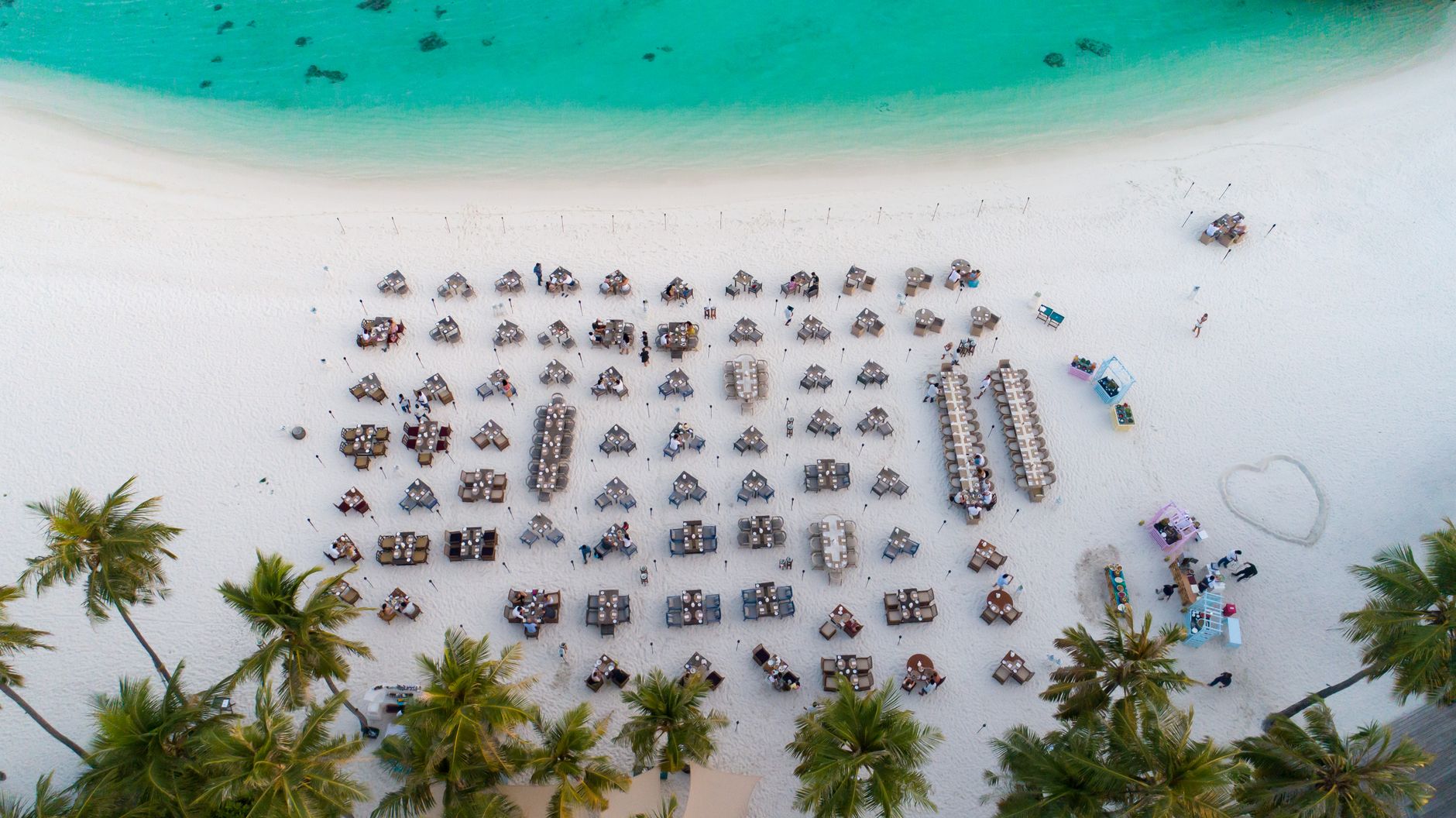
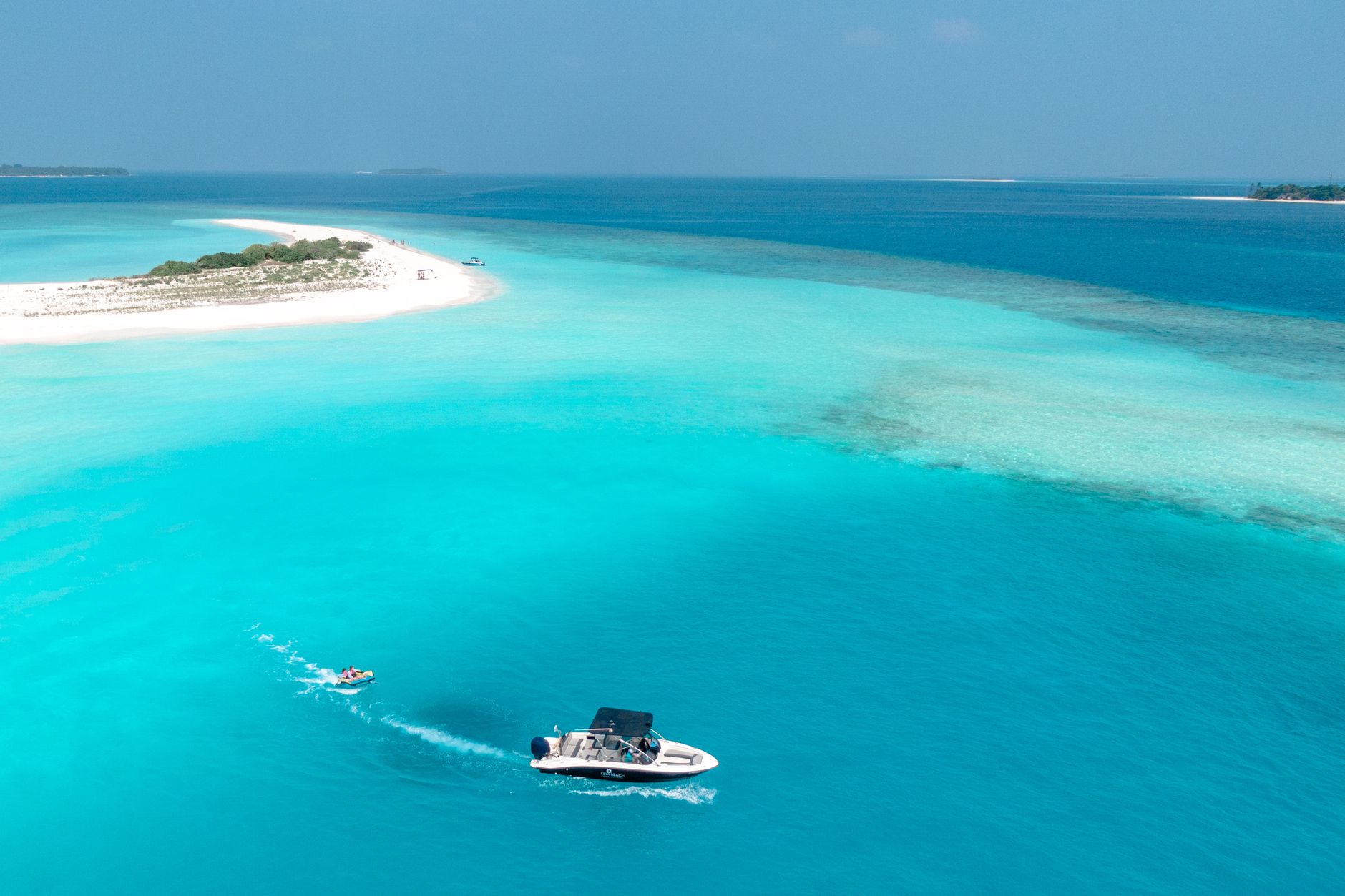
Baa Atoll sits roughly 120 kilometres northwest of Malé, a loose constellation of 75 islands spread across three natural atolls — only 13 of them inhabited, the rest given over to reef, lagoon and the particular silence of the Indian Ocean. In 2011 UNESCO designated the whole atoll a Biosphere Reserve, a recognition of what the numbers suggest: 250 coral species, and a small bay barely the size of a football pitch where, on a rising tide, up to a hundred manta rays arrive to feed.
The atoll holds two very different kinds of visit in the same frame. There are overwater suites at Soneva Fushi or Anantara Kihavah, where the logistics are handled before you land. And there are local islands — Eydhafushi, Dharavandhoo, Thulhaadhoo — where fishing boats come in at dusk and the lacquerwork on Thulhaadhoo is still made by hand, as it was when the pieces were destined for noble households rather than tourist shelves.
How Baa Atoll came to be
The geology here runs deep. The volcanic basement underlying the Maldives dates to the Eocene, some 55 million years ago; the reef structures visible today took their present form during the Holocene, as sea levels stabilised after the last glacial maximum roughly 8,000–10,000 years ago. The atolls are, in a literal sense, the living surface of ancient submarine volcanoes.
The human story of Baa's individual islands stretches back centuries — Thulhaadhoo's lacquerwork tradition once supplied Maldivian noble families — but the modern chapter that reshaped the atoll most decisively came in June 2011, when UNESCO's Biosphere Reserve designation formalised what marine biologists had long argued: that Hanifaru Bay and the wider reef system warranted coordinated, enforceable protection. The daily visitor cap at Hanifaru is a direct consequence of that status.
Who and what shaped it
Landmark buildings
See Baa Atoll in motion
Plan your visit
On the map
When to go
Temperatures barely move — 28–32°C year-round — so the real variable is rain. January through April is the dry window, with calm seas and reliable visibility. The southwest monsoon runs May to November and brings heavier showers, but this is also when the plankton blooms that draw mantas to Hanifaru Bay arrive, so the trade-off is real.
Right now
Background & history adapted from Wikipedia (CC BY-SA) · specs from Wikidata (CC0) · weather from Open-Meteo · map data © OpenStreetMap contributors · photos from Wikimedia Commons / Unsplash with per-image credit. No third-party reviews or social posts reproduced.