
Ba Dinh District
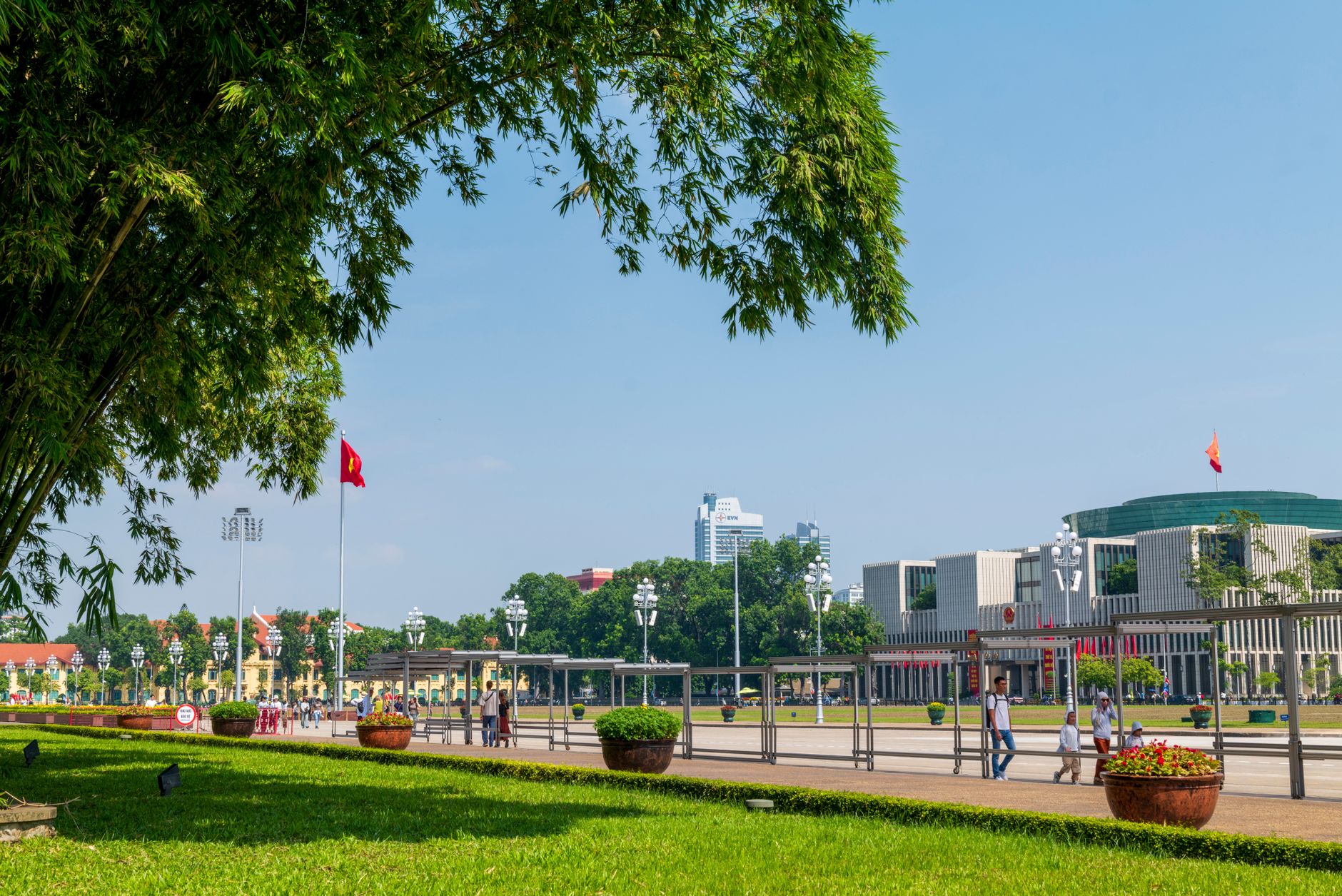



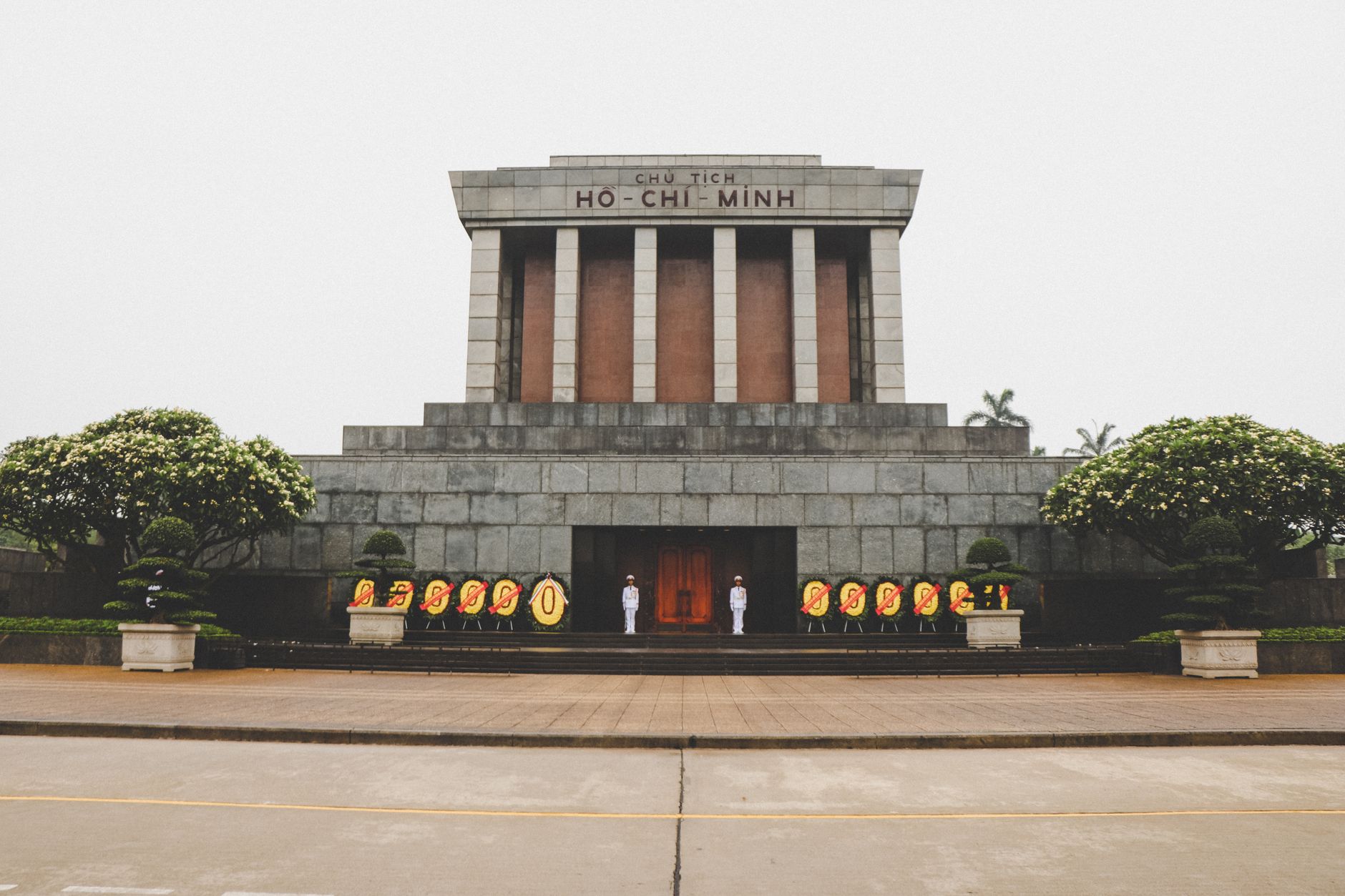

Ba Dinh is where Vietnam keeps its most consequential ground. On September 2, 1945, Ho Chi Minh stood at the square that bears the district's name and read a declaration of independence to half a million people. That square still anchors everything here — the mausoleum where his body lies in state, the Presidential Palace built in 1901 for the Governor-General of French Indochina, the One Pillar Pagoda rising from its pond on a single stone since 1049.
The district wears its layers openly. French-era villas line wide, tree-shaded boulevards. Beneath a UNESCO-listed citadel, archaeologists are still reading the compressed centuries of Thang Long, the city King Ly Cong Uan founded on this land in 1010. Ba Dinh is not a neighbourhood you pass through — it is the place Hanoi keeps returning to when it needs to remember who it is.
💛 What travellers fall for
People who come back tend to arrive at the mausoleum queue before 8am, when it moves. They save the Imperial Citadel for mid-morning, when the light crosses the excavation pits at a low angle. The walk between the two takes ten minutes and passes the One Pillar Pagoda, which most visitors spend thirty seconds at — worth giving it five quiet minutes.
Experiences you don't want to miss





Deals in Ba Dinh District
Book directly at the provider

How Ba Dinh District came to be
The land that became Ba Dinh District has been the seat of Vietnamese power for over a thousand years. In 1010, King Ly Cong Uan moved his capital from Hoa Lu to a bend in the Red River, renamed it Thang Long, and built the Imperial Citadel here. Dynasties came and went through those walls until the French arrived and overlaid the district with Indochinese colonial architecture — the Governor-General's residence went up in 1901, and the wide boulevards followed.
The district's modern identity was fixed on a single afternoon. On September 2, 1945, Ho Chi Minh read Vietnam's Declaration of Independence at Ba Dinh Square. After his death in 1969, a mausoleum was constructed between 1973 and 1975 to hold his preserved body — 21.6 metres tall, 41.2 metres wide, and placed so that it faces the square where he spoke.
Who and what shaped it
People who shaped it
Landmark buildings
See Ba Dinh District in motion
Plan your visit
On the map
When to go
November through March brings dry, cooler weather averaging around 15°C — the most comfortable time to walk the open ground around Ba Dinh Square and the citadel. May through September is hot and wet, with temperatures near 29°C and frequent afternoon rain; mornings are still workable if you start early.
Right now
Background & history adapted from Wikipedia (CC BY-SA) · specs from Wikidata (CC0) · weather from Open-Meteo · map data © OpenStreetMap contributors · photos from Wikimedia Commons / Unsplash with per-image credit. No third-party reviews or social posts reproduced.