
Asakusa
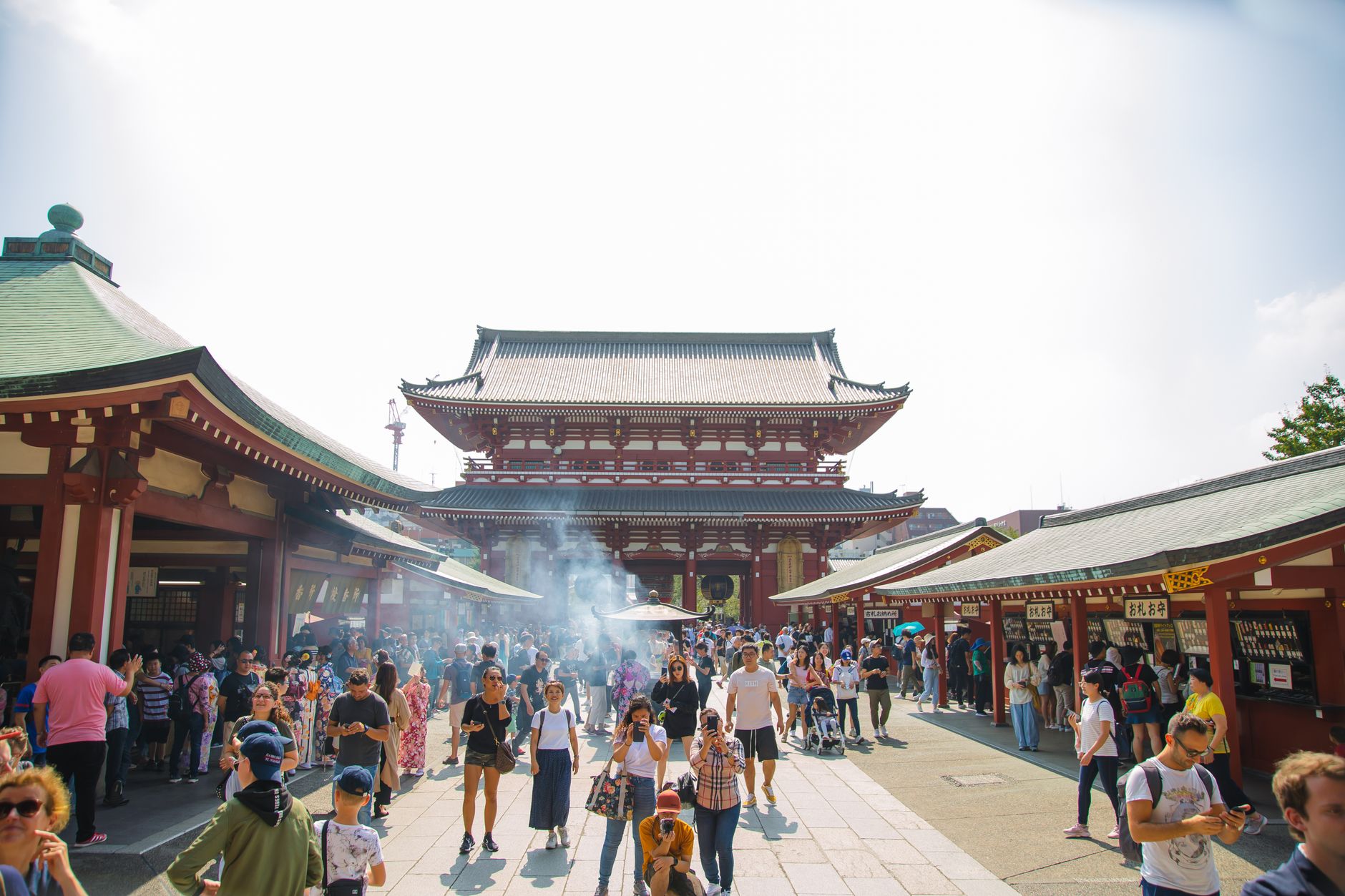
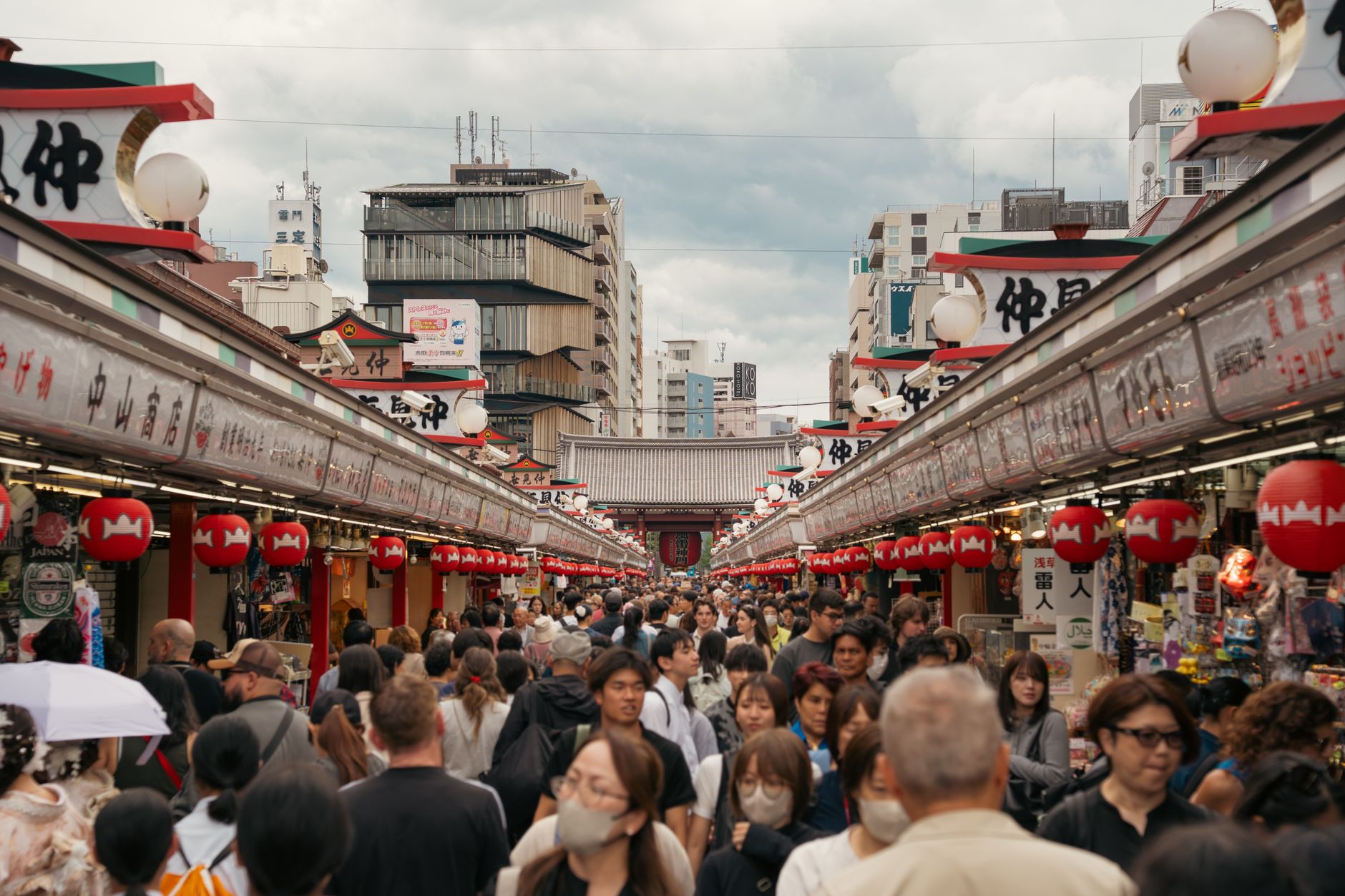
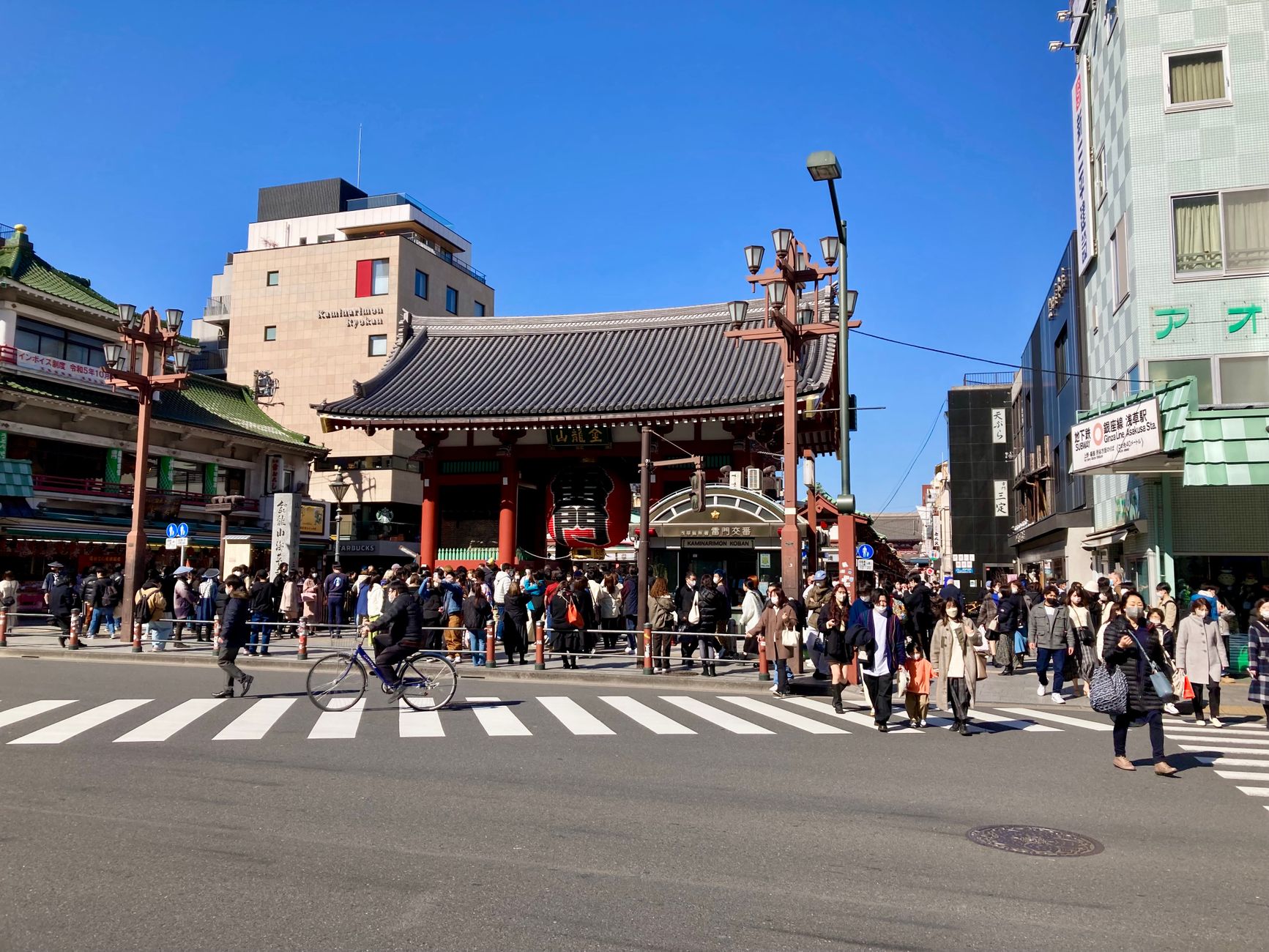
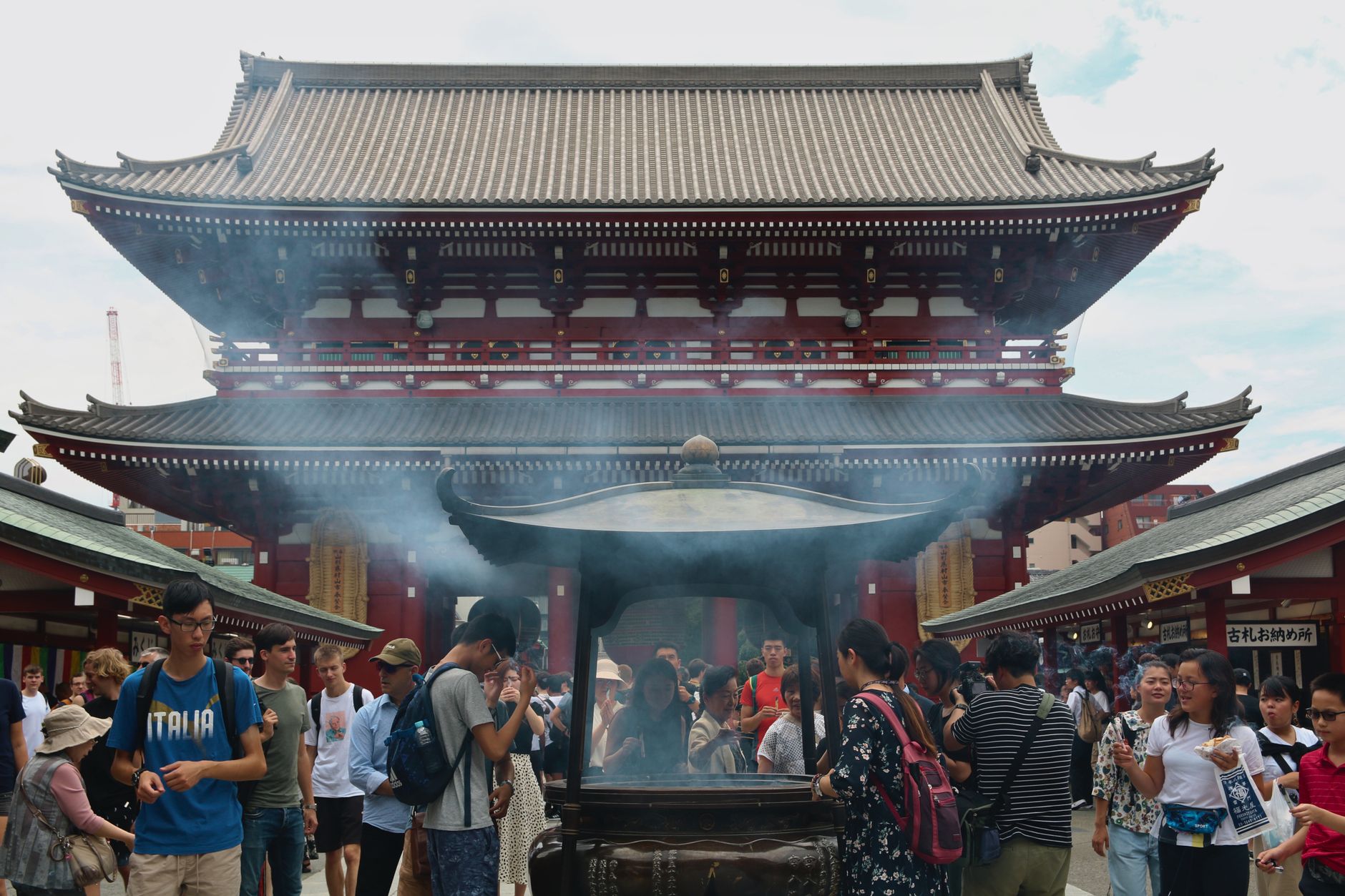
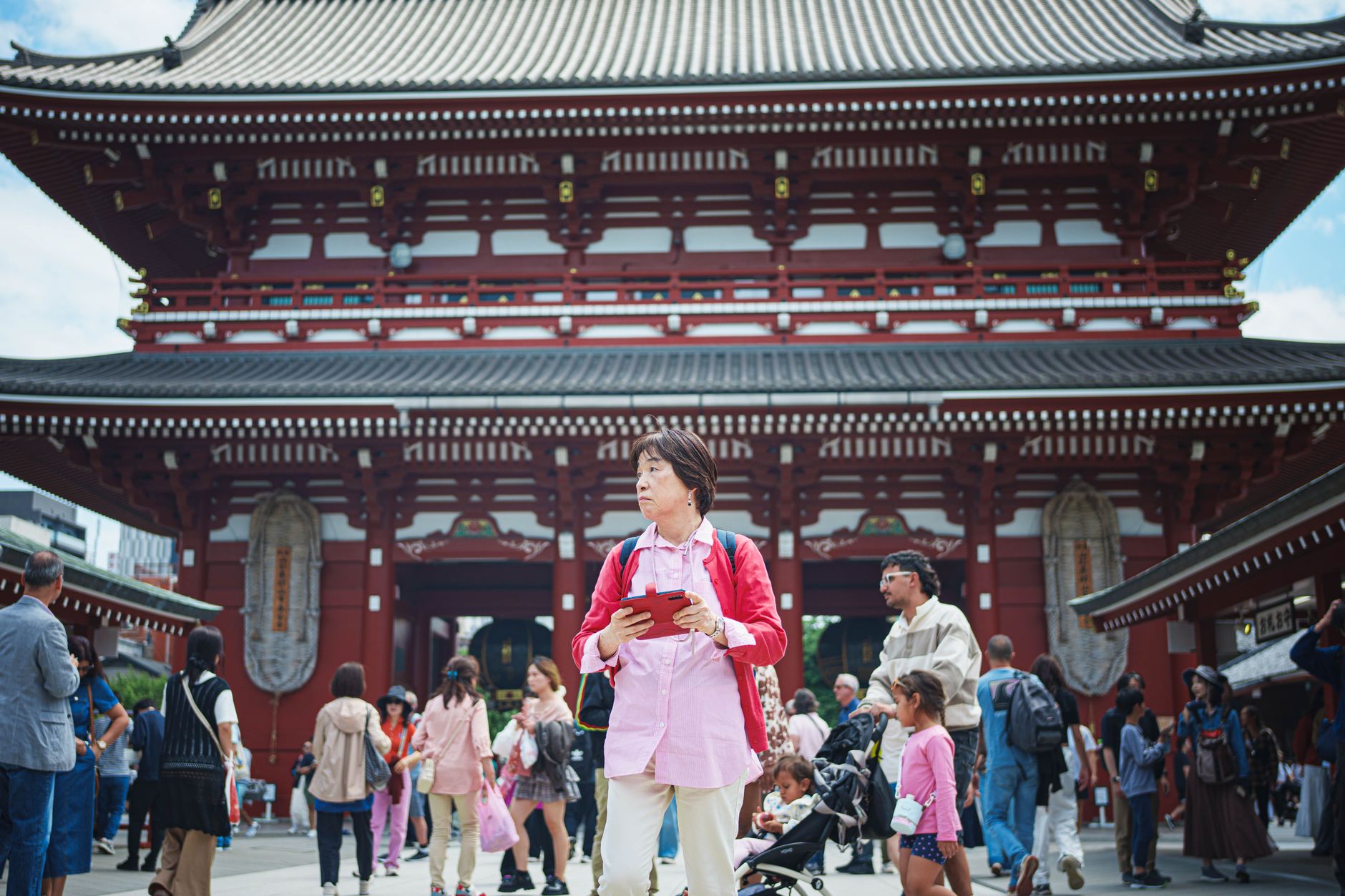
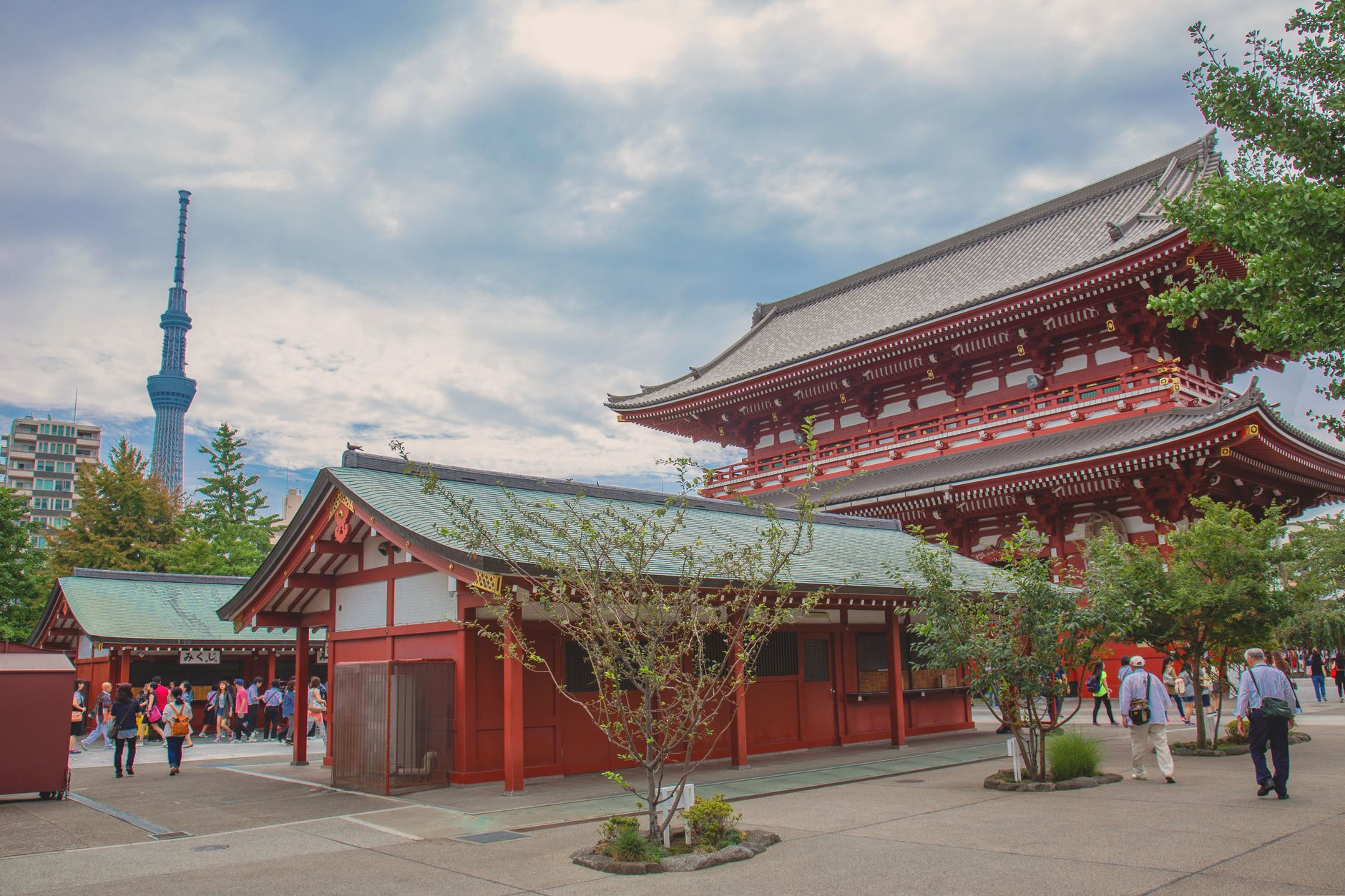
The smell reaches you before the gate does — incense smoke drifting from a bronze cauldron, thick enough to make you pause. Asakusa has been drawing people to this bend of the Sumida River for nearly 1,400 years, long before the city that surrounds it had a name. At its centre sits Sensō-ji, Tokyo's oldest temple, founded in 628 after two fishermen pulled a small golden Kannon from their nets. Everything here — the 700-kilogram lantern swaying under the Thunder Gate, the 250-metre run of Nakamise shops, the rebuilt five-storey pagoda — orbits that single, still-unseen statue.
Asakusa has been burned down, firebombed, and rebuilt more than once, and the layers show if you look. The Asakusa Shrine, tucked beside the main temple, is a rare Edo-era structure that survived the March 1945 raids intact. The main hall did not, and the titanium roof tiles that replaced the originals in the 1950s catch the light differently depending on the hour.
💛 What travellers fall for
People who come back tend to arrive before 8 a.m., when the Nakamise shutters are still down and the temple grounds belong mostly to pigeons and early worshippers. The omikuji fortune slips at Sensō-ji have the highest proportion of bad luck (kyō) of any temple in Japan — regulars treat drawing one as a minor sport, tie it to the rack, and move on.
Experiences you don't want to miss




Deals in Asakusa
Book directly at the provider


How Asakusa came to be
On March 18, 628 — before Edo existed, before Tokyo was a thought — brothers Hinokuma Hamanari and Hinokuma Takenari pulled a small golden figure from their fishing nets in the Sumida River. Their village elder, Haji no Nakamoto, identified it as the bodhisattva Kannon and enshrined it. A monk named Katsumi formalised the site in 645; the Kaminarimon Gate followed in 942. By the Edo period, Asakusa had become the city's entertainment centre, with kabuki theatres and teahouses clustering around the temple after the 1657 Meireki Fire displaced the theatre district there.
The 1890 Ryōunkaku tower — twelve stories, the tallest building in Japan at the time — signalled Asakusa's commercial ambitions. The March 10, 1945 firebombing erased much of it. The main hall was rebuilt between 1951 and 1958; the pagoda followed in 1973. Kaminarimon, which had burned in 1865 and stood unrestored for nearly a century, was rebuilt in 1960 with a donation from Konosuke Matsushita, the founder of what became Panasonic.
Who and what shaped it
People who shaped it
Landmark buildings
See Asakusa in motion
Plan your visit
On the map
When to go
Spring brings cherry blossoms along the Sumida River in late March and early April, with mild temperatures but heavy crowds. Summer is hot and humid from July through August. Autumn — October and November — offers cooler air and cleaner light. Winter mornings are cold but clear, and the temple grounds in January have a particular quiet to them.
Right now
Background & history adapted from Wikipedia (CC BY-SA) · specs from Wikidata (CC0) · weather from Open-Meteo · map data © OpenStreetMap contributors · photos from Wikimedia Commons / Unsplash with per-image credit. No third-party reviews or social posts reproduced.