
Arashiyama
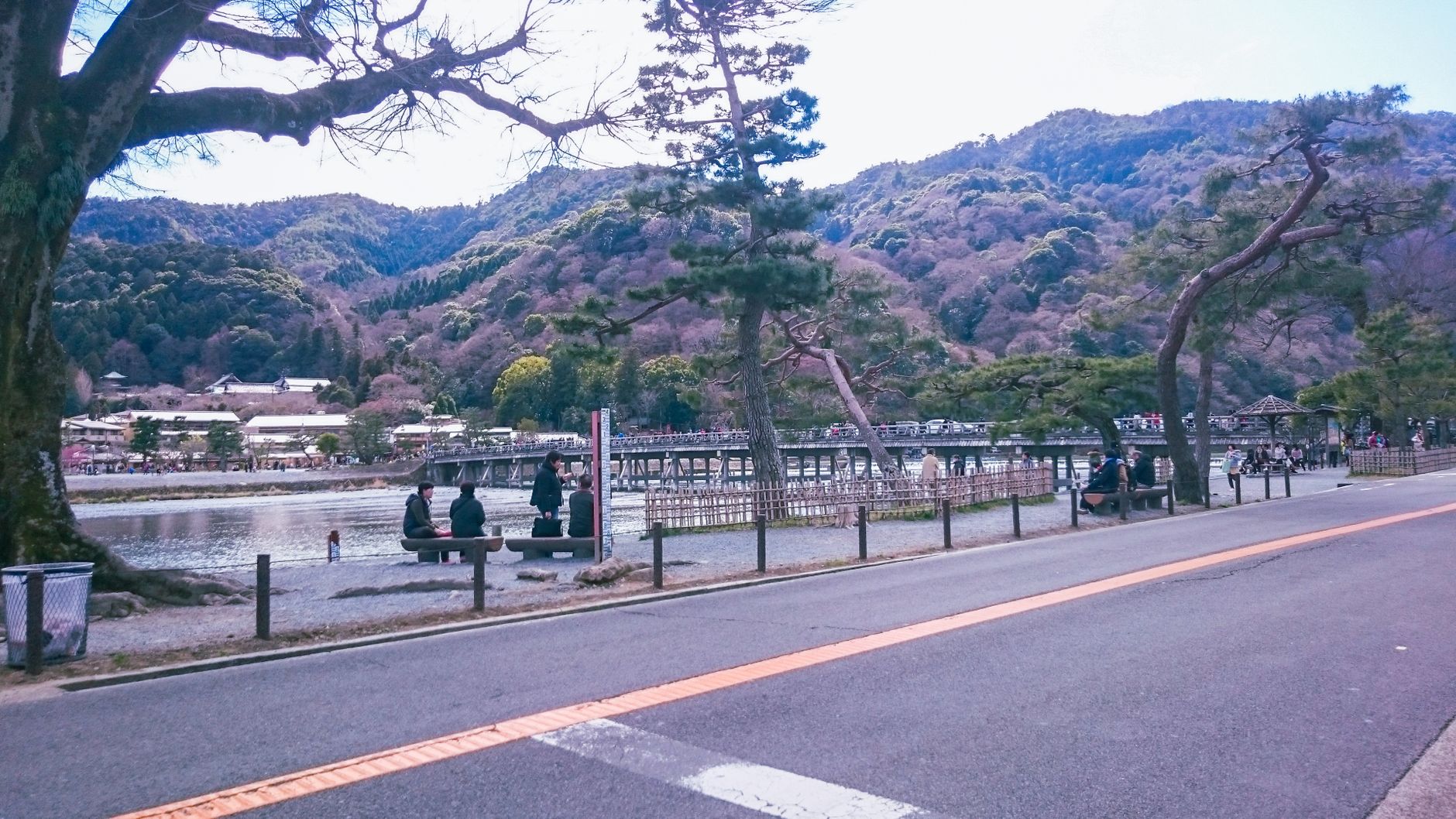
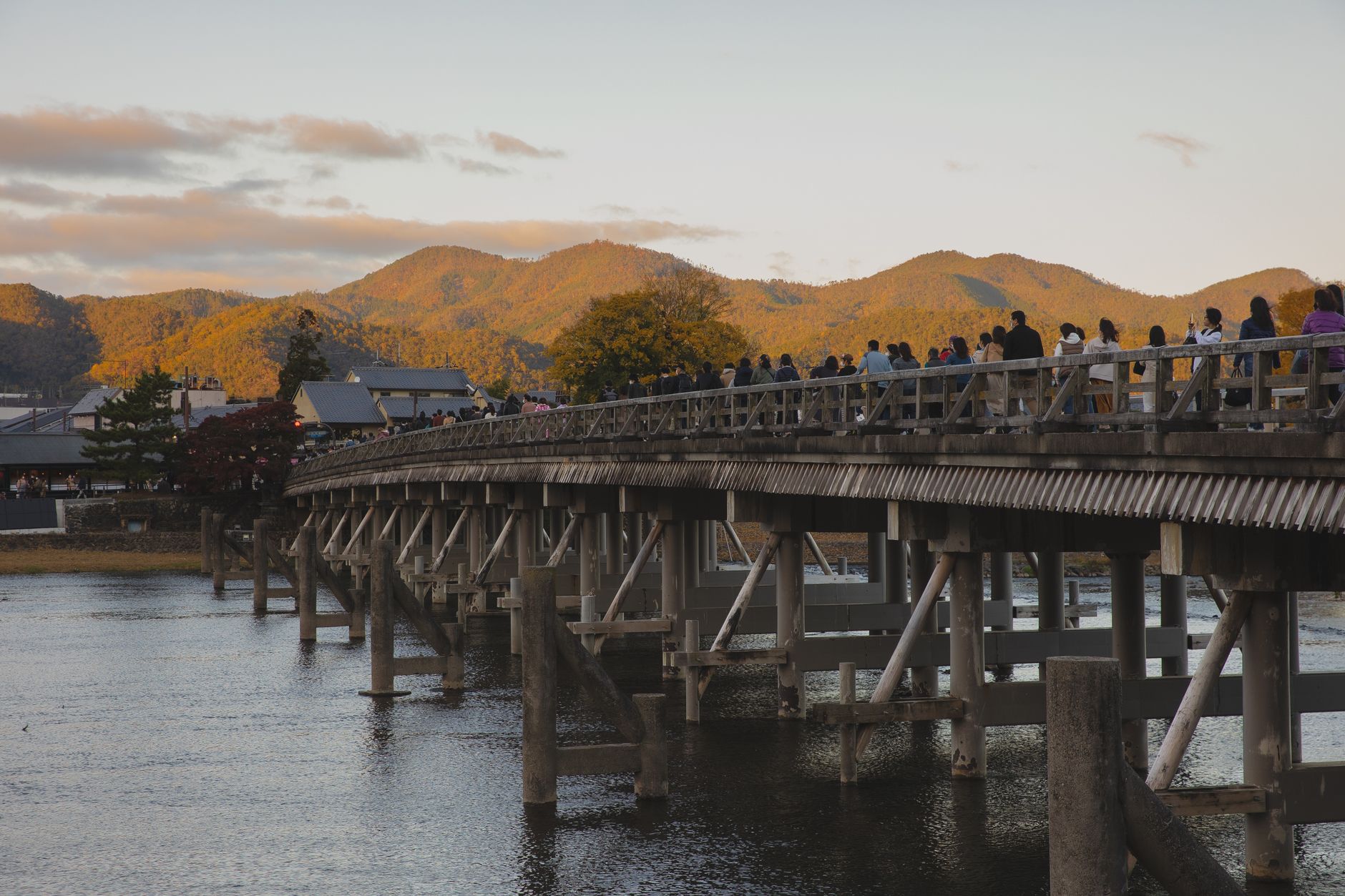
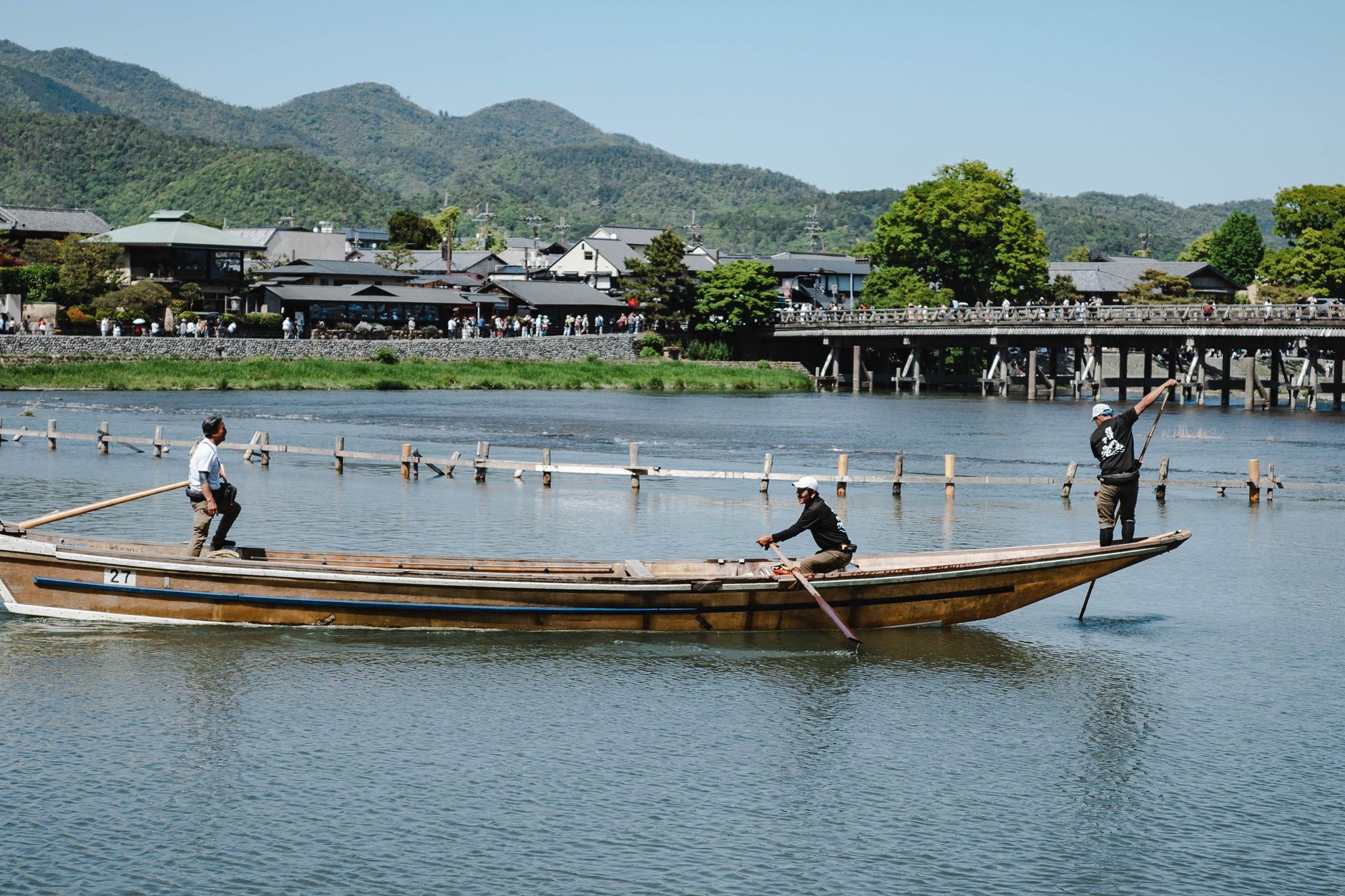
Stand on Togetsukyo Bridge at first light, before the tour groups arrive, and the Oi River moves quietly beneath you while mist sits low on the forested hills. That image — the 155-meter concrete-reinforced span whose name translates to Moon Crossing Bridge — has been drawing people to this western edge of Kyoto since the Heian period, when nobles came by boat to appreciate the same hills you're looking at now.
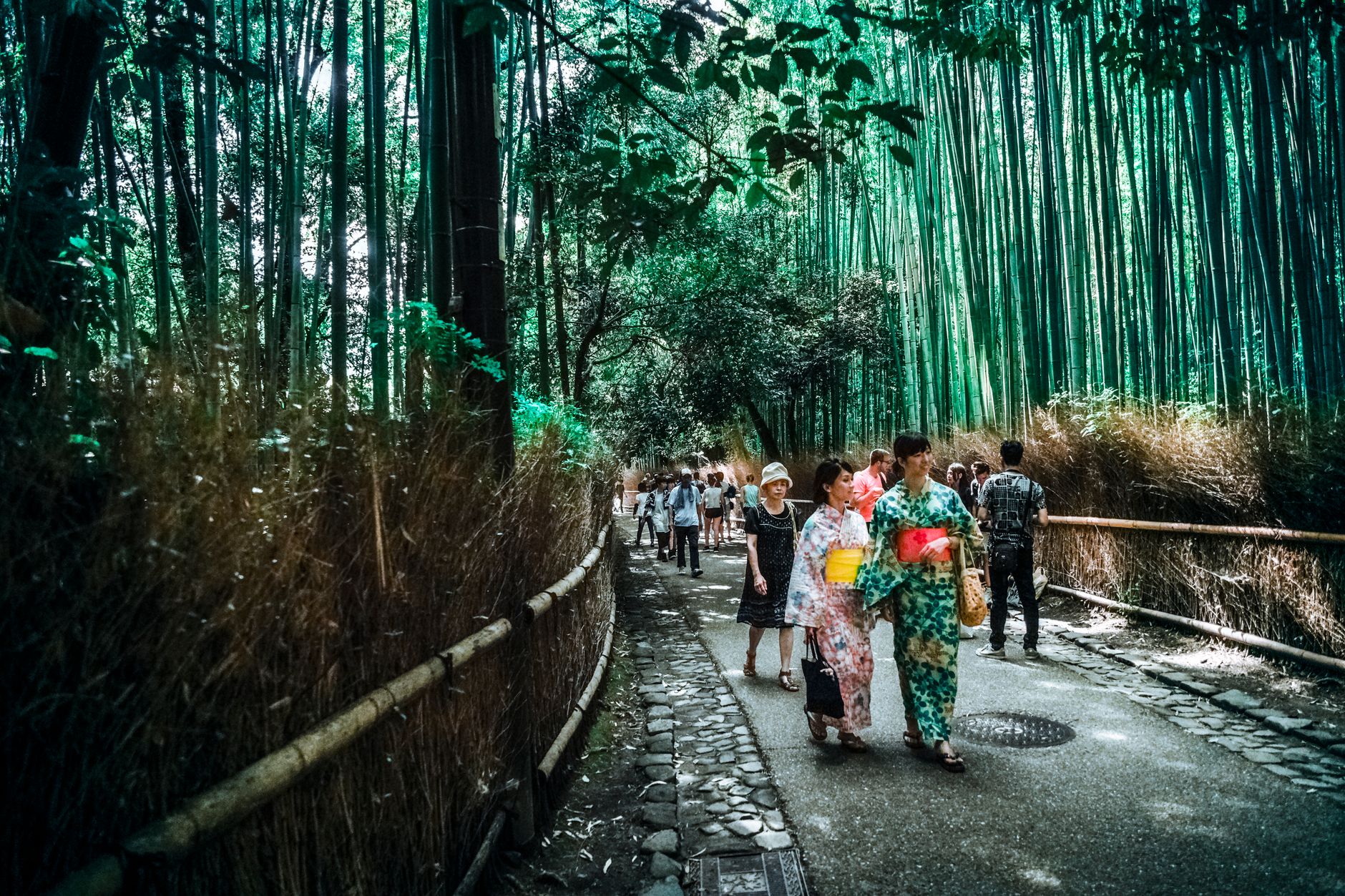
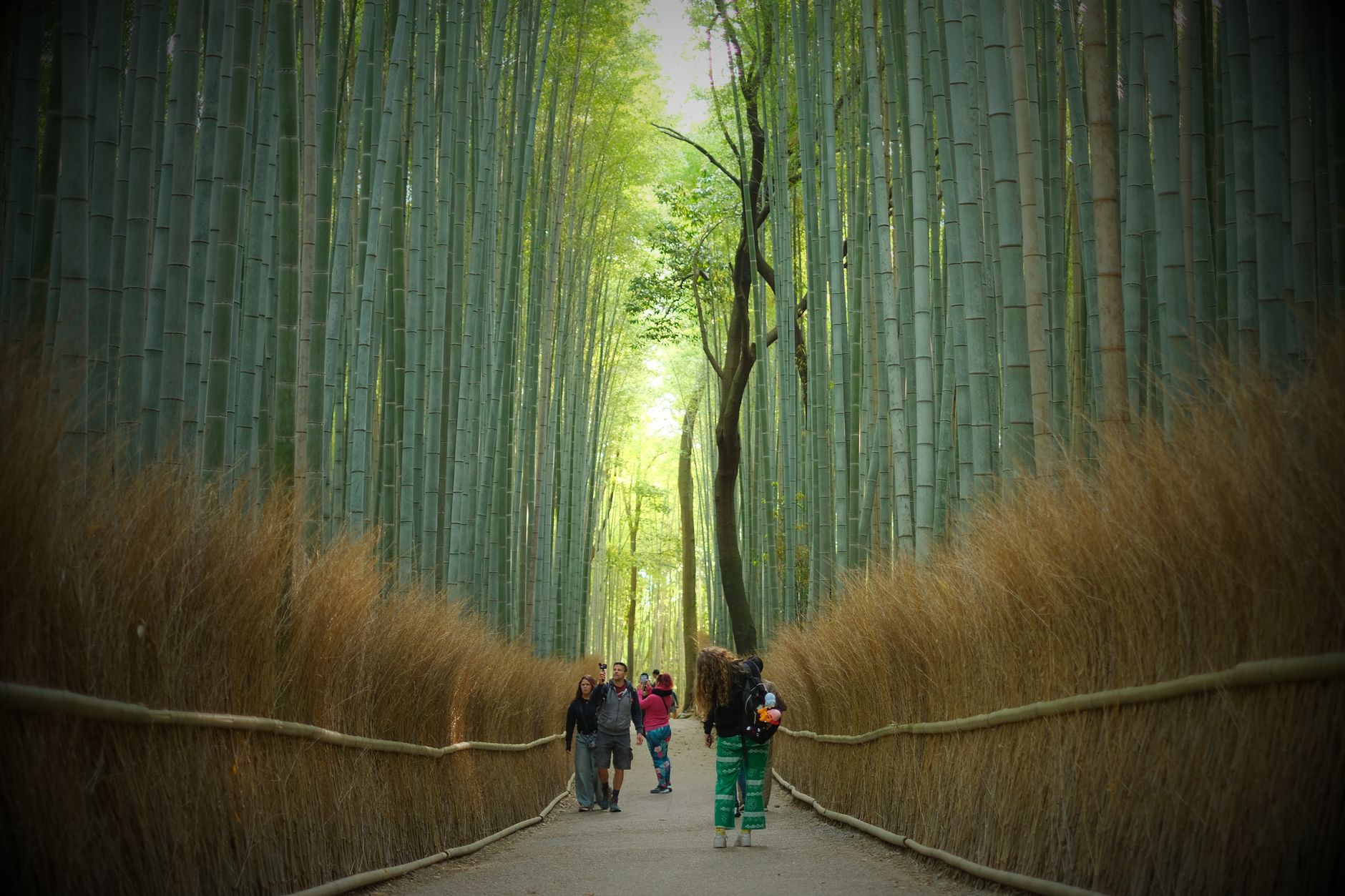
Arashiyama is a small district with a lot of compressed depth: a UNESCO-listed temple garden, a bamboo path you can walk in twenty minutes, a hillside of wild monkeys, and shrines old enough to predate the city they now belong to.
💛 What travellers fall for
People who come back tend to time Okochi Sanso Villa for mid-morning — the matcha and sweet included in the ticket hit differently once you've already walked the bamboo grove. They also learn to keep walking past the Chikurin no Komichi crowds toward Adashino Nenbutsu-ji, where 8,000 stone figures stand in near-silence.
Deals in Arashiyama
Book directly at the providerHow Arashiyama came to be
The Hata clan, immigrants from the Korean peninsula, were here first — arriving around the 5th century and building the weirs and irrigation channels that made the Oi River valley habitable. Matsunoo Taisha, founded in 700 and still active today, is their most visible legacy. During the Heian period, Emperor Saga built a villa here, and the area became a retreat for the imperial court; his wife, Empress Tachibana Kachiko, founded Danrin-ji Temple nearby.
In 1339, the shogun Ashikaga Takauji founded Tenryu-ji to pray for Emperor Godaigo's soul, and the Zen master Musō Soseki designed its garden — a composition of water, rock, and borrowed mountain scenery that was added to the UNESCO World Heritage list in 1994. The gorge itself was formally designated a site of scenic beauty in 1927.
Who and what shaped it
People who shaped it
Landmark buildings
See Arashiyama in motion
Plan your visit
On the map
When to go
Spring (late March to April) brings cherry blossoms to the riverbanks, and November turns the hillsides deep red and orange — both seasons are crowded and cold in the mornings. Summer is humid and green; winter visits are quieter, occasionally dusted with snow that makes the bamboo grove particularly stark.
Right now
Background & history adapted from Wikipedia (CC BY-SA) · specs from Wikidata (CC0) · weather from Open-Meteo · map data © OpenStreetMap contributors · photos from Wikimedia Commons / Unsplash with per-image credit. No third-party reviews or social posts reproduced.