
Aqaba
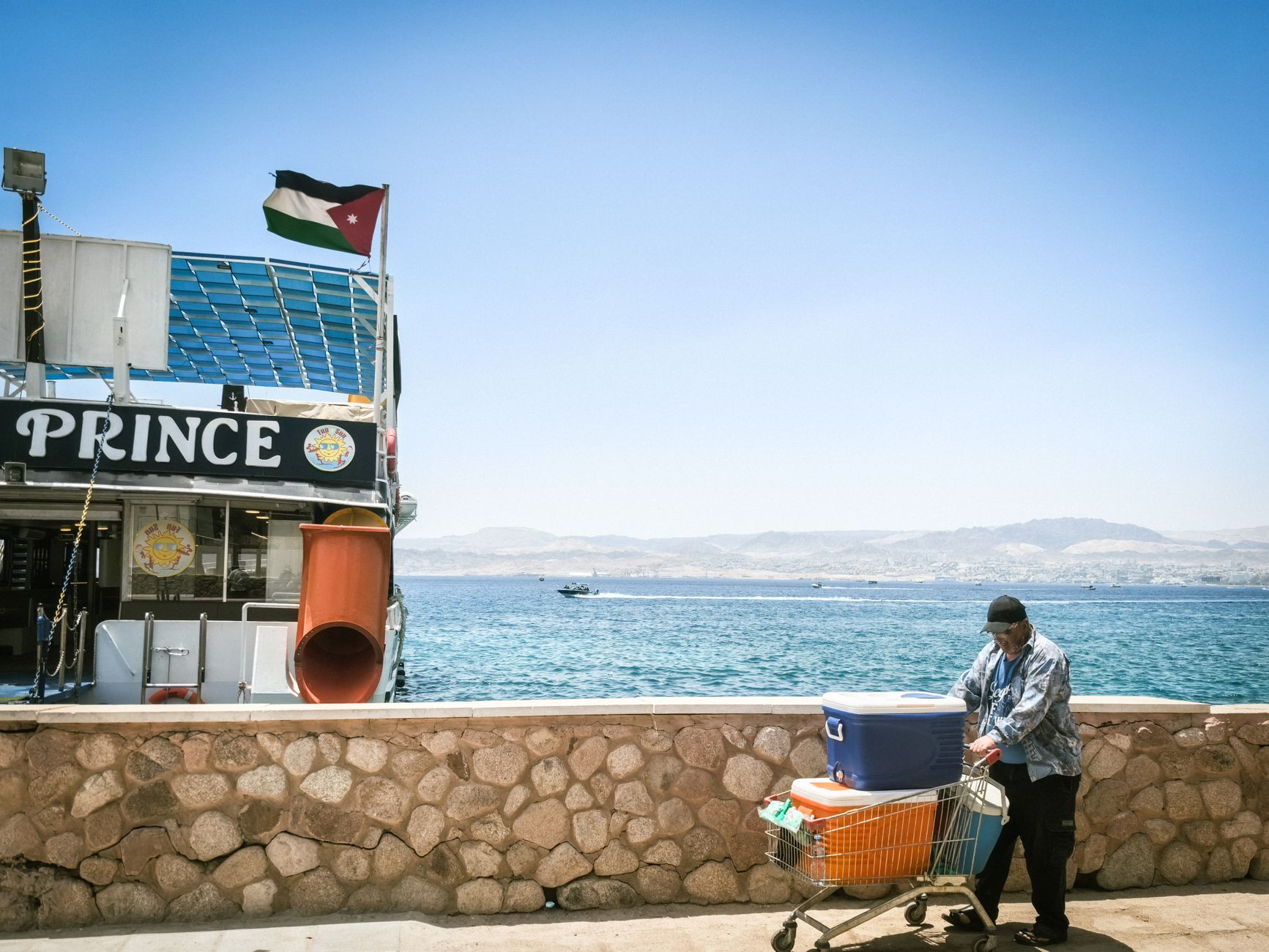
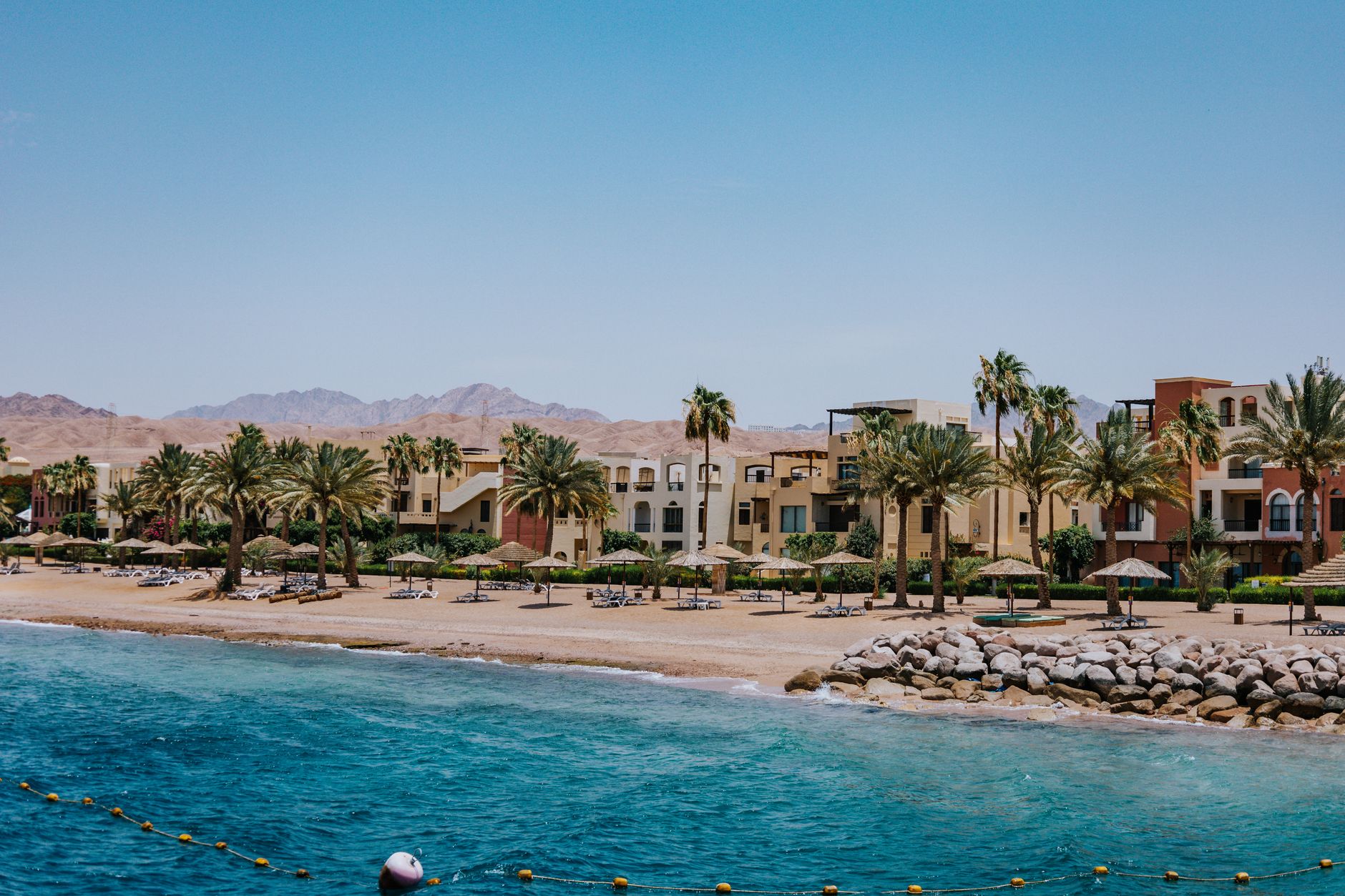
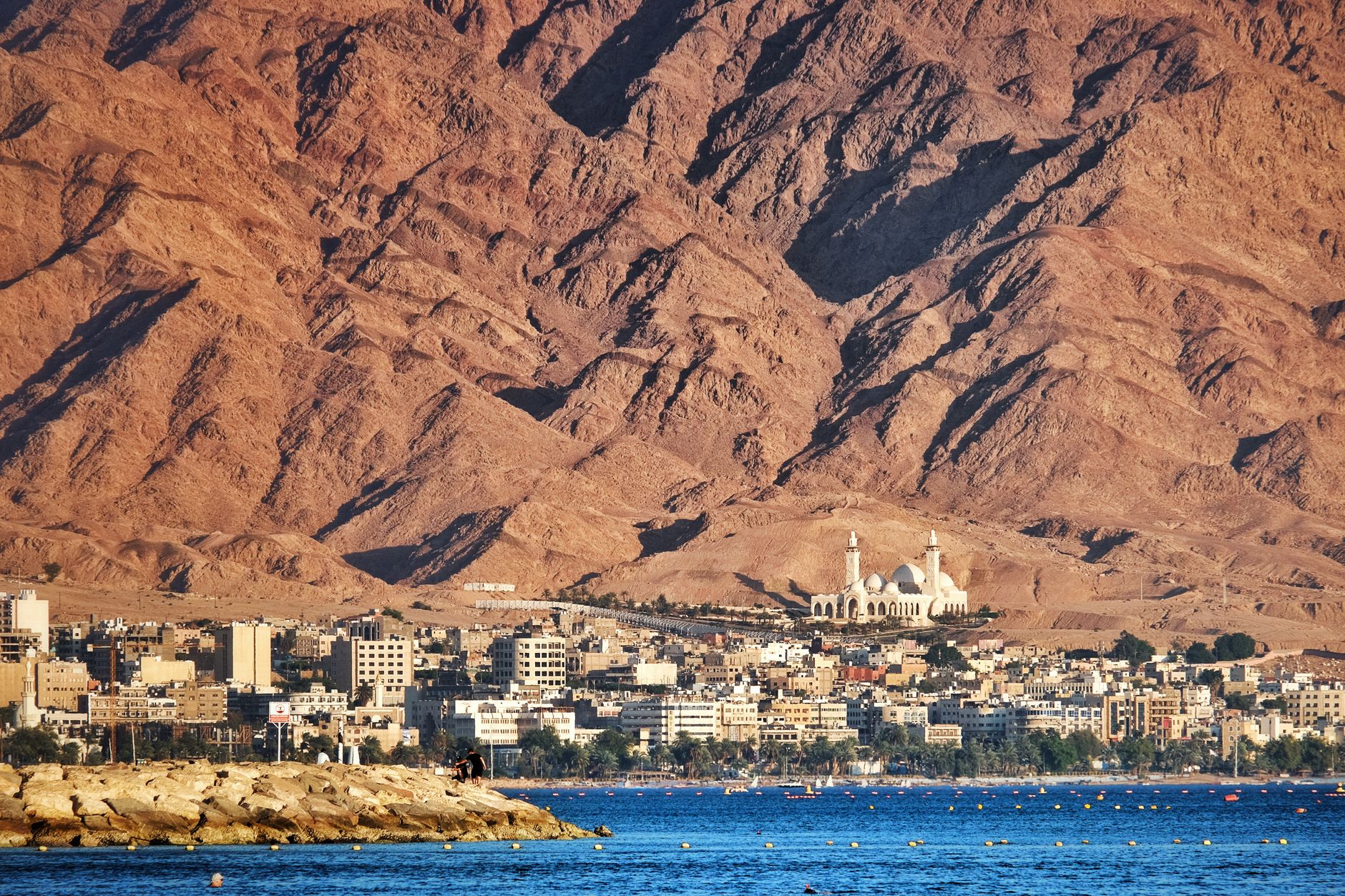
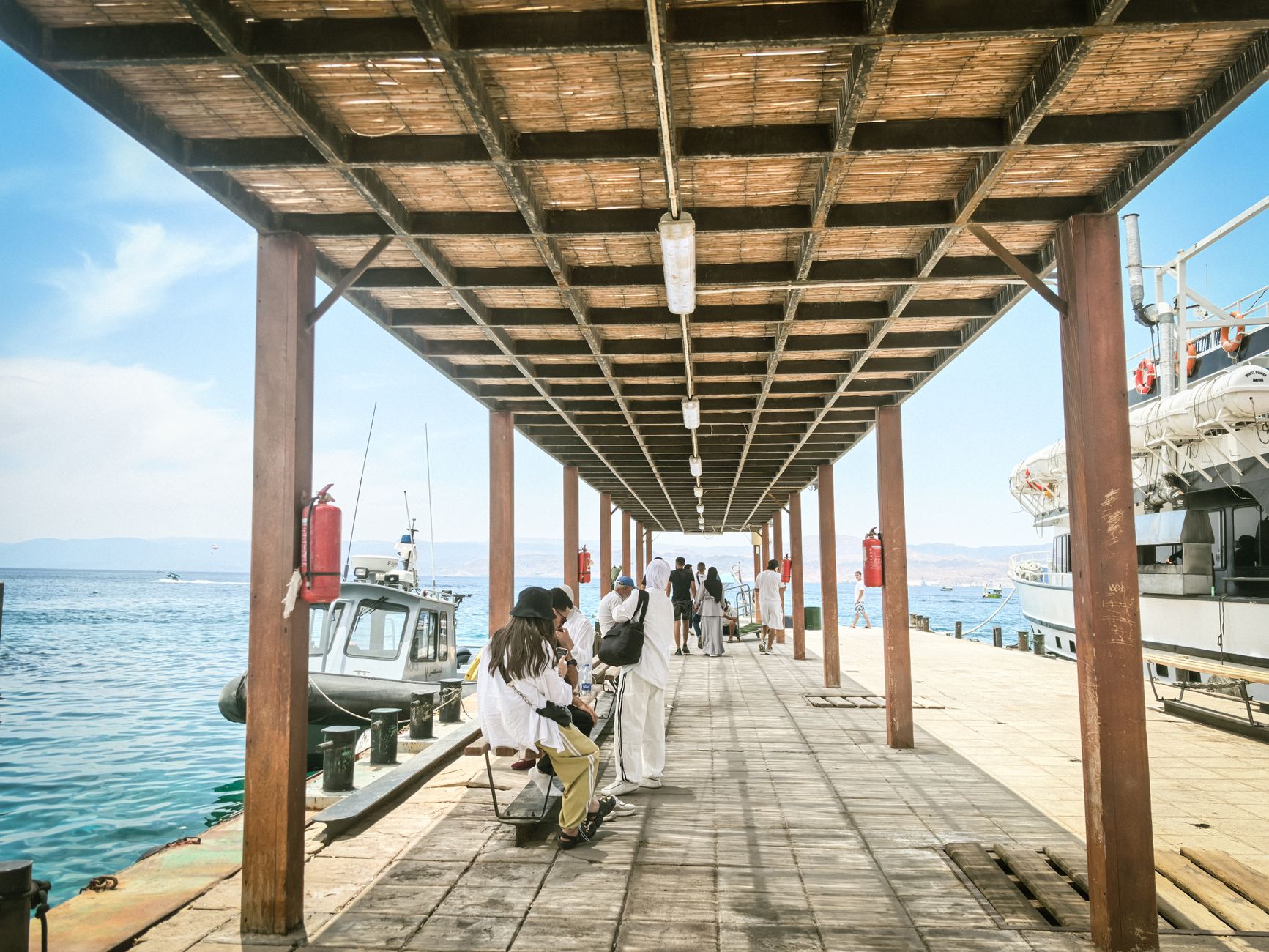
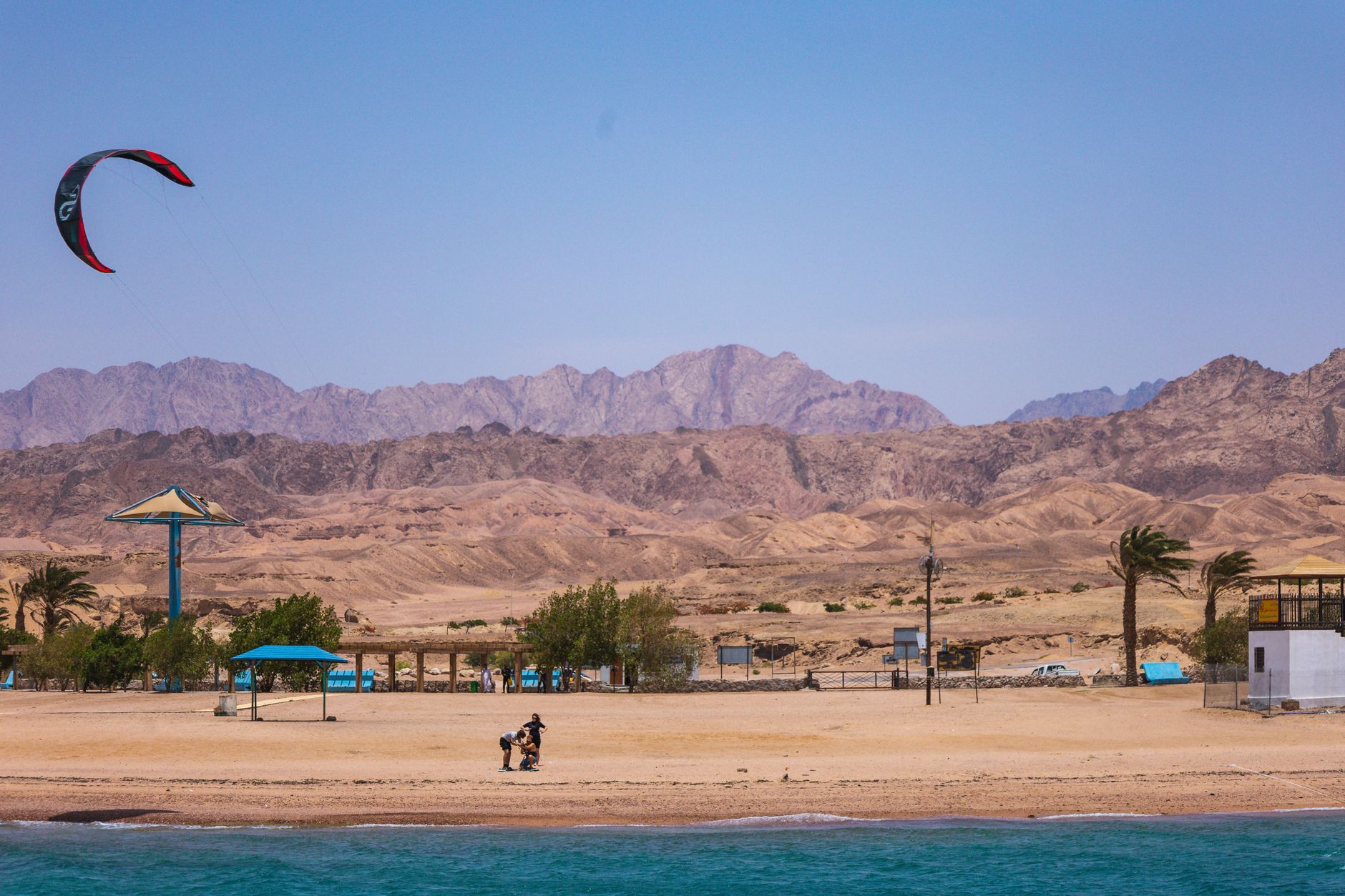
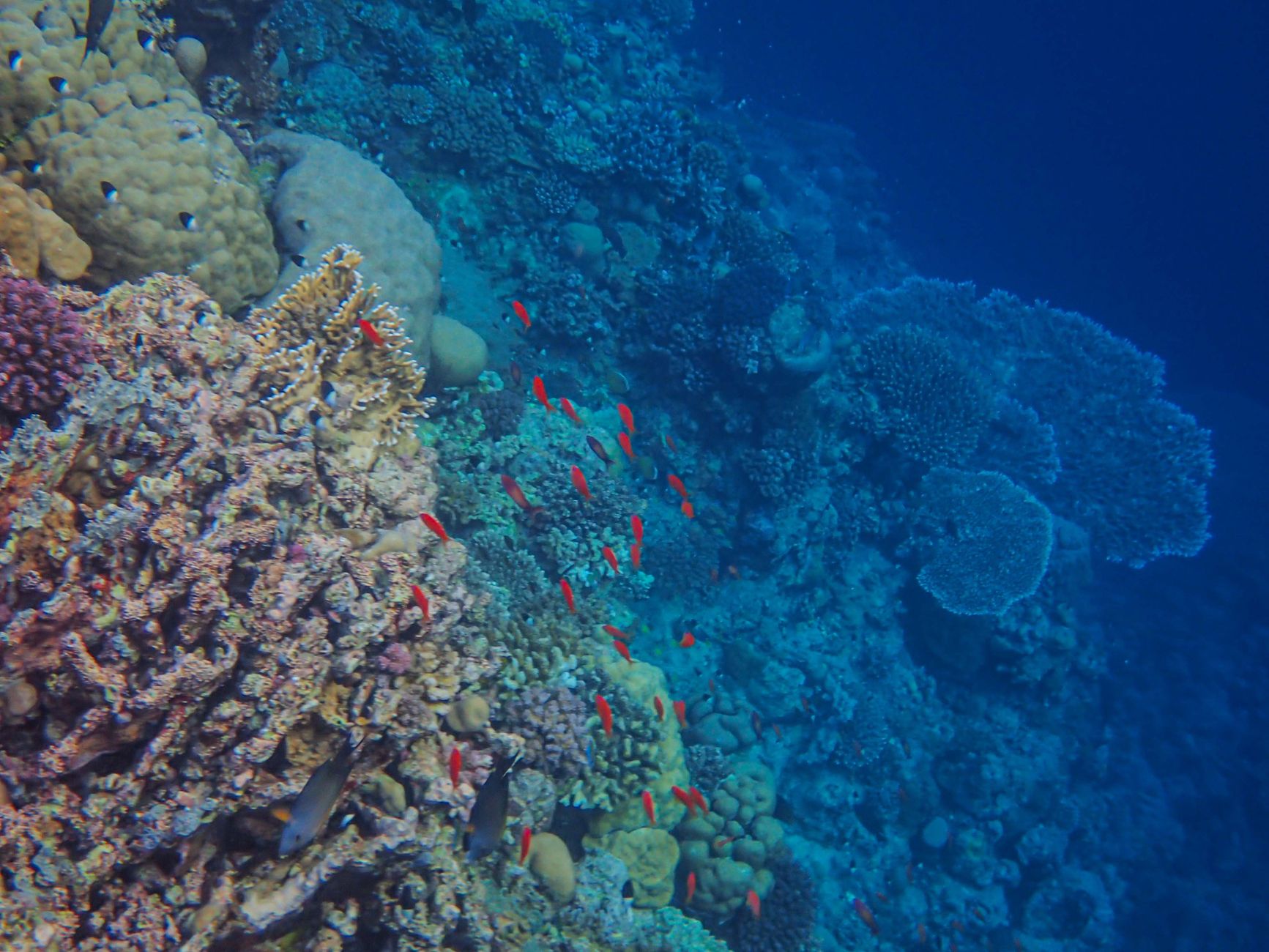
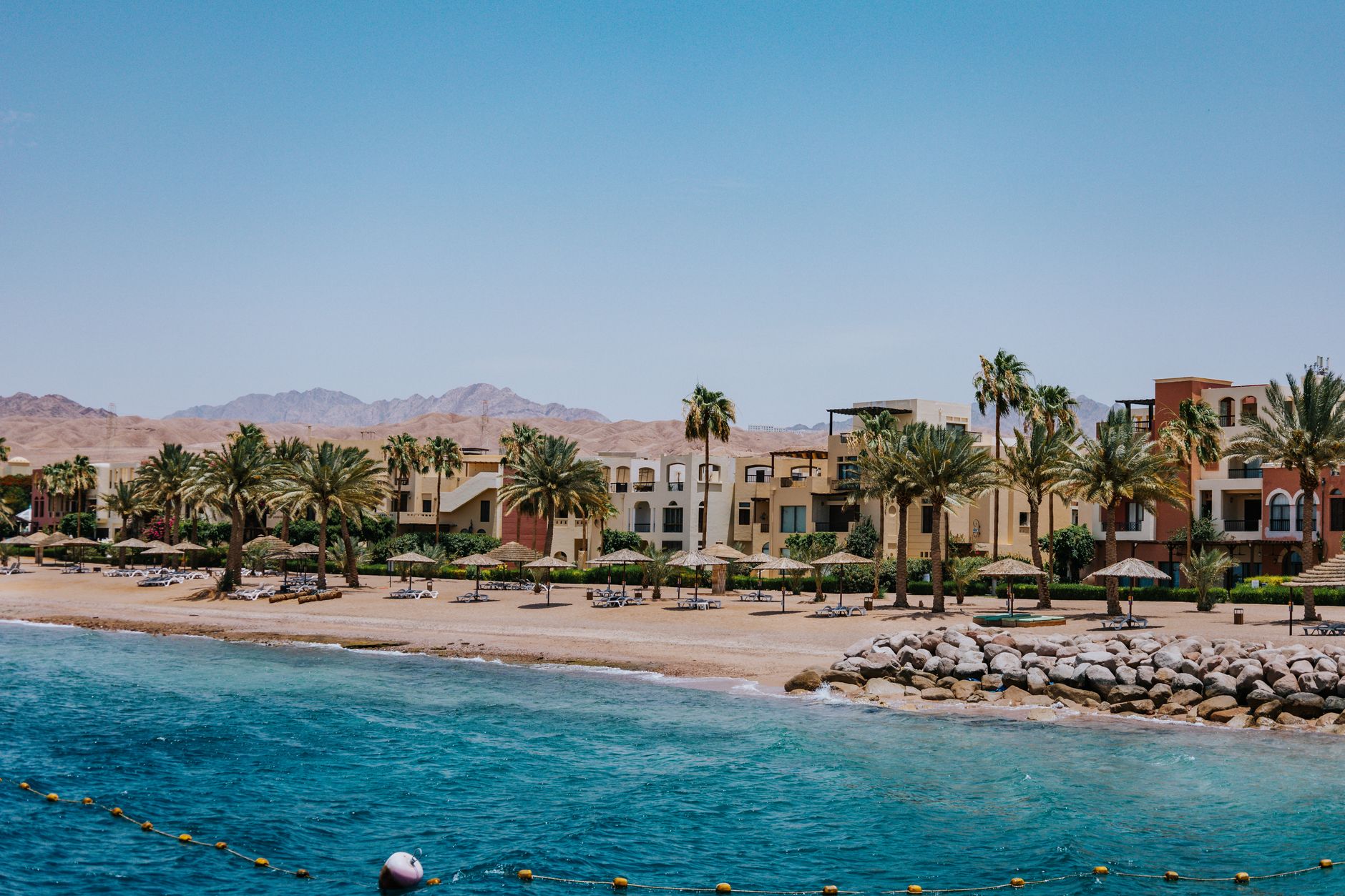
Aqaba sits at the very tip of Jordan, where the country narrows to a single strip of Red Sea coastline between Saudi Arabia and Israel. The water here is startlingly clear — coral reefs within wading distance of the shore — but the city earns its place on the map well beyond the beach. Beneath the streets lie layers going back to Chalcolithic copper-smelters working around 4000 BC, a Roman-era church older than any other purpose-built Christian church yet found, and the rectangular walls of Ayla, the first Islamic city built outside the Arabian Peninsula.
This is also the city that changed hands in one of World War I's most audacious desert manoeuvres, and whose small Mamluk fort still stands near the waterfront, entrance free, taking perhaps twenty minutes to walk through.
💛 What travellers fall for
People who come back tend to spend a morning at the Aqaba Archaeological Museum — the 1917 palace built for Sharif Hussein bin Ali — before the heat builds, then save the Ancient City of Ayla for late afternoon when the low light catches the old walls. The fort is quick; pair it with the Sharif Hussein bin Ali Mosque nearby to make sense of the city's long continuum.
Experiences you don't want to miss



Deals in Aqaba
Book directly at the provider

How Aqaba came to be
People have worked this ground for six thousand years. Chalcolithic settlements at Tall Hujayrat Al-Ghuzlan and Tall Al-Magass left behind evidence of large-scale copper production; by 300 BC Greek historians were already calling it one of the Arab world's great trading cities. The Ptolemaic Greeks renamed it Berenice. Under Roman rule, between 293 and 303 AD, a church was built here that archaeologists now consider the oldest known purpose-built Christian church in the world — older than the Church of the Holy Sepulchre in Jerusalem.
The city passed through Arab, Crusader and Ayyubid hands — Saladin retook it in 1187 — before Mamluk sultans rebuilt the fort in the early sixteenth century. In 1917, T. E. Lawrence rode in with Arab forces under Auda Abu Tayi and Sherif Nasir, driving out the Ottomans. Eight years later Ibn Saud ceded the territory to the British protectorate of Transjordan, fixing the border that still stands.
Who and what shaped it
People who shaped it
Landmark buildings
See Aqaba in motion
Plan your visit
On the map
When to go
Winter, from December through February, is genuinely mild — warm enough for light layers in the day, cool in the evenings. Summer temperatures climb sharply and the sun off the water is intense; most visitors with a choice avoid July and August.
Right now
Background & history adapted from Wikipedia (CC BY-SA) · specs from Wikidata (CC0) · weather from Open-Meteo · map data © OpenStreetMap contributors · photos from Wikimedia Commons / Unsplash with per-image credit. No third-party reviews or social posts reproduced.