
Antalya
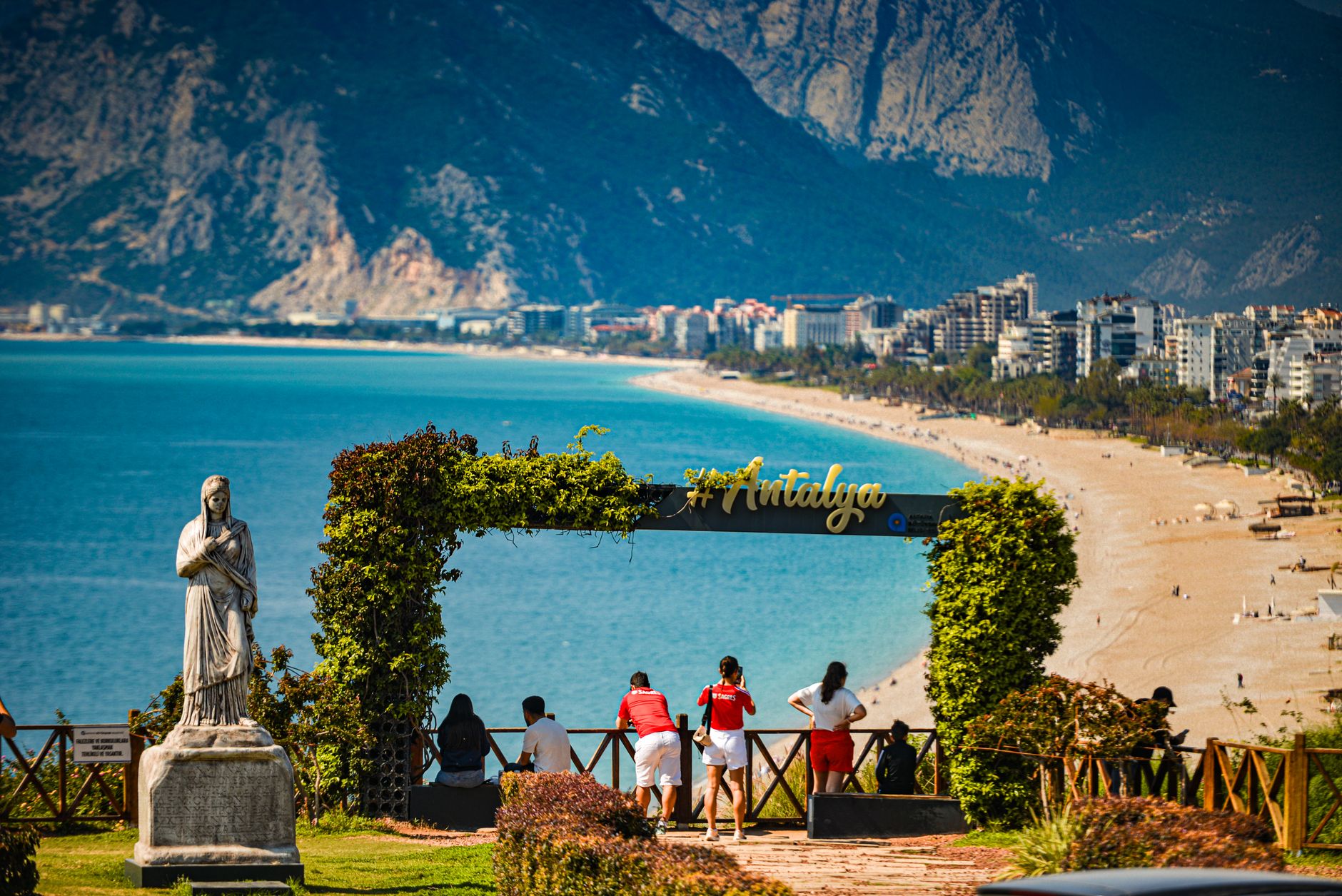
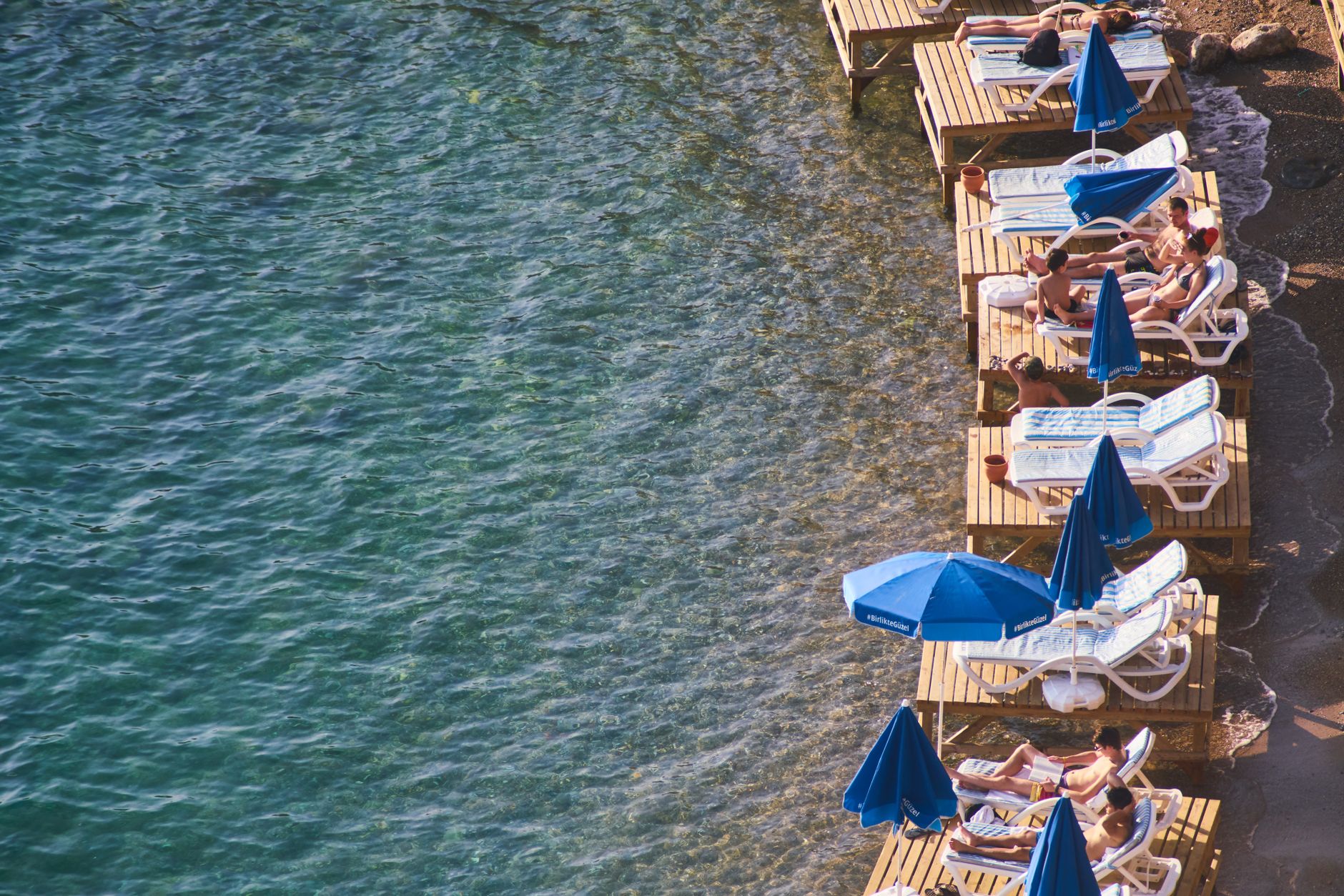
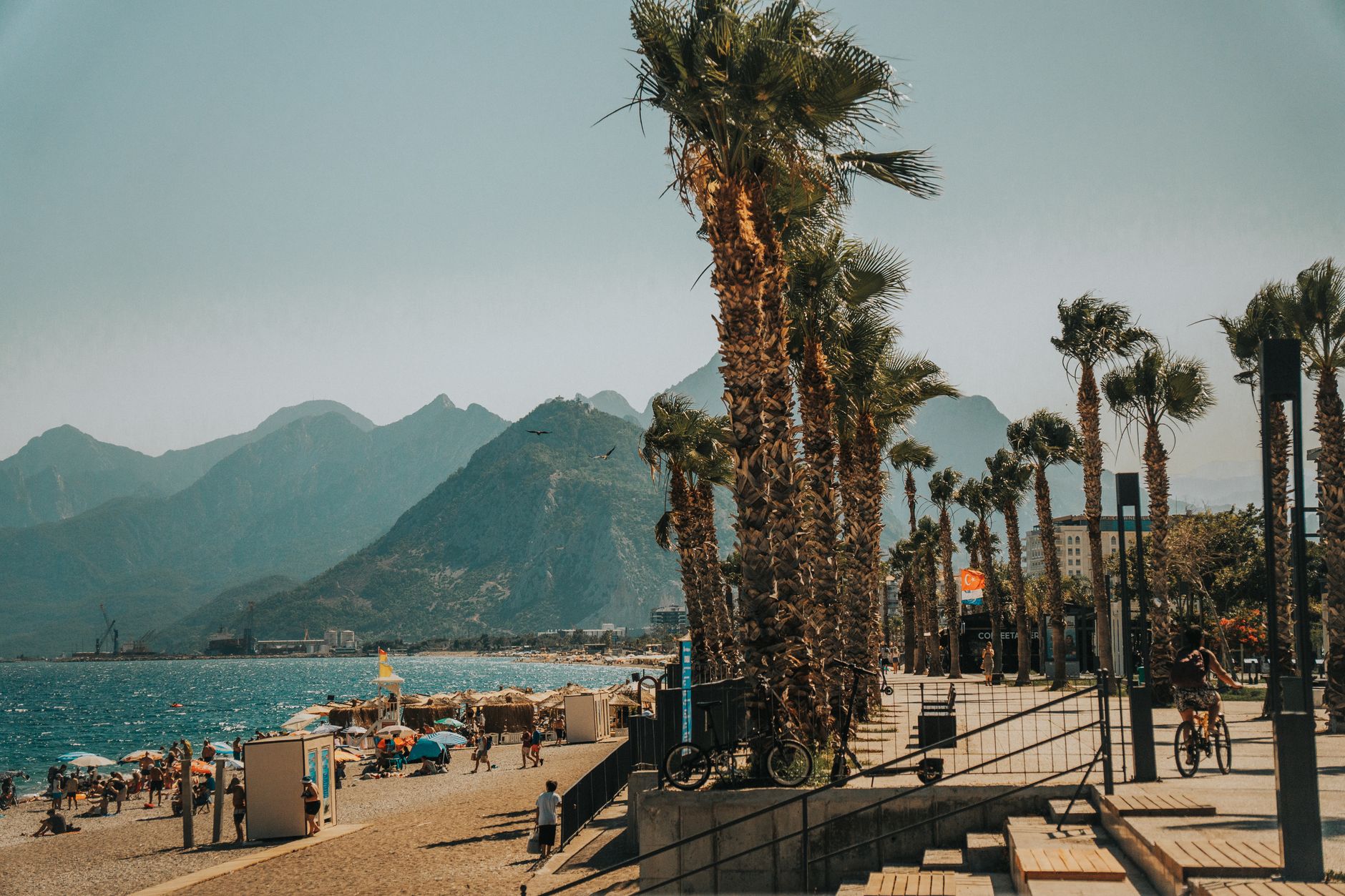
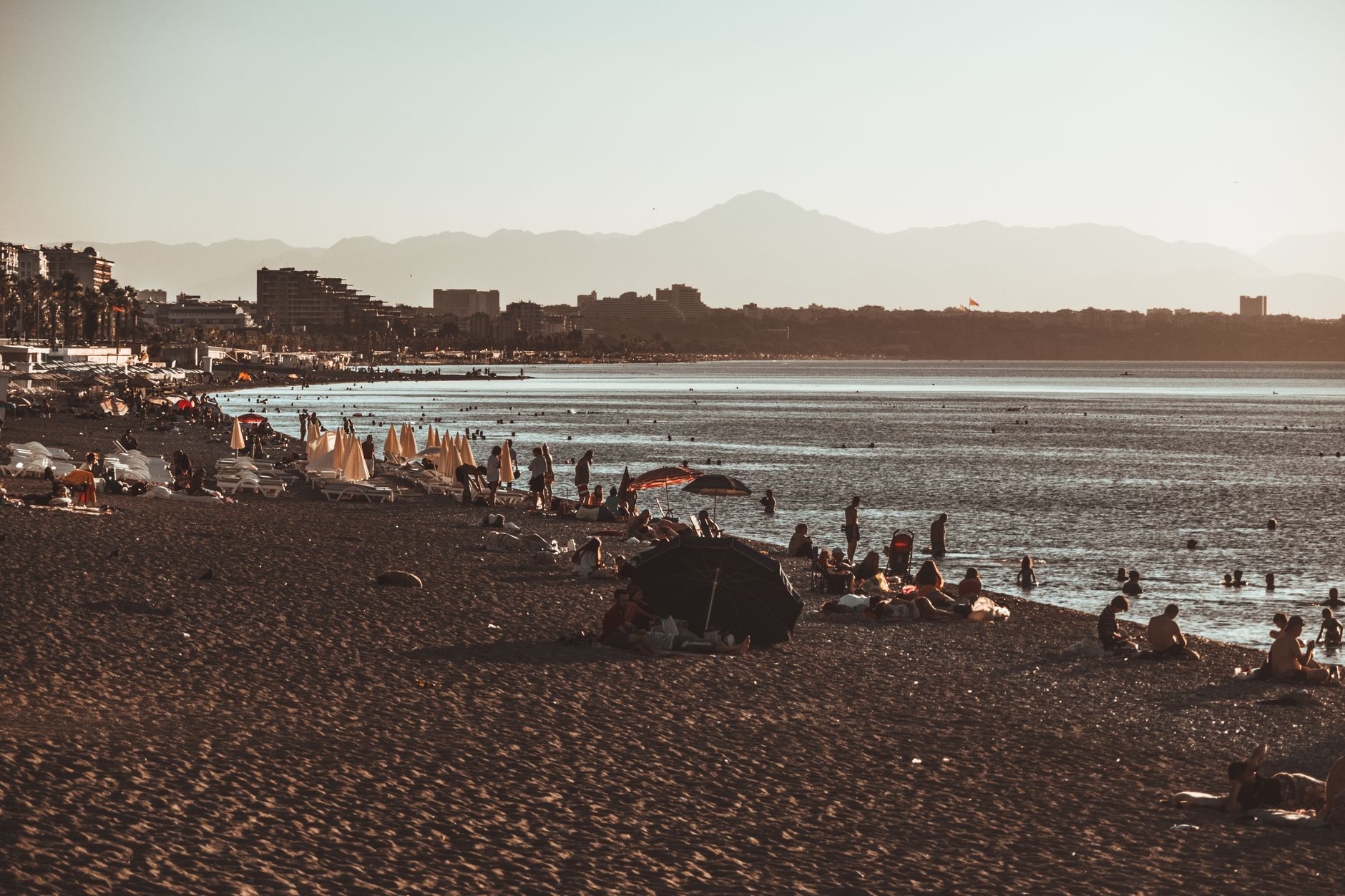
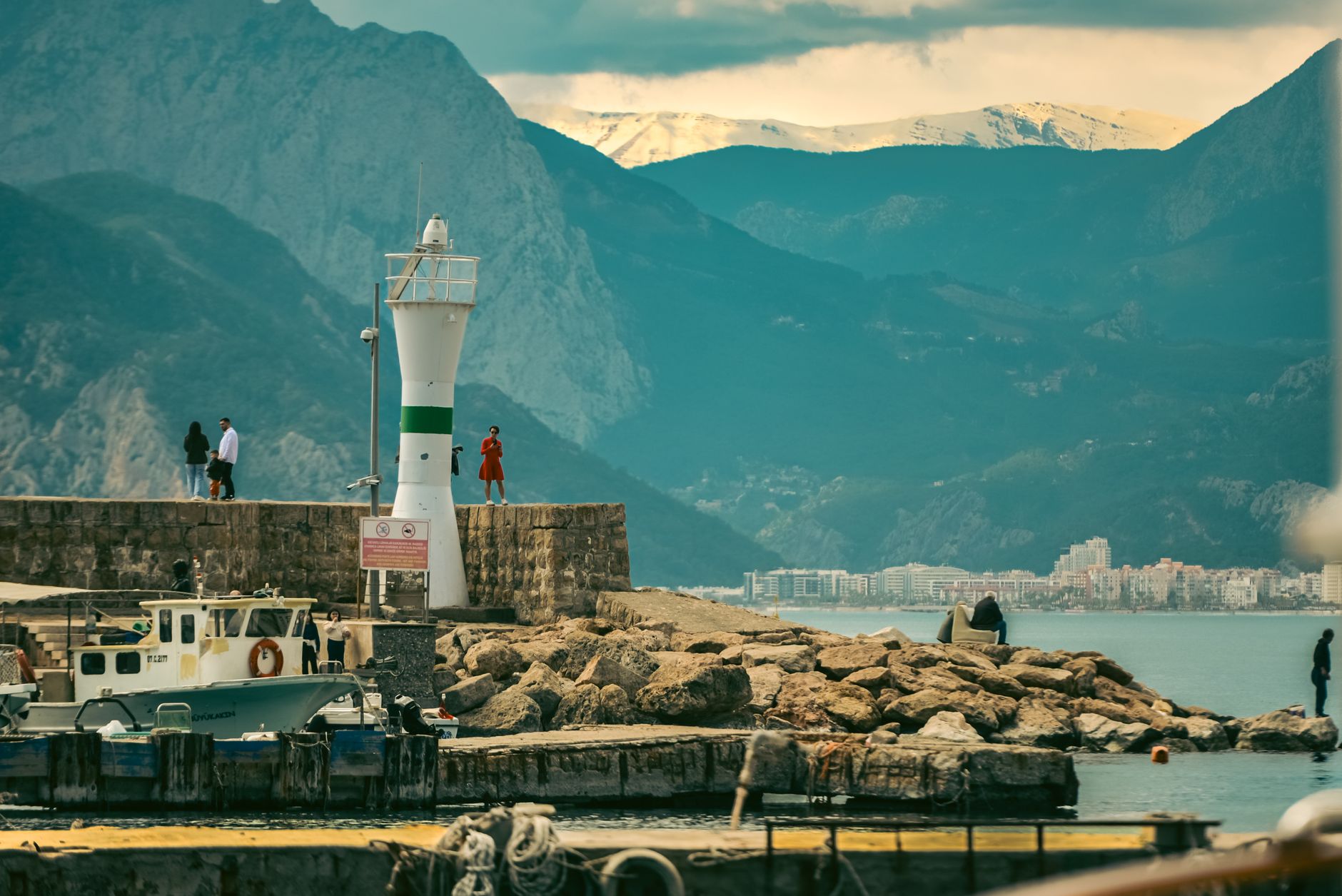
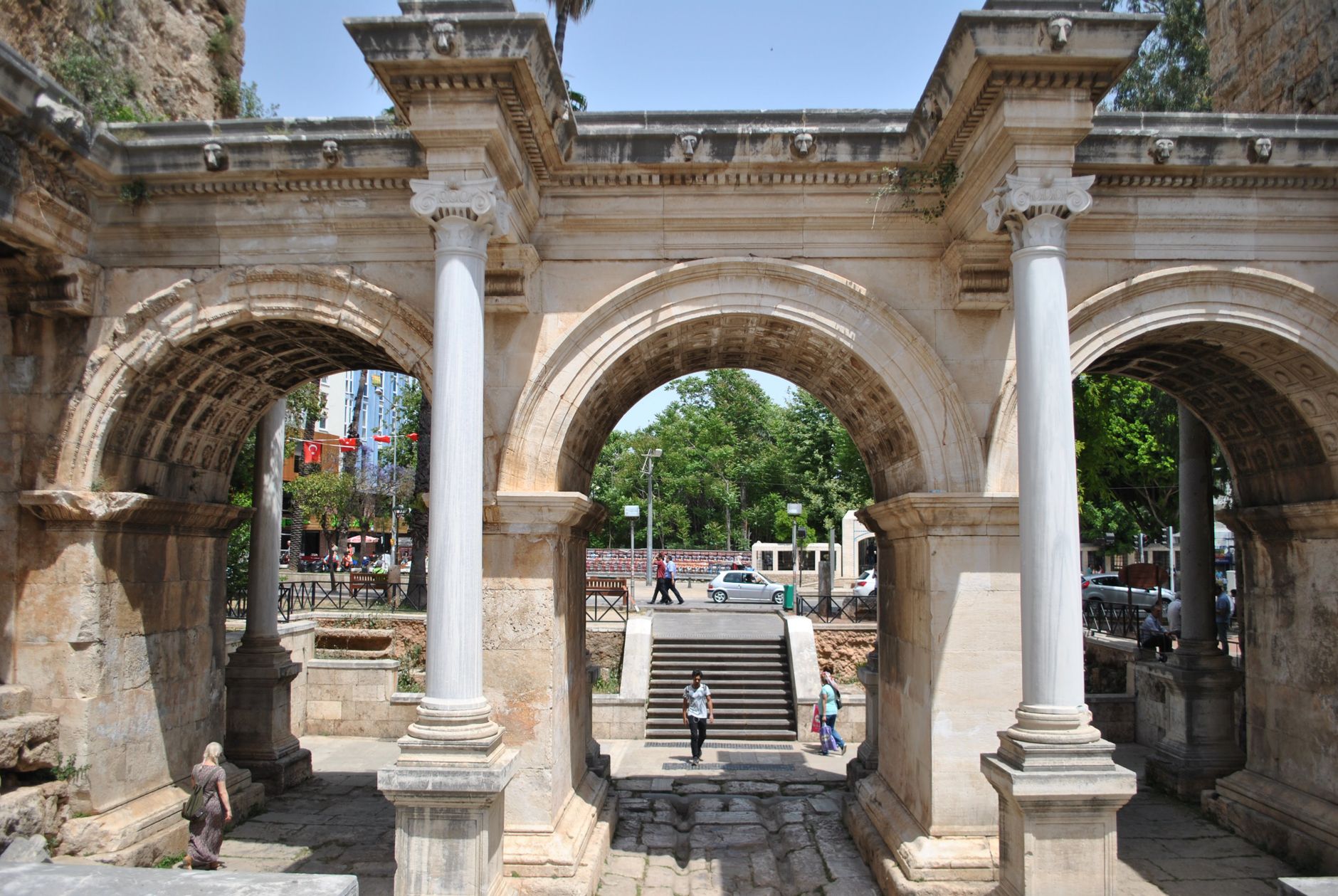
Antalya is where the Taurus Mountains drop straight into the sea and ancient stone sits comfortably beside a working harbour. The old town, Kaleiçi, is still entered through Hadrian's Gate — a triumphal arch built in 130 AD for a Roman emperor's visit — and from there the lanes narrow into a quarter of Ottoman houses, Roman foundations, and waterfront restaurants that stay lit long after dark.
The region stretches well beyond the city itself. Within an hour you can walk a 15,000-seat Roman theater at Perge, climb to a mountaintop ghost city at Termessos, or watch an opera performed in a 2,000-year-old theater at Aspendos. Antalya is less a single destination than a base for a serious stretch of the ancient world.
💛 What travellers fall for
People who come back tend to time it around the Aspendos International Opera and Ballet Festival — sitting in that Roman theater at dusk, with the stage lights just coming up, is something the photographs don't quite capture. They also learn quickly to take the dolmuş rather than a taxi between districts: cheaper, faster, and you end up somewhere unexpected.
How Antalya came to be
King Attalus II of Pergamon founded the city around 200 BC, naming it Attaleia after himself. The Romans took it soon after and left their mark literally: Hadrian's Gate still stands at the entrance to Kaleiçi, erected in 130 AD when the emperor came through in person. The Seljuks arrived in 1207, the Ottomans in 1391, and the city passed through a brief Italian occupation between 1919 and 1921 before becoming part of the Turkish Republic.
For most of the 20th century Antalya remained a modest fishing and farming town. Atatürk visited in the 1930s and reportedly called it the most beautiful place in the world, though that didn't accelerate its development. Tourism arrived seriously only in the 1980s, and the transformation since has been rapid enough that the old town's Roman and Ottoman layers can feel almost improbable against the resort infrastructure surrounding them.
Who and what shaped it
People who shaped it
Landmark buildings
See Antalya in motion
Plan your visit
On the map
When to go
Summers are long, dry and genuinely hot — August averages just over 29°C and heat waves push past 40°C. Winters are mild and wet, with December the rainiest month by a wide margin. Spring and autumn offer the most comfortable conditions for spending time outdoors.
Right now
Background & history adapted from Wikipedia (CC BY-SA) · specs from Wikidata (CC0) · weather from Open-Meteo · map data © OpenStreetMap contributors · photos from Wikimedia Commons / Unsplash with per-image credit. No third-party reviews or social posts reproduced.