
Ankara
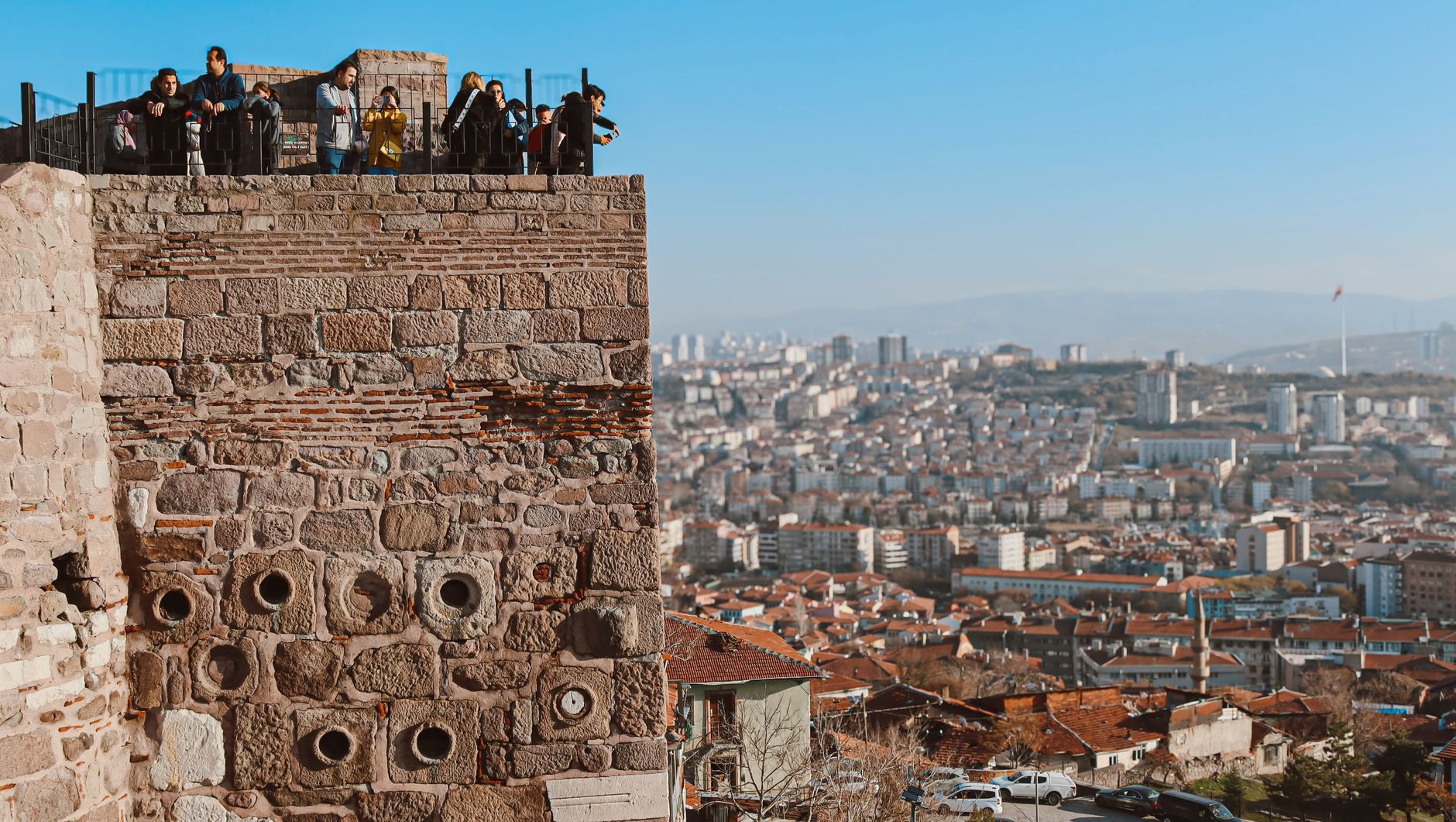
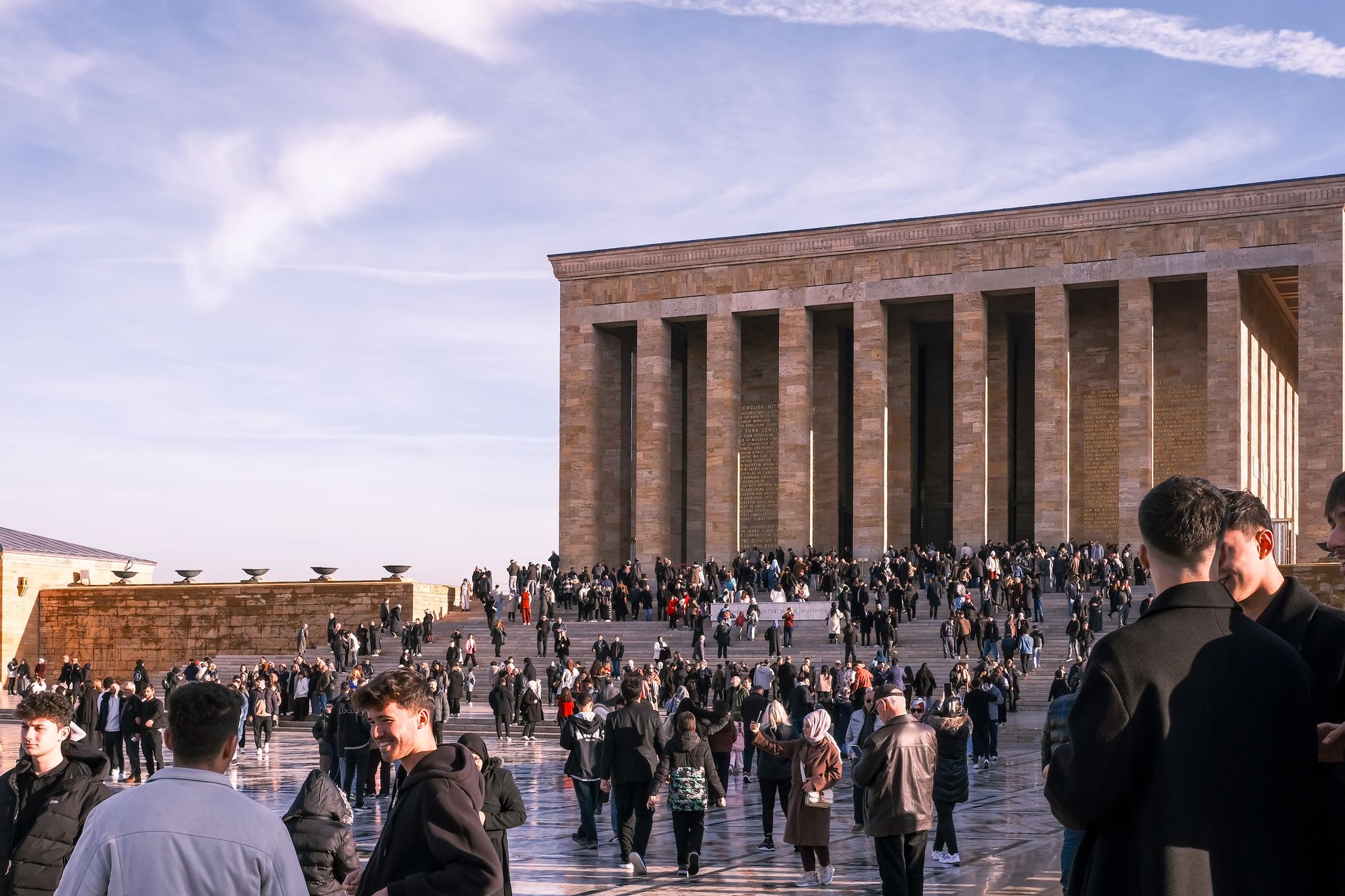
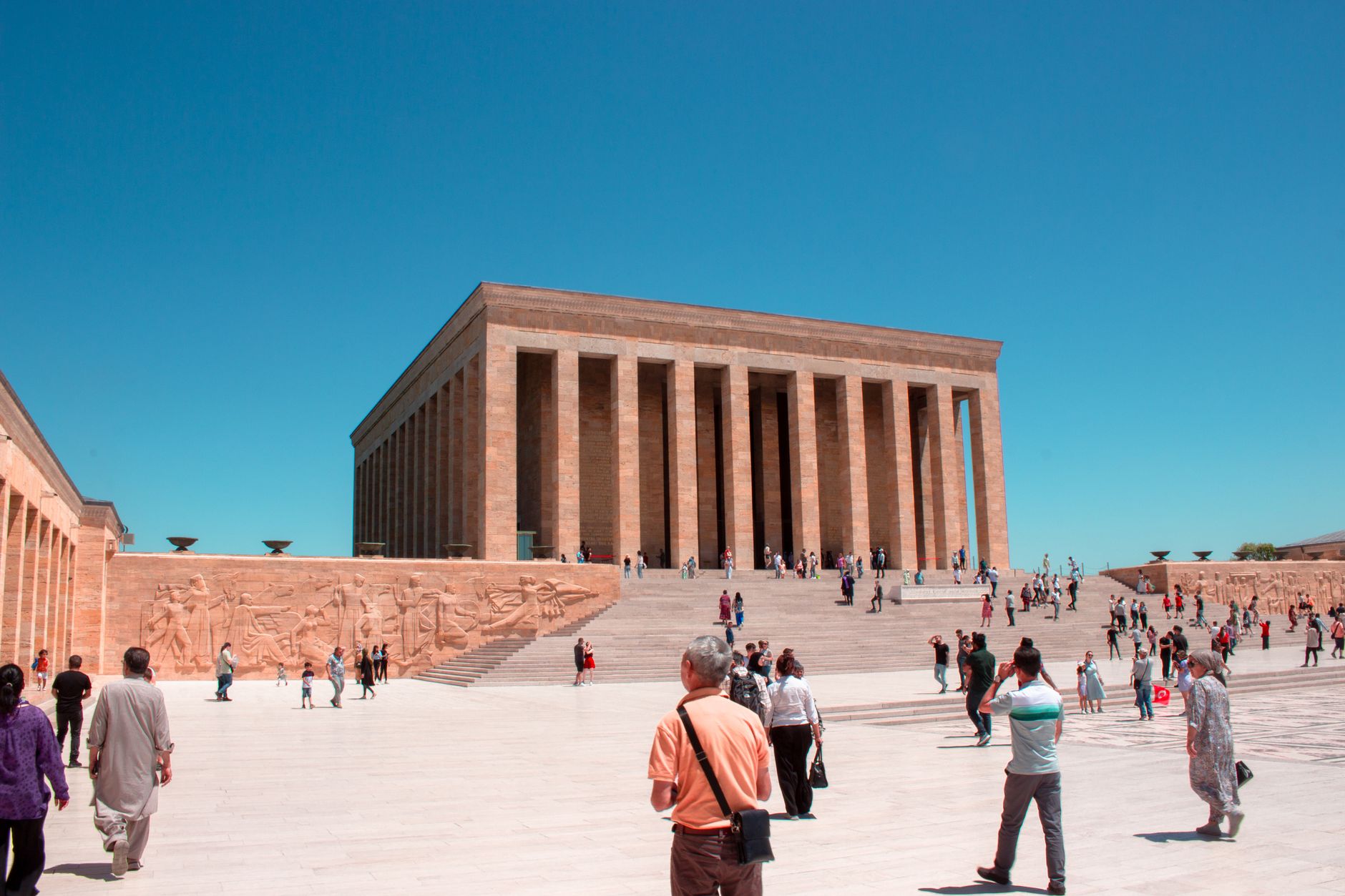
Ankara earns its place on the map through sheer accumulation — layer on layer of civilisation pressed into a single Anatolian plateau city. The Column of Julian has been standing here since 362 AD; the Museum of Anatolian Civilizations sits inside a 15th-century covered bazaar and holds objects from cultures that predate the Roman Empire by millennia. This is a capital city that was, within living memory of its founding, a provincial town of 35,000 people.
What you get now is a city of wide boulevards and hilltop monuments, shaped in part by a German master plan and driven by the deliberate will of a new republic. It rewards slow walking and a willingness to look past the governmental grey.
💛 What travellers fall for
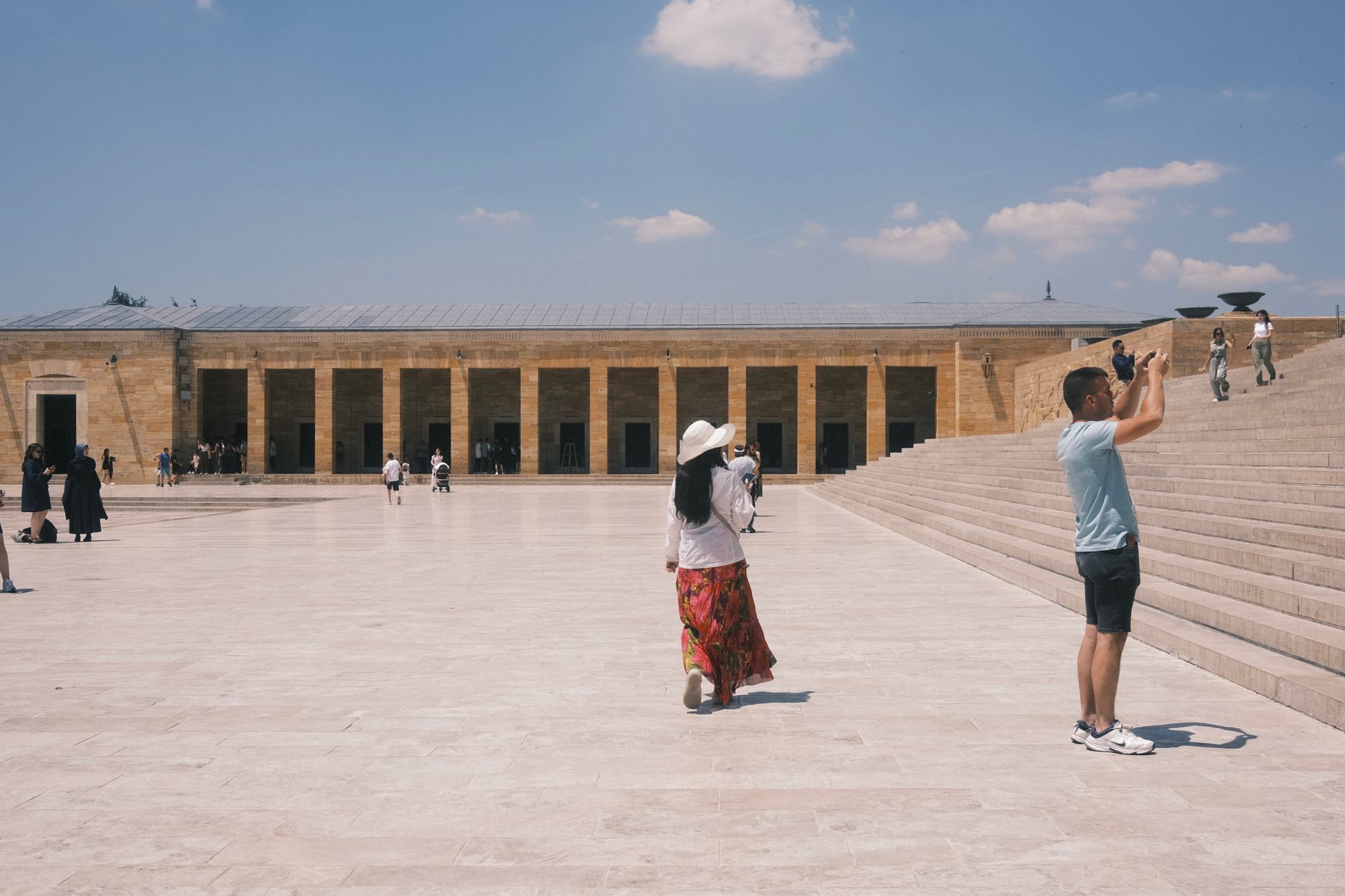
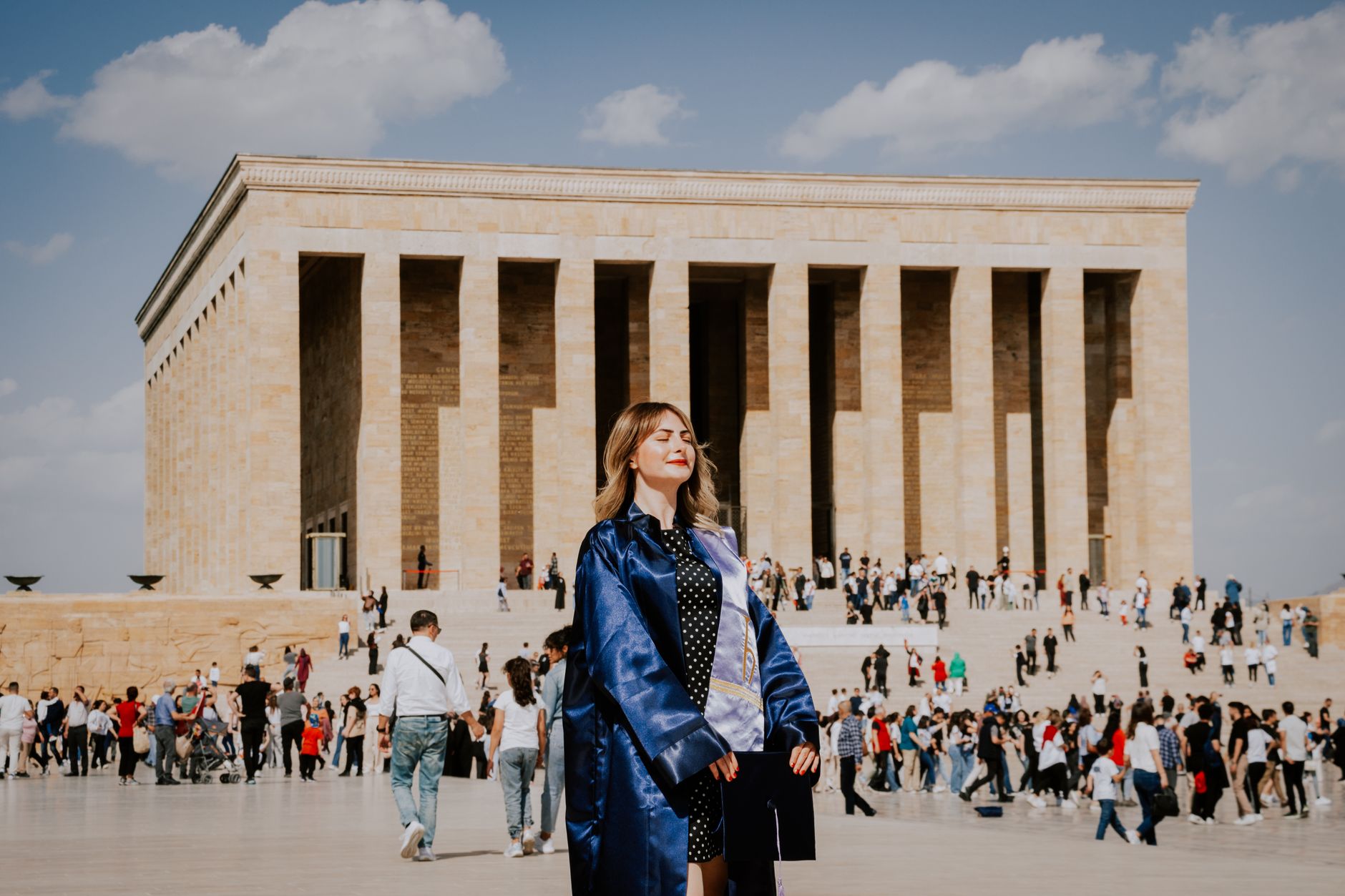
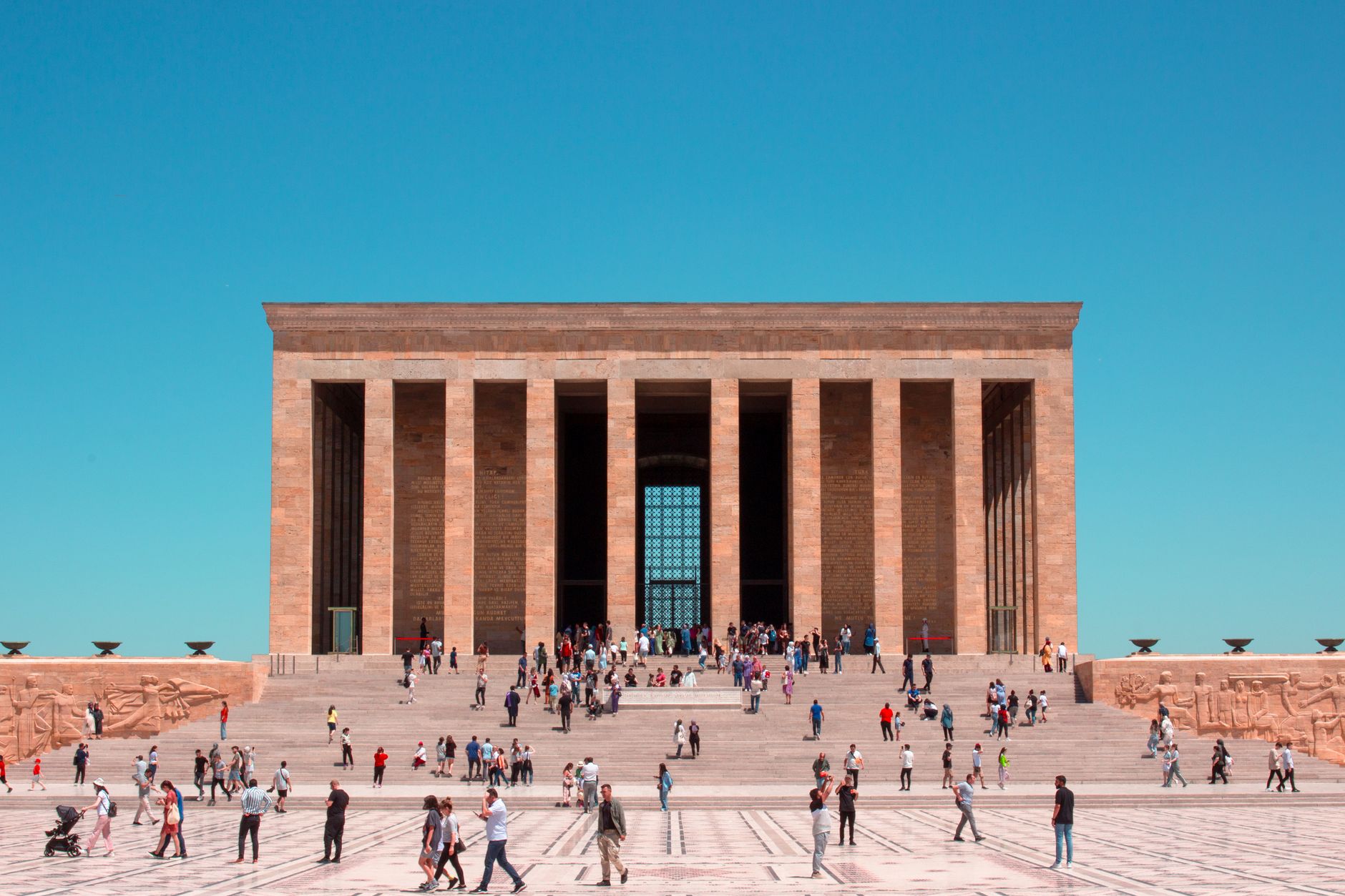
People who come back tend to make straight for the old quarter around Ankara Castle — the Aslanhane Mosque, the Roman Baths, the castle walls themselves. The Çengelhan Rahmi M. Koç Museum in a 1523 Ottoman caravanserai is reliably good for an afternoon. Anıtkabir at dusk, when the crowds thin, is a different experience from midday.
How Ankara came to be
The plateau around Ankara has been settled since the Bronze Age Hatti, but the city took real shape under the Phrygians around 1000 BC, swelled by refugees from Gordion after an earthquake. Its Greek name, Ánkyra — anchor — carried into the Turkish form used today. In 278 BC the Galatians, Celtic-speaking migrants from Europe, made it a tribal headquarters; then came Rome, Byzantium, the Seljuks under Sultan Alparslan in 1073, and finally the Ottomans from the 14th century onward.
The decisive break came on October 13, 1923, when Mustafa Kemal Atatürk proclaimed it capital of the new Turkish Republic. A German architect, Hermann Jansen, drew up the master plan: broad avenues, parks, the Yenişehir district. By 1950 the population had grown from a few tens of thousands to nearly 300,000.
Who and what shaped it
People who shaped it
Landmark buildings
See Ankara in motion
Plan your visit
On the map
When to go
Ankara sits at around 850 metres elevation and has a continental climate — hot, dry summers that push well above 30°C and cold winters with regular snowfall. Spring and autumn, roughly April–May and September–October, give the most comfortable conditions for walking the city.
Right now
Background & history adapted from Wikipedia (CC BY-SA) · specs from Wikidata (CC0) · weather from Open-Meteo · map data © OpenStreetMap contributors · photos from Wikimedia Commons / Unsplash with per-image credit. No third-party reviews or social posts reproduced.