
An Thoi
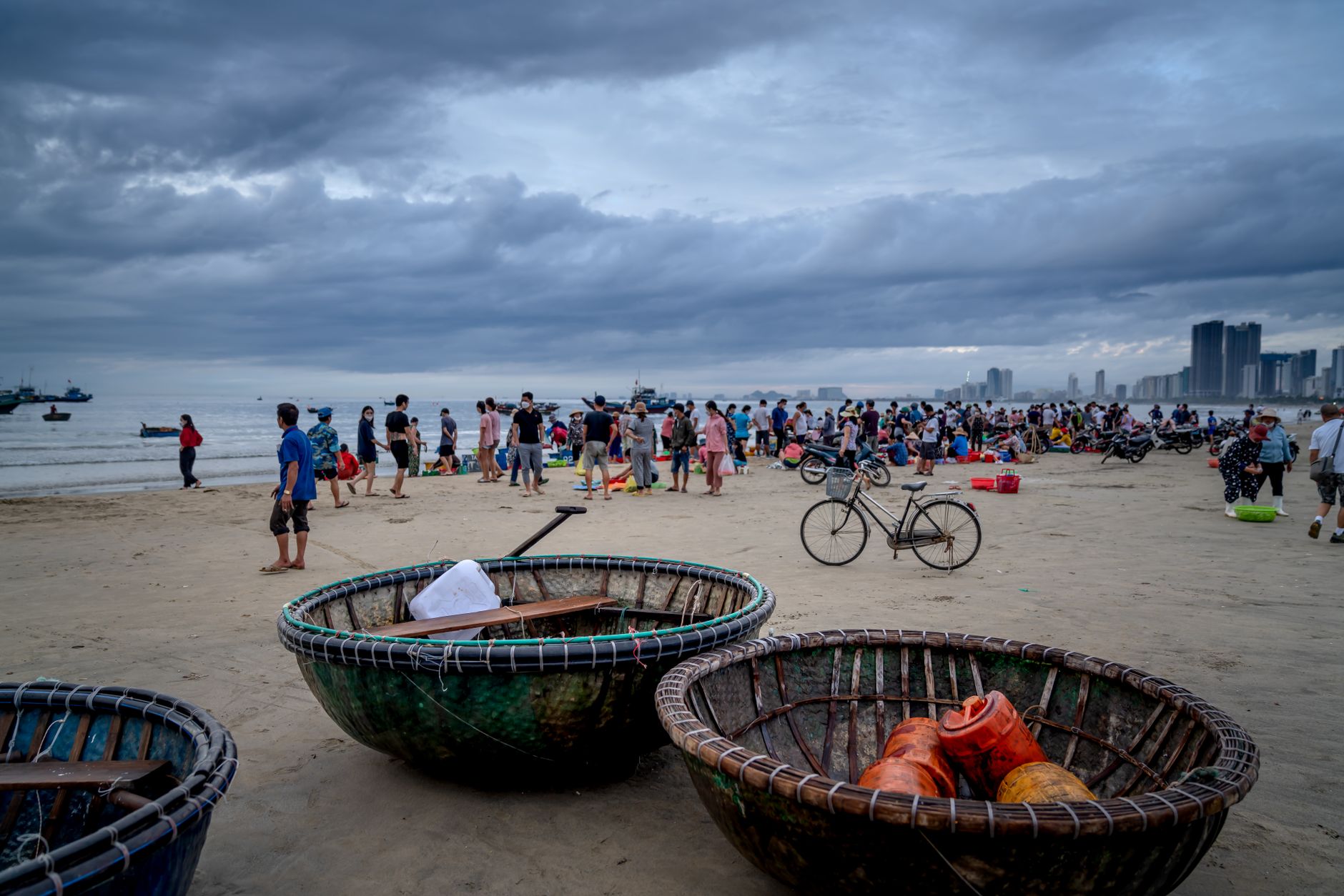
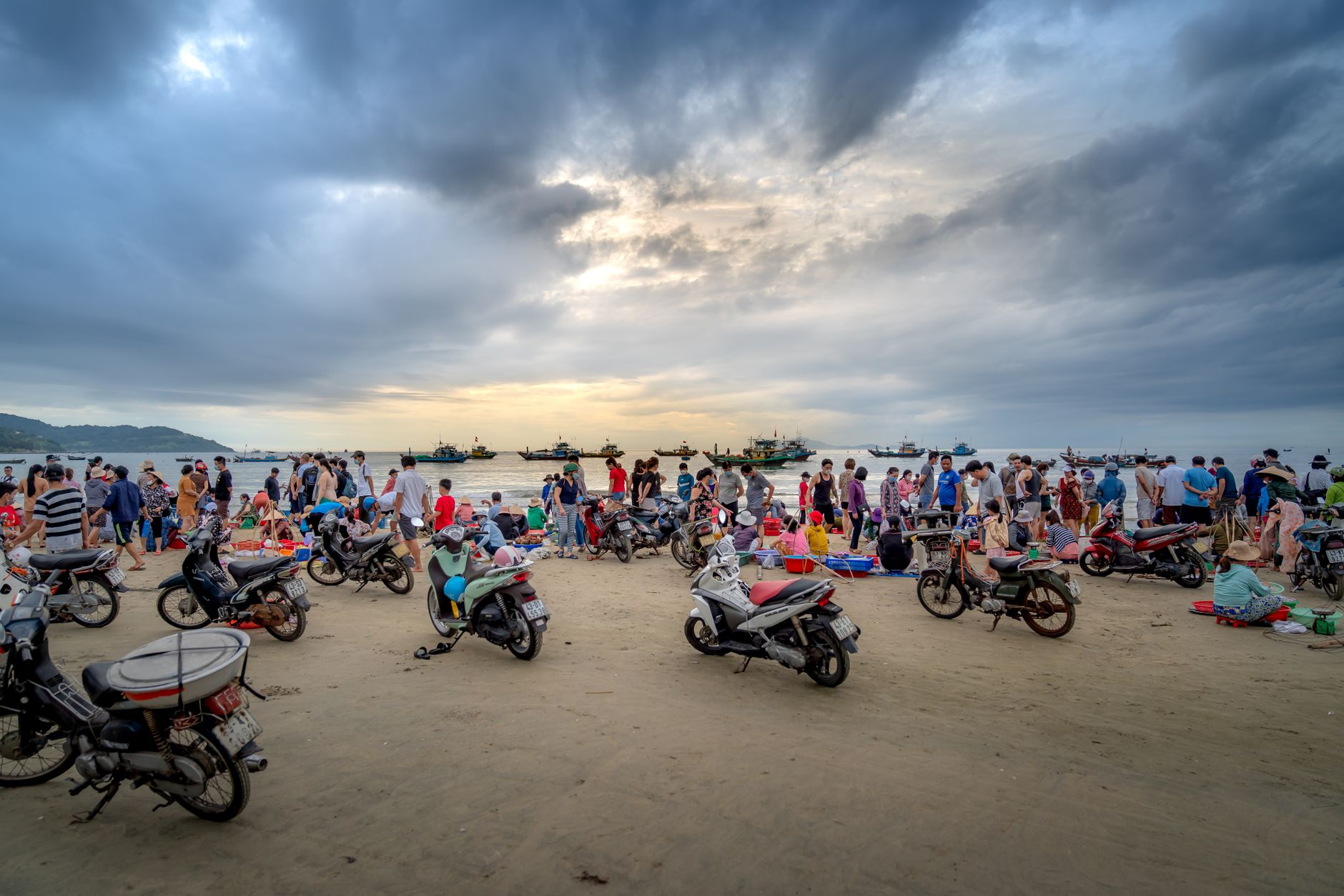
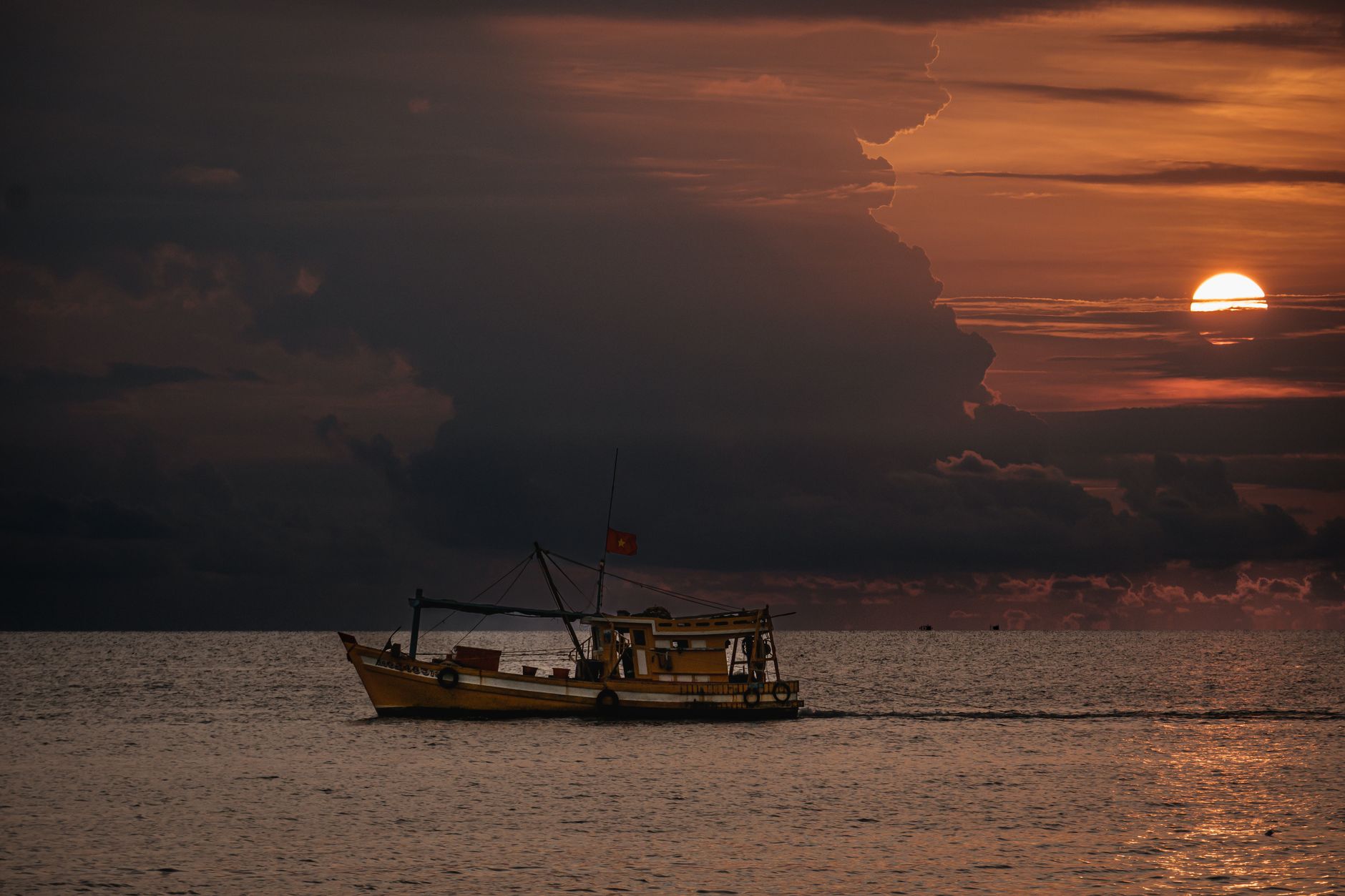
At the southern tip of Phu Quoc, An Thoi wakes up before dawn. By 4 AM the harbour is already loud with the business of unloading — anchovy, tuna, barracuda, mackerel moving from net to crate to the hands of traders who've been doing this for years. The fish-sauce smell drifts over everything, a reminder that this town has a working life quite apart from the resort island to its north.
An Thoi carries more history than its modest size suggests. A prison that once held thousands of wartime detainees now stands as a national museum. A cable car stretches nearly eight kilometres over open sea to a cluster of offshore islands. The port handles hundreds of thousands of tonnes of cargo a year, and in 2025 was reshaped to serve the logistics of APEC 2027. It is a place where the functional and the remarkable sit close together.
💛 What travellers fall for
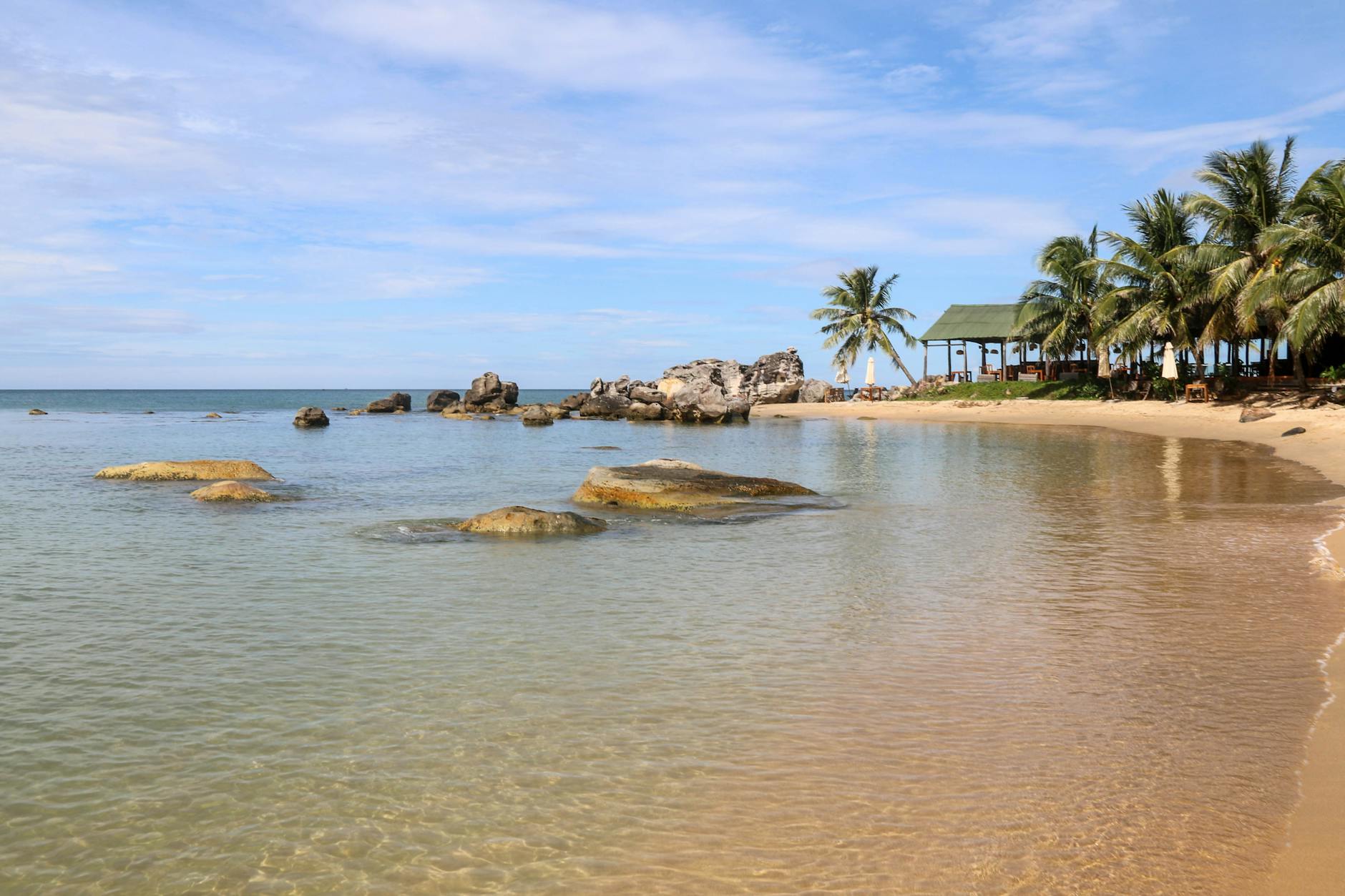
People who come back tend to set an alarm for 4 AM at least once. The harbour at that hour — boats low in the water, traders calling prices over the noise of engines, the chance to buy directly off the vessel — is the part of An Thoi that doesn't photograph easily but stays with you. Sao Beach in the early morning, before the cable-car crowds arrive, is the other consistent recommendation.
Deals in An Thoi
Book directly at the providerHow An Thoi came to be
The French colonial administration built what became known as Coconut Tree Prison here between 1949 and 1950, covering 40,000 square metres of the island's southern end. During the Vietnam War it held Viet Cong and North Vietnamese prisoners of war; in early 1968, at the height of the Tet Offensive, 2,665 of those prisoners broke through the fenceline and escaped. The prison closed in April 1975 after the Fall of Saigon and is now a museum designated as a special historical relic of national significance.
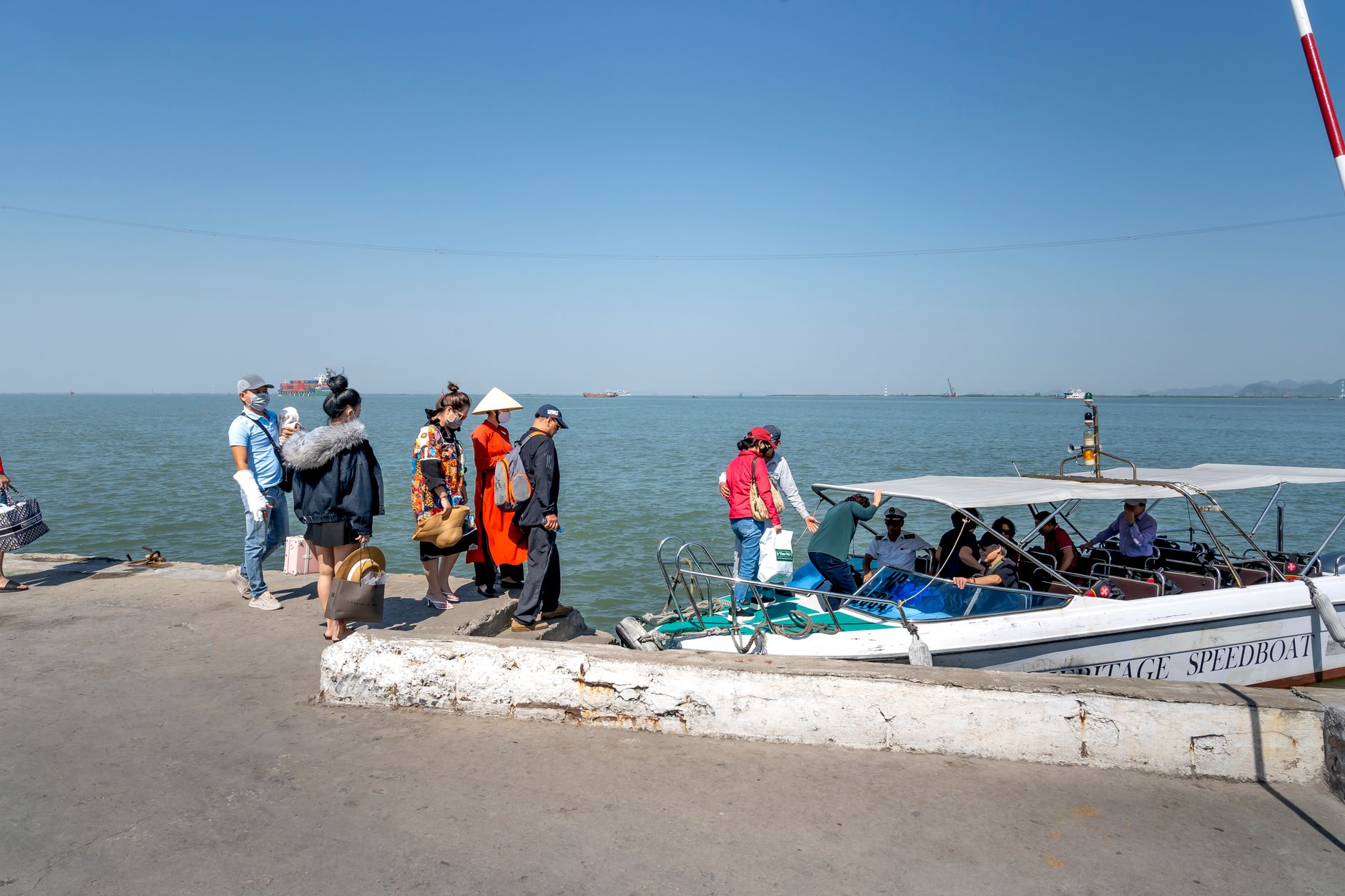
The port came later and changed the town's character again. An Thoi Harbour, established in 2008 and completed in 2012, was formally designated an international port by Prime Minister's decision in May 2010. It now moves up to 700,000 tonnes of cargo and 360,000 passengers a year, with a 2025 restructuring positioning it for the demands of APEC 2027.
Who and what shaped it
Landmark buildings
See An Thoi in motion
Plan your visit
On the map
When to go
November through April is the dry season — warm, sunny, with temperatures sitting mostly between 27°C and 28°C, climbing toward 35°C in late April. The southwest monsoon brings heavy rain from May to October, with August seeing up to 545 millimetres; during those months, Sao Beach and Khem Beach on the east coast remain relatively sheltered and swimmable.
Right now
Background & history adapted from Wikipedia (CC BY-SA) · specs from Wikidata (CC0) · weather from Open-Meteo · map data © OpenStreetMap contributors · photos from Wikimedia Commons / Unsplash with per-image credit. No third-party reviews or social posts reproduced.