
AlUla
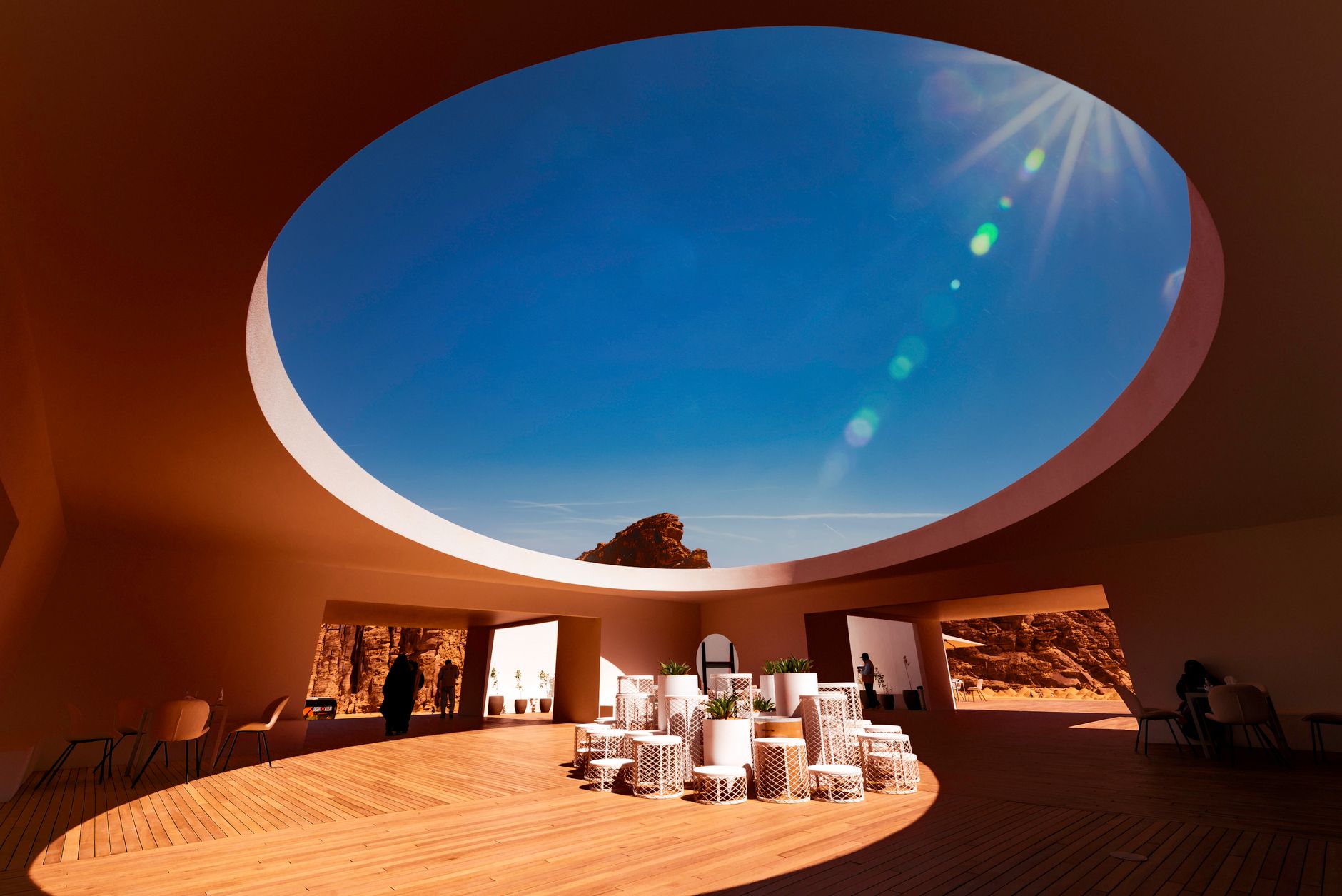
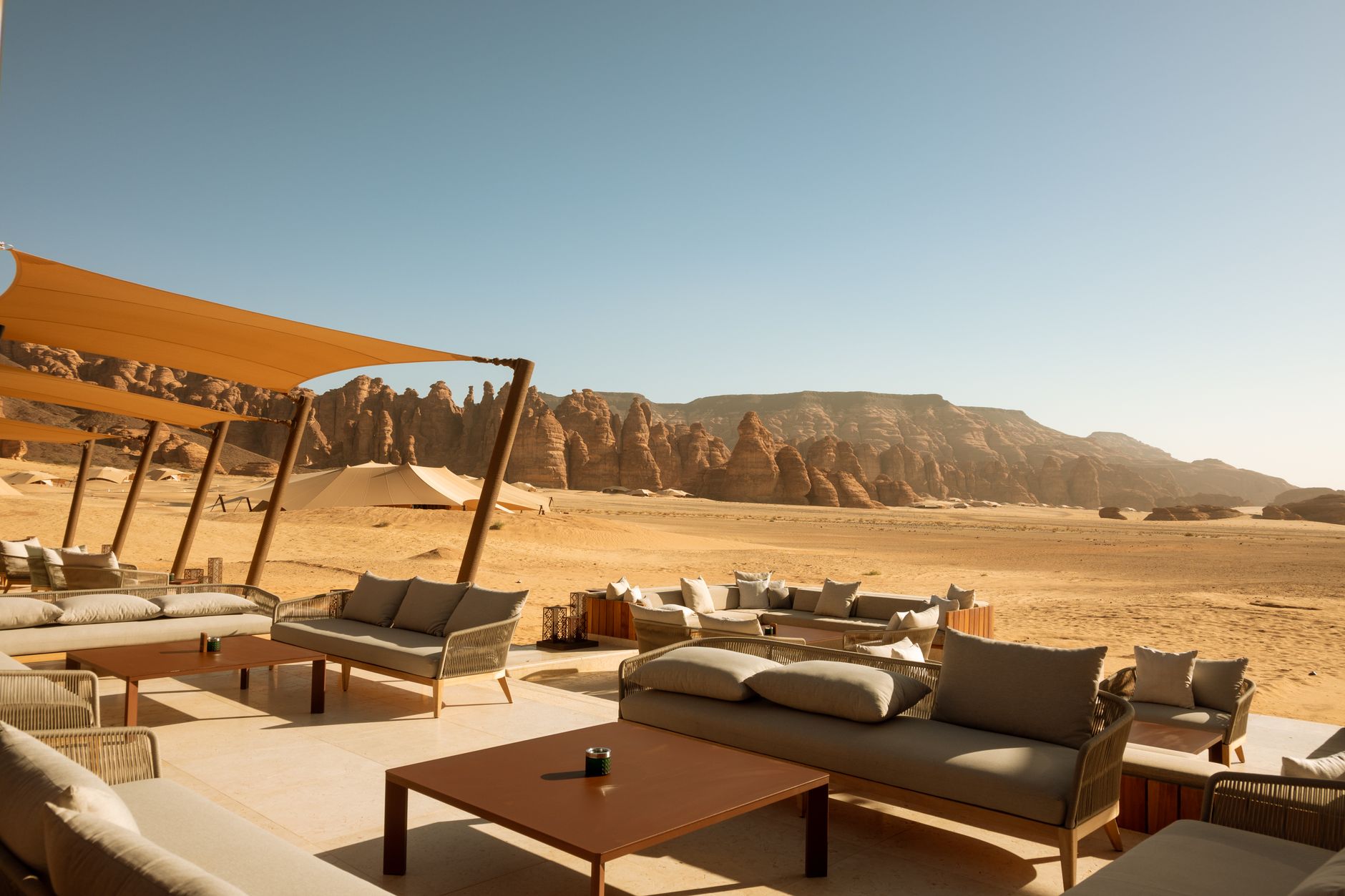
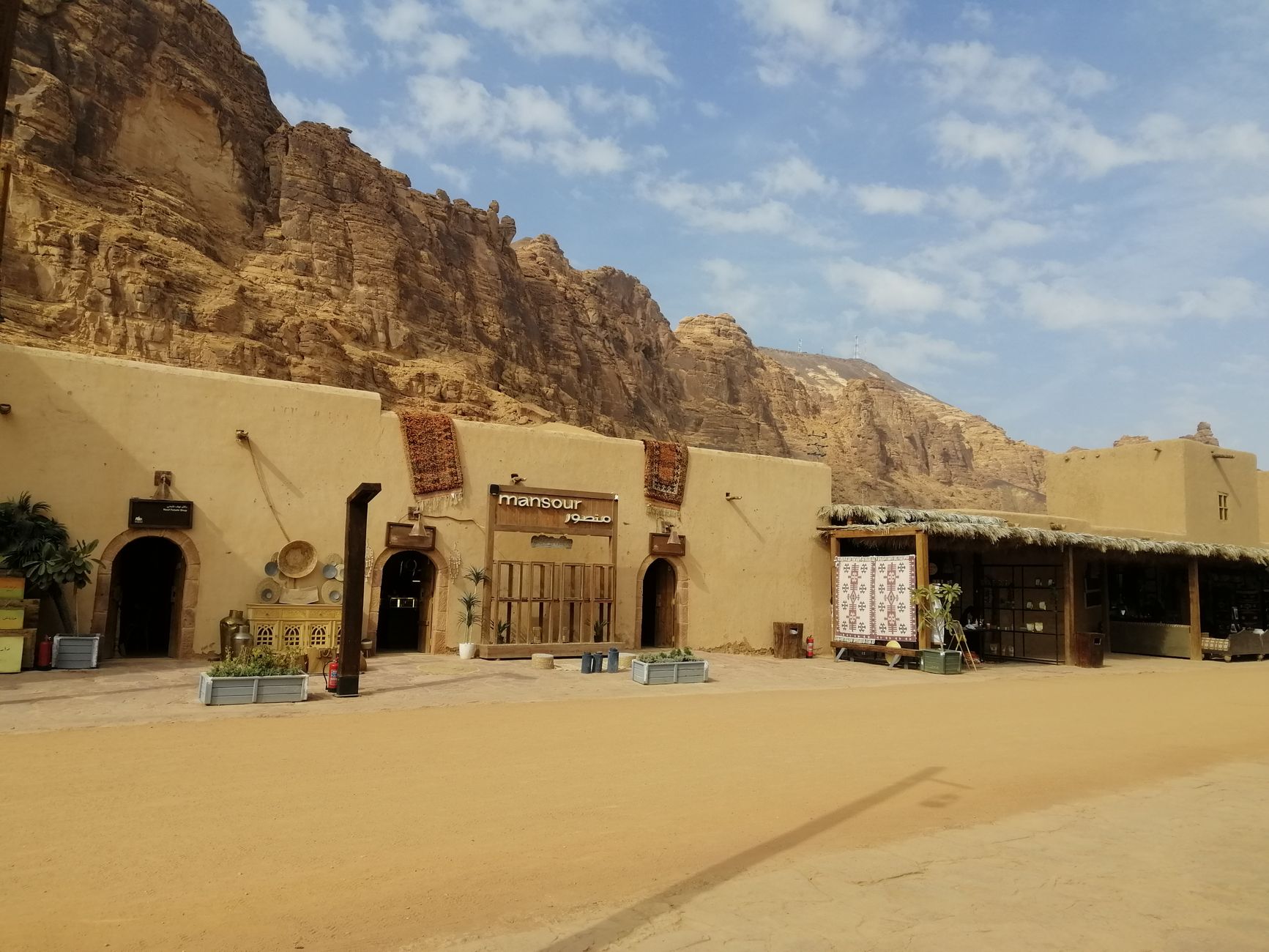
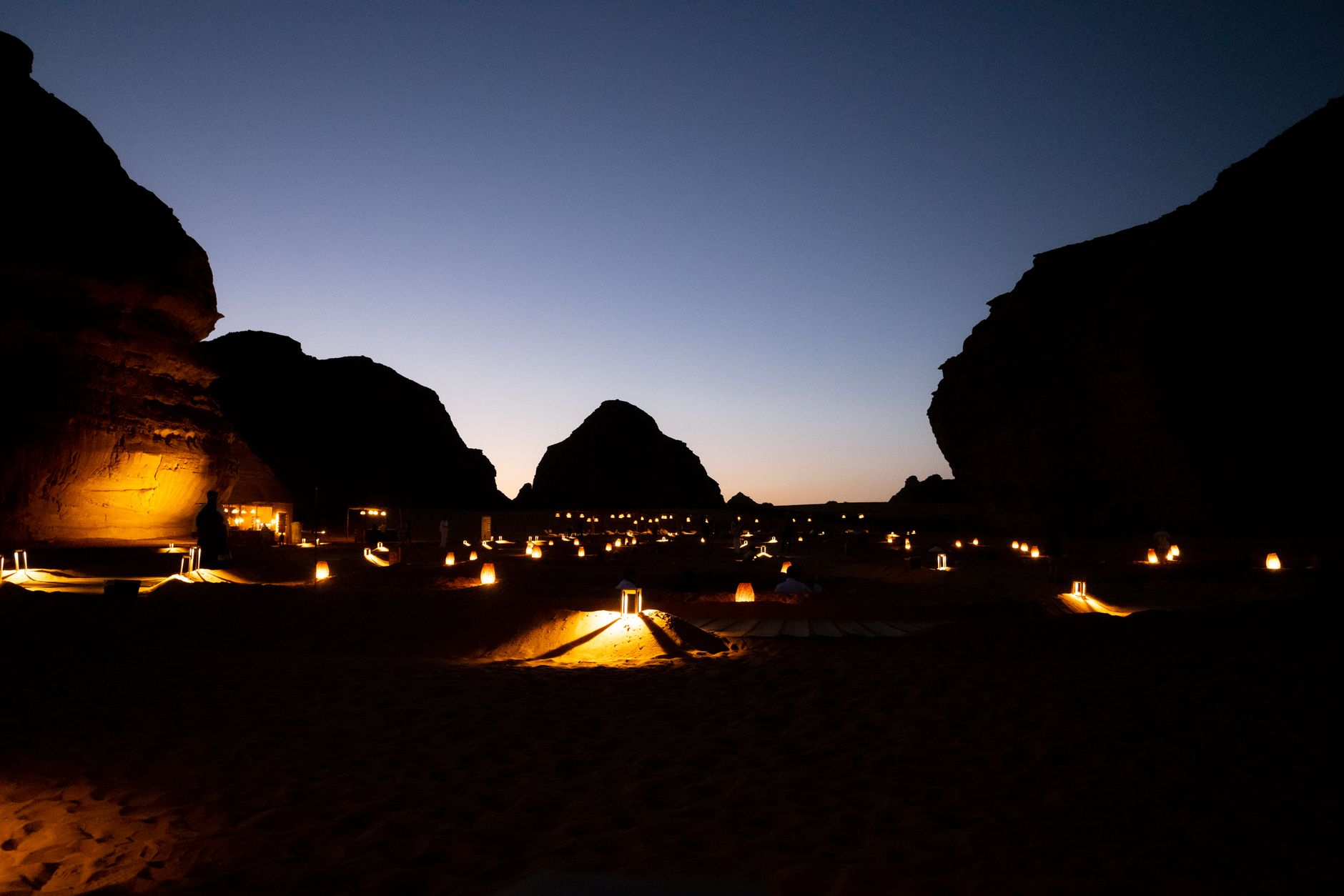
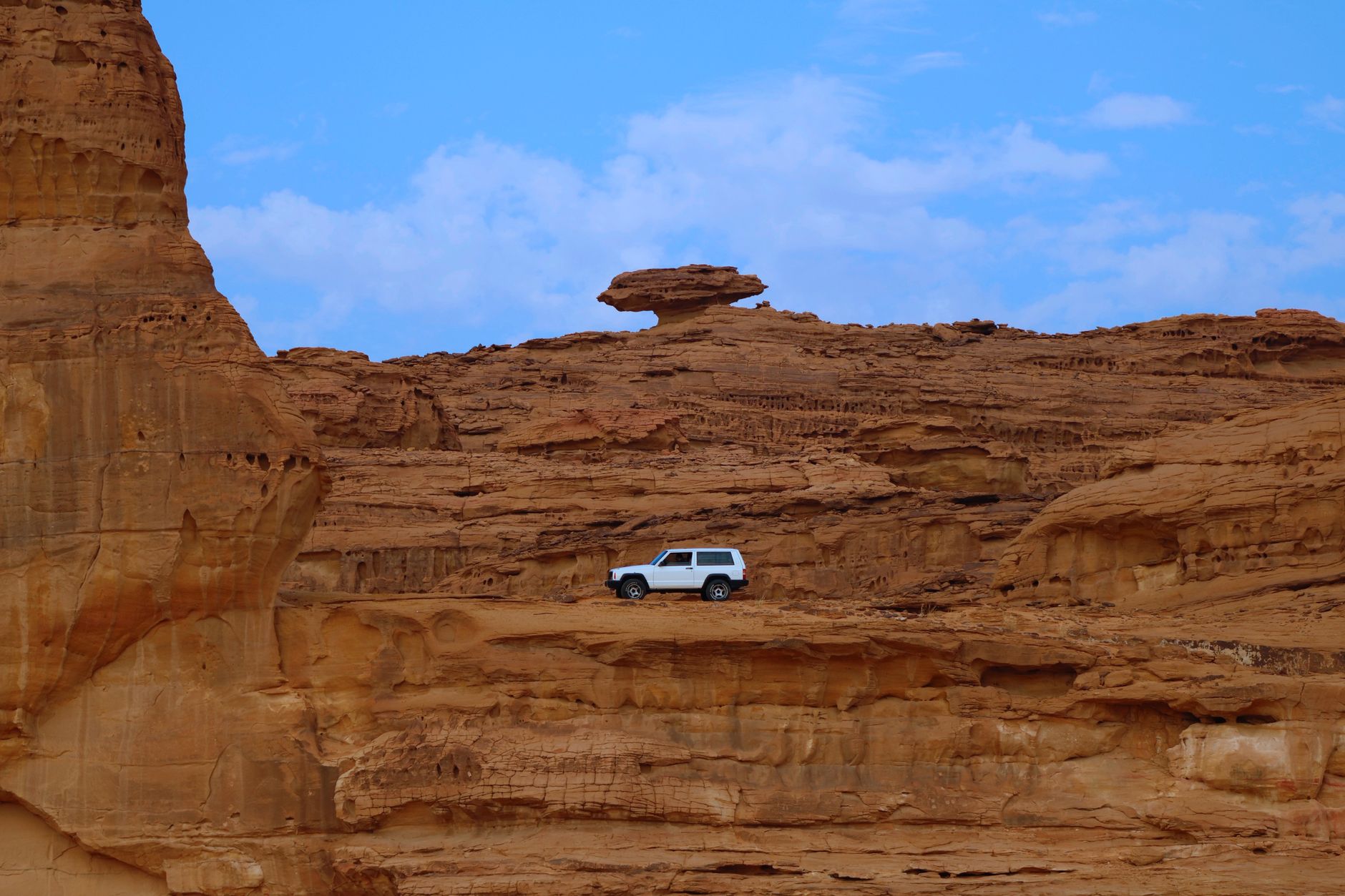
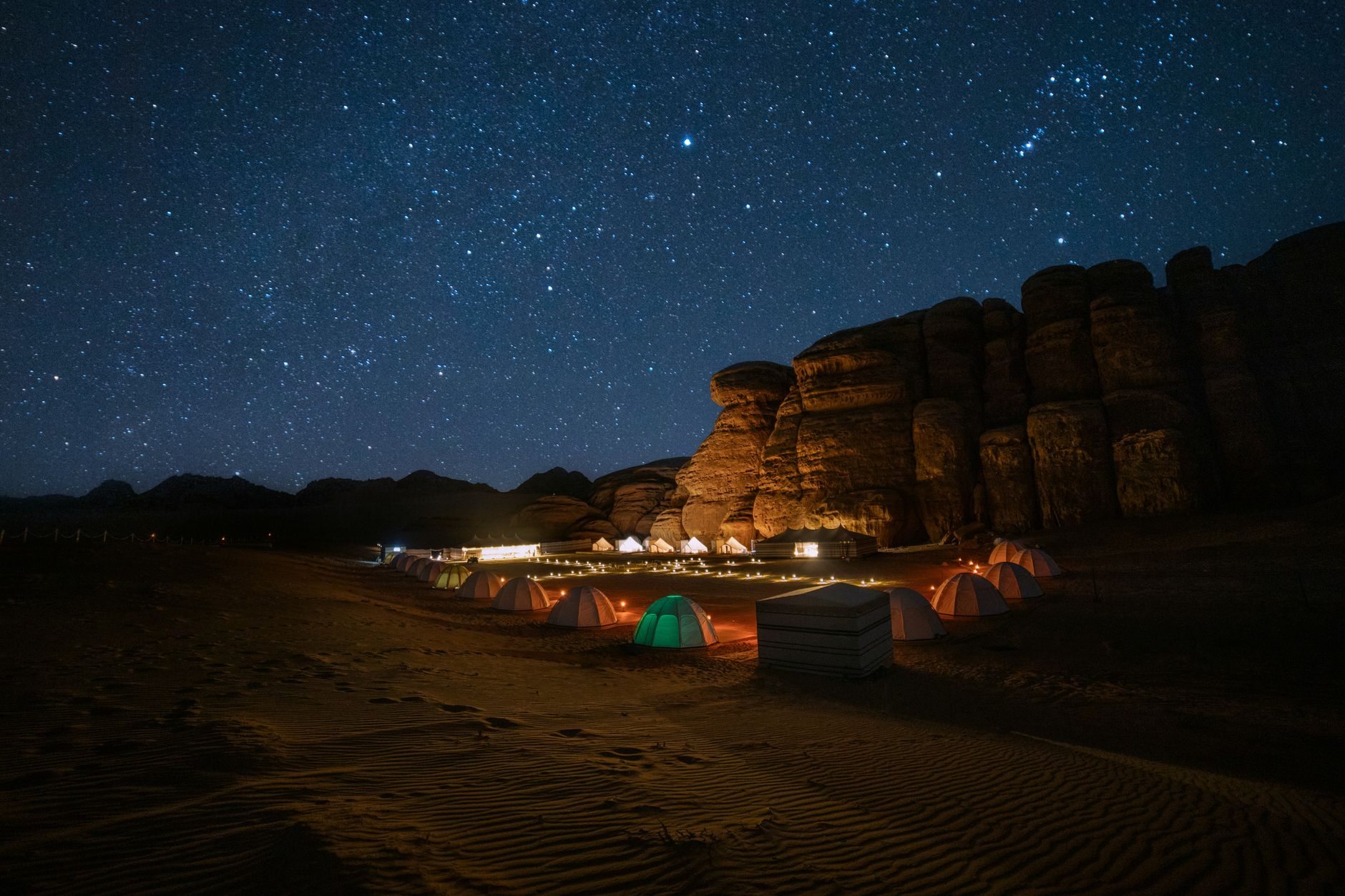
AlUla is a valley in northwest Saudi Arabia where the rock does most of the talking. Sandstone cliffs rise in formations that took millennia to carve by wind and water, and cut into many of them — by human hands, not nature — are the monumental tomb facades of Hegra, the Nabataean city that became Saudi Arabia's first UNESCO World Heritage Site. The scale of the place takes a moment to absorb: you are standing in a landscape that has been continuously settled, traded through, and written on since at least the 9th century BCE.
In recent years AlUla has opened itself to visitors with unusual seriousness, commissioning architects like Jean Nouvel and Lina Ghotmeh to design new cultural buildings that respond to the geology rather than ignore it. The old mud-brick town, the canyon of ancient inscriptions at Jabal Ikmah, and the mirror-clad concert hall called Maraya all sit within the same valley — within reach of each other, but each entirely its own thing.
How AlUla came to be
The valley has been inhabited since at least the late 9th century BCE, when Dadan served as capital of the Dedanite kingdom. The Lihyanites followed, holding the region for roughly four centuries until around 100 BCE, when the Nabataeans arrived and established Hegra as the southernmost city of their kingdom. Rome absorbed the region in 106 CE as part of Arabia Petraea. Through the medieval period AlUla held its importance as a waypoint on the incense trade routes running north toward the Levant.
In the 13th century, inhabitants quarried stones from those much older Dedanite and Lihyanite ruins to build what is now the Old Town — more than 900 mudbrick houses arranged around a castle that dates to the 10th century. The modern chapter opened in July 2017, when a royal decree established the Royal Commission for AlUla, and the Journey Through Time master plan followed in April 2021.
Who and what shaped it
People who shaped it
Landmark buildings
See AlUla in motion
Plan your visit
On the map
When to go
Winter, roughly November through February, is the window most visitors aim for — days are clear and mild, nights genuinely cold in the desert way. Summer temperatures climb well above 40°C and make extended outdoor exploration difficult.
Right now
Background & history adapted from Wikipedia (CC BY-SA) · specs from Wikidata (CC0) · weather from Open-Meteo · map data © OpenStreetMap contributors · photos from Wikimedia Commons / Unsplash with per-image credit. No third-party reviews or social posts reproduced.