
Region

Alsace (Grand Est)

Alsace (Grand Est)
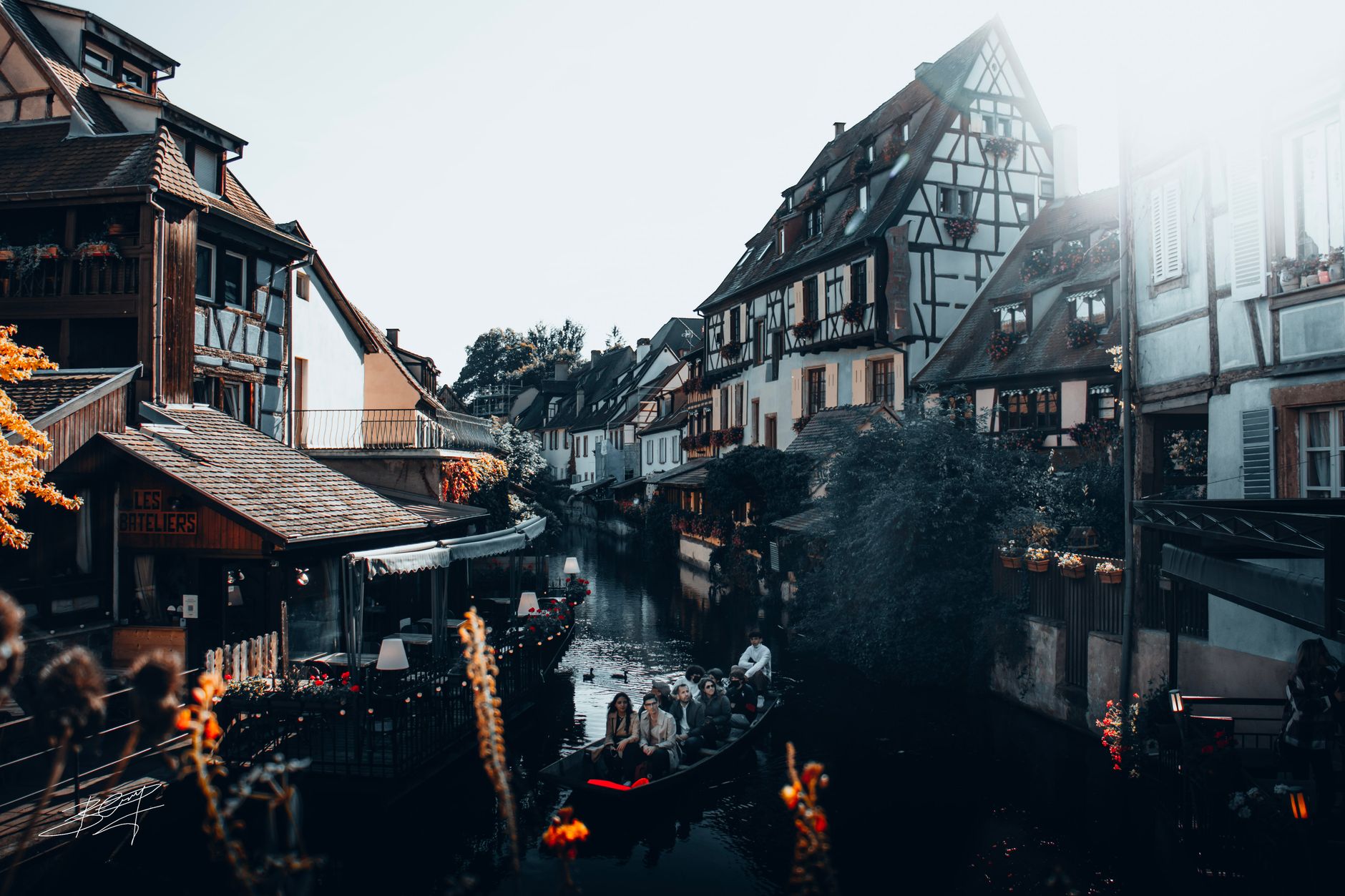
Photo by Esmir Bilali on Pexels
Alsace (Grand Est)
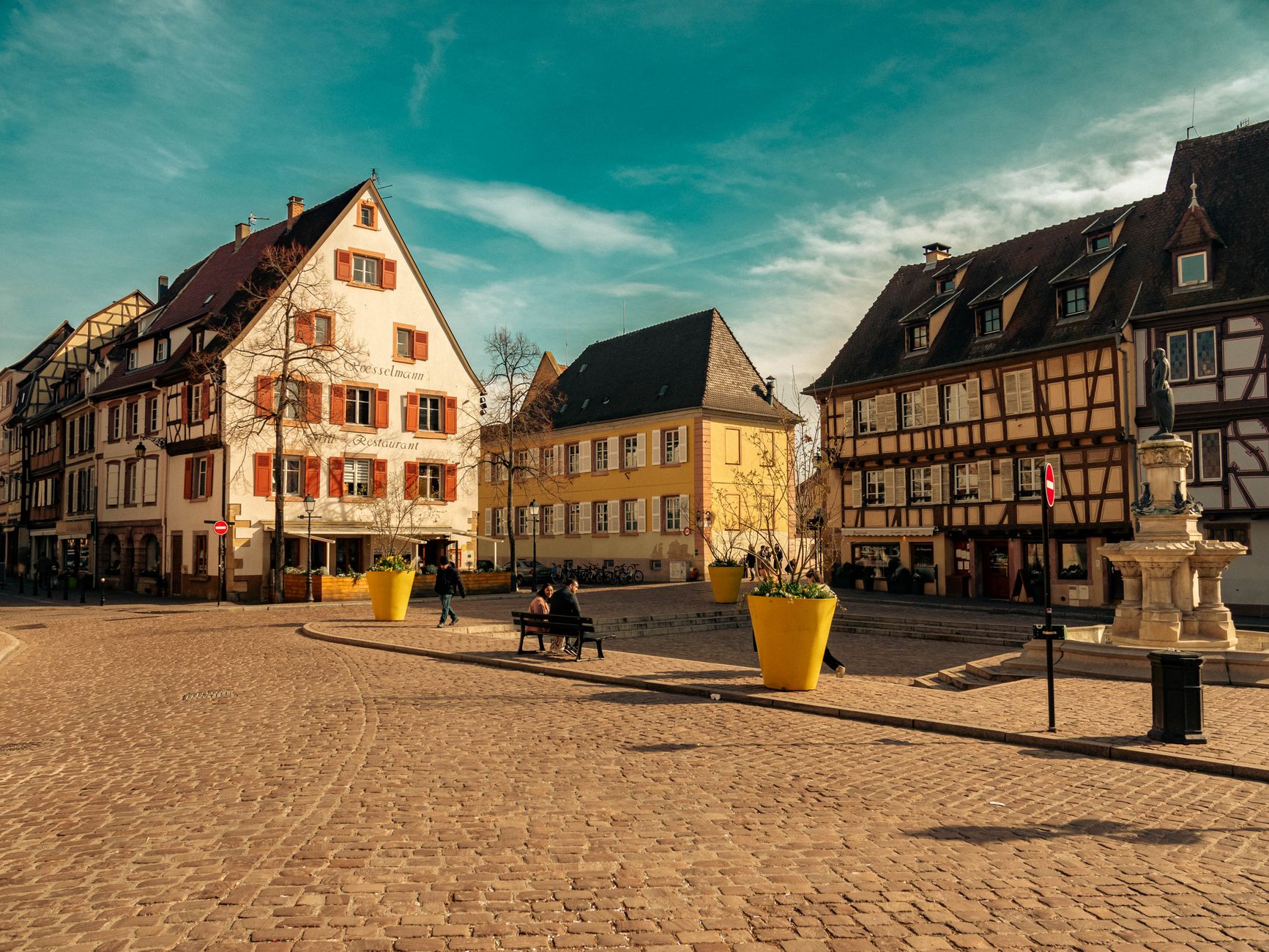
Photo by Bogdan Giurca on Pexels
Alsace (Grand Est)
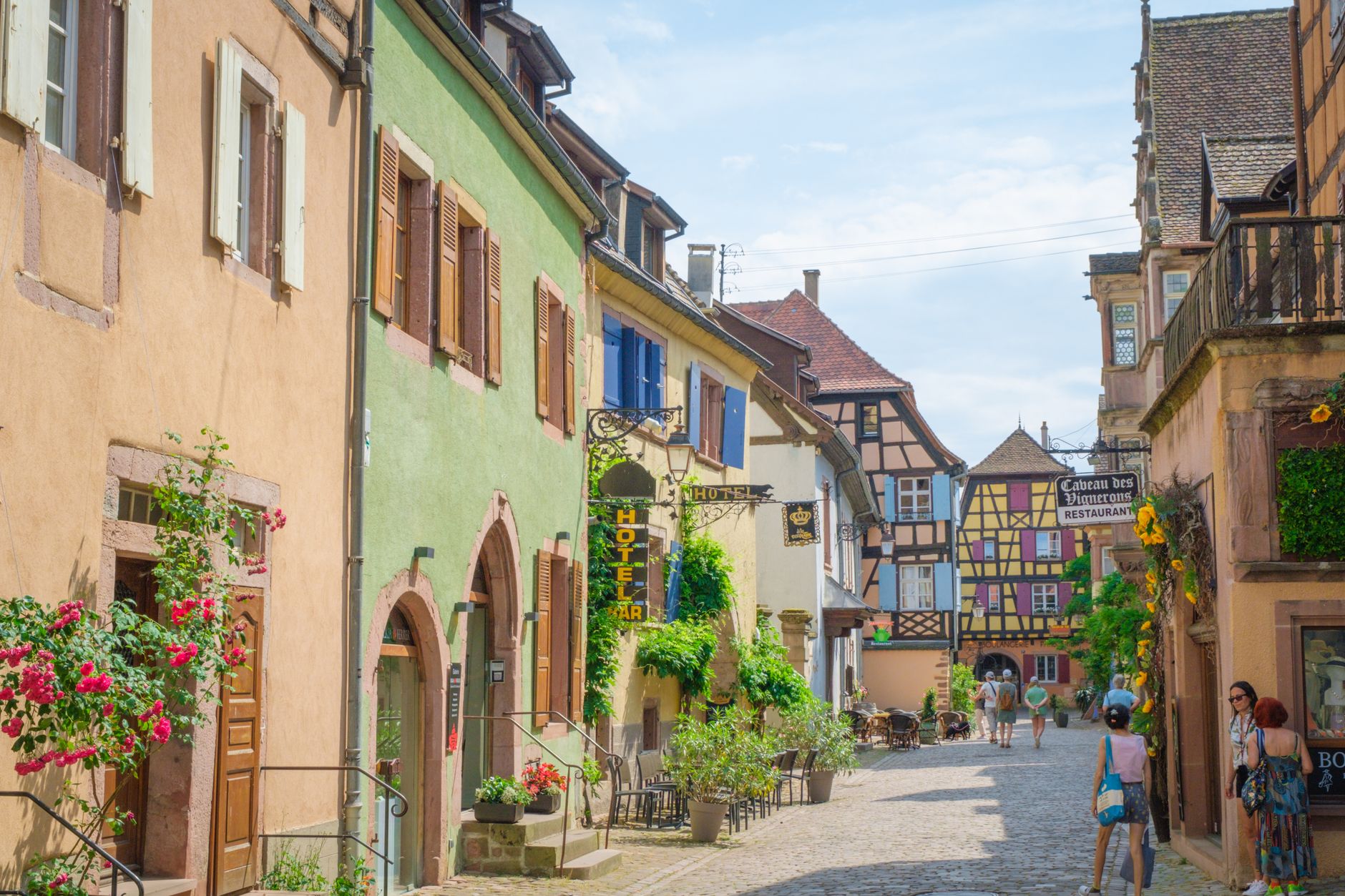
Photo by Irina Nesterenko on Pexels
Alsace (Grand Est)
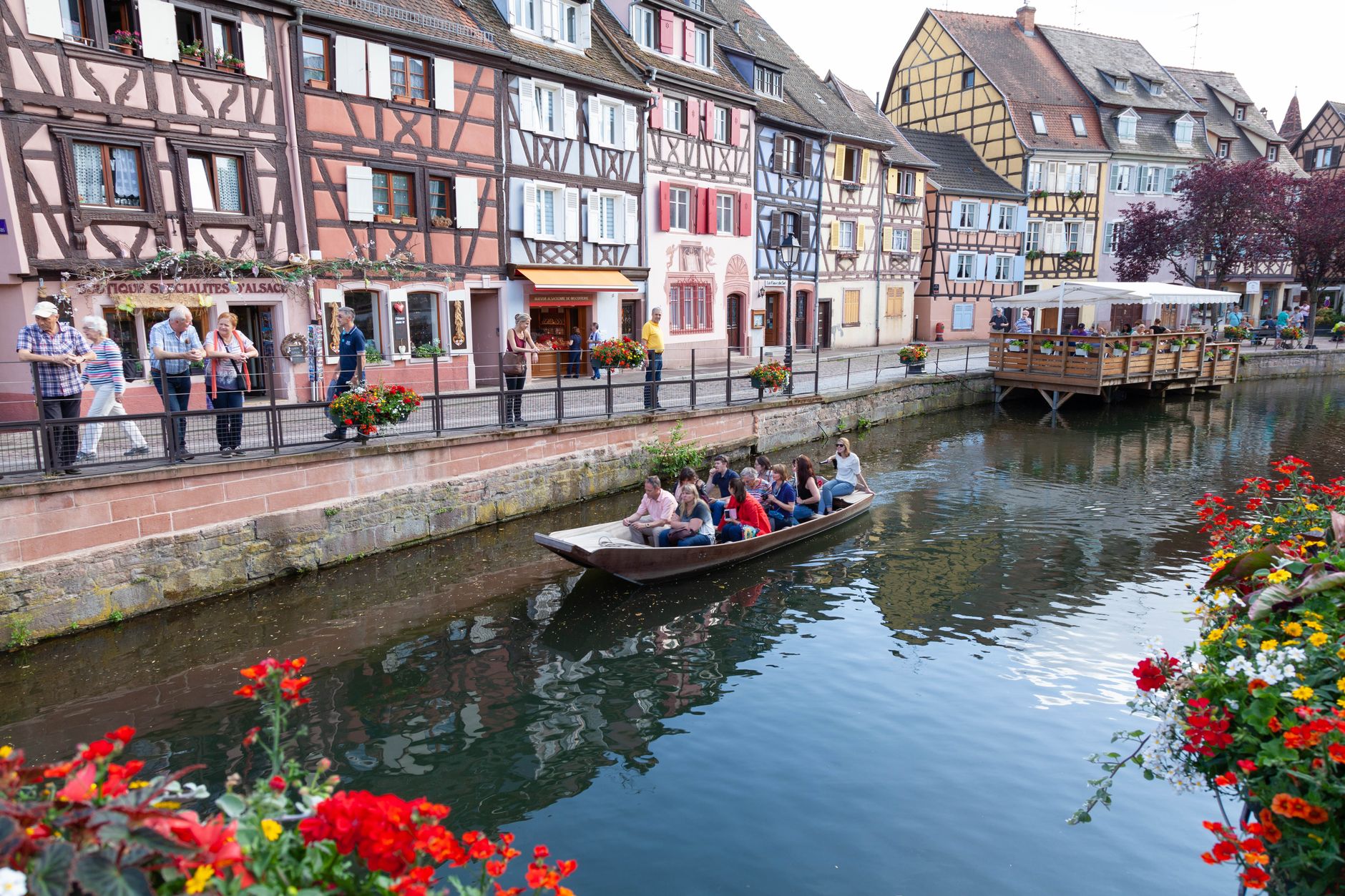
Photo by PHILIPPE SERRAND on Pexels
Alsace (Grand Est)
Photo by Magda Ehlers on Pexels
Alsace (Grand Est)
Photo by patrice schoefolt on Pexels

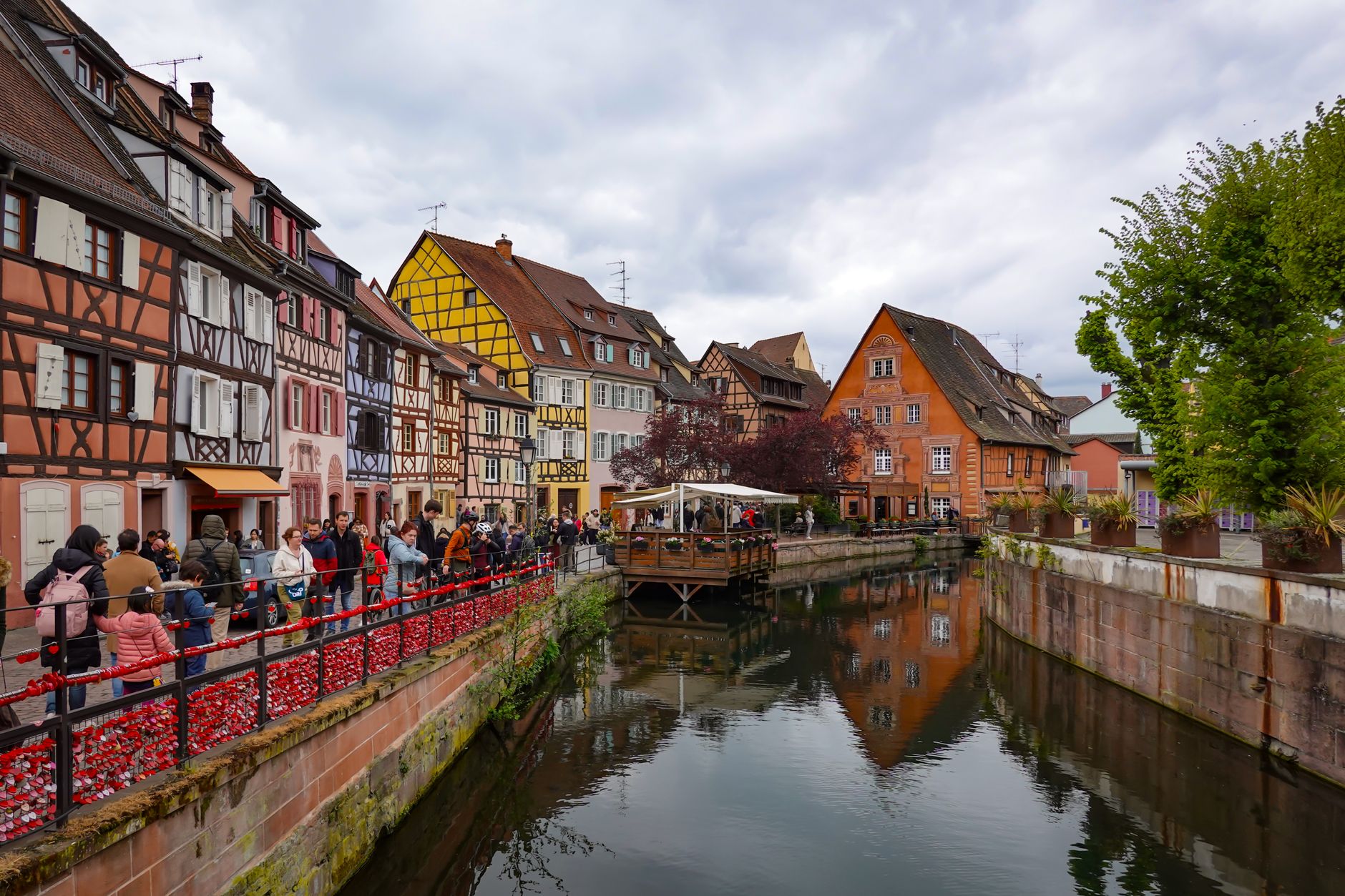
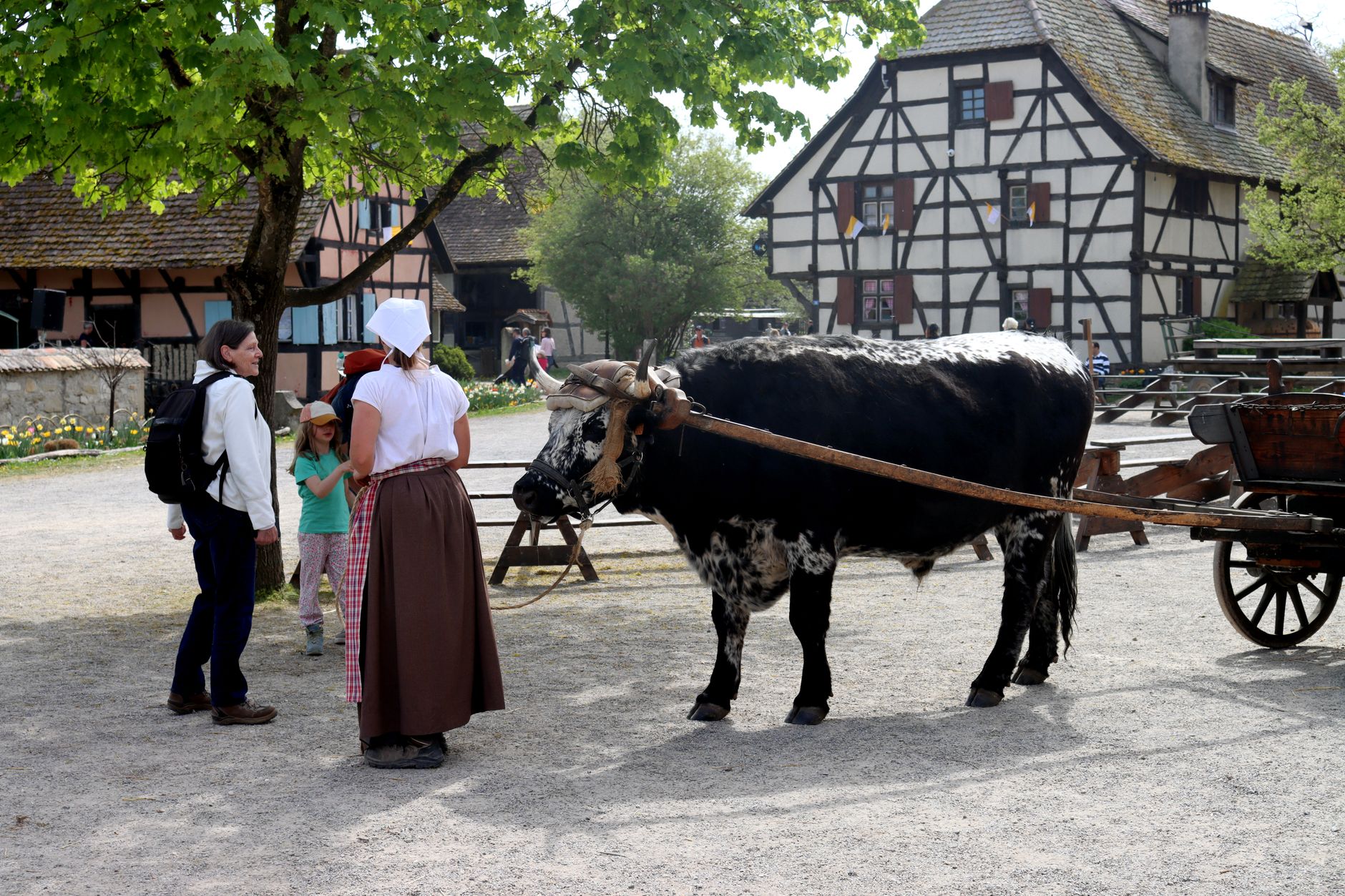
Alsace runs as a narrow strip between the Rhine and the Vosges mountains, and almost everything about it reflects that geography — a place squeezed between two worlds, French in its cooking and German in its half-timbered villages, Lutheran in its church spires and Catholic in its roadside shrines. The wine route south from Strasbourg to Colmar passes through a sequence of small towns — Kaysersberg, Riquewihr, Ribeauvillé — where the architecture has barely shifted in four centuries.

Strasbourg is the obvious entry point and worth more than a day: the cathedral's sandstone turns amber at dusk, and the canal quarter of Petite France rewards an early morning before the crowds arrive. But Alsace earns its keep outside the cities too, in vineyards, convent hilltops, and villages where the local Riesling comes from producers you won't find elsewhere.

Good to know
Strasbourg has a high-speed rail connection to Paris (about 1h45) and sits close to Basel and Frankfurt airports. The wine route is best driven or cycled. Late spring and early autumn offer the best balance of weather and manageable crowds; December's Christmas markets draw large numbers to Strasbourg and Colmar.
The story

How Alsace (Grand Est) came to be

Celtic tribes founded Argentorate — the city that would become Strasbourg — in the 3rd century BC. Rome arrived in 58 BC, planted vines, and the region's most enduring industry began. After the fall of Rome, Alsace passed into the Frankish kingdom; under the Hohenstaufen emperors of the 12th and 13th centuries it reached a kind of medieval peak, with Strasbourg winning the status of free imperial city. Frederick Barbarossa called it "the dearest of our family possessions."

The Thirty Years' War (1618–1648) left Alsace as a central battleground, and by its end the Habsburgs had sold Upper Alsace to France for 1.2 million thalers. What followed was a cycle of annexations that shaped Alsatian identity more than anything else: French until 1871, German until 1919, German again from 1940 to 1945, and French ever since — though a 2026 bill to separate Alsace from the broader Grand Est administrative region suggests the question of distinctiveness is never quite settled.

People & landmarks

Who and what shaped it

People who shaped it

Rouget de Lisle
Composed 'La Marseillaise' in Strasbourg in 1792, first performed before the mayor.
Frédéric Auguste Bartholdi
Alsatian sculptor (1834–1904) who designed the Statue of Liberty.
Albert Schweitzer
Nobel Peace Prize philosopher from Alsace.
Jean-Marie Lehn
Nobel Prize-winning chemist from Alsace.
Erwin von Steinbach
German architect credited with major planning contributions to Strasbourg Cathedral in the 13th century.
Jakob Ammann
Anabaptist preacher (1644–c.1712–1730) and namesake of the Amish movement, born in Alsace.

Landmark buildings

Cathédrale Notre-Dame de Strasbourg
Built 1015–1439, exceptional Gothic architecture; sixth-tallest church in the world with 330 steps to the top.
Maison Kammerzell, Strasbourg
15th–16th century Renaissance house with 65 crown glass windows featuring biblical and mythological scenes.
Petite France, Strasbourg
Canal quarter with half-timbered houses at different levels; world-famous visitor destination.
Maison Pfister, Colmar
Built 1537 for a Besançon hatmaker; lavish residence with frescoes and medallions adorning the façade.
Collegiate Church of St. Martin, Colmar
Built of pink Vosges sandstone; significant Gothic architecture work in Upper Alsace, often called Colmar's 'Cathedral'.
Fortified Bridge of Kaysersberg
Unique military work with crenellated parapet and small oratory; houses 18th-century polychrome statue of Virgin and Child.
Faller-Brief House, Kaysersberg
Built 1594 for cooper Paul Offinger; inscription documents its construction date.
Mont Sainte-Odile
Summit at 767 m housing Hohenbourg Abbey convent buildings since the High Middle Ages.
Temple Saint-Etienne, Mulhouse
Bell tower spire reaches 97 metres, making it the highest Protestant church in France.
Strasbourg Train Station
Built 1883 in Neo-Renaissance style with modern glass elements; 10-minute walk to city centre.
Practical

Plan your visit

On the map

When to go

Summers are warm and often sunny, with the Vosges shielding the plain from Atlantic rain — Colmar is one of the driest cities in France. Winters are cold and can be grey, but snowfall on the higher Vosges and the Christmas-market atmosphere in the towns make December a legitimate season to visit.

Right now

🌦️
23°C
Showers
Fri
⛈️
29°
20°
Sat
⛈️
27°
19°
Sun
🌦️
24°
17°
Mon
25°
13°
Weather data: Open-Meteo

Background & history adapted from Wikipedia (CC BY-SA) · specs from Wikidata (CC0) · weather from Open-Meteo · map data © OpenStreetMap contributors · photos from Wikimedia Commons / Unsplash with per-image credit. No third-party reviews or social posts reproduced.

Top