
Alghero
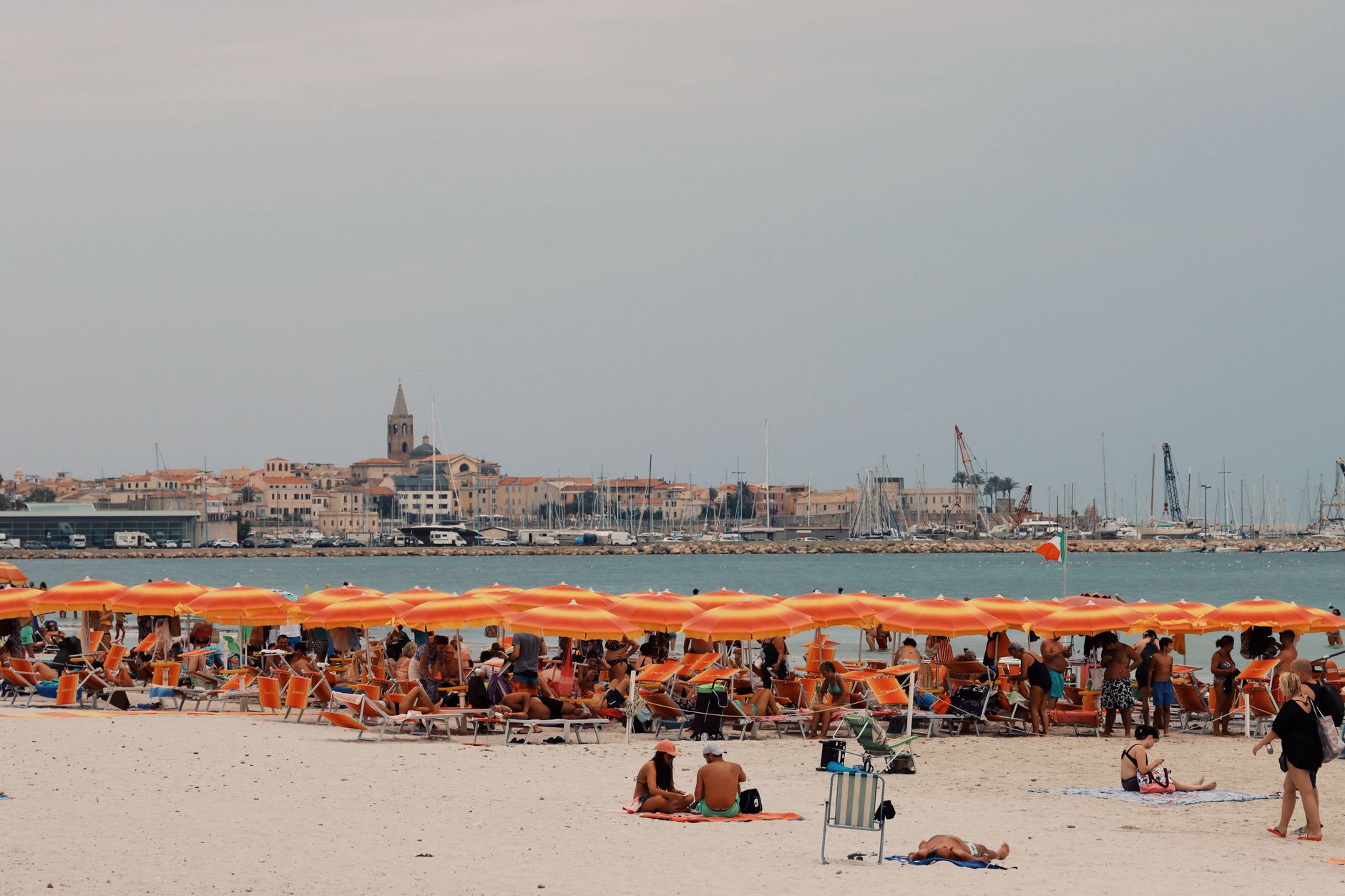
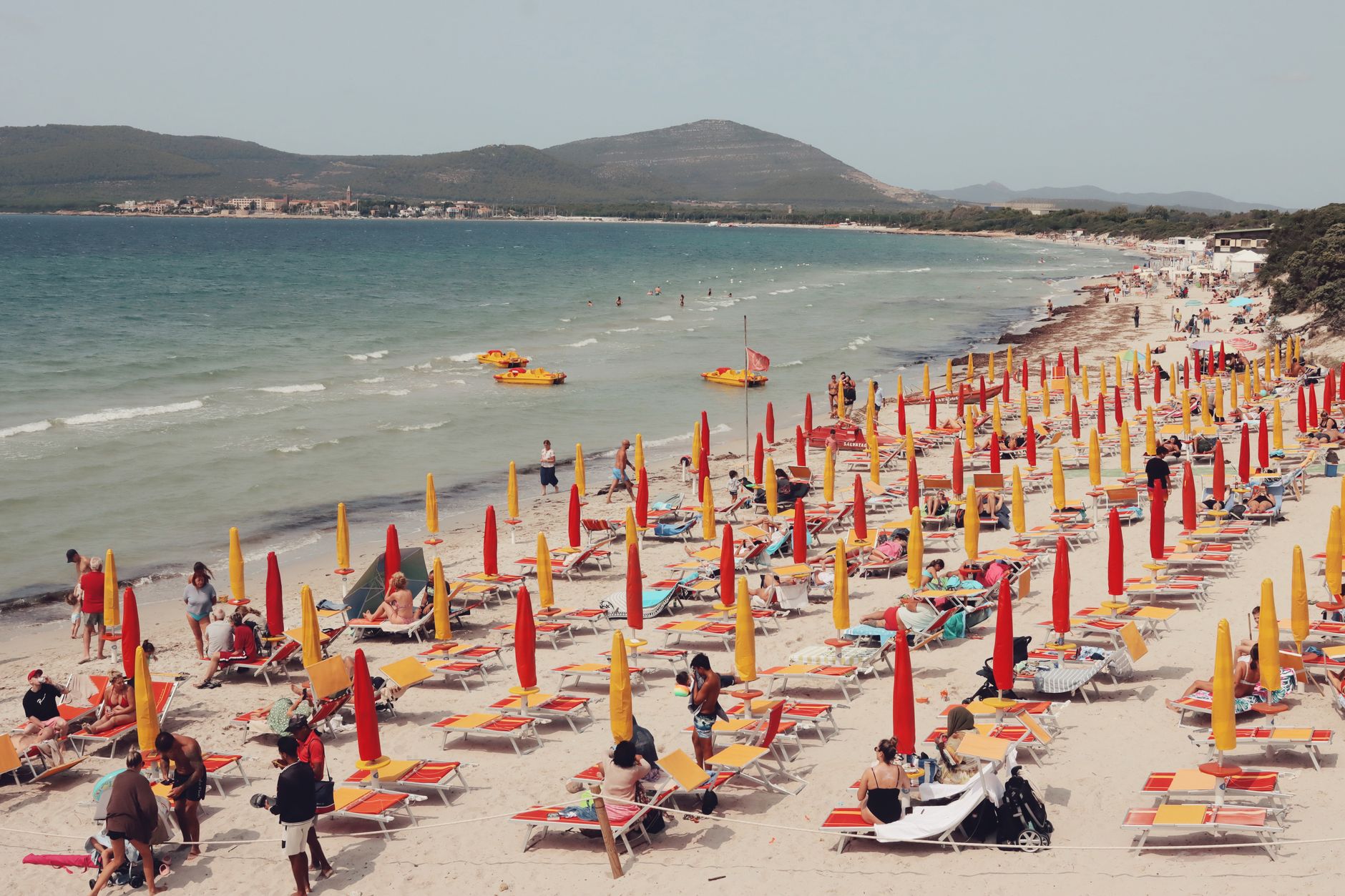
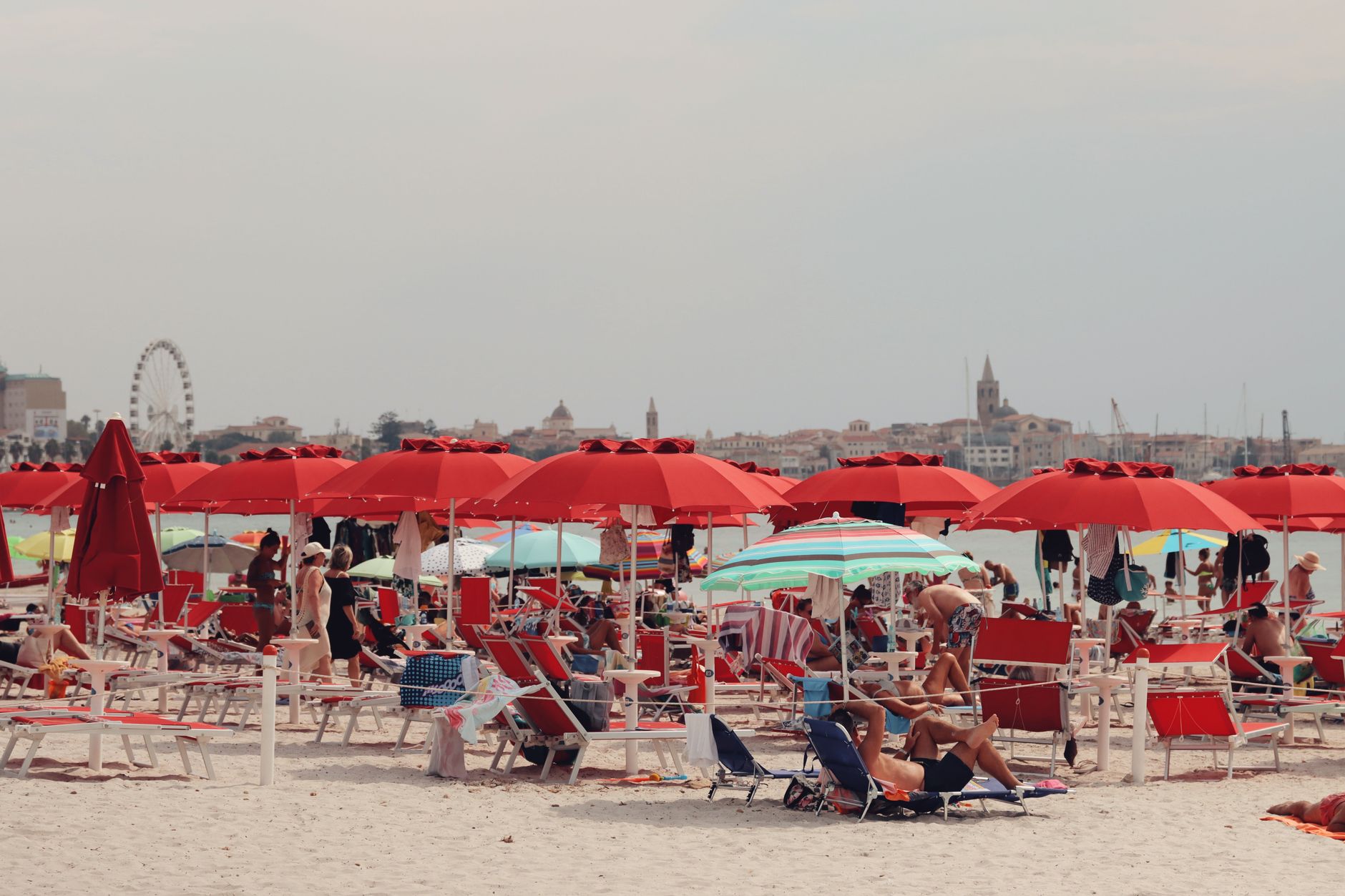
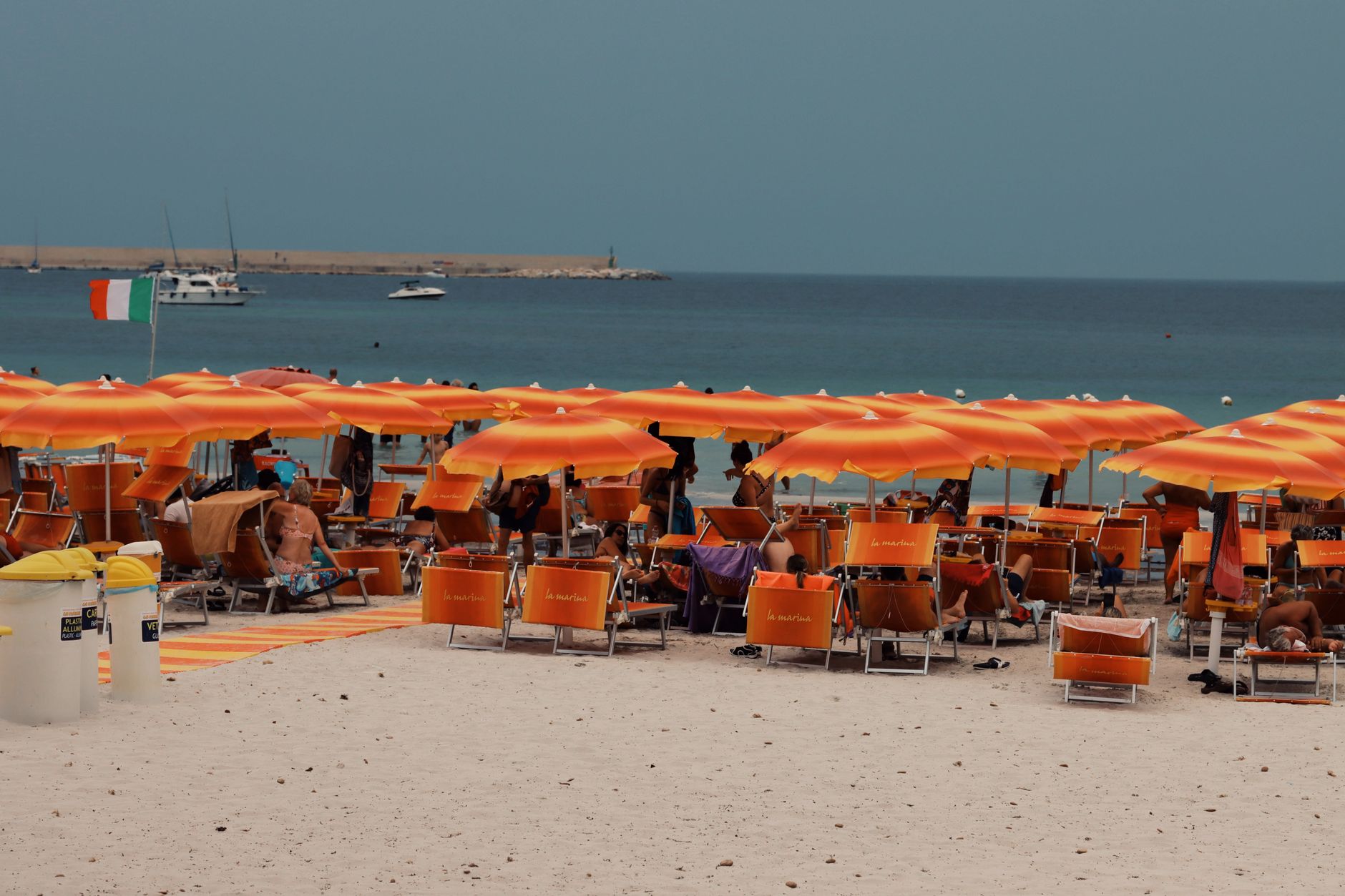
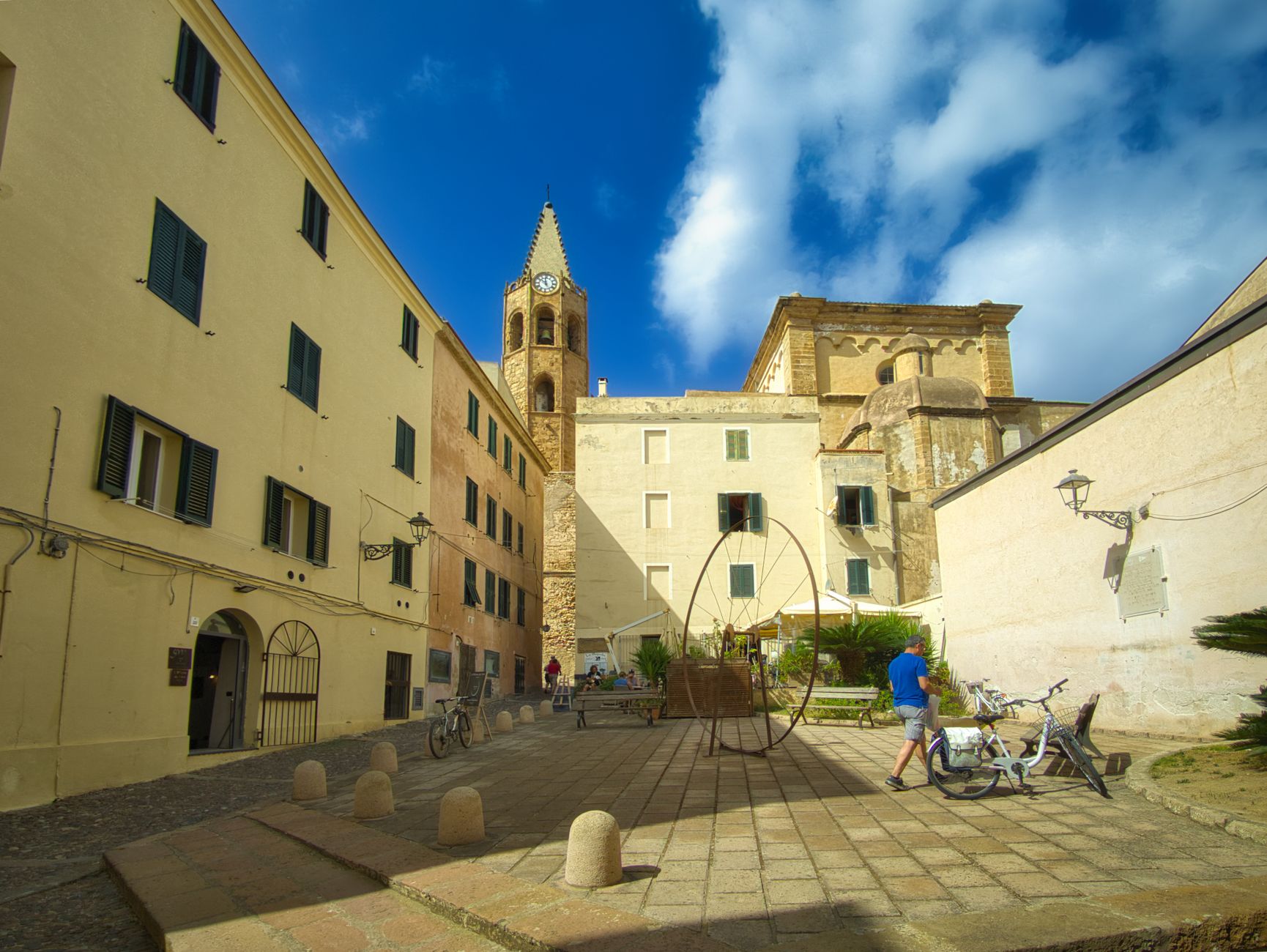
Walk the old town of Alghero and you'll hear something unexpected: Catalan, still spoken in the streets and markets, a living remnant of a 14th-century repopulation that replaced the original Ligurian settlers almost entirely. The language survived centuries of Sardinian rule, two world wars, and the eradication of malaria — and it's still here, woven into shop signs and Sunday conversation.
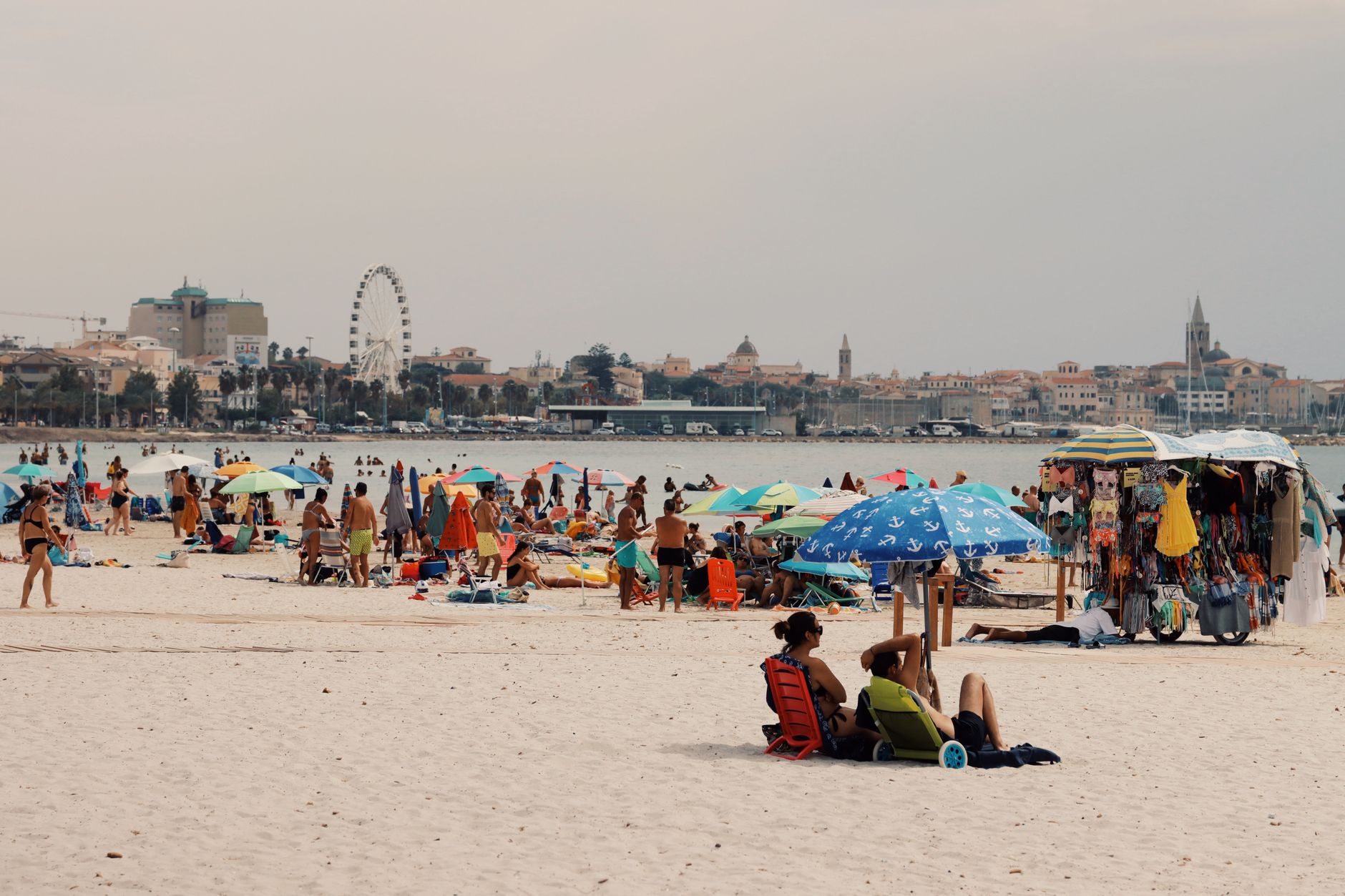
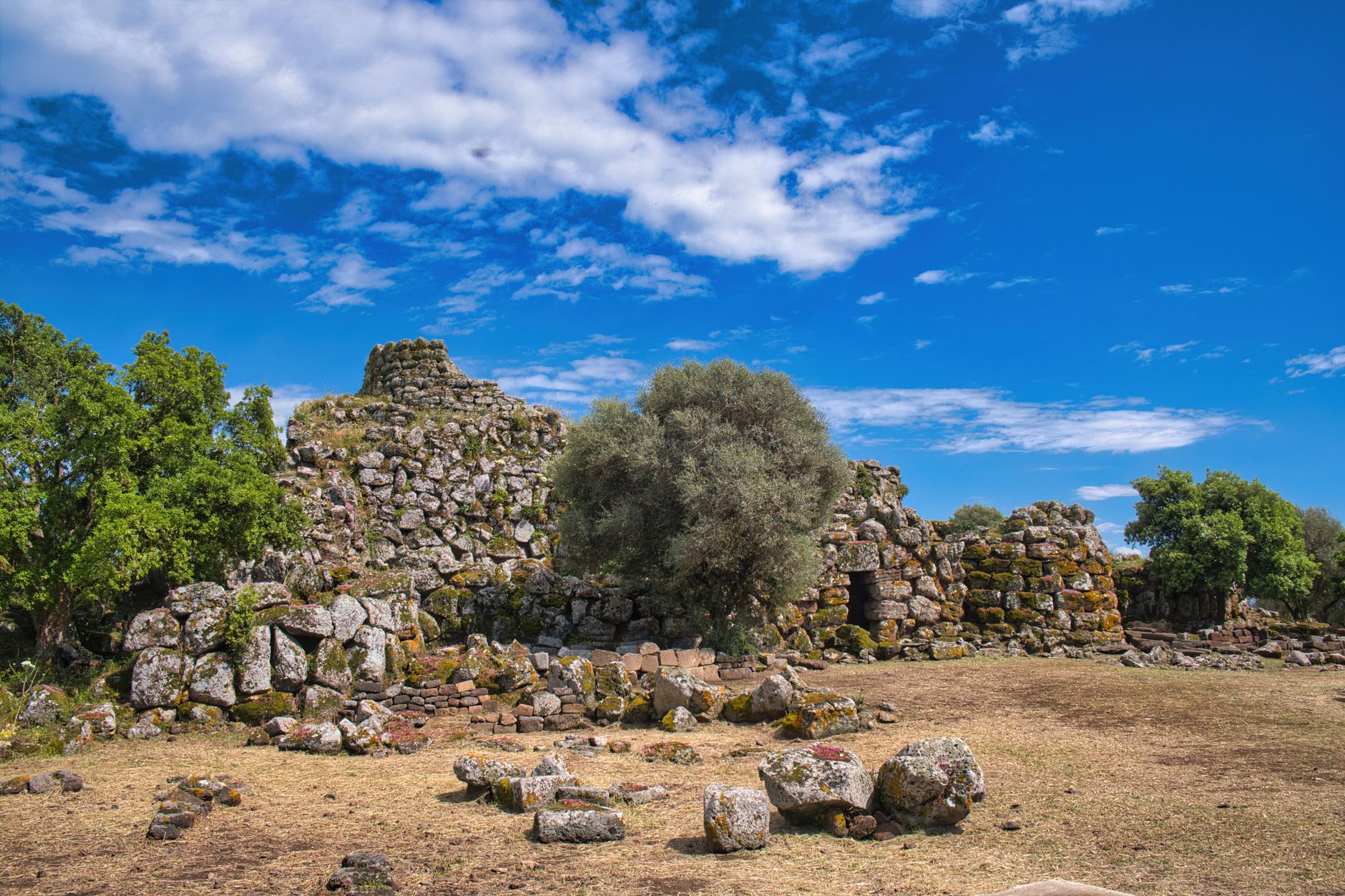
The walled center sits on a small promontory above the northwestern Sardinian coast, its Aragonese bastions dropping straight to the sea. Outside the walls, the Bronze Age is twenty minutes away by bus.
💛 What travellers fall for
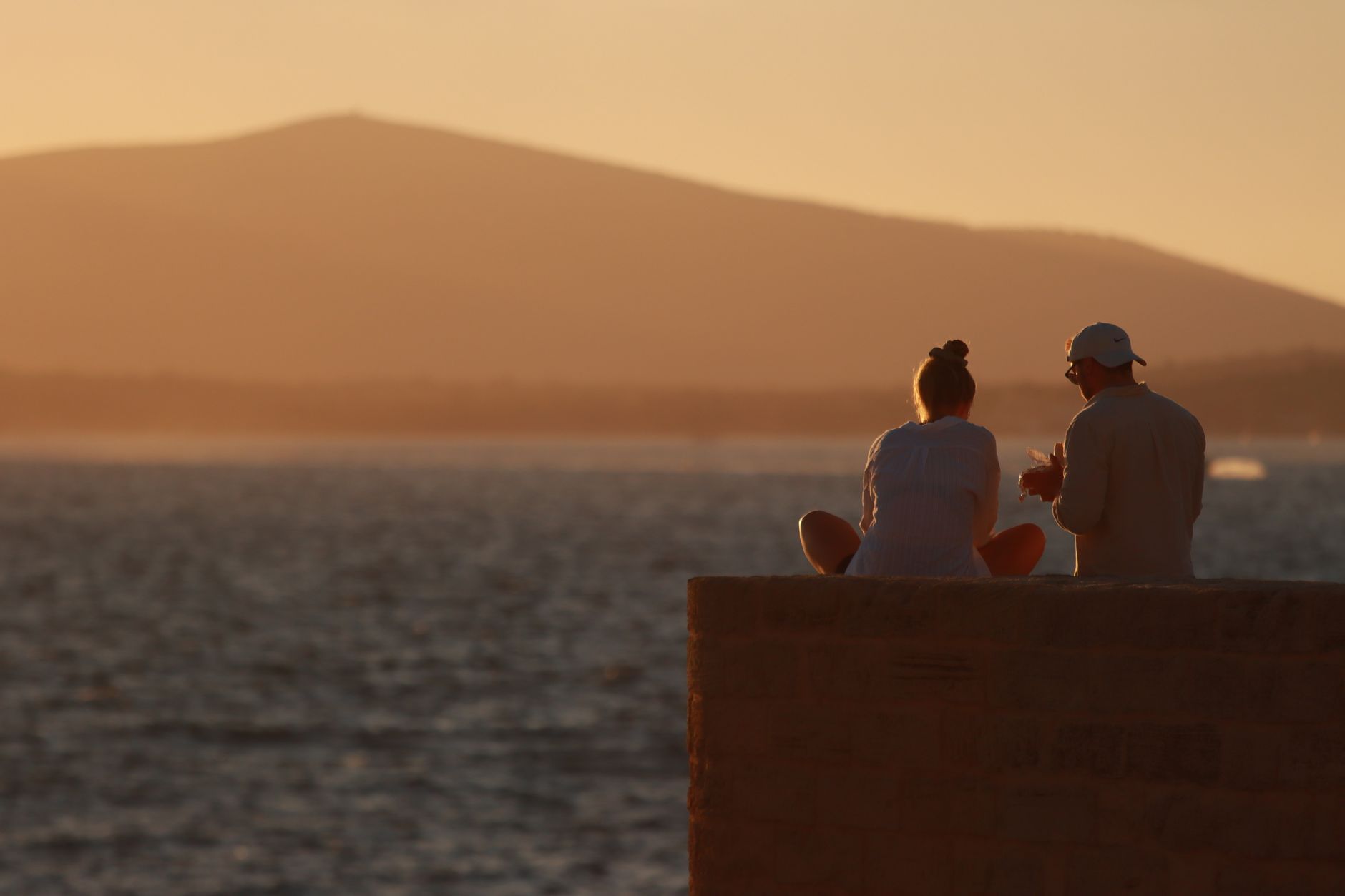
People who come back tend to time it around the old town at dusk, when the ramparts empty out and the light on the water goes copper. The boat to Neptune's Grotto is worth the early queue. And most regulars will tell you to eat at least one meal away from the port — the restaurants a block inland are quieter and tend to cook better.
Experiences you don't want to miss



Deals in Alghero
Book directly at the provider


How Alghero came to be
The Doria family of Genoa founded a settlement here in the early 12th century. Pisans held it briefly, then in 1354 Catalan-Aragonese forces took the town by siege. King Peter IV went further the following year: he expelled the existing population and resettled Alghero almost entirely with Catalan colonists, reshaping its language, its architecture, and its legal identity in a single generation.
The walls you walk today were largely rebuilt under Ferdinand the Catholic in the 16th century — seven towers, three forts, a perimeter that still defines the old town's shape. Charles V passed through in 1541. Centuries later, Allied bombing in 1943 damaged parts of the city, and the eradication of malaria in the 1950s finally opened the surrounding coast to the outside world.
Who and what shaped it
People who shaped it
Landmark buildings
See Alghero in motion
Plan your visit
On the map
When to go
Summers are hot and reliably sunny, with sea breezes keeping the coast bearable even in July and August. Winter is mild by northern European standards — expect some rain and occasional cold nights, but also long bright spells when the old town is essentially yours.
Right now
Background & history adapted from Wikipedia (CC BY-SA) · specs from Wikidata (CC0) · weather from Open-Meteo · map data © OpenStreetMap contributors · photos from Wikimedia Commons / Unsplash with per-image credit. No third-party reviews or social posts reproduced.