
Algeciras
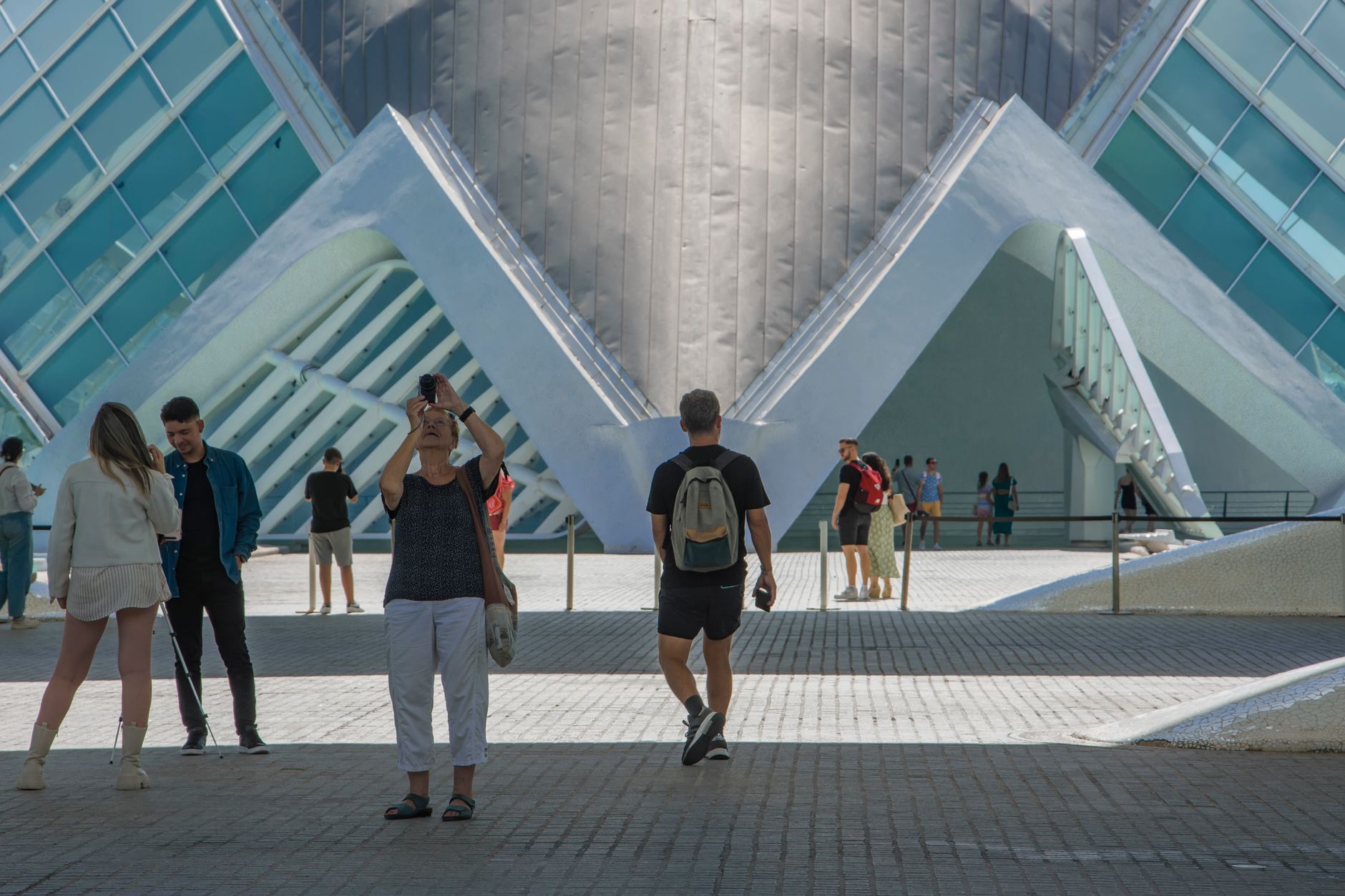
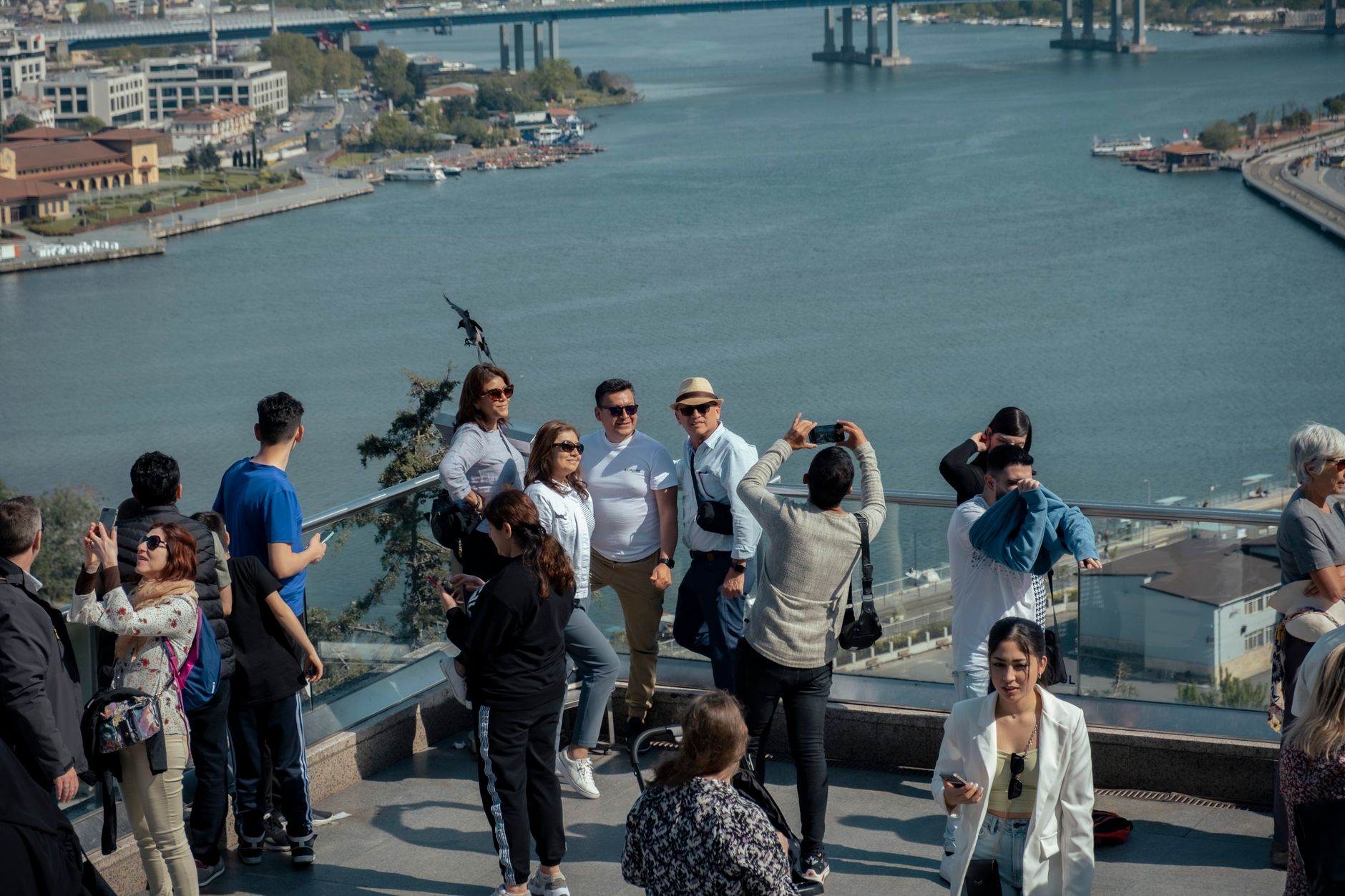
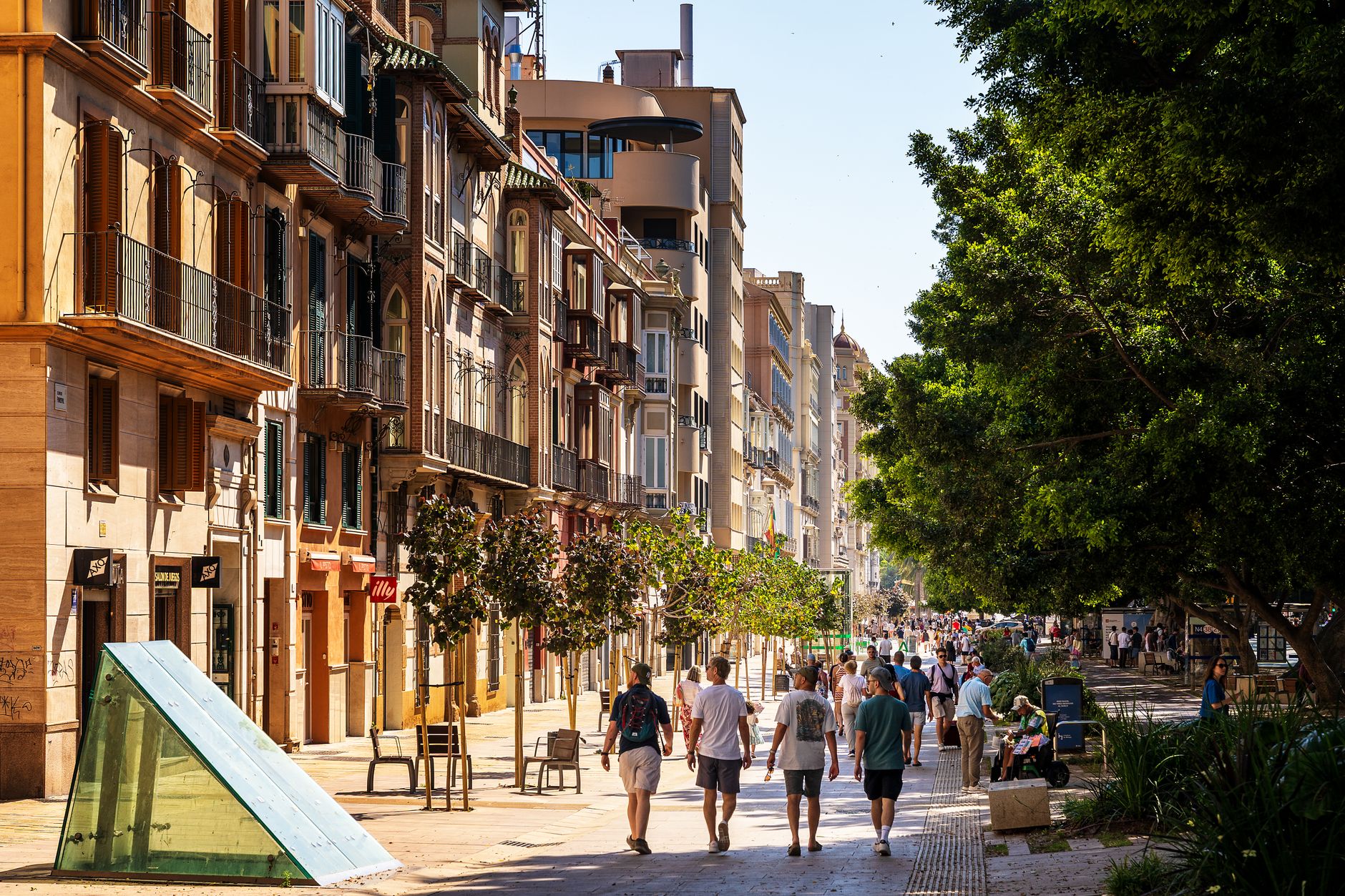
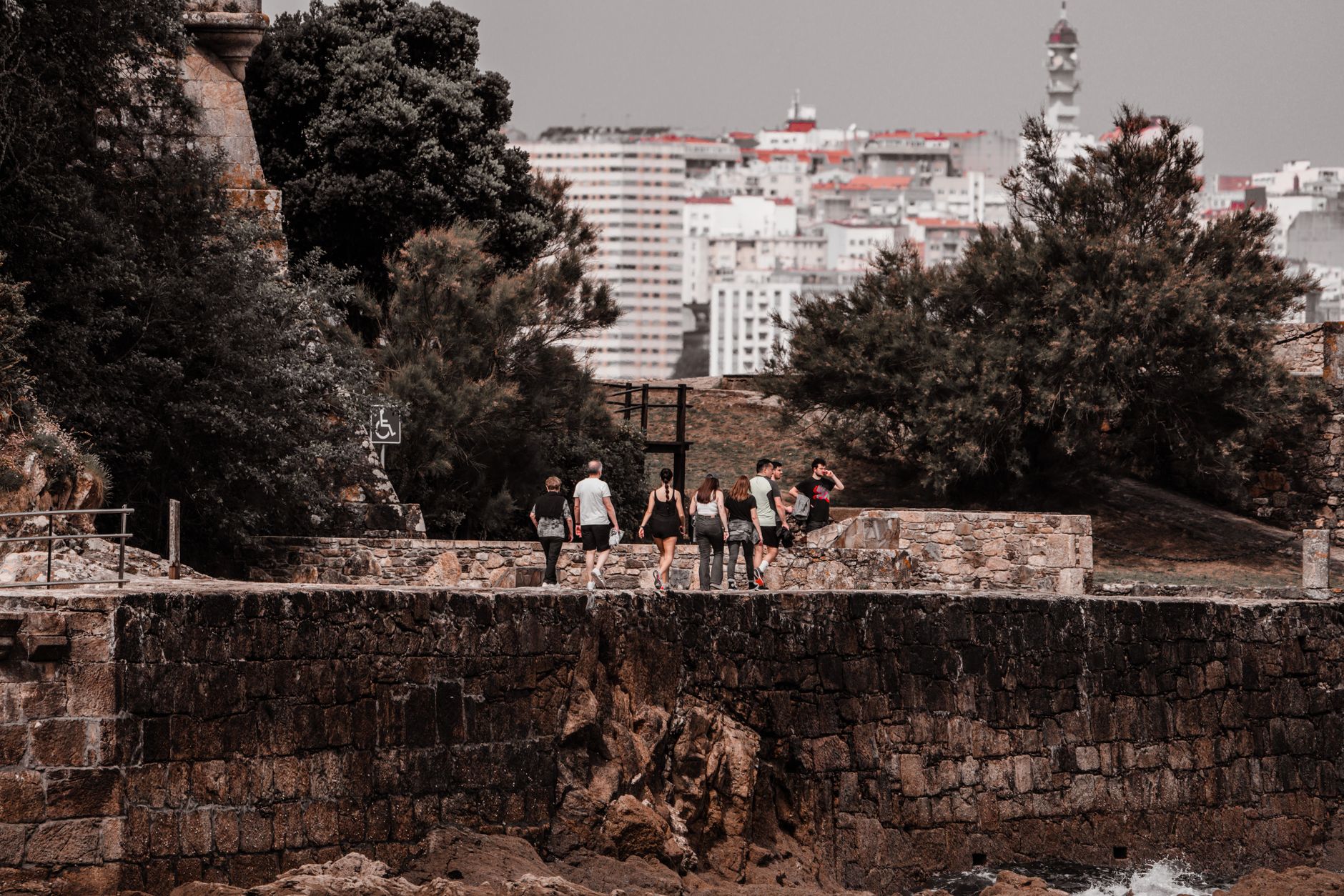
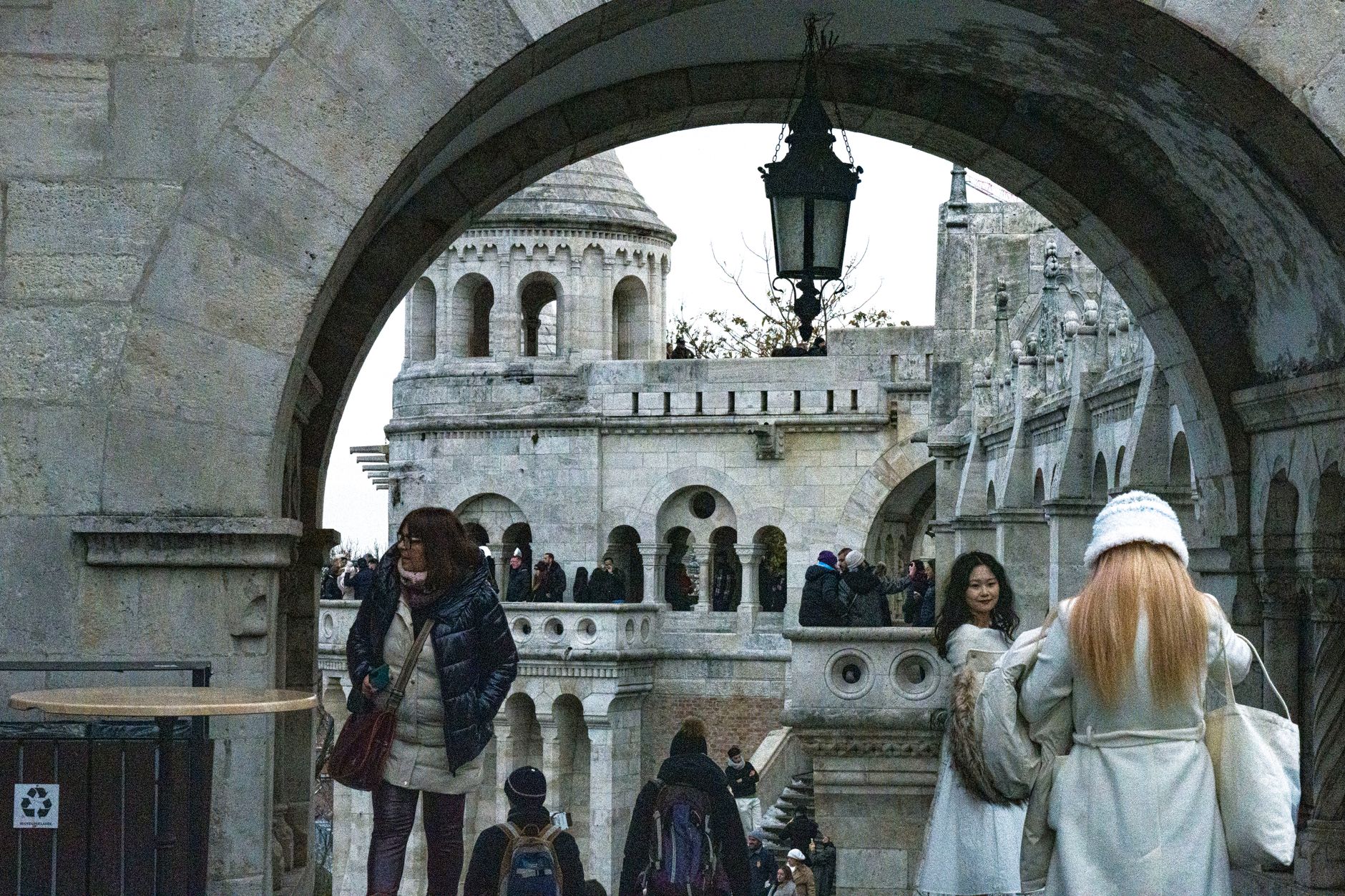
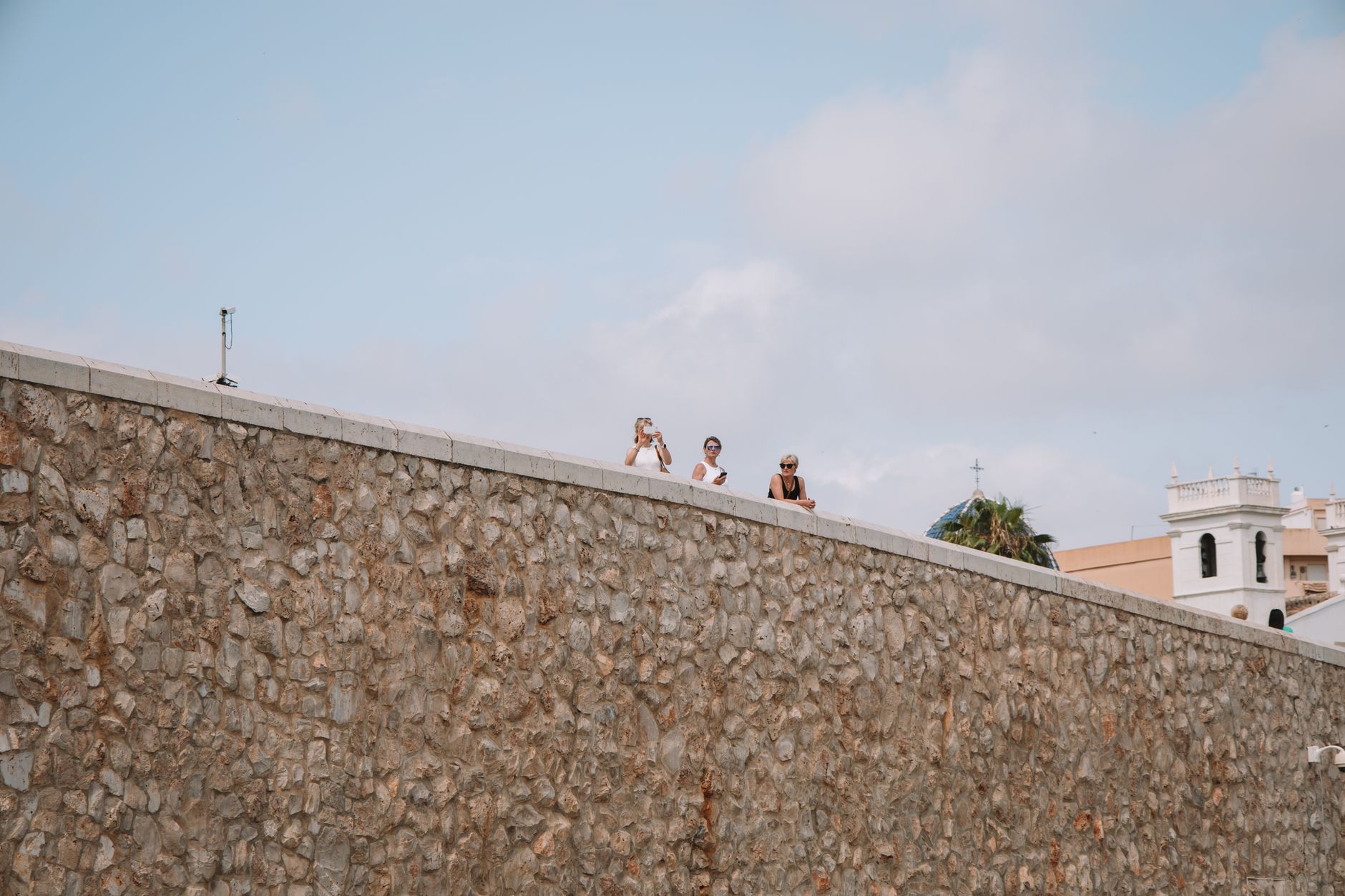
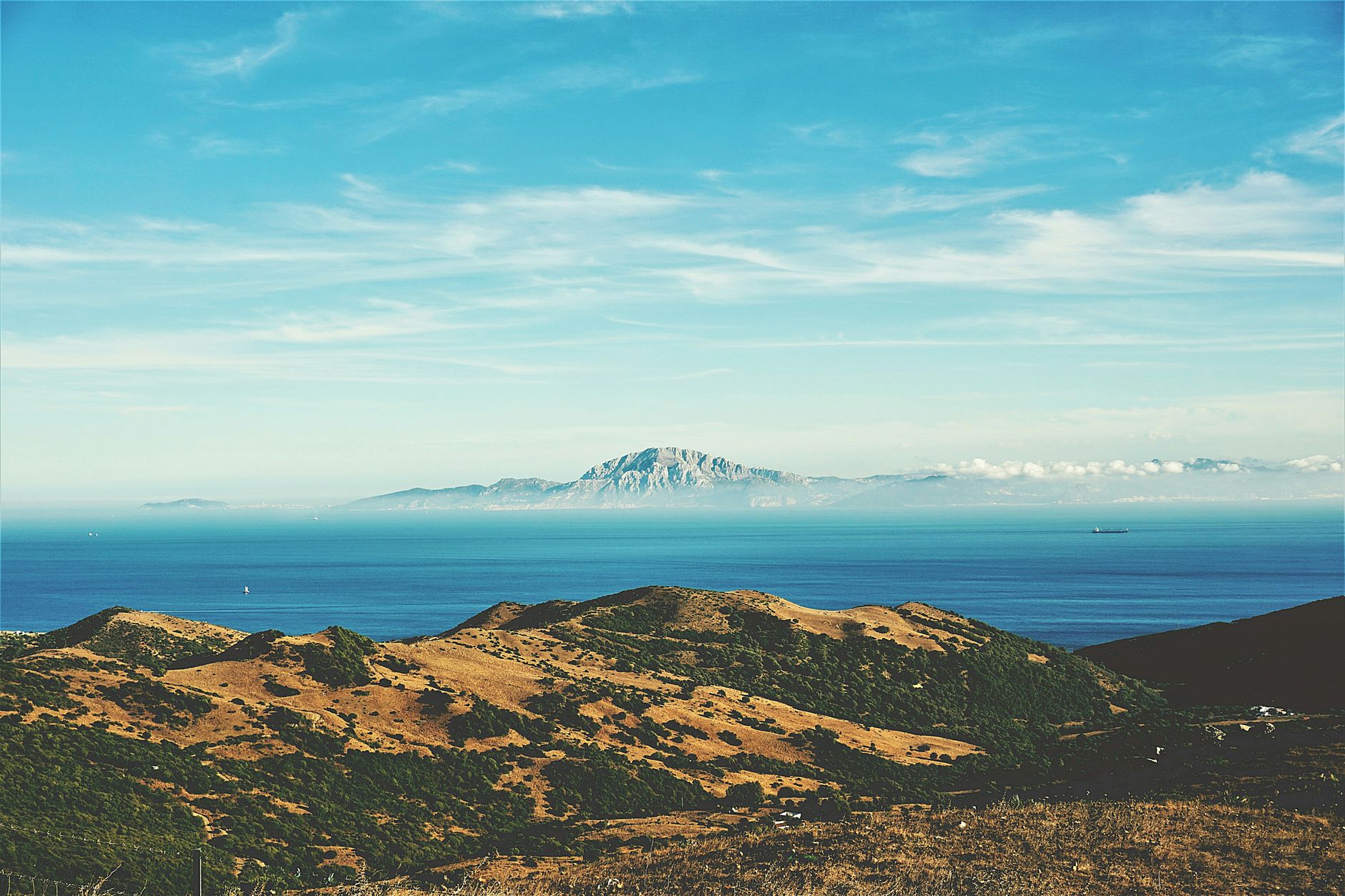
Stand at the port of Algeciras on a clear morning and you can see two continents at once — the Rock of Gibraltar to your right, the Rif Mountains of Morocco across the strait. This is a city defined by proximity and passage, where ferry horns sound through the night and the Moroccan Quarter smells of mint tea and cumin long before you board anything.
Algeciras earns little space in the guidebooks, which is partly why it repays attention. The 1935 Mercado Central, designed by Eduardo Torroja, is one of the more quietly radical market buildings in Spain. The Reina Cristina Hotel holds an 8th-century mosque and a Moorish well inside its walls. The city moves at its own pace, indifferent to being discovered.
💛 What travellers fall for
People who pass through more than once tend to land on the same rituals: coffee on Plaza Alta under the orange trees before the heat builds, a slow circuit of the Mercado Central for pescaíto frito, and an afternoon walk into San Isidro where the white houses still wear their flowerpots like old habit. The Moroccan Quarter is worth an hour even if you're not crossing the strait.
Experiences you don't want to miss



Deals in Algeciras
Book directly at the provider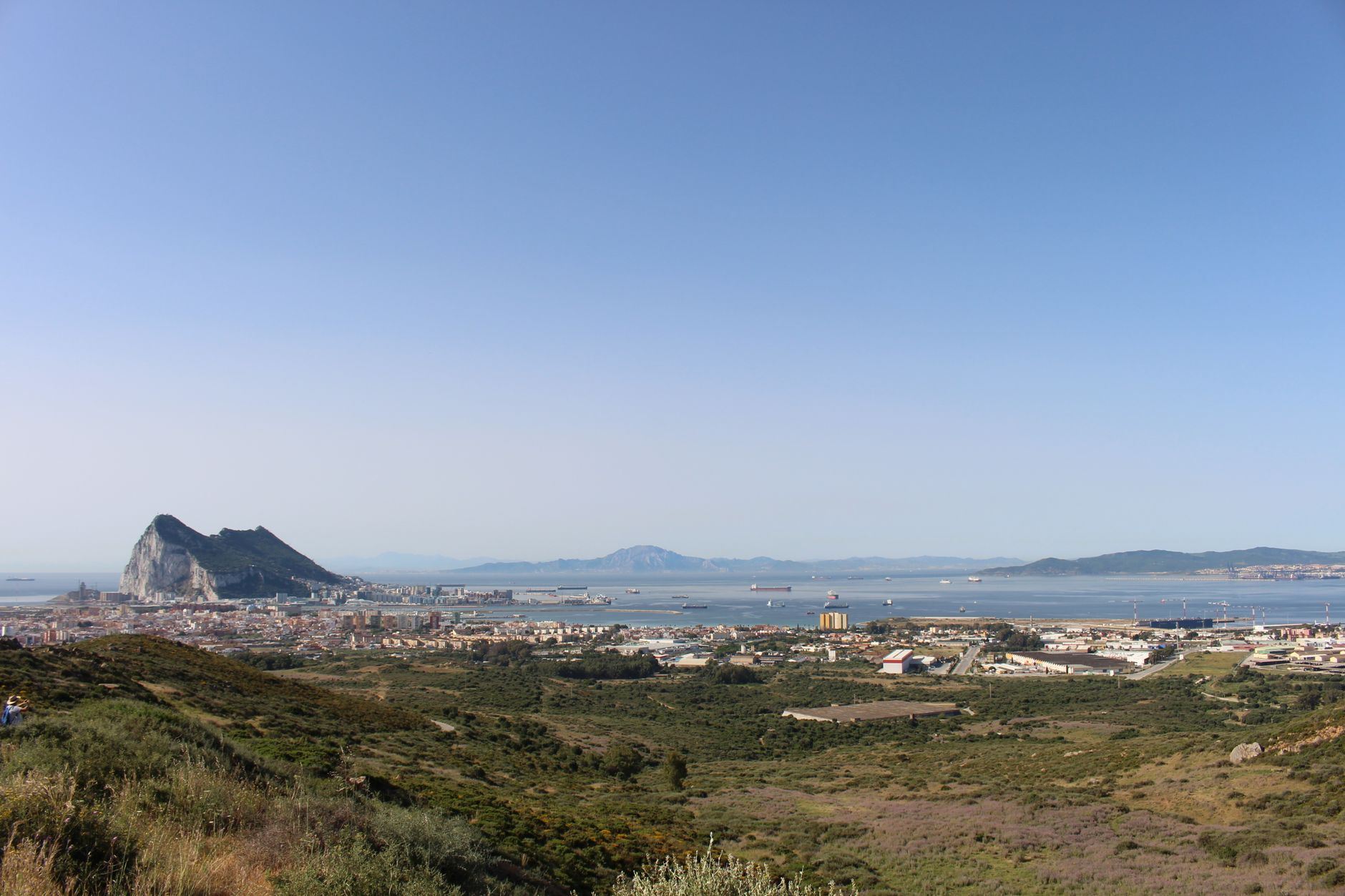
How Algeciras came to be
The name comes from the Arabic Al-Jazīrah al-Khaḍrāʾ — the Green Island — given when Moorish forces founded the port in 713, likely on the site of the Roman harbour Portus Albus. The city changed hands violently: Alfonso XI of Castile took it in 1344, and the Moors recaptured and razed it in 1368. It lay ruined for centuries.
The modern city was effectively born twice: first in 1704 when Spanish refugees displaced from Gibraltar resettled here, then again in 1760 when Charles III had it rebuilt on a rational rectangular grid. In 1906, the Algeciras Conference — convened in the Casa Consistorial — brought European powers together to negotiate the future of Morocco, making the city briefly the centre of continental diplomacy. The railway arrived in 1892; heavy industry came under Franco.
Who and what shaped it
People who shaped it
Landmark buildings
See Algeciras in motion
Plan your visit
On the map
When to go
Summers run dry and warm, with August highs around 28°C and almost no rain from July onward. Winters are mild by European standards — January rarely drops below 10°C — but bring real wind and significant rainfall, especially in December.
Right now
Background & history adapted from Wikipedia (CC BY-SA) · specs from Wikidata (CC0) · weather from Open-Meteo · map data © OpenStreetMap contributors · photos from Wikimedia Commons / Unsplash with per-image credit. No third-party reviews or social posts reproduced.