
Al-Ahsa Oasis
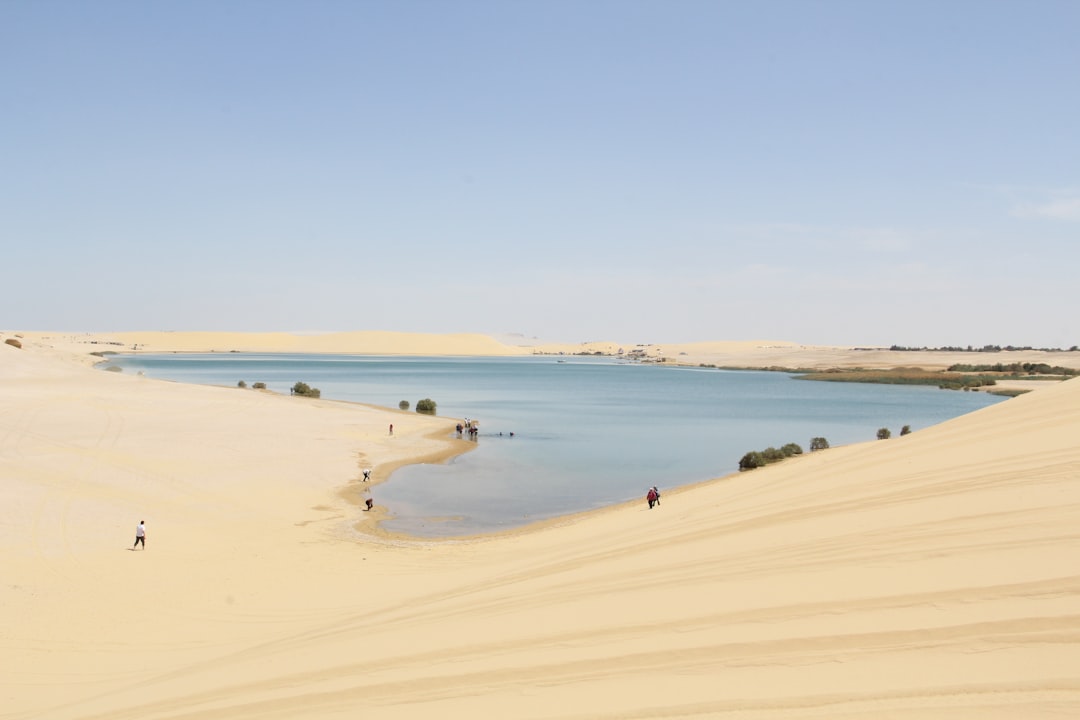
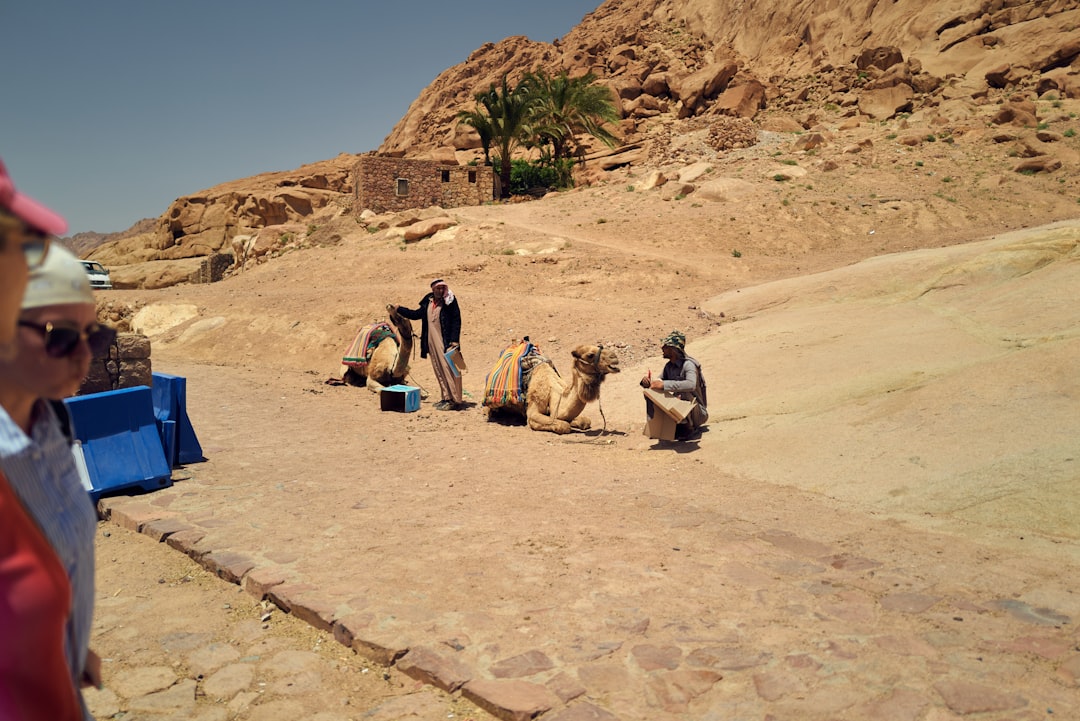
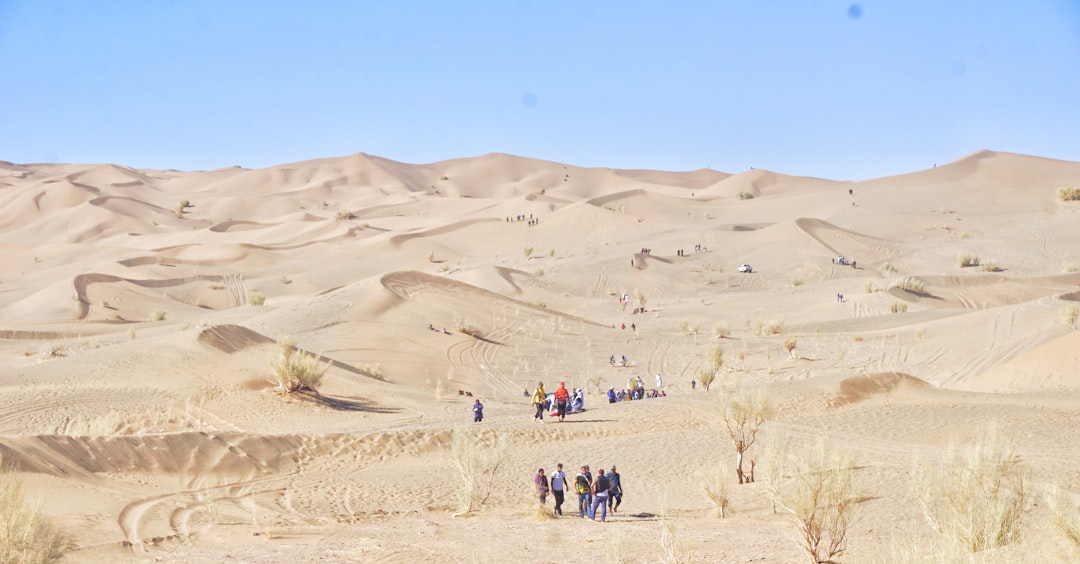
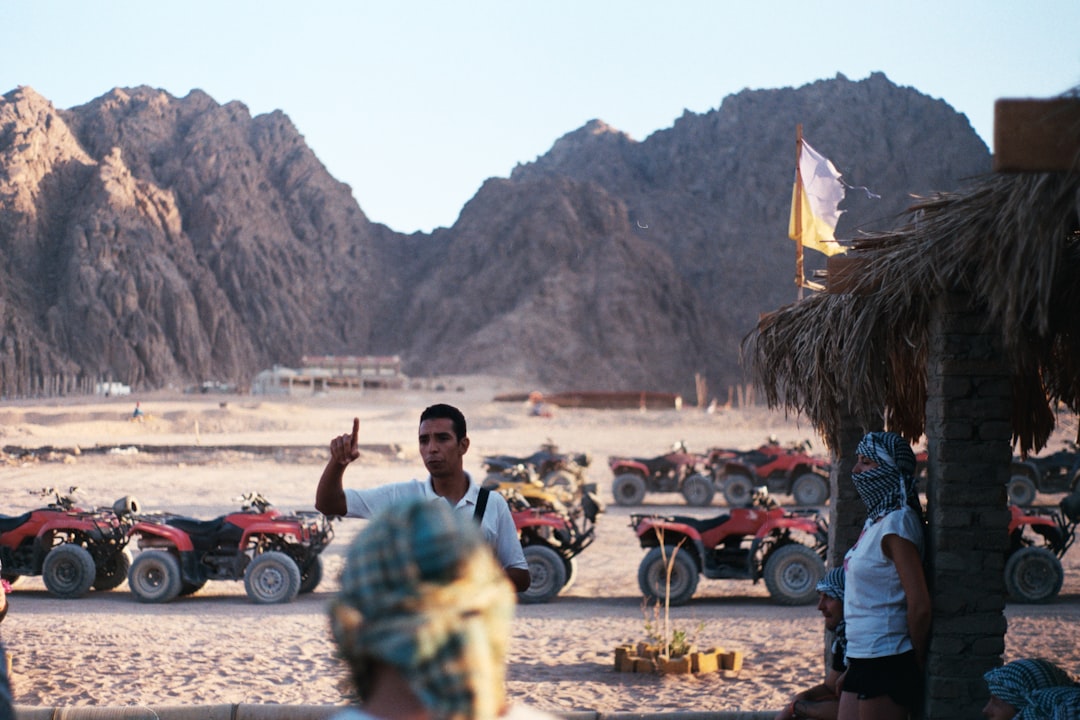
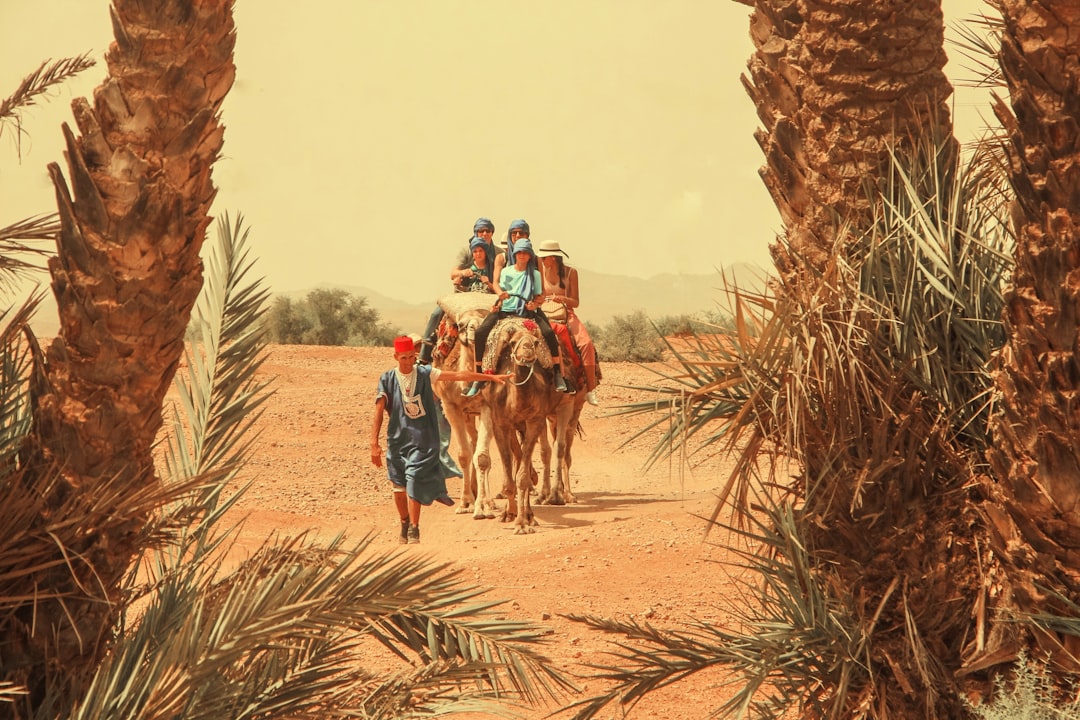
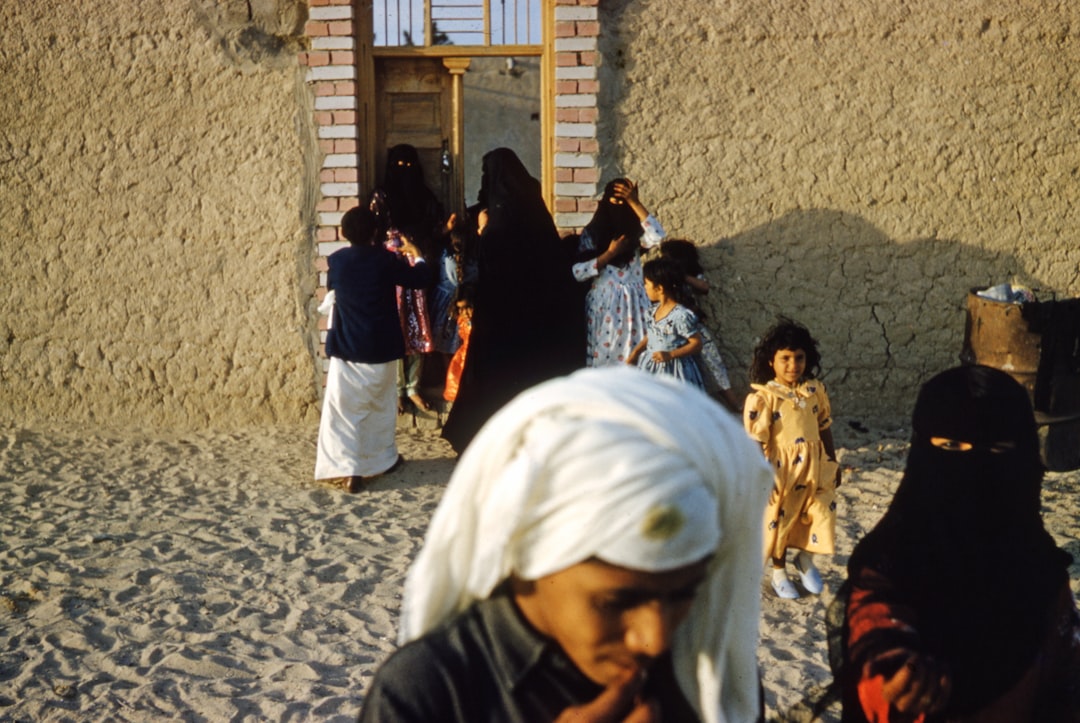
Somewhere beneath the Eastern Province's flat, sun-bleached horizon, more than 2.5 million date palms stand in groves fed by springs that have been running since before recorded history. Al-Ahsa is the largest oasis on earth — not a pocket of green but an entire inhabited world: twelve component parts, UNESCO-listed, spanning ancient mosques, Ottoman-era palaces, a mountain riddled with temperature-inverting grottos, and a market that has been open for business longer than most nations have existed.
The oasis sits about 60 km inland from the Gulf coast, close enough to Dammam for a long day-trip but substantial enough to deserve more time. Hofuf is its main city, and the surrounding agricultural landscape, archaeology, and geology reward unhurried movement.
How Al-Ahsa Oasis came to be
People have drawn water here for at least seven thousand years. By around 3000 BC the site had its first recorded settlers, and by 1000 CE Al-Ahsa ranked among the ten largest cities on earth, with some 110,000 inhabitants — a scale that makes sense only when you consider what a reliable freshwater supply meant in the Arabian Peninsula. The Qarmatian leader Abu-Sa'id Jannabi declared it independent from the Abbasids in 899 CE, with his capital near modern Hofuf.
The Ottomans absorbed the region in 1550 under Suleiman I, leaving Ibrahim Palace — built or substantially developed from 1556 — as their most visible architectural legacy. Direct Ottoman rule continued until 1913, when Ibn Saud annexed Al-Ahsa into Najd. Twenty-five years later, petroleum was discovered near Dammam, and the oasis found itself at the edge of a different kind of transformation entirely. UNESCO added it to the World Heritage List in June 2018.
Who and what shaped it
People who shaped it
Landmark buildings
See Al-Ahsa Oasis in motion
Plan your visit
On the map
When to go
October through March is the window: daytime temperatures settle between 18 and 24°C in the cooler months, with cold nights from December onward. From April the heat builds fast, and by midsummer the region regularly hits 45–47°C — one of the hottest corners of the Kingdom.
Right now
Background & history adapted from Wikipedia (CC BY-SA) · specs from Wikidata (CC0) · weather from Open-Meteo · map data © OpenStreetMap contributors · photos from Wikimedia Commons / Unsplash with per-image credit. No third-party reviews or social posts reproduced.