
Akihabara
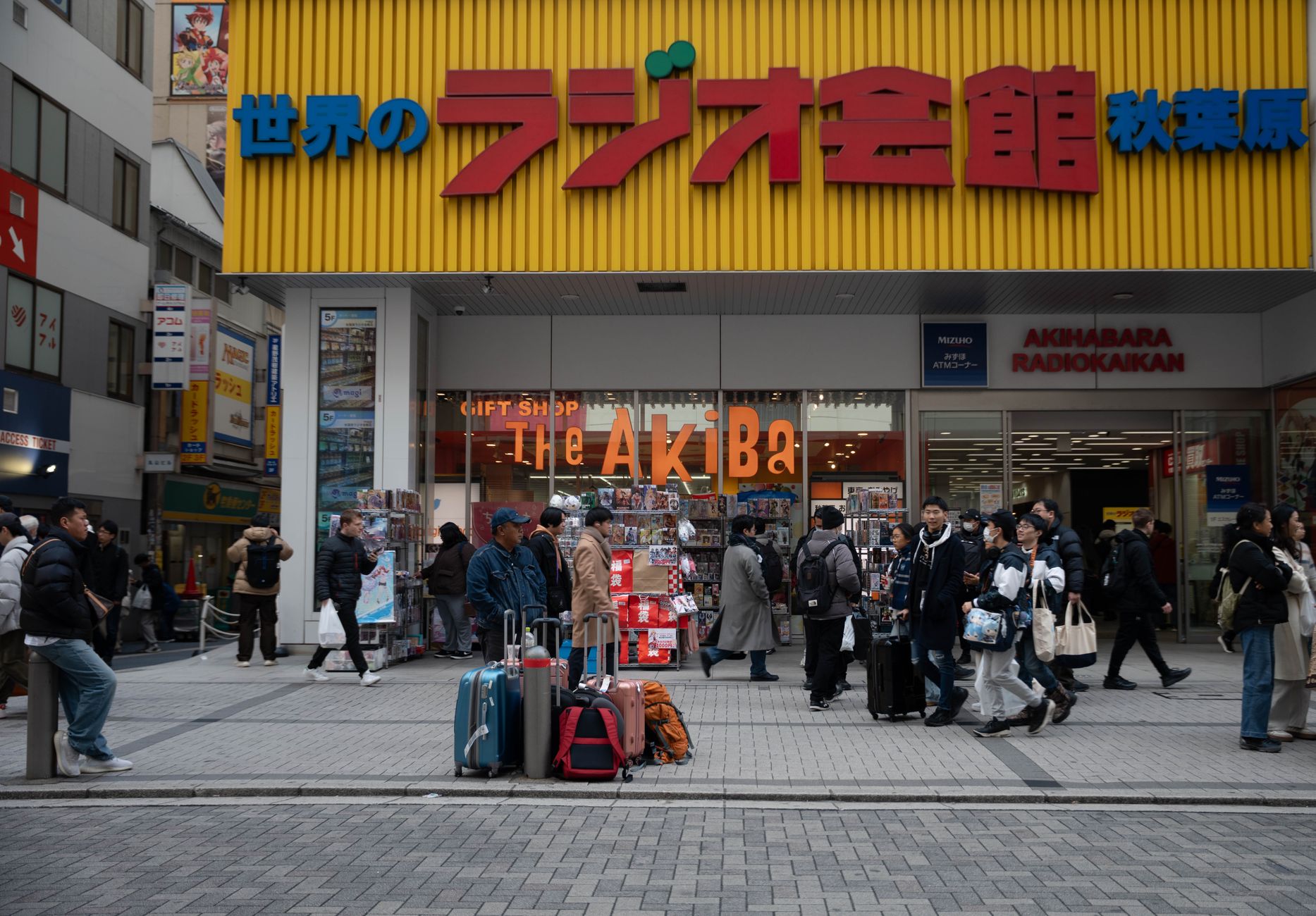
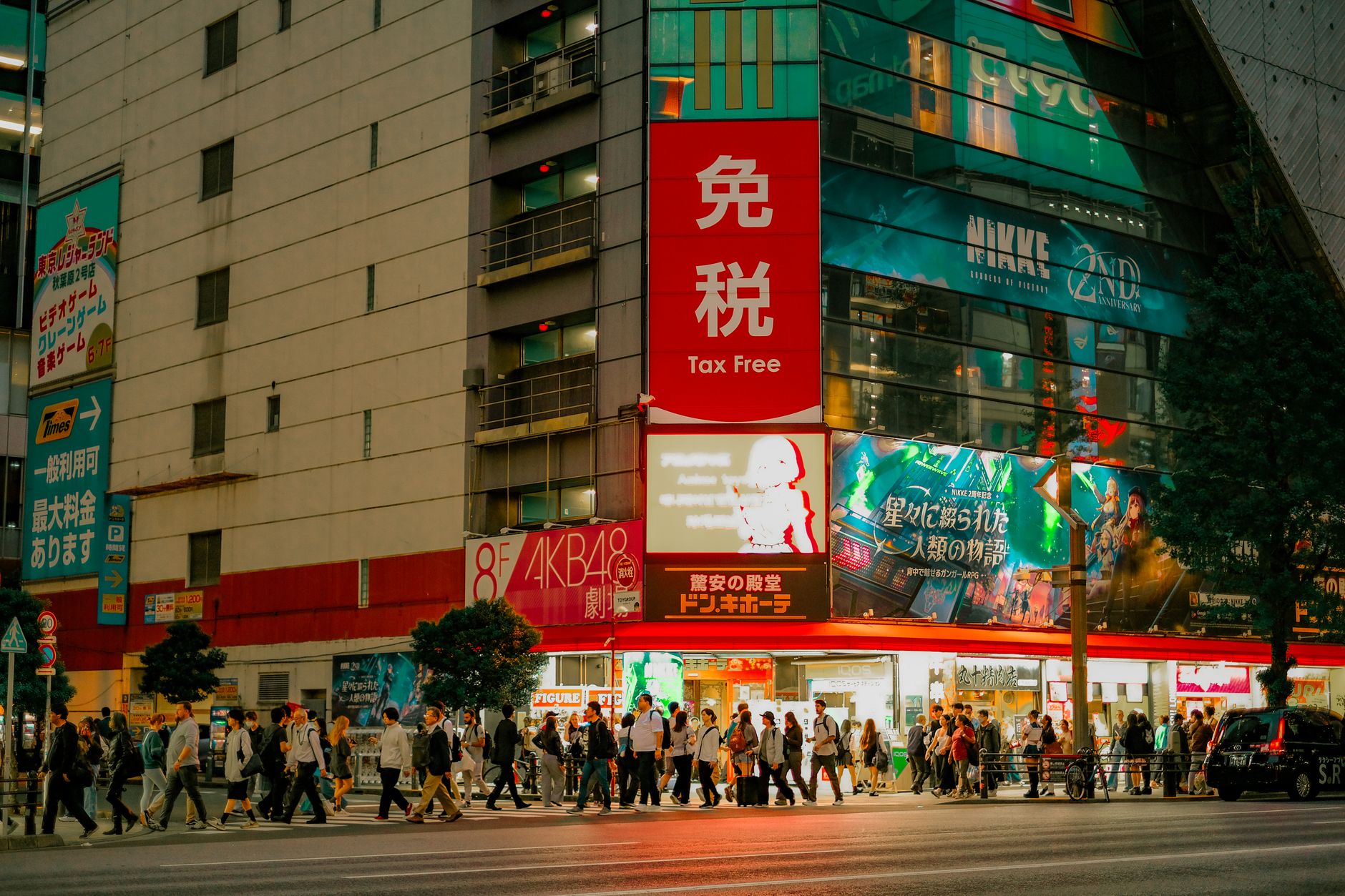
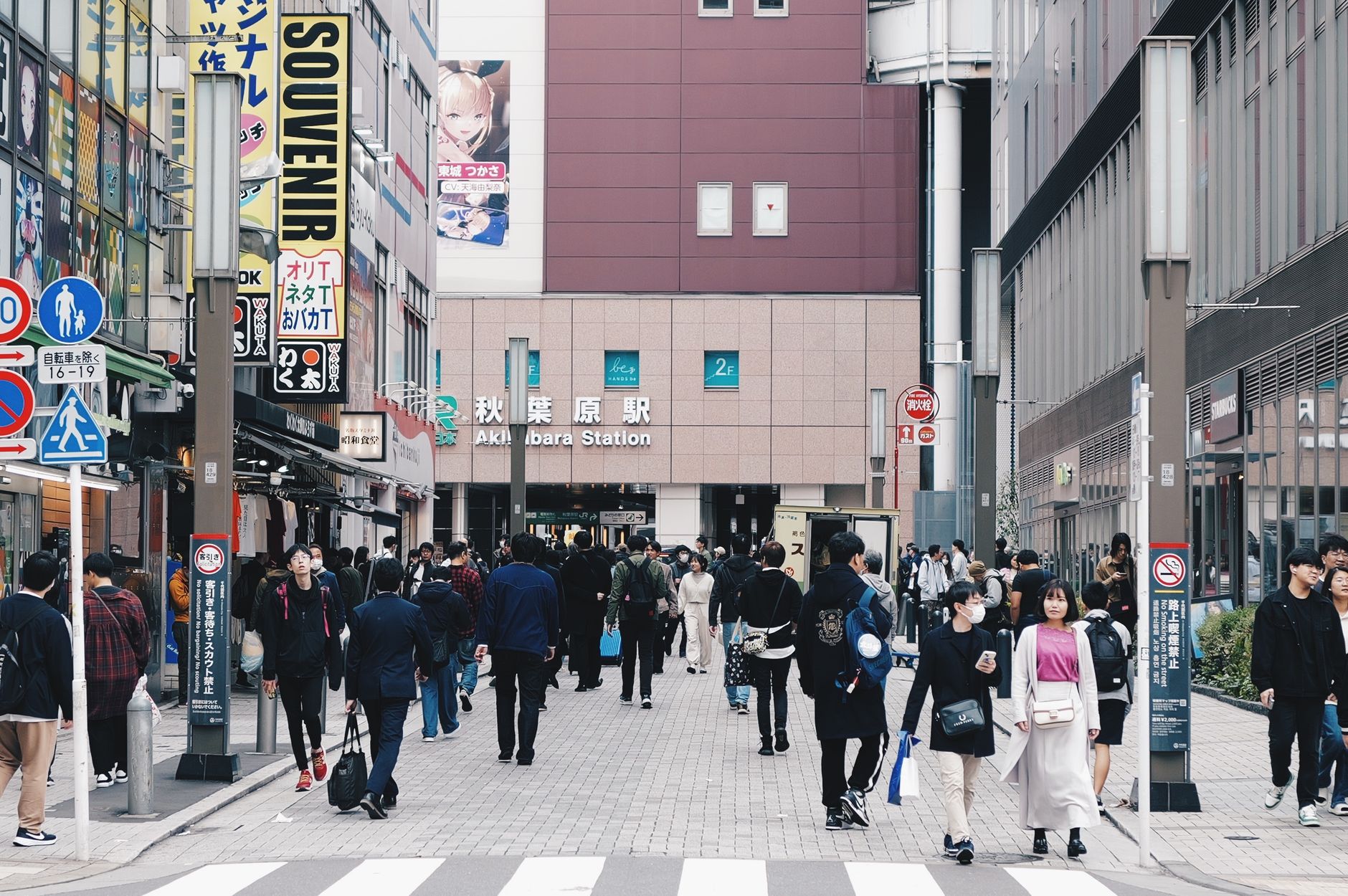
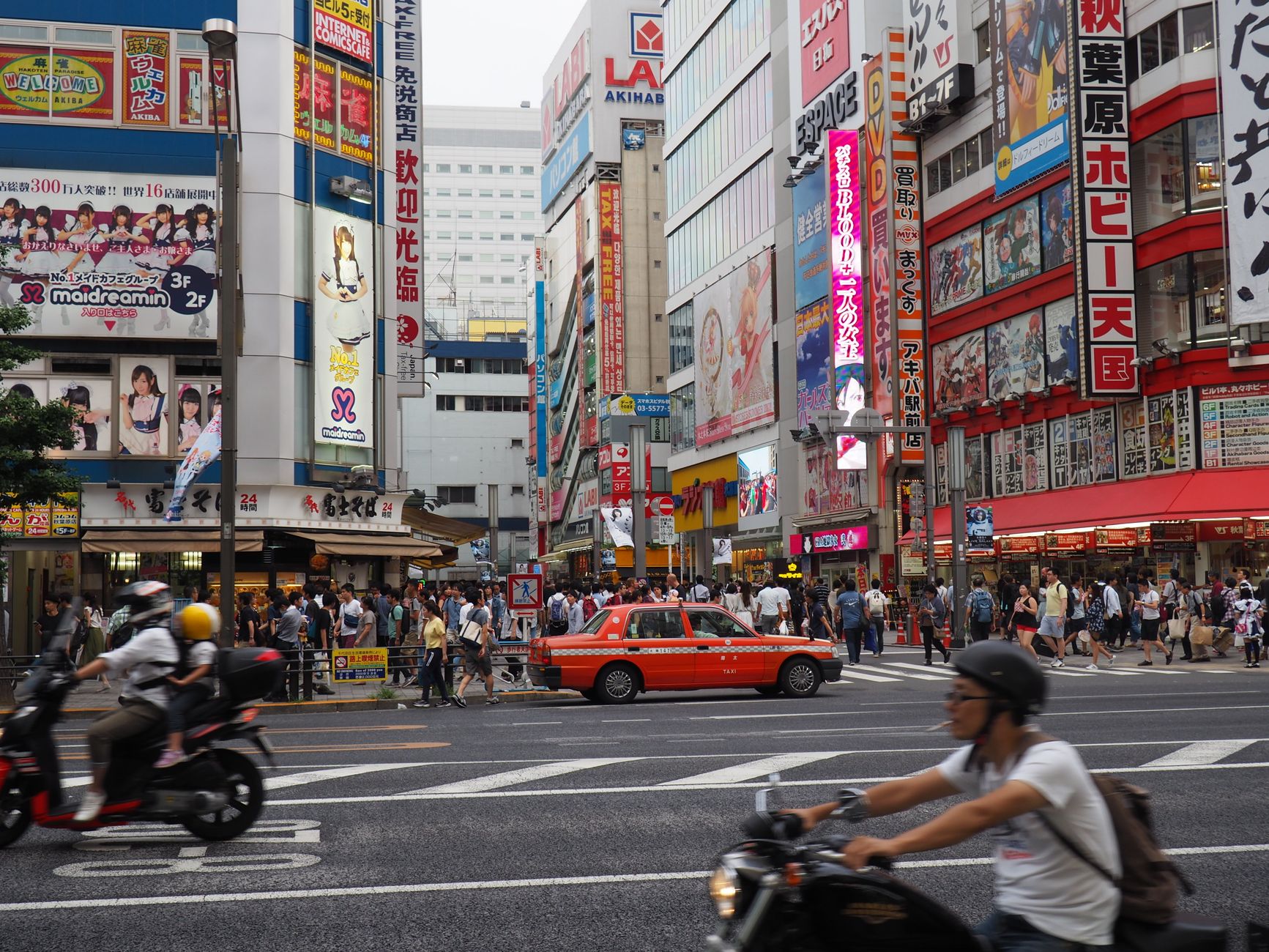
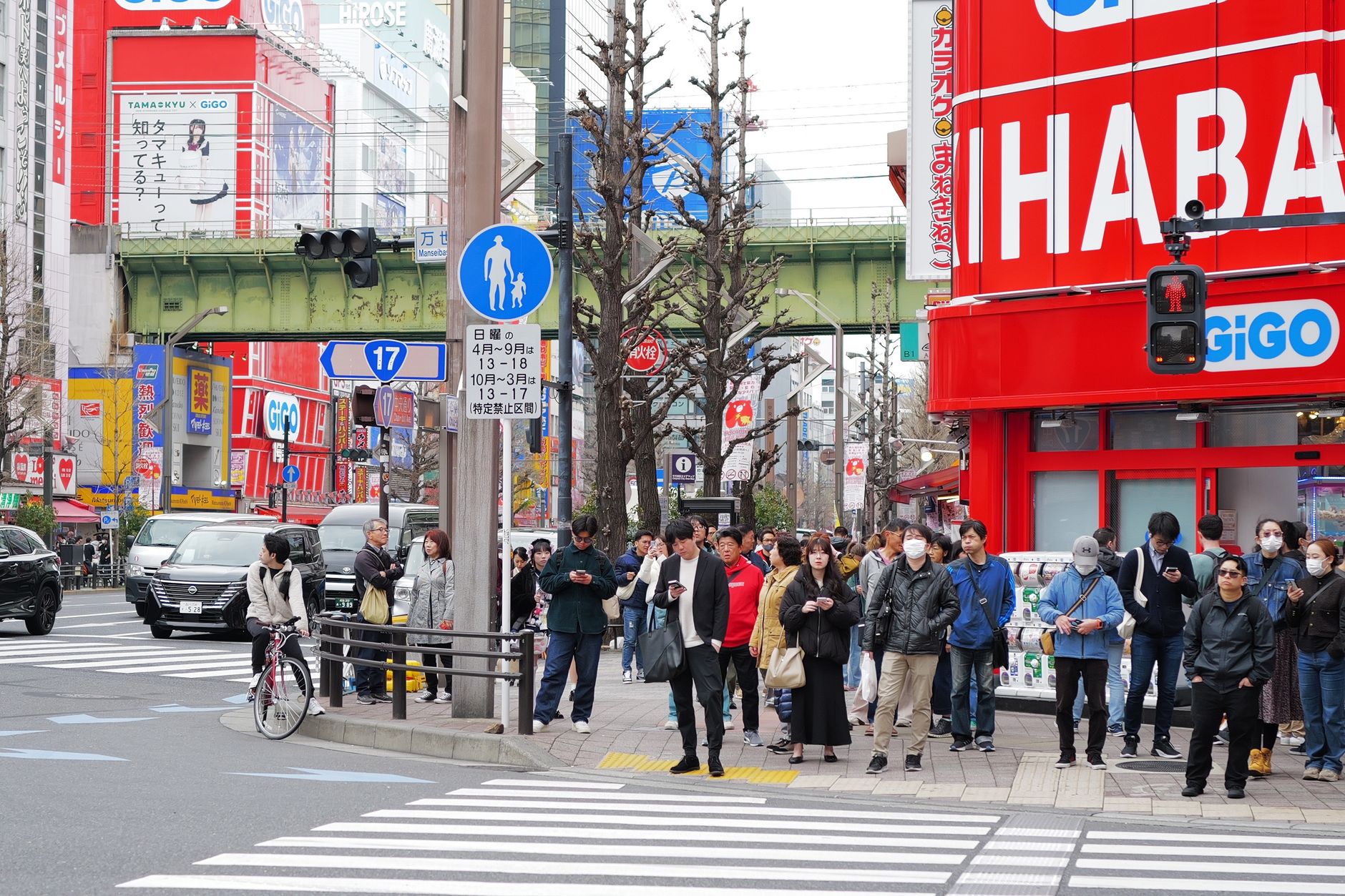
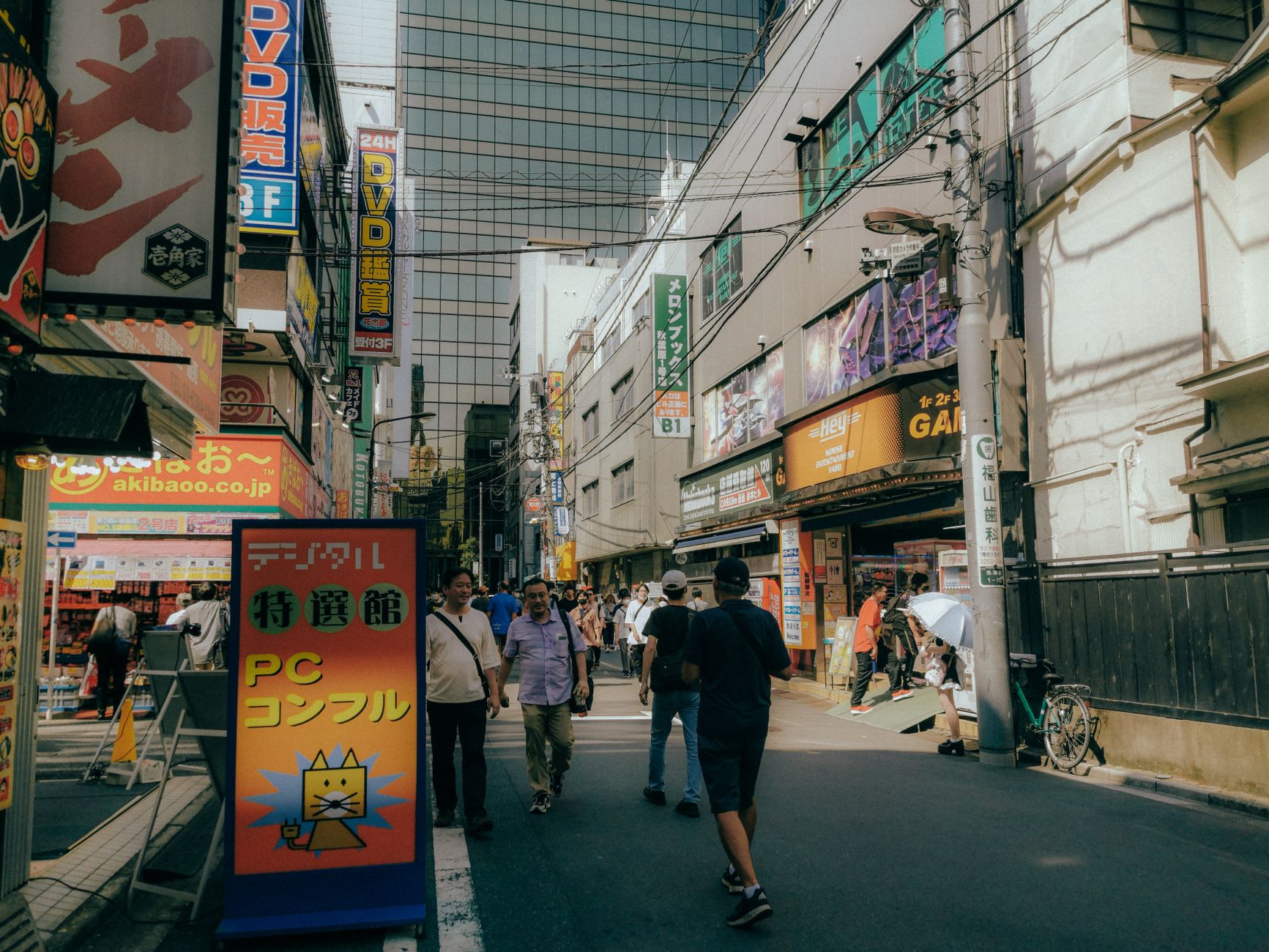
The first thing you notice on Chuo Dori is the vertical density of it — every building stacked floor by floor with a different obsession, figures in glass cases at street level giving way to circuit boards on the third floor and vinyl records somewhere above that. Akihabara runs on a logic of its own, shaped by decades of surplus electronics, postwar ingenuity, and a culture that takes fandom seriously as a form of knowledge.
This is Tokyo's electric quarter in the literal and figurative sense. It rewards the person who slows down, reads the small handwritten signs, and takes the stairs.
💛 What travellers fall for
Regulars will tell you to use the Electric Town Exit — the Central Exit drops you in a quieter corridor that takes a few extra minutes to orient from. Sunday afternoons between 1 and 6 PM, Chuo Dori goes car-free, which changes the feel entirely. The space under the elevated tracks between Akihabara and Okachimachi, the 2k540 AKI-OKA ARTISAN complex, draws a different crowd than the main strip.
Experiences you don't want to miss



Deals in Akihabara
Book directly at the provider

How Akihabara came to be
Akihabara's name traces to an 1869 fire that levelled much of the area. Residents erected a shrine to Akiba Daigongen, a fire-protection deity, and the surrounding fields became known as Akibagahara — field of Akiba — which eventually compressed into Akihabara. A train station followed in 1888, the shrine was relocated to Taitō ward, and by 1890 the station had become a major freight hub with a market in produce growing around it.
The district's current identity grew out of the postwar black market, when engineers and veterans sold surplus radio components from stalls beneath the train tracks. Through the 1950s those stalls formalized into shops; the 1960s and 70s brought washing machines and televisions; the 1980s brought anime. Radio Kaikan, the area's first high-rise when it opened in 1962, was demolished and rebuilt in 2014 and still anchors the main strip, now given over almost entirely to otaku goods.
Who and what shaped it
Landmark buildings
See Akihabara in motion
Plan your visit
On the map
When to go
Spring (March to May) and autumn (October to November) are the most comfortable seasons to walk the streets — mild temperatures and, in spring, cherry blossoms within reach at nearby parks. Summer is hot and humid; winter is dry and cold but manageable, and the covered arcades and multi-floor shops make Akihabara a reasonable destination year-round.
Right now
Background & history adapted from Wikipedia (CC BY-SA) · specs from Wikidata (CC0) · weather from Open-Meteo · map data © OpenStreetMap contributors · photos from Wikimedia Commons / Unsplash with per-image credit. No third-party reviews or social posts reproduced.