
Agrigento
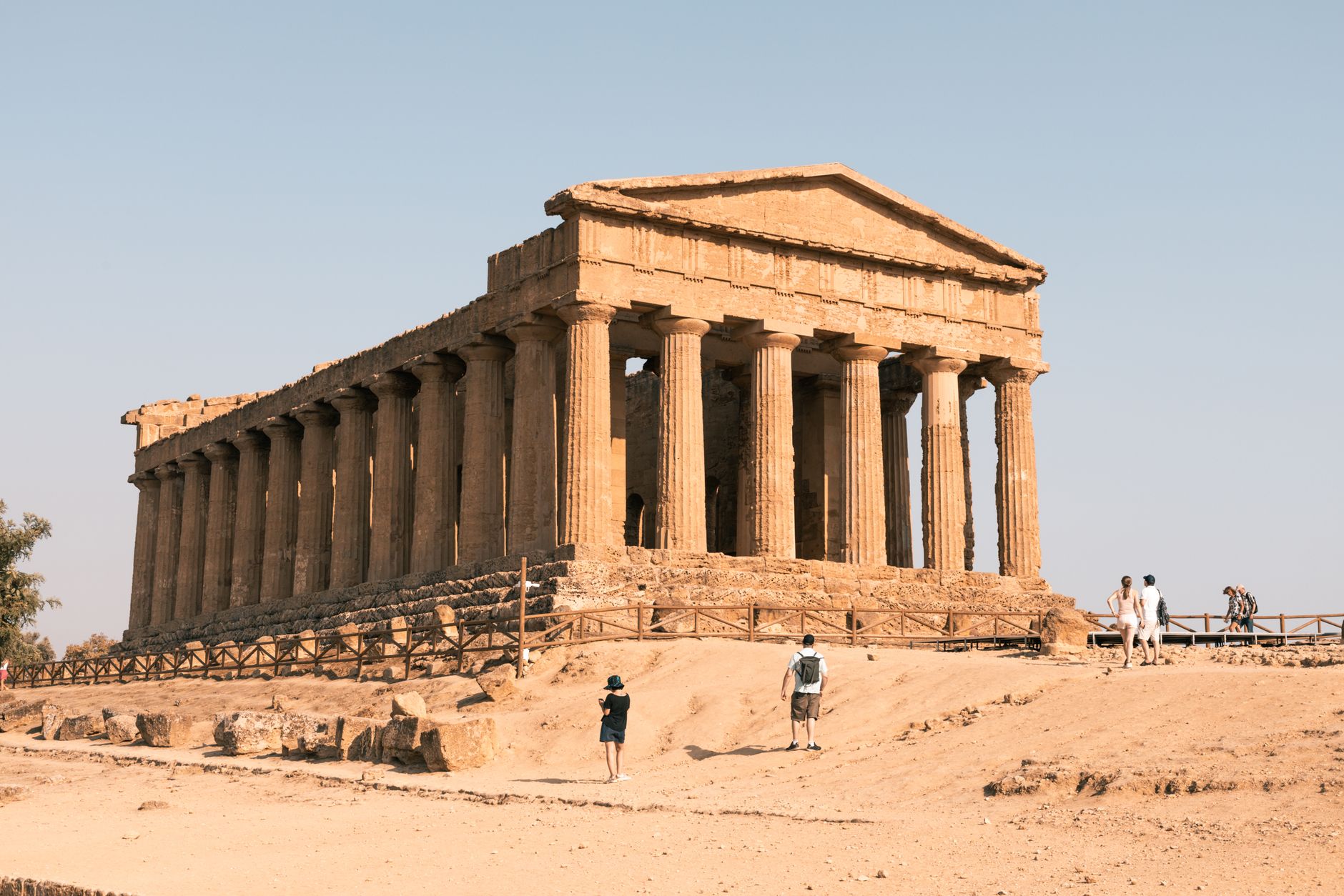
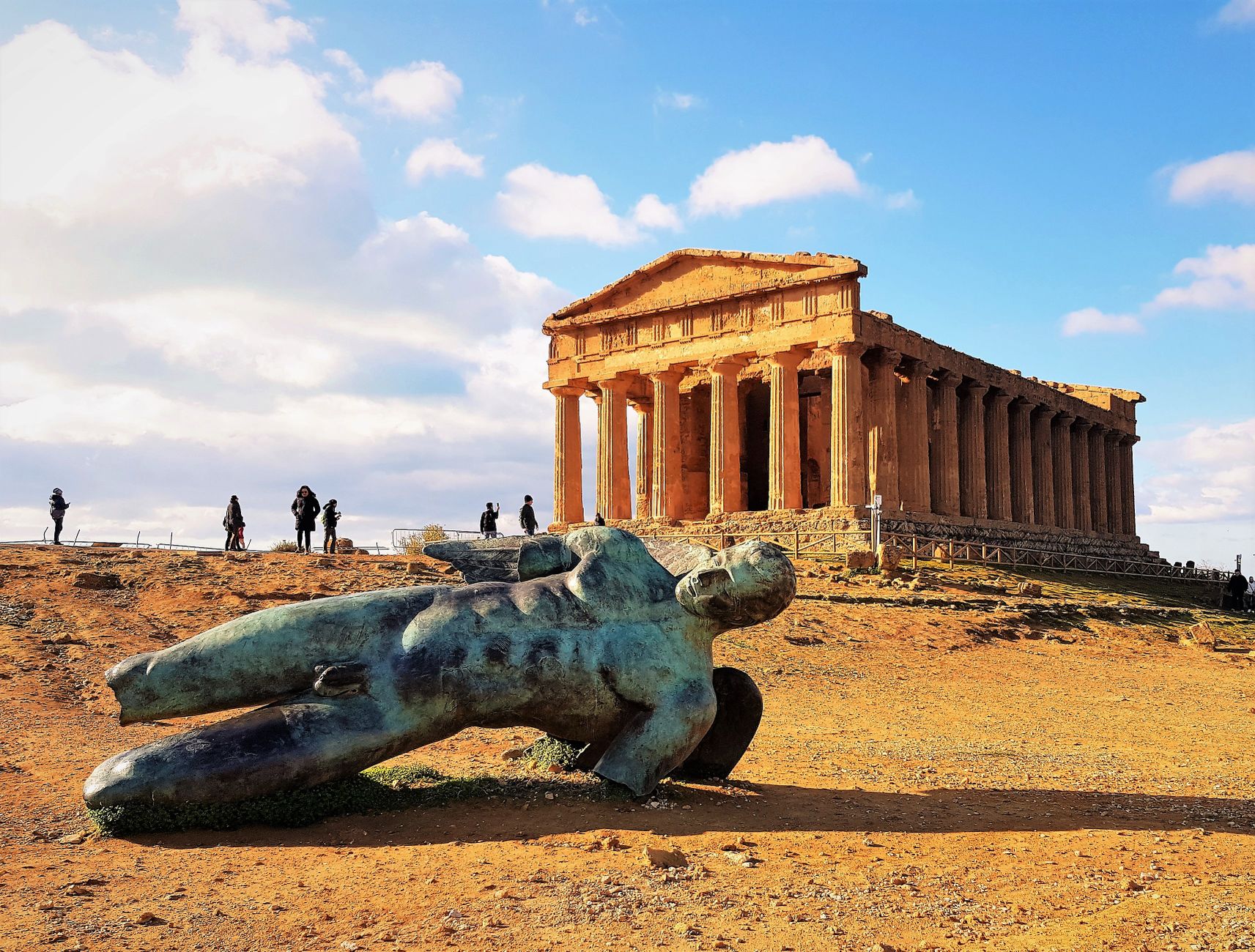
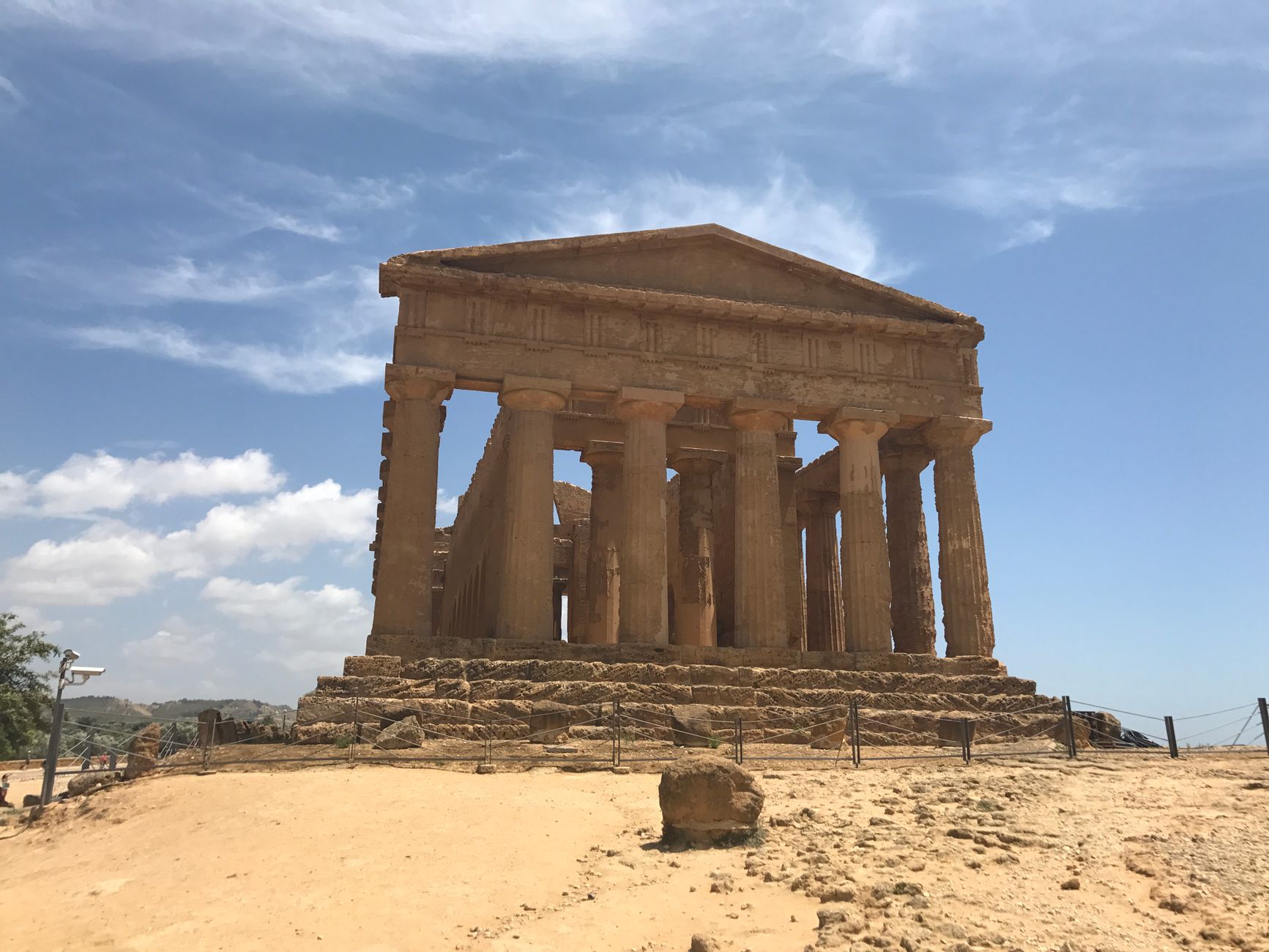
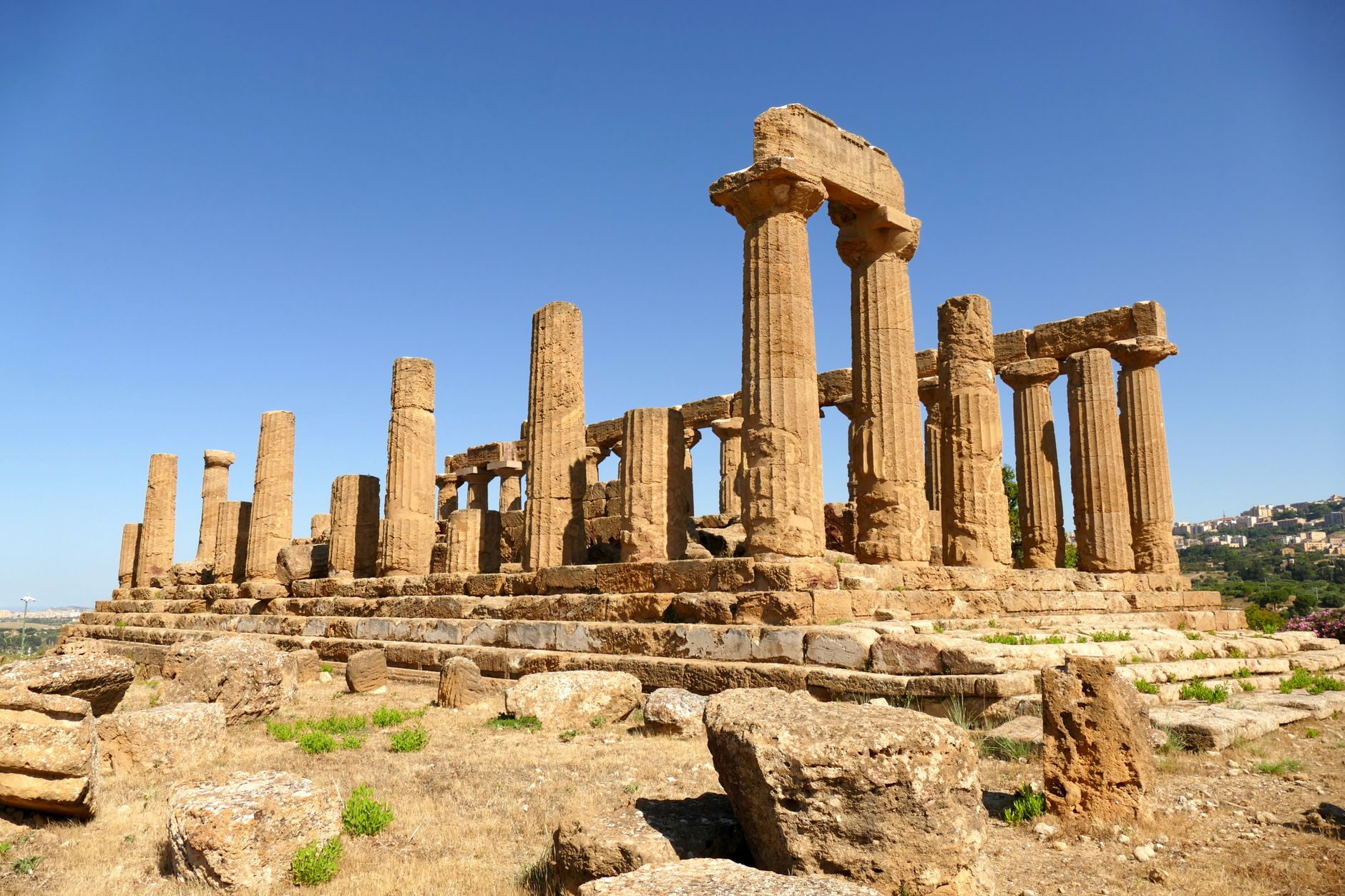
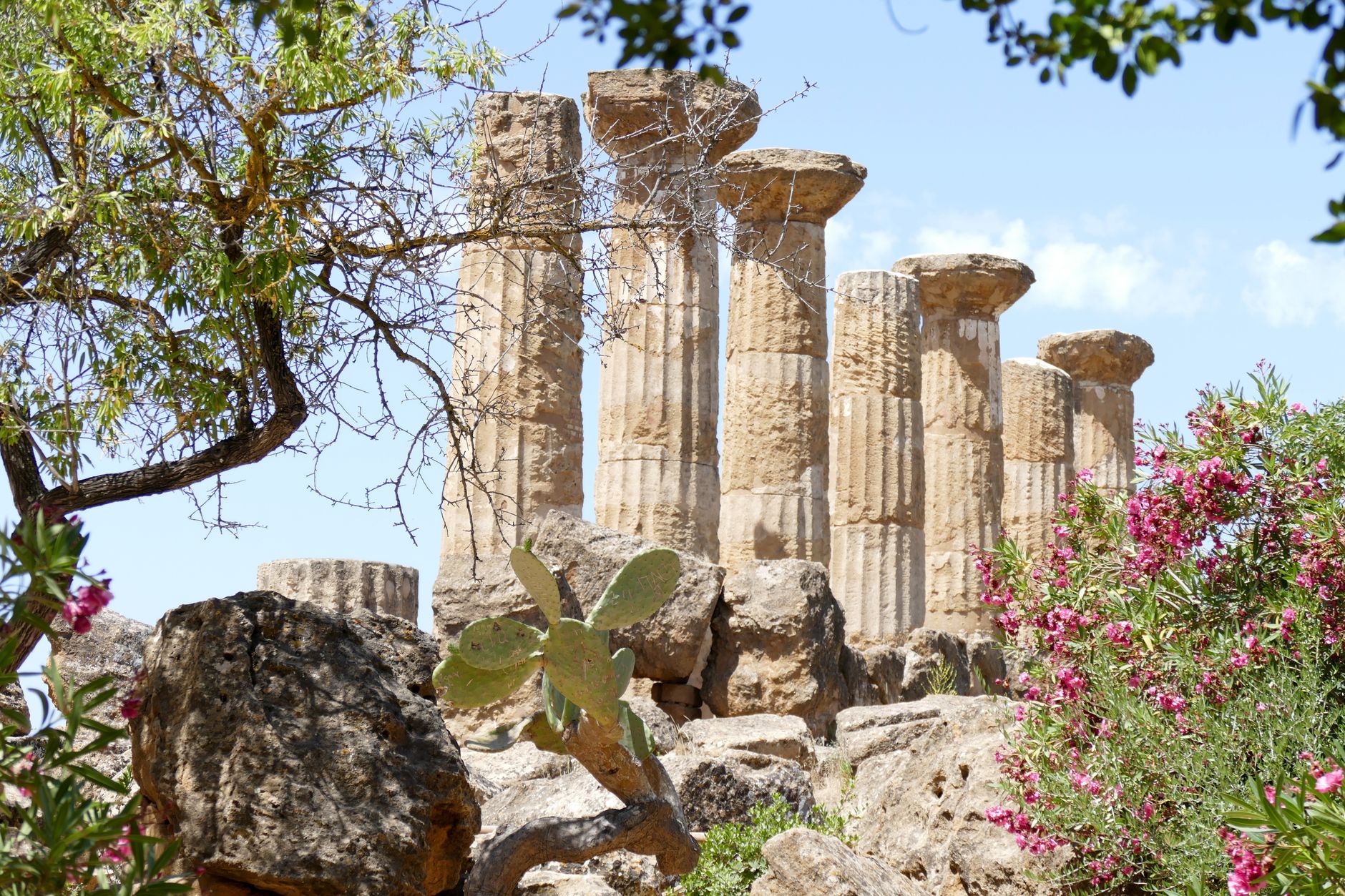
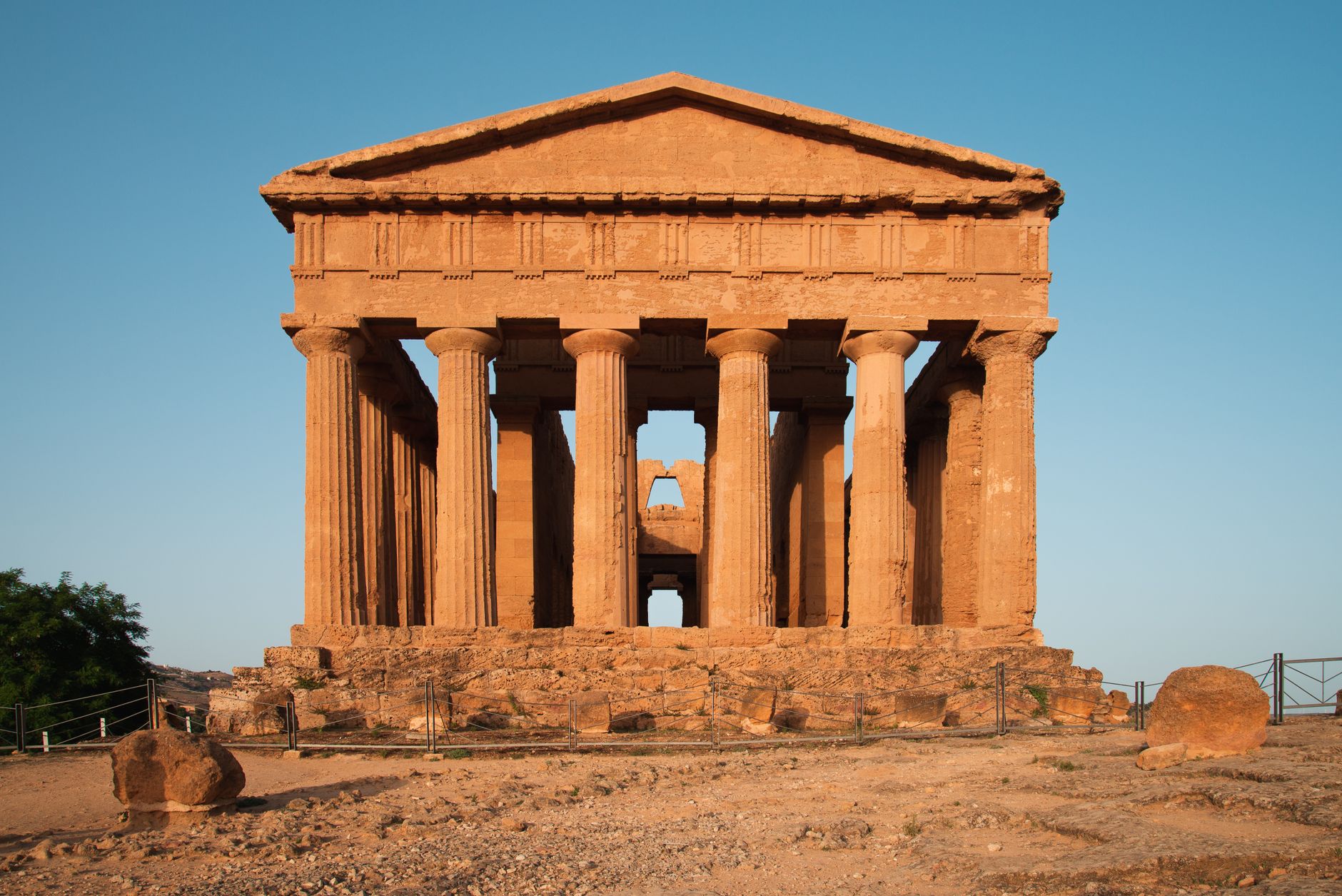
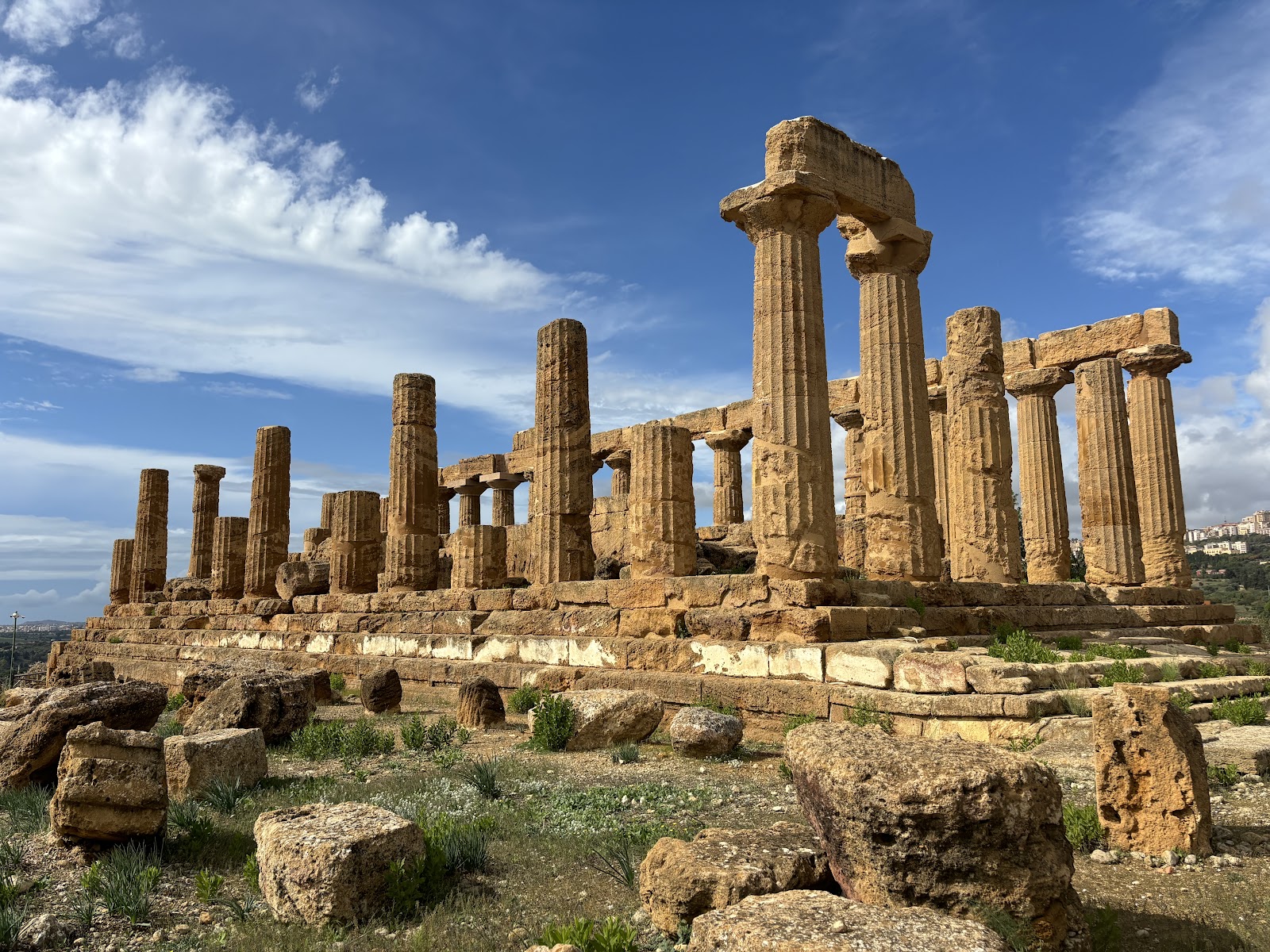
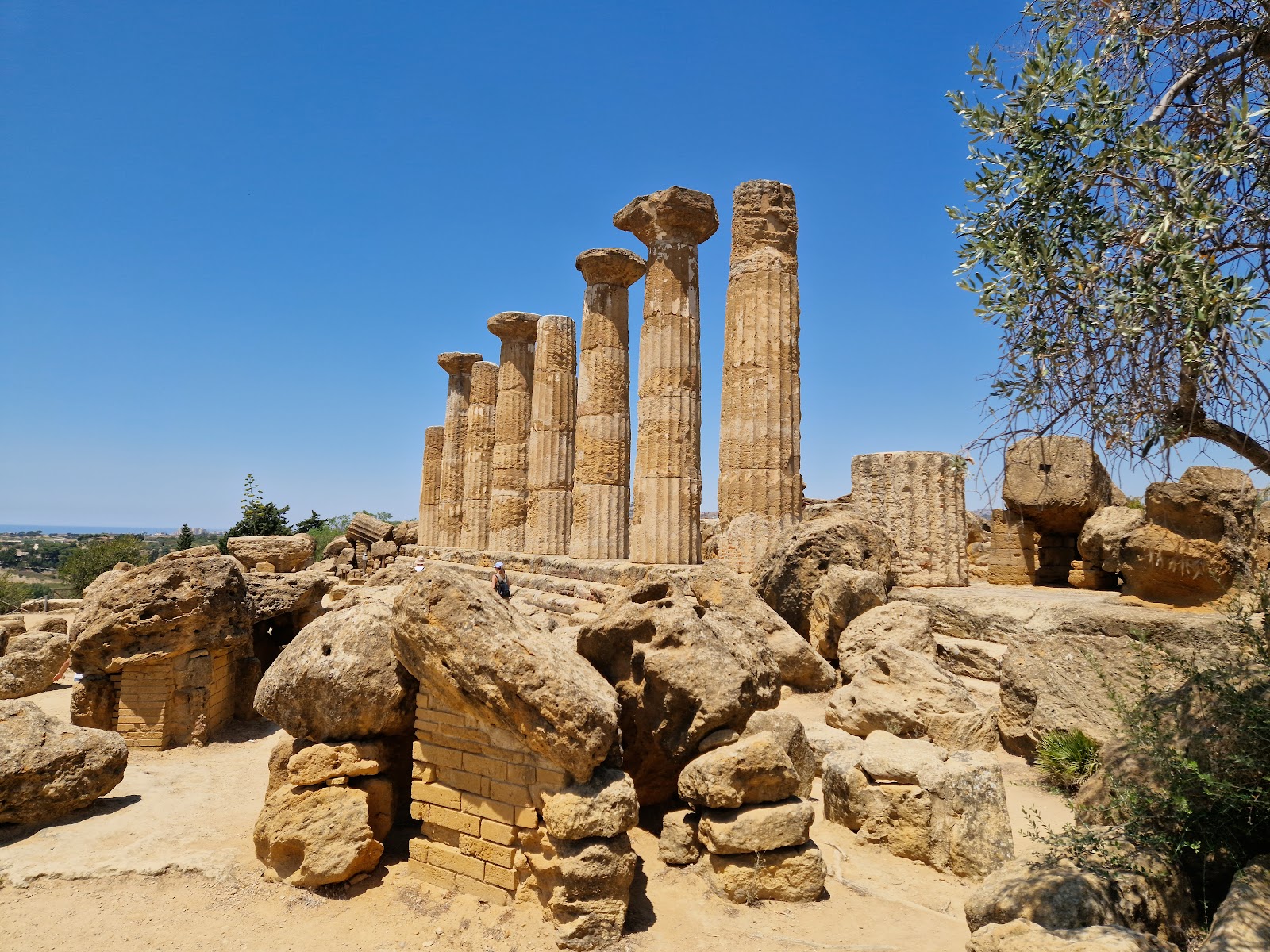
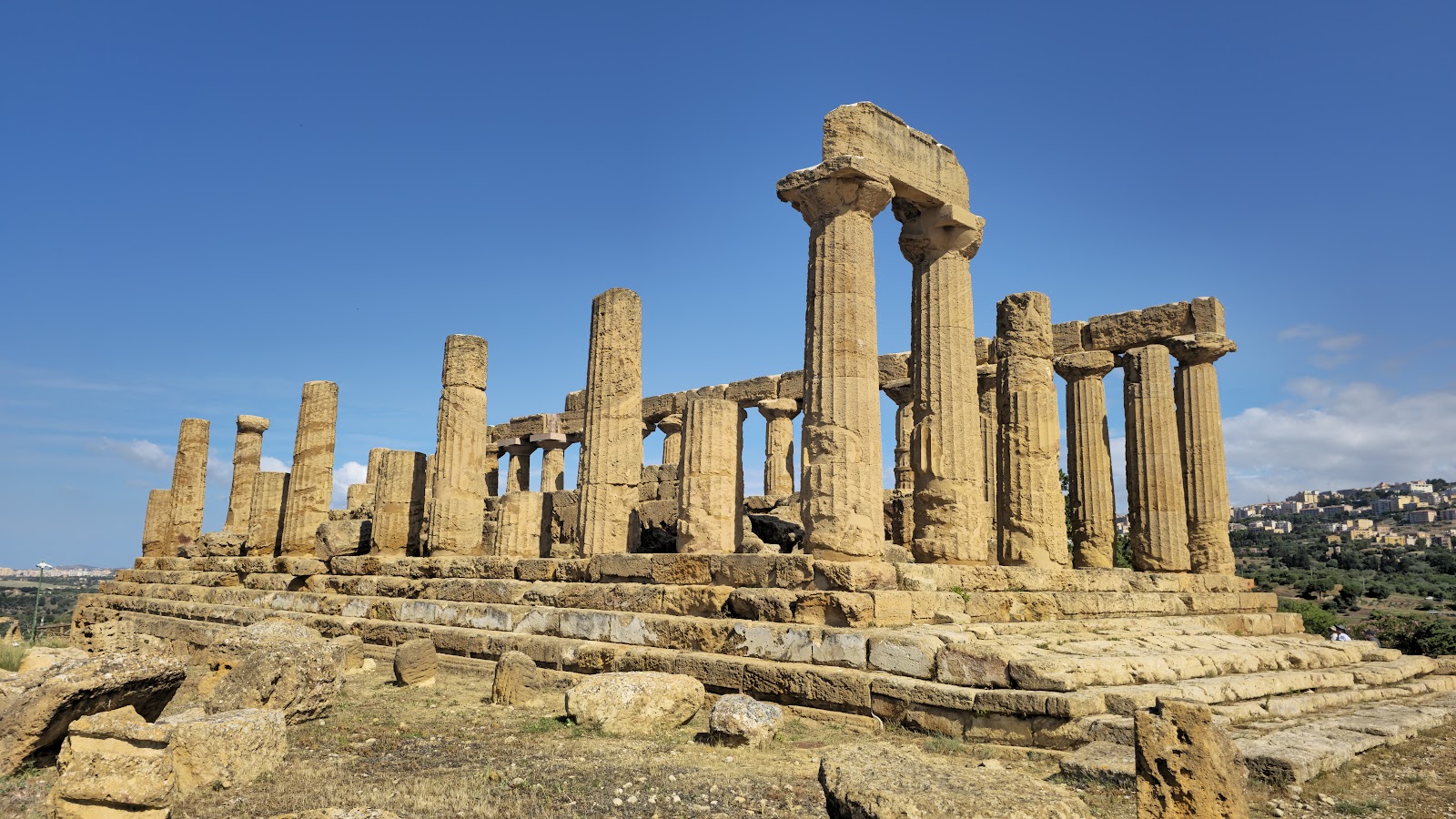
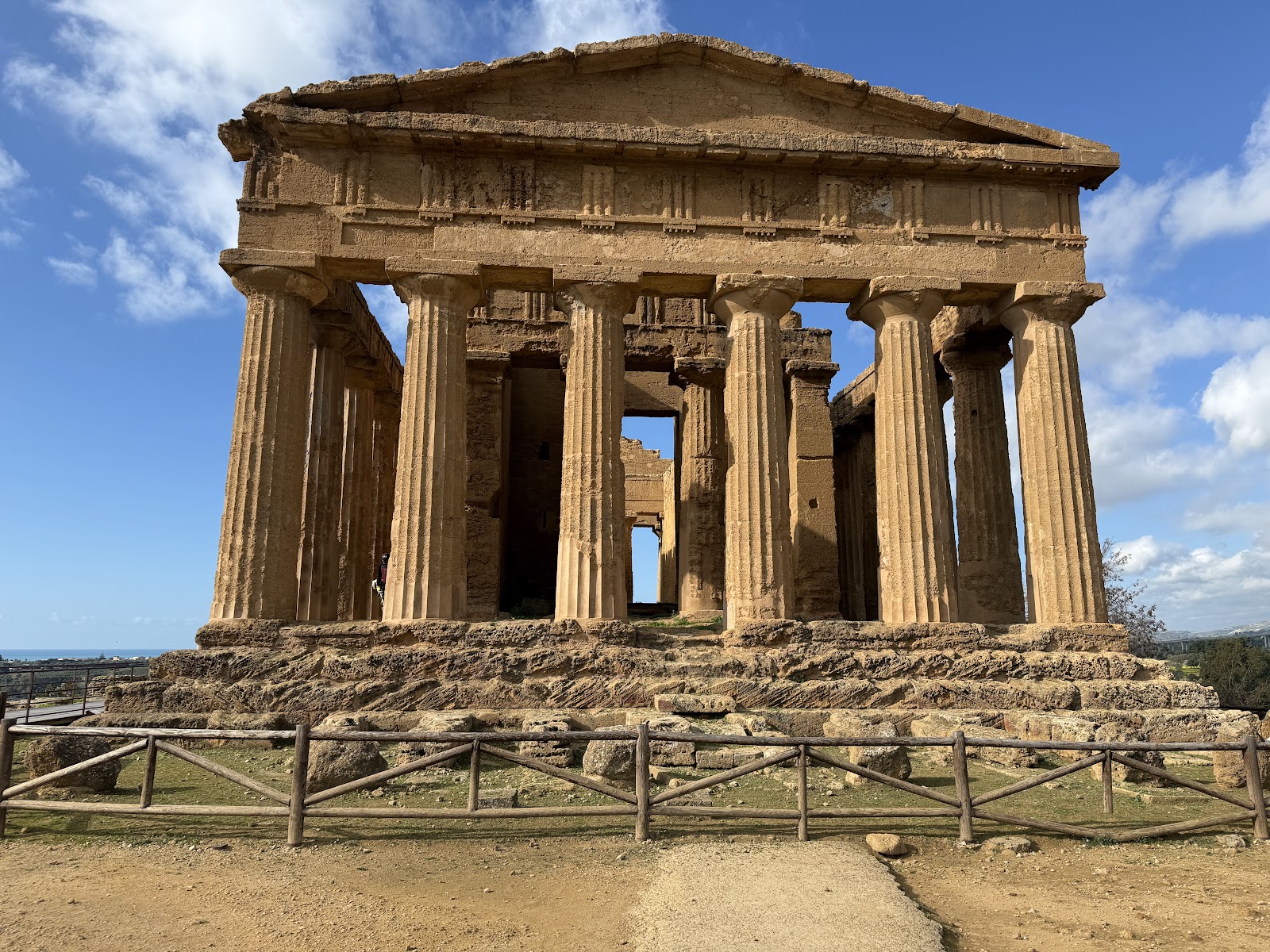
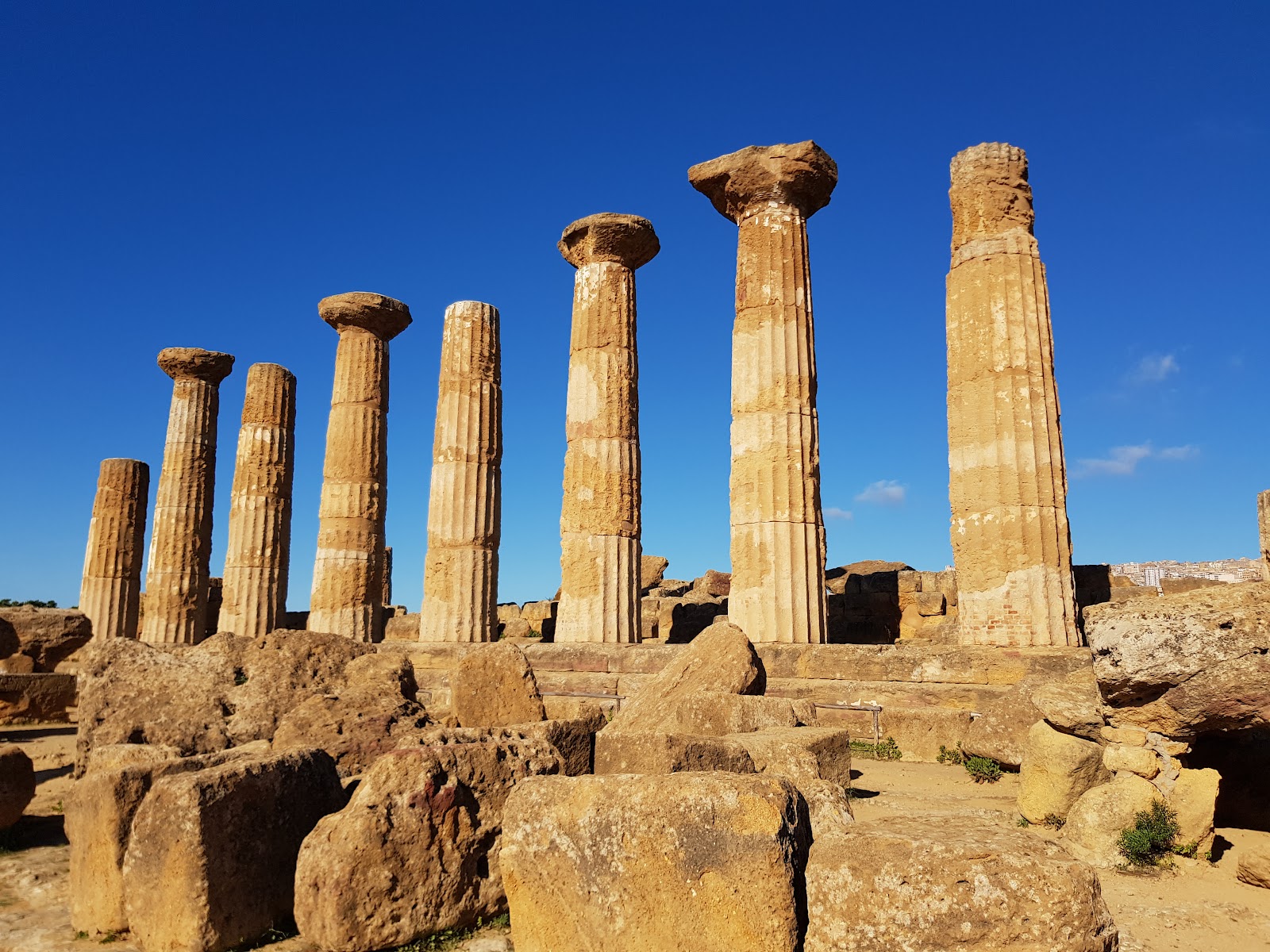
Stand at the edge of the Valle dei Templi at dusk and you are looking at seven Doric temples strung along a limestone ridge above the sea — some still standing, one reduced to four columns, one that would have been the largest Greek temple ever built had the Carthaginians not interrupted the work. The valley is Europe's largest archaeological park, covering 1,300 hectares, and the scale of it only becomes real when you walk it.
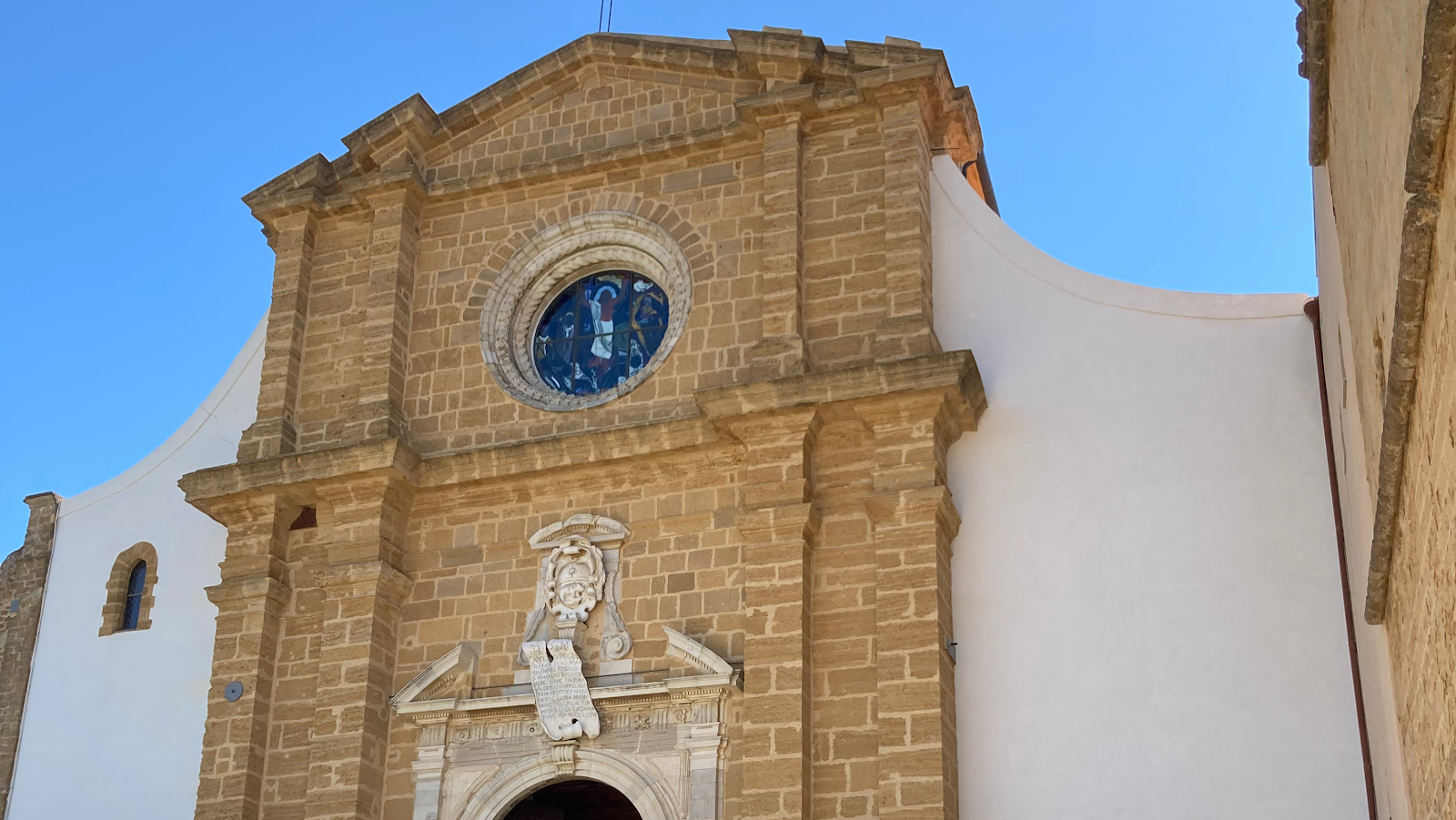
Agrigento itself sits on the ridge above, a city that has been Greek, Carthaginian, Roman, Arab, Norman and Fascist-renamed in sequence. The historic centre, locally still called Girgenti, is a place of Romanesque churches, noble palaces on the pedestrian Via Atenea, and a past dense enough to take more than one visit to absorb.
💛 What travellers fall for
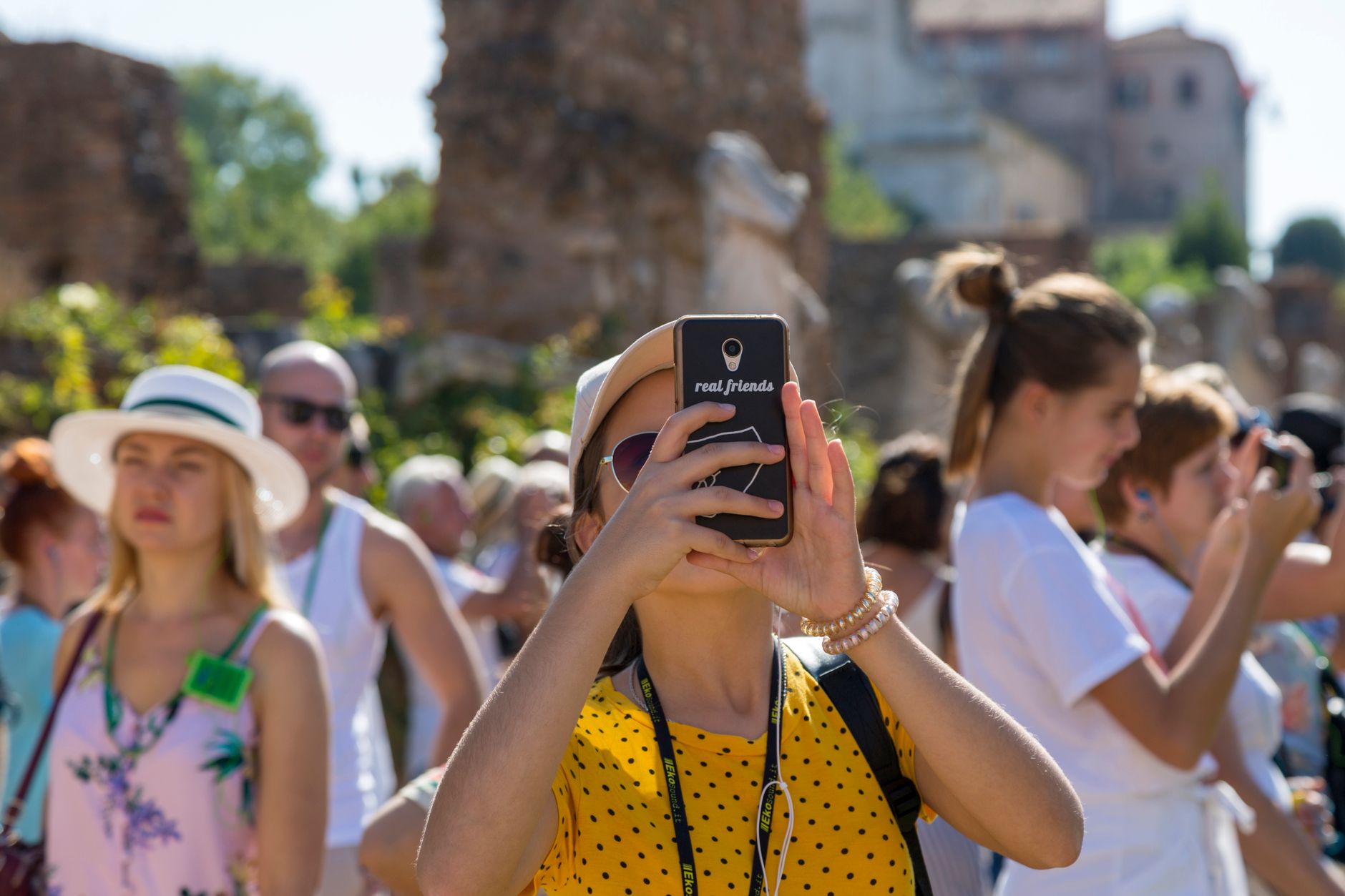
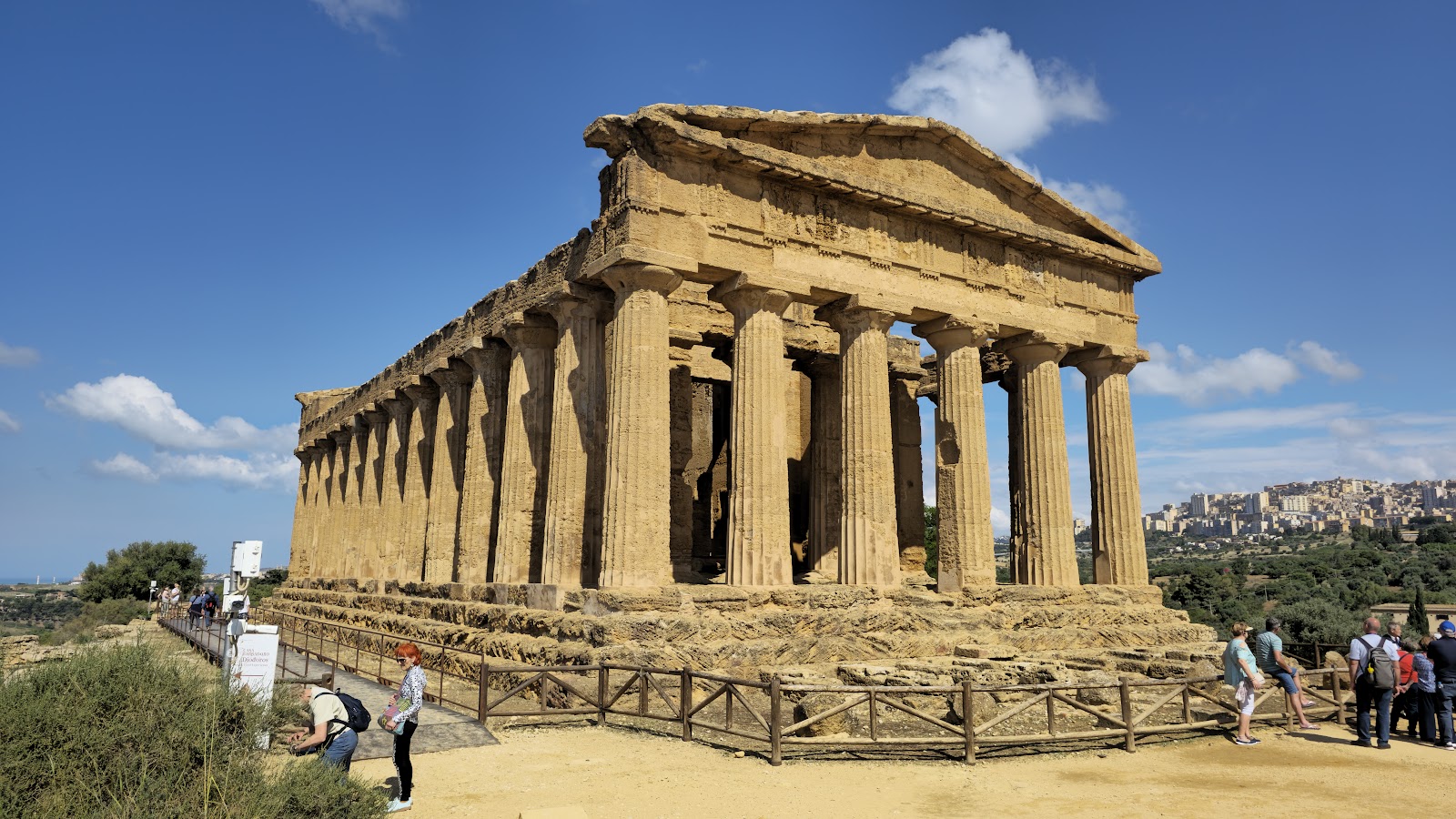
People who come back tend to time the Temple of Concordia for early morning, before the tour groups arrive, and spend the afternoon in the Museo Archeologico Regionale Pietro Griffo — which most first-timers skip. The bus from Agrigento Centrale runs every thirty minutes and drops you at the museum in fifteen. Worth the coins.
Experiences you don't want to miss



Deals in Agrigento
Book directly at the provider


How Agrigento came to be
Greek colonists from Gela — with further settlers from Crete and Rhodes — founded the city around 582–580 BC, the last of the major Greek colonies in Sicily. Under the tyrant Theron, it reached its peak in 480 BC with a victory over Carthage at the Battle of Himera; the unfinished Temple of Olympian Zeus was begun that same year to celebrate the win. Carthage returned and sacked the city in 406 BC, a blow from which it never fully recovered.
Rome took it during the First Punic War in 262 BC, then again in 210 BC, renaming it Agrigentum. Saracens called it Kirkant in 828 AD; Norman Count Roger I established a bishopric in 1087 under the name Girgenti. Mussolini Italianized the name to Agrigento by decree in 1927. The historic centre quietly reclaimed the Sicilian name Girgenti in 2016, at the suggestion of writer Andrea Camilleri.
Who and what shaped it
People who shaped it
Landmark buildings
See Agrigento in motion
Plan your visit
On the map
When to go
Summers are hot and dry, often above 35°C — the valley offers little shade, so mornings matter. Spring (March to May) and autumn (September to October) bring mild temperatures and clearer light that does better things to the honey-coloured stone.
Right now
↡ Attractions




Background & history adapted from Wikipedia (CC BY-SA) · specs from Wikidata (CC0) · weather from Open-Meteo · map data © OpenStreetMap contributors · photos from Wikimedia Commons / Unsplash with per-image credit. No third-party reviews or social posts reproduced.