
Addu Atoll (Seenu)



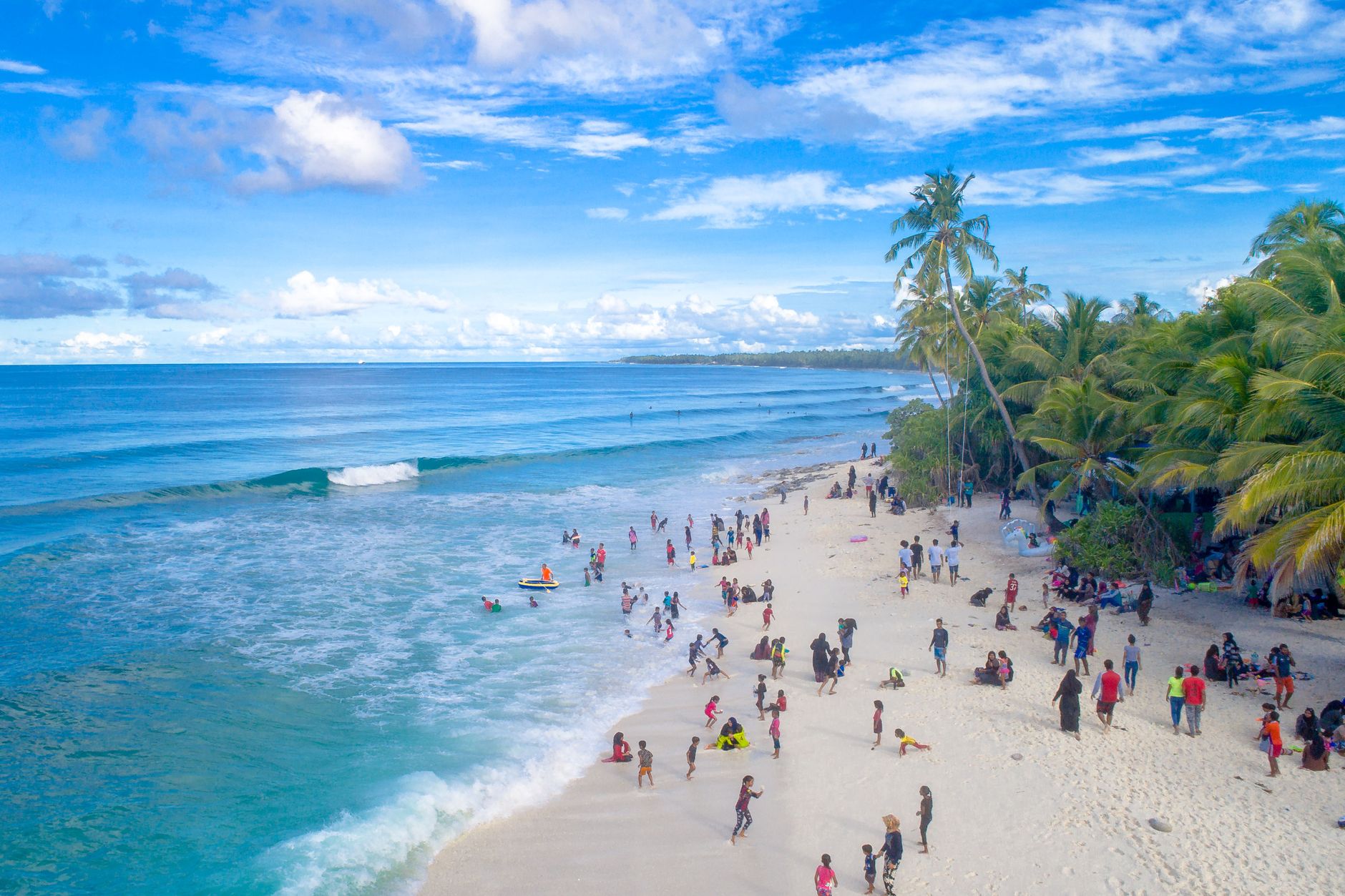
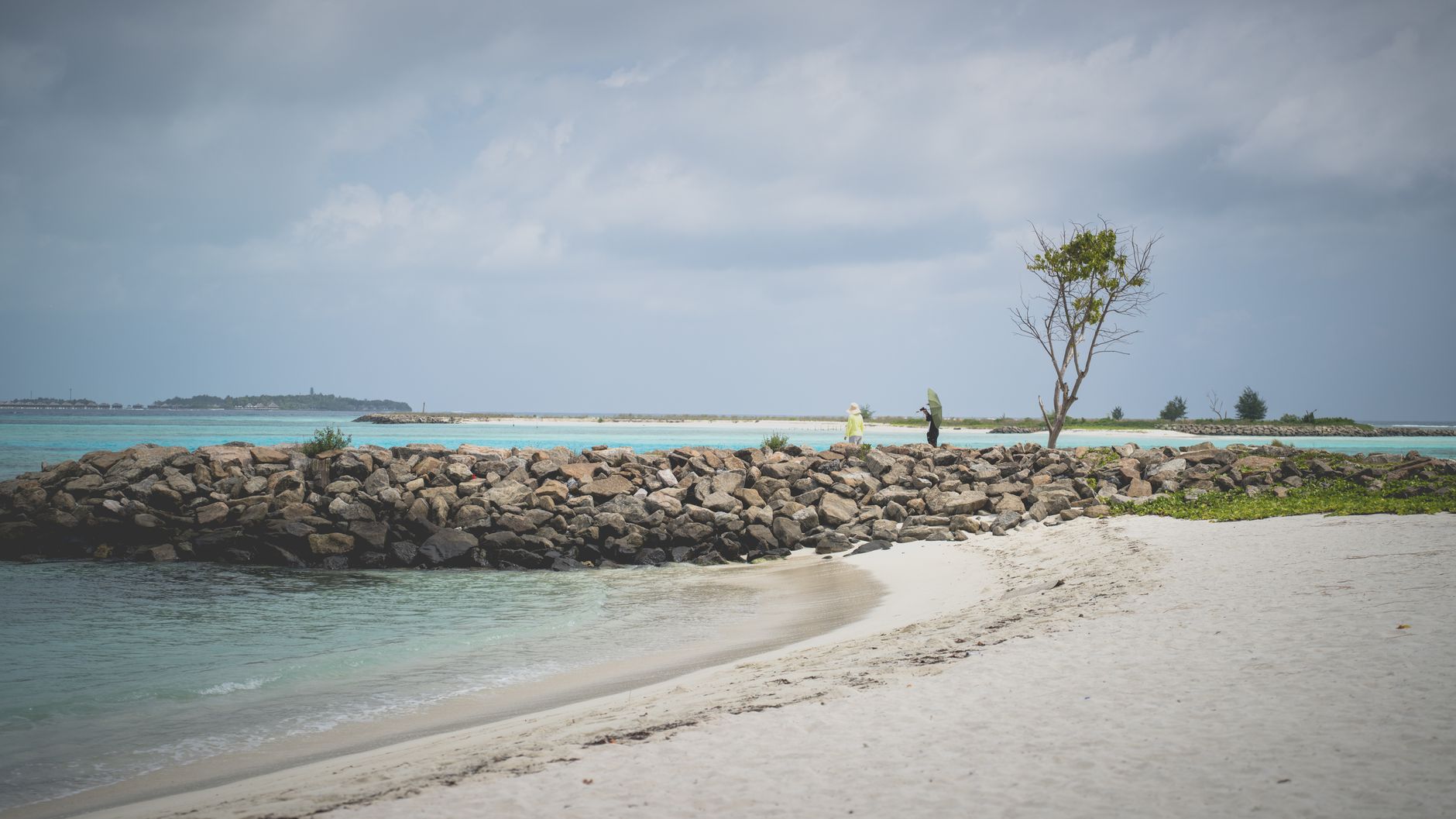

Addu Atoll sits almost exactly on the equator, 540 kilometres south of Malé, and it has the quiet confidence of a place that has never needed to compete. The southernmost atoll in the Maldives, it curves around a wide lagoon and connects five islands by a 14-kilometre causeway — the longest in the country — so you can cycle from the capital, Hithadhoo, all the way to the airport island of Gan without once getting on a boat.
What sets Addu apart is the sediment of its history: Buddhist mounds, a 900-year-old cemetery, the ghost of a Cold War RAF base, and a dialect so distinct it became the lingua franca of the entire southern Maldives. This is the atoll where the country's edges show most clearly.
How Addu Atoll (Seenu) came to be
People have been living on these islands for more than 2,000 years, with the earliest settlers arriving from the Indian subcontinent around 500 BCE. Buddhism shaped the atoll for centuries — stone dagaba mounds and vihara foundations survive on Gan and Hulhumeedhoo — before Islam arrived roughly 800 years ago. The 12th-century Fandiyaaru Miskiiy mosque and the vast Koagannu Cemetery in Meedhoo, believed the oldest and largest in the Maldives, mark that turning point.
The 20th century brought a different kind of arrival. During World War II, British Admiral James Somerville identified Gan Island as a strategic Indian Ocean base, and the Royal Navy built fuel tanks, a flying boat station, and an airstrip there. The base passed to the RAF in 1957 and ran until 1976. In 1959, Addu briefly declared independence as part of the United Suvadive Republic before reintegration with the Maldives in 1963. The old RAF buildings on Gan now house a resort; a British military cemetery remains.
Who and what shaped it
People who shaped it
Landmark buildings
See Addu Atoll (Seenu) in motion
Plan your visit
On the map
When to go
The dry northeast monsoon, roughly November to April, brings calmer seas and lower humidity — the more comfortable window for exploring by road or water. From May through October the southwest monsoon delivers rain and choppier conditions, though temperatures stay in the low-to-mid 30s Celsius year-round.
Right now
Background & history adapted from Wikipedia (CC BY-SA) · specs from Wikidata (CC0) · weather from Open-Meteo · map data © OpenStreetMap contributors · photos from Wikimedia Commons / Unsplash with per-image credit. No third-party reviews or social posts reproduced.