
Acapulco
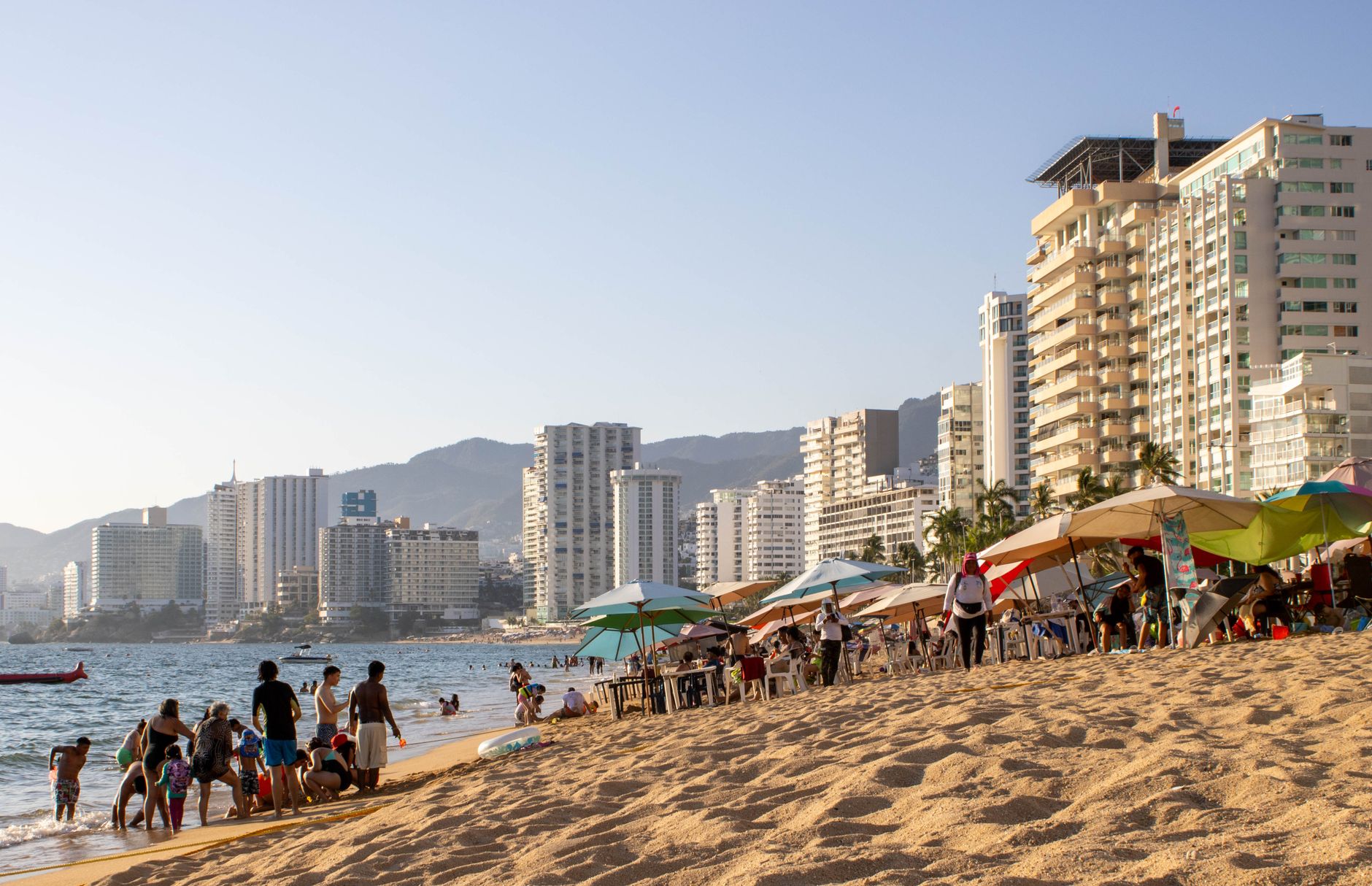
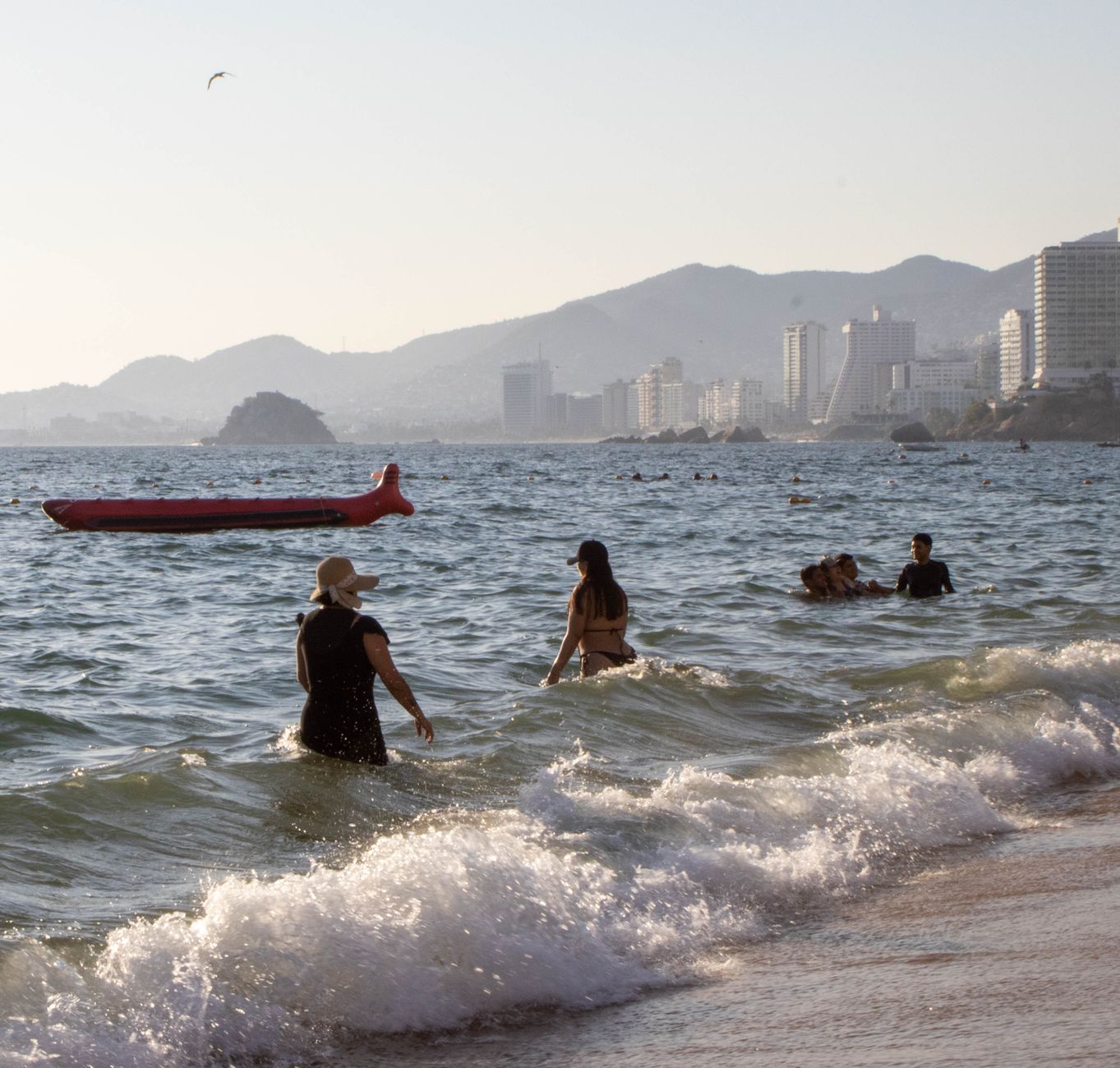
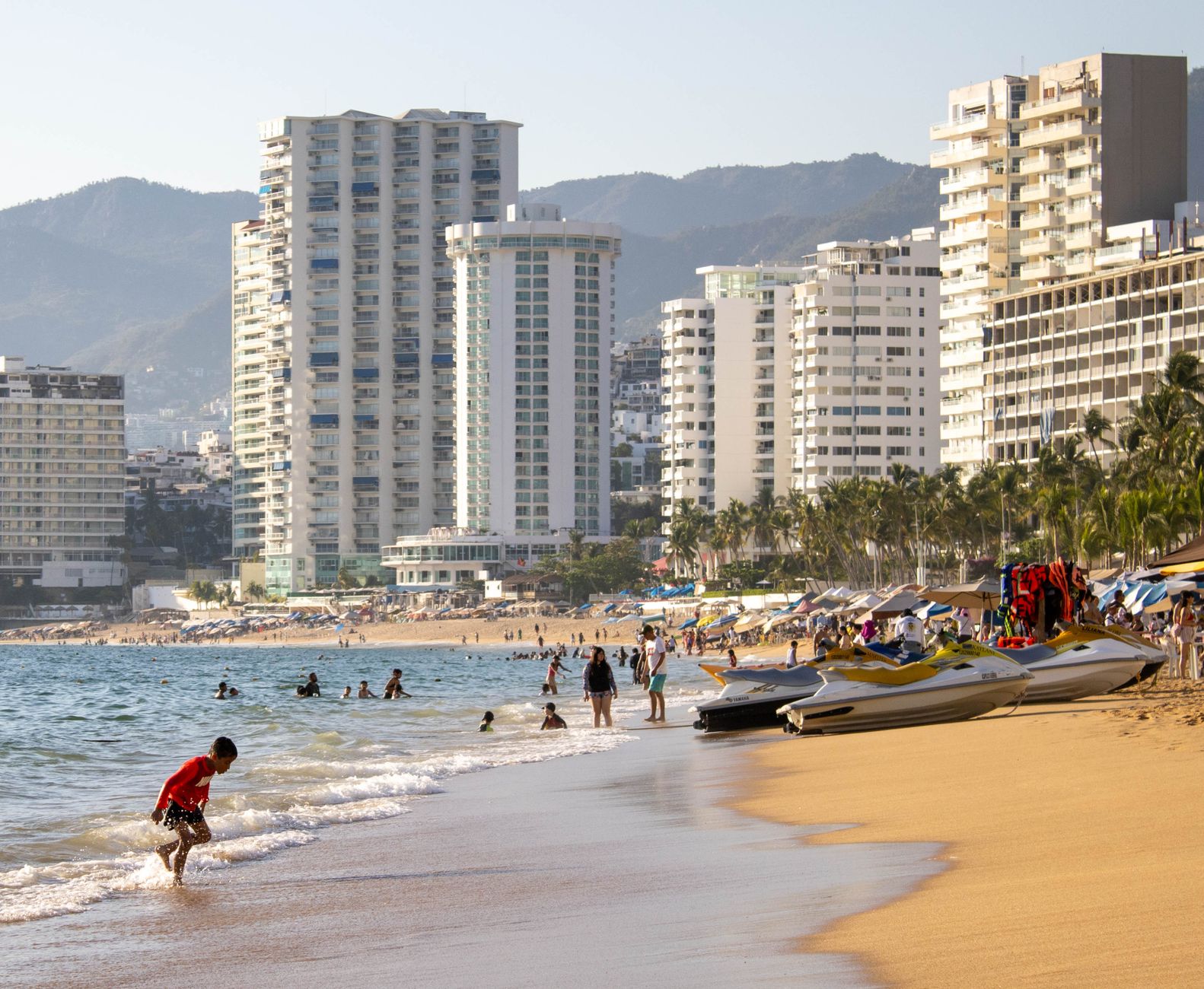
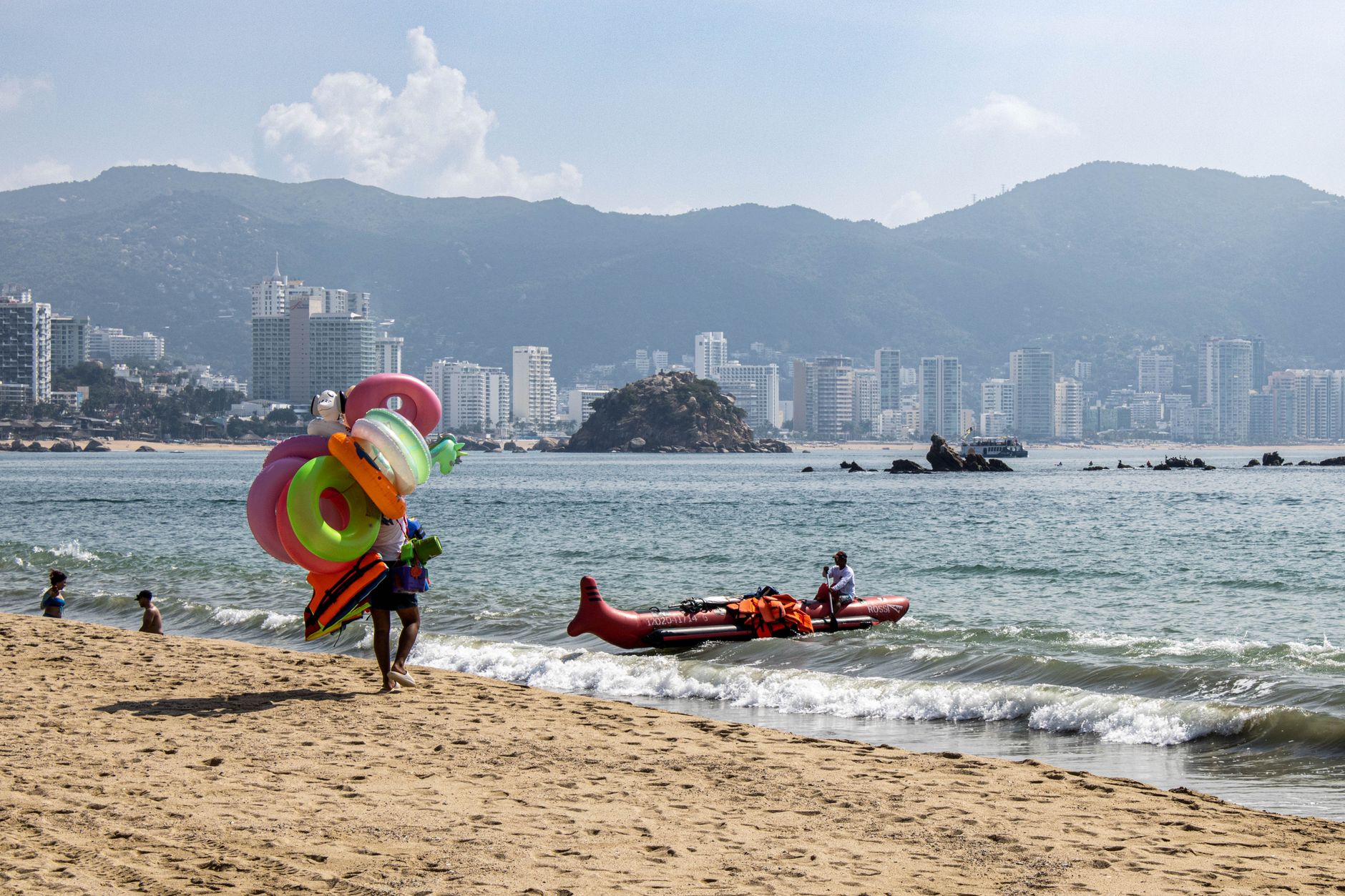
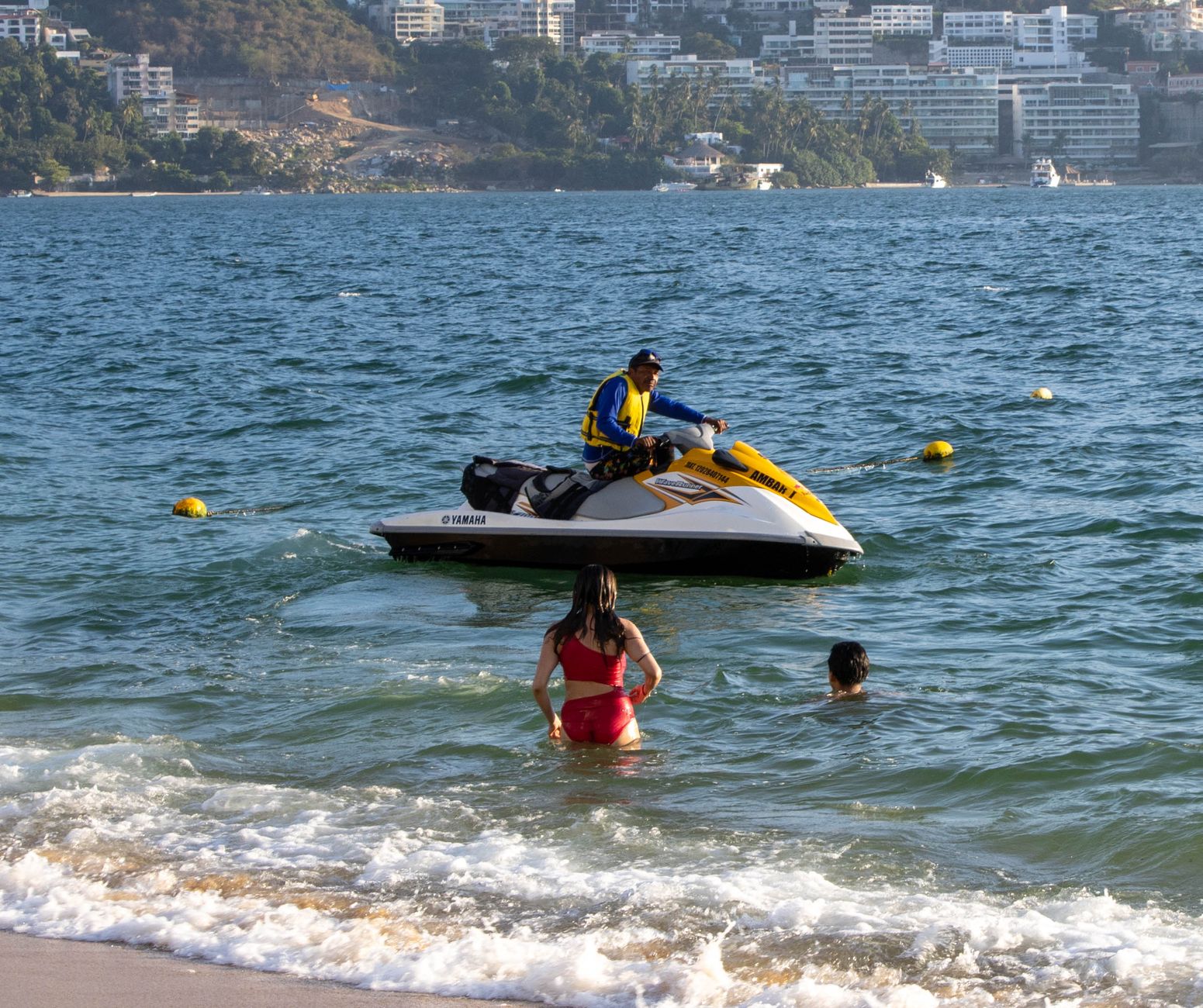
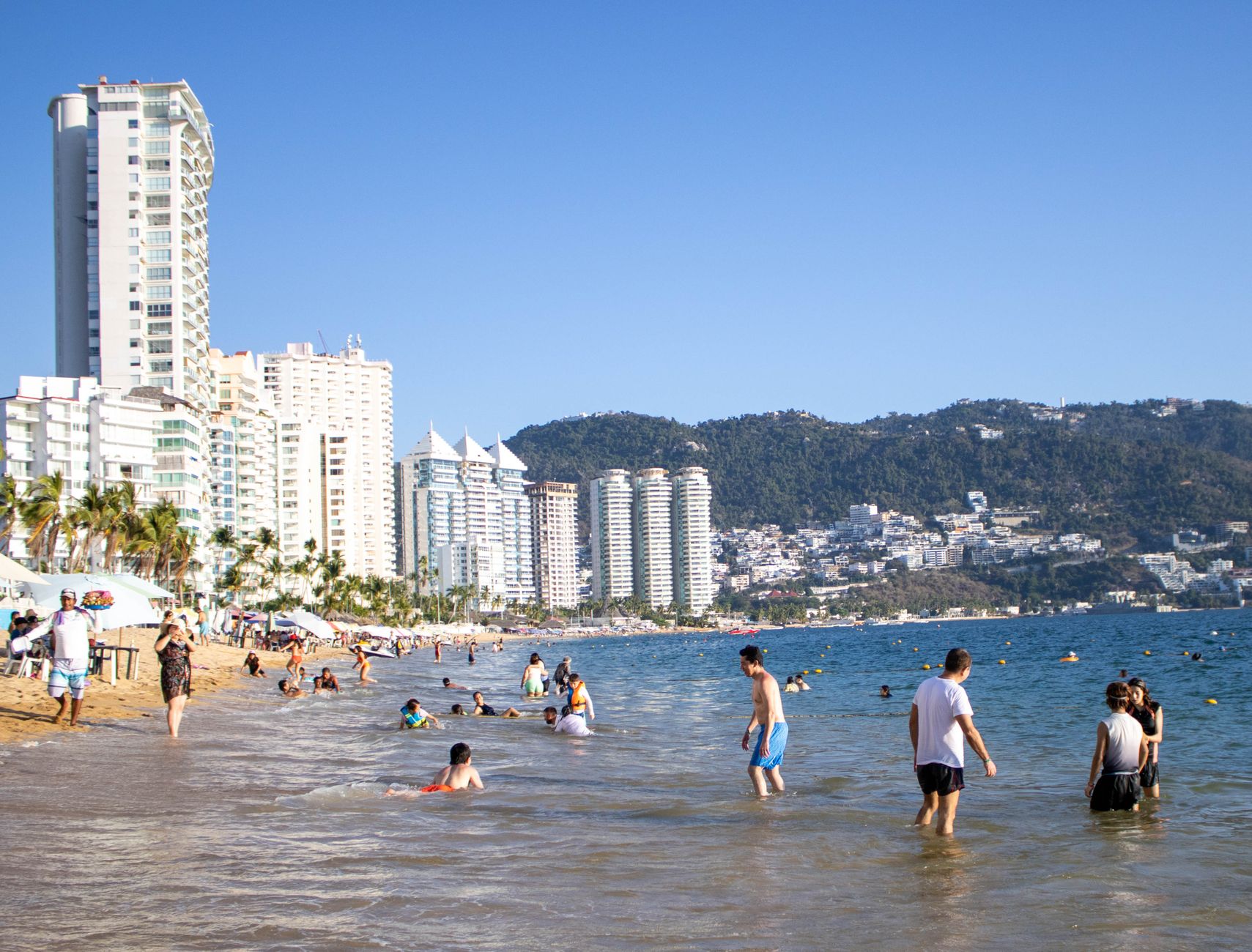
Acapulco announces itself with a curve. The bay swings around in a wide crescent, and the boulevard — Costera Miguel Alemán — follows its edge past high-rise hotels, open-air restaurants and the kind of late-afternoon light that turns everything copper. At La Quebrada, men have been diving from a 35-metre cliff into a narrow sea channel since 1934, timing their entry to the exact moment a wave surges in below them. It is still worth watching.
This is a city that has been reinventing its relationship with visitors for centuries — from Manila Galleon terminus to playground for European royalty to a democratic beach resort that the Mexican middle class made its own. That layered past is still visible if you look past the shoreline.
How Acapulco came to be
Acapulco's modern story begins as a colonial logistics problem. Hernán Cortés needed a Pacific port, and by the early 1530s this bay was it. From 1565, the Manila Galleon — one of history's longest trade routes — made annual runs between here and the Philippines, carrying silk, porcelain and spices eastward and silver westward. Fort San Diego, the pentagonal fortress built between 1615 and 1617 to defend that wealth from pirates, still stands above the bay, rebuilt after an 1776 earthquake and now housing the city's historical museum.
Mexican independence in 1821 ended the galleon era, and the port slowly faded until a highway to Mexico City opened in 1927. A visit from the Prince of Wales in 1920 had already nudged it onto the European elite's radar. By the 1960s and 1970s, cheaper hotels and transport had turned what was once a millionaire's retreat into a destination for ordinary Mexican and foreign travellers.
Who and what shaped it
People who shaped it
Landmark buildings
See Acapulco in motion
Plan your visit
On the map
When to go
Acapulco is hot year-round, with daily highs consistently between 29°C and 31°C. December through April brings drier, marginally less humid conditions — the window most visitors prefer. June to October is rainy and muggy, with afternoon downpours that arrive quickly and leave just as fast.
Right now
Background & history adapted from Wikipedia (CC BY-SA) · specs from Wikidata (CC0) · weather from Open-Meteo · map data © OpenStreetMap contributors · photos from Wikimedia Commons / Unsplash with per-image credit. No third-party reviews or social posts reproduced.