
Abu Dhabi
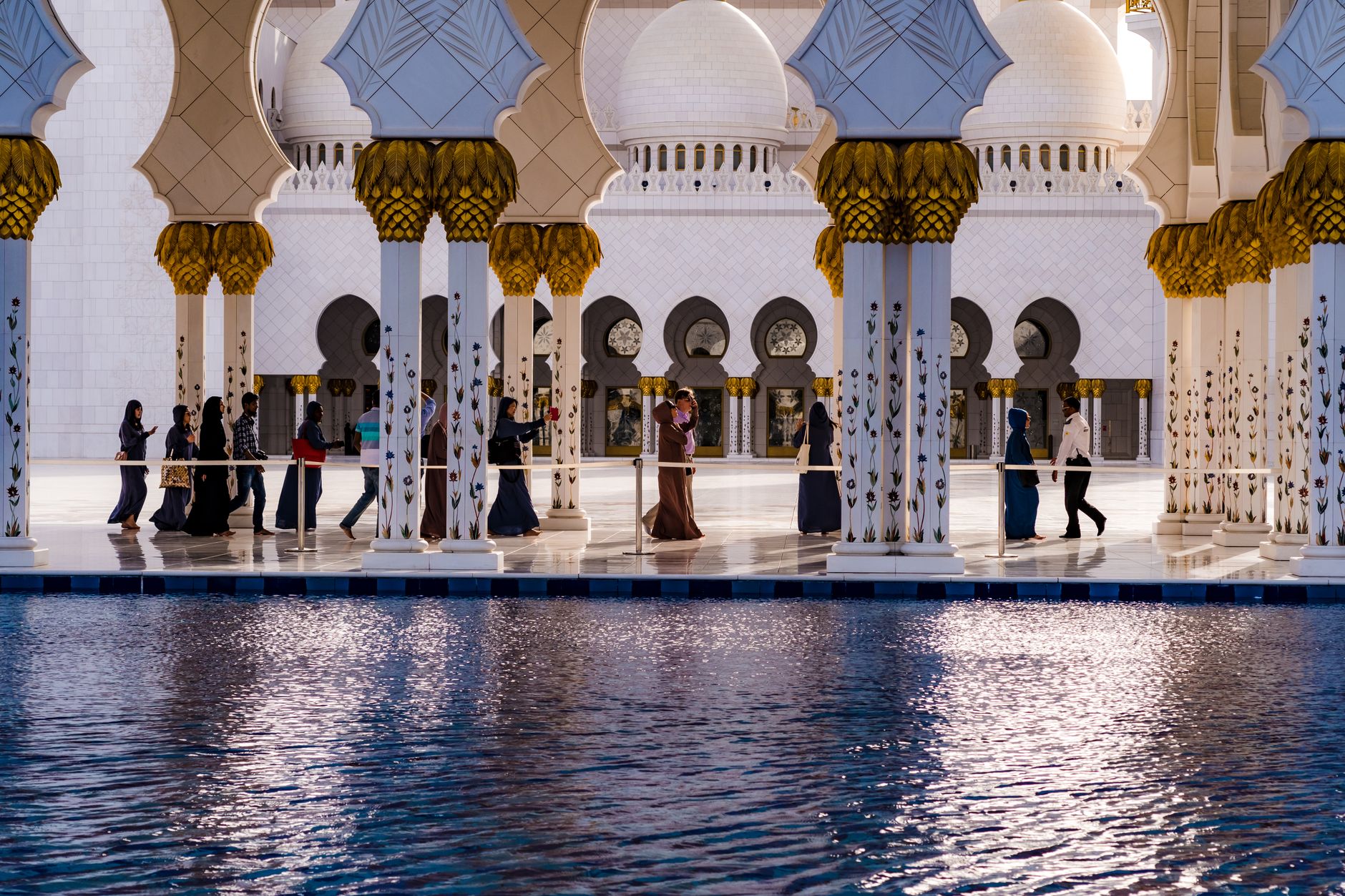
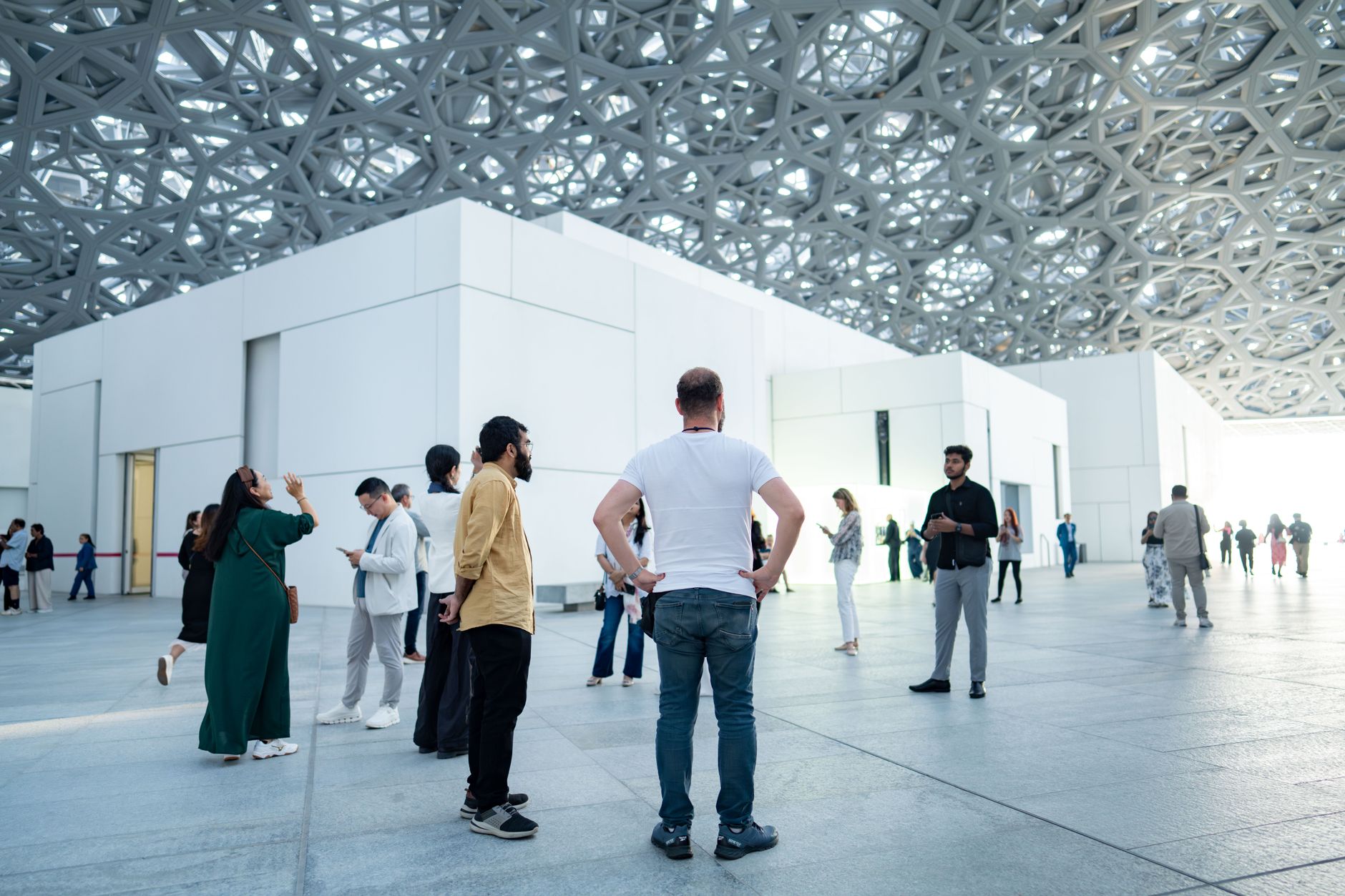
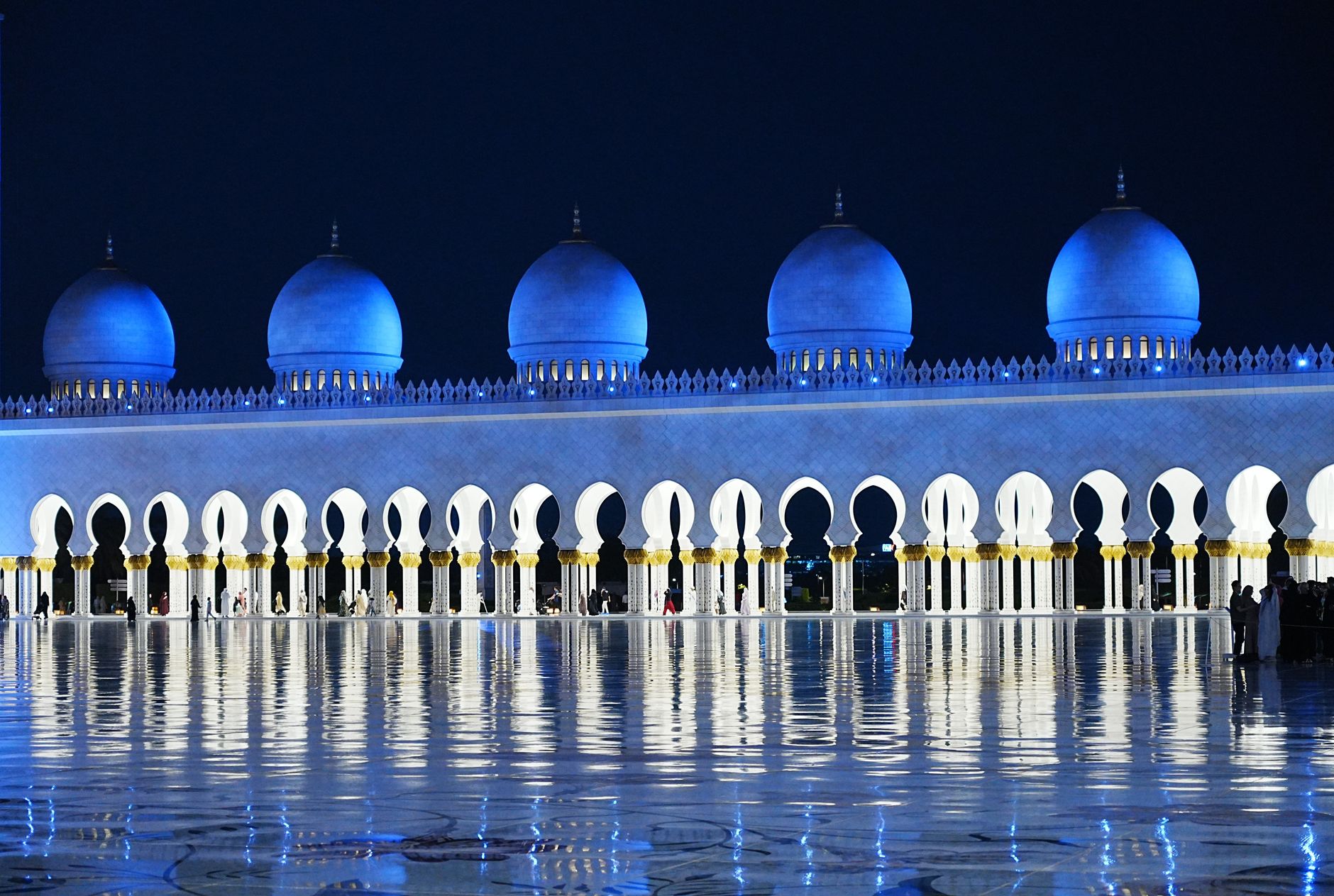

Abu Dhabi sits at the edge of the Arabian Gulf on an island connected to the mainland by bridges, and the view from the Corniche — flat water on one side, a low skyline of glass and white stone on the other — tells you something true about the place: it is still figuring out what it wants to be, and that tension is most of the interest.
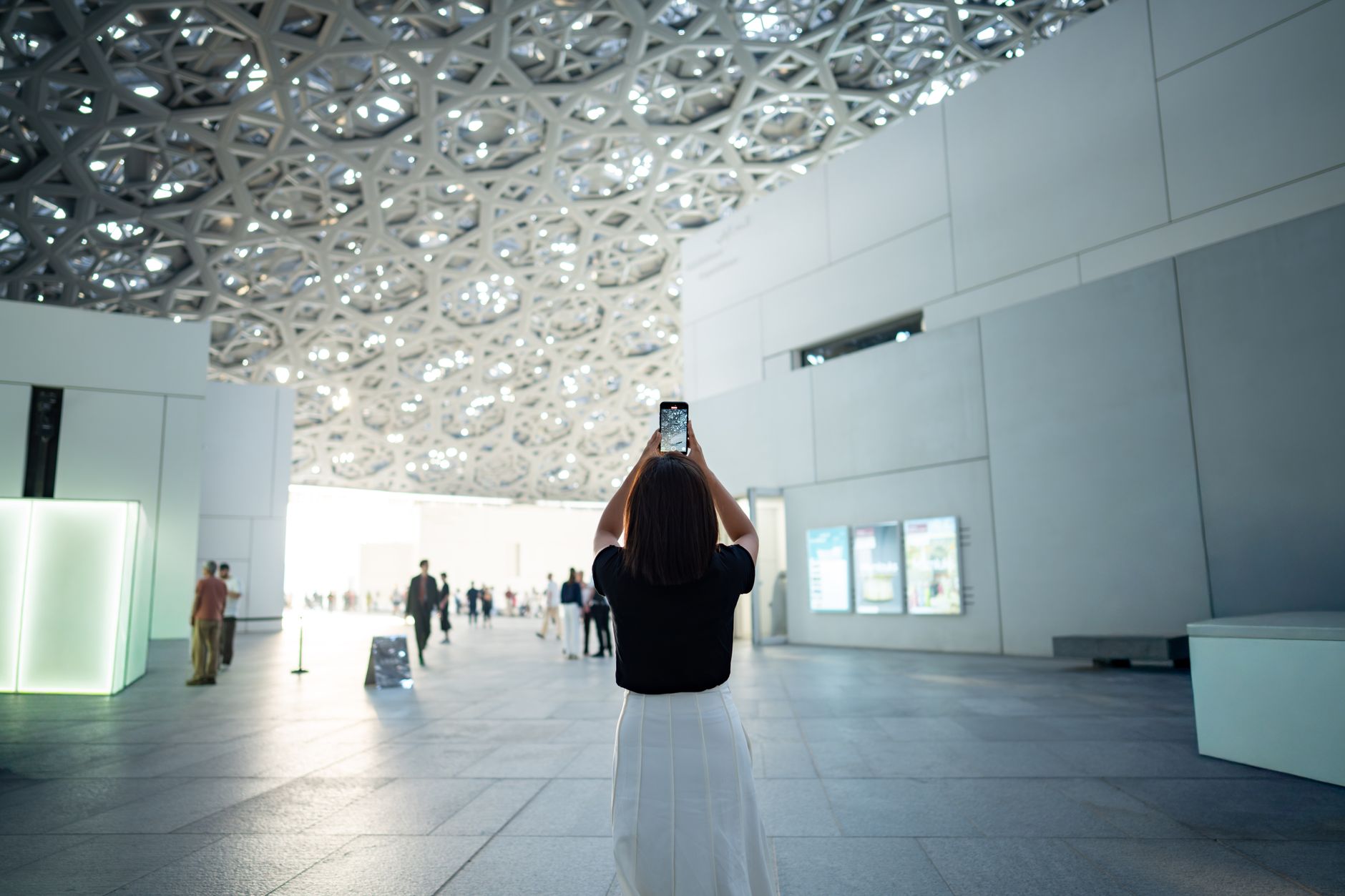
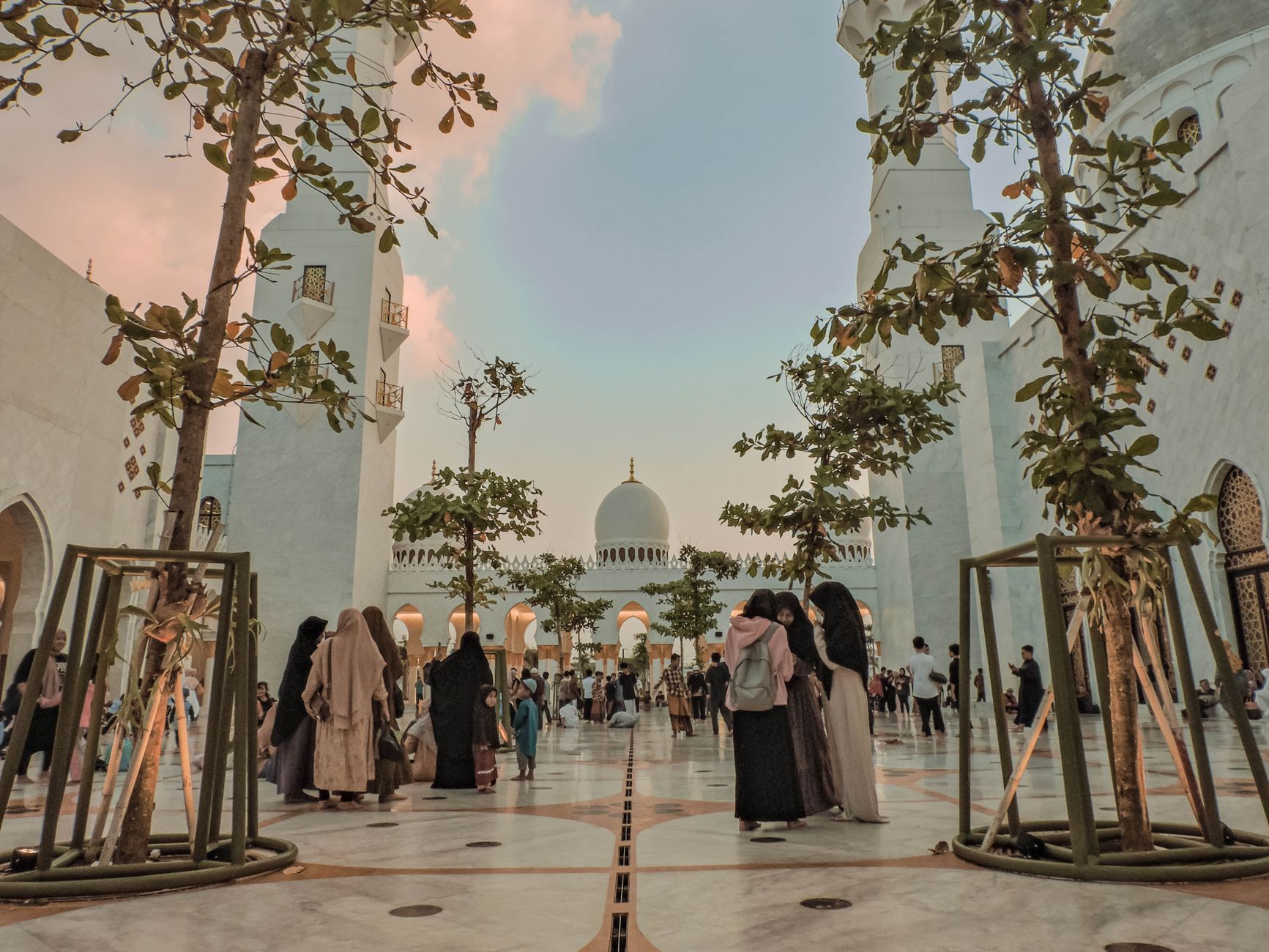
The city holds the UAE's federal capital and the Al Nahyan family's seat of power, but it moves at a different register than its neighbour to the northeast. The pace is slower, the crowds thinner, the ambitions architectural rather than commercial. The Sheikh Zayed Grand Mosque and the Louvre Abu Dhabi alone justify the trip.
How Abu Dhabi came to be
In 1761, members of the Bani Yas tribe followed a freshwater source onto an island at the Gulf's edge and stayed. Their leader, Sheikh Dhiyab bin Isa Al Nahyan, established the settlement, and by 1793 the Al Nahyan family had moved into Qasr Al Hosn — the island's oldest standing structure, now a museum — where they would remain for nearly two centuries.
The modern city arrived fast. Oil was discovered in 1958, two decades after the first petroleum concessions were signed. Sheikh Zayed bin Sultan Al Nahyan took power in 1966, and in 1971 he became the first President of a newly formed federation of six emirates, with Abu Dhabi as its capital. A Japanese architect, Katsuhiko Takahashi, drew the city's original grid in 1967 — designed for 40,000 people. The population today is more than thirty times that.
Who and what shaped it
People who shaped it
Landmark buildings
See Abu Dhabi in motion
Plan your visit
On the map
When to go
December through February brings daytime temperatures around 25°C with occasional rain — the most straightforward time to be outside for any length of time. From late May through September, the heat is serious: 45°C days are common, and humidity compounds it near the water.
Right now
Background & history adapted from Wikipedia (CC BY-SA) · specs from Wikidata (CC0) · weather from Open-Meteo · map data © OpenStreetMap contributors · photos from Wikimedia Commons / Unsplash with per-image credit. No third-party reviews or social posts reproduced.